Blood sugar levels in the elderly this halloween
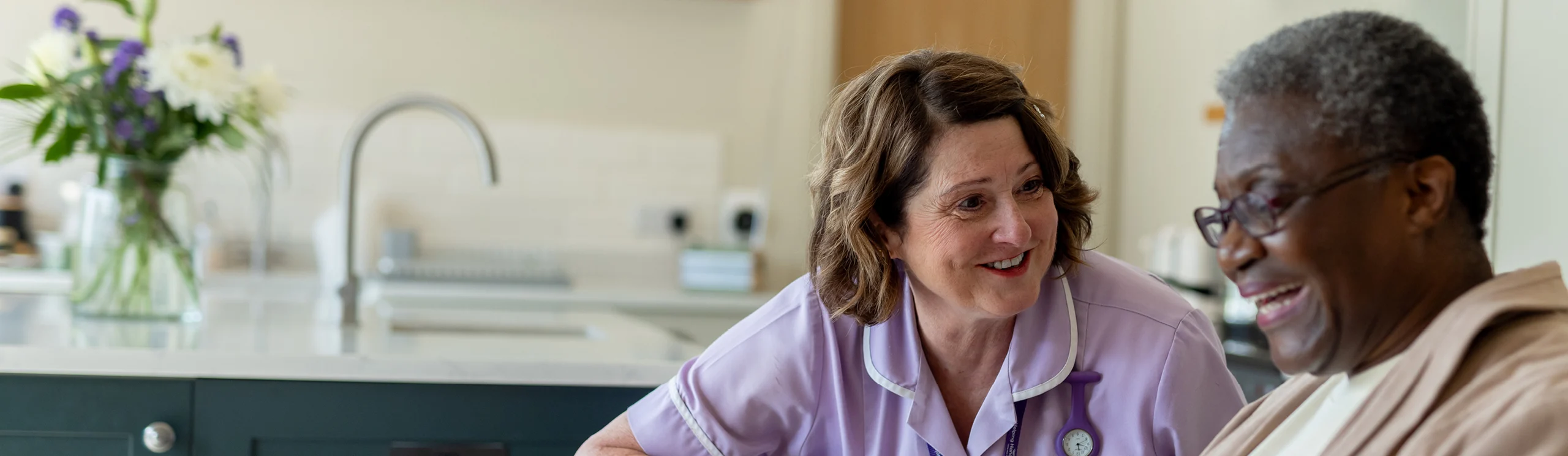
Why is it important to monitor blood sugar levels?
While it’s not a good idea for any of us to overindulge on sweet treats in the run-up to Halloween, for someone living with type 2 diabetes, it can be very dangerous. For elderly diabetics, the fun doesn’t have to stop though, especially if there are grandchildren hoping to share the day with you. As Diabetes UK tells us, “there’s likely to be lots of sweets and chocolate around, and you don’t have to miss out on all that because you have diabetes.” However, the key is to continue to eat a healthy, balanced diet and plan other activities that don’t all involve sugar. This can include pumpkin carving, costume making and bobbing for apples.
How old age can affect blood sugar
According to Colorado State University, “as we age, the pancreas produces less insulin — which means blood sugar remains elevated for longer.” This matters because “Low insulin sensitivity and reduced insulin production can lead to poor control of blood sugars and fat, which can lead to diabetes.” Diabetes and old age can cause complications such as stroke, heart disease, kidney failure and damage to the eyes, nerves and circulation.
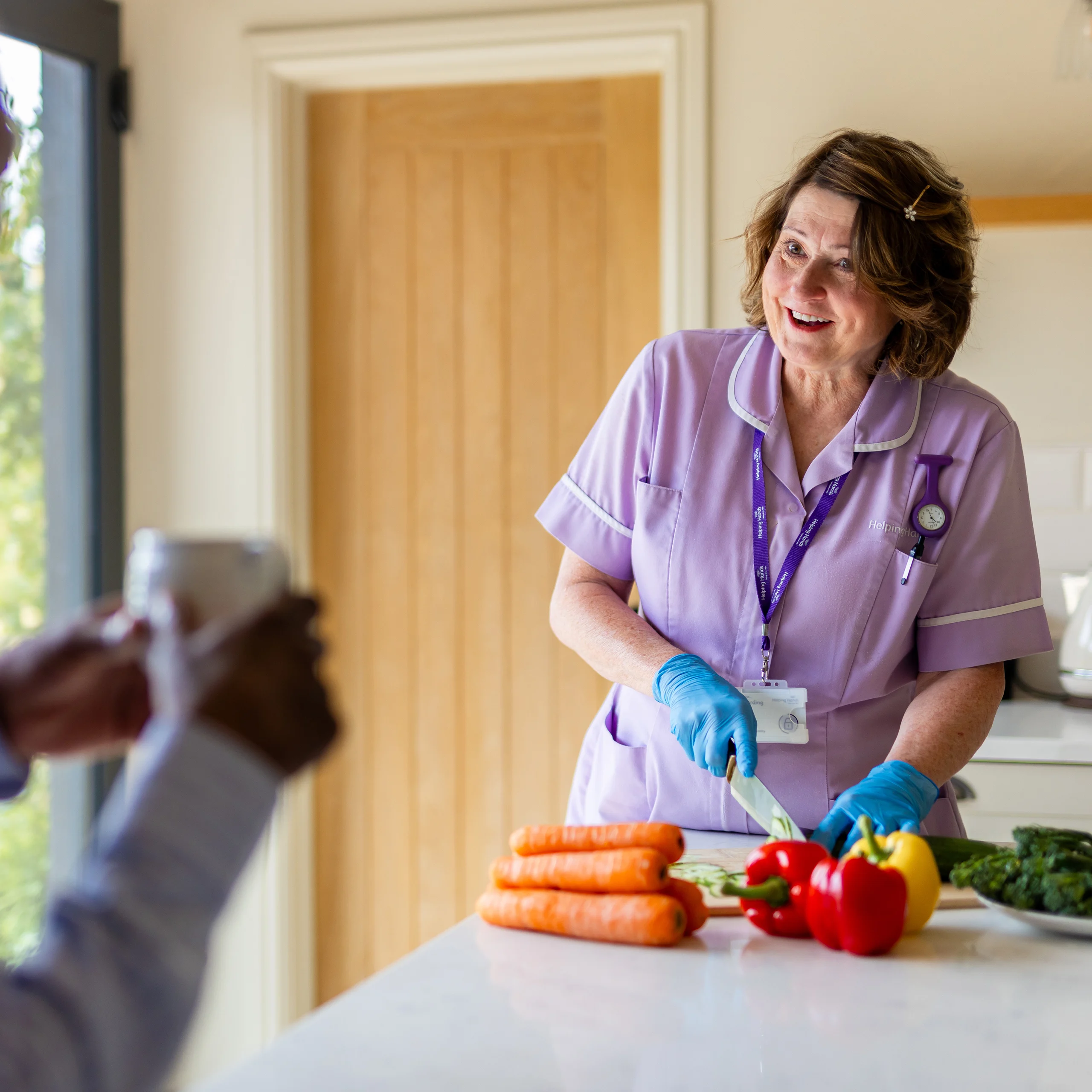
What conditions affect blood sugar?
There are many different lifestyle choices, conditions and medications that can affect blood sugar and leave people at risk of developing type 2 diabetes. These include stress, diet, activity levels and dehydration. Being susceptible to infection can also be a risk factor, as can hormonal changes and not taking medication correctly. We can try and combat these by:
Taking medication correctly
Follow the instructions on medication carefully and if you’re not sure how to take it, ask loved ones, carers or other health professionals to support you.
Exercising regularly
Everyone can be active, even if bed-bound or unconfident on their feet. Chair and bed routines include ankle lifts and arm raises to keep muscles working.
Eating a balanced diet
Nutrition is essential at any age, but if someone is reluctant to eat healthily, try making soups, jellies, and broths, which will also aid their hydration.
Drinking enough fluids
Dehydration can lead to many different health problems, such as organ damage, dizziness and confusion, which are particularly dangerous for someone older.
Reducing stress
Stress can sharpen our performance but also put enormous strain on our well-being. Practising stress reduction can be beneficial.
Regular health checks
If you are worried about any aspect of your health, you should speak to your GP or another health professional for advice.
Managing type 2 diabetes in the elderly
Managing type 2 diabetes in the elderly will be a combined effort between the person, their caregivers and their wider healthcare team. There will be roles that everyone will have to play to keep you living as healthily as possible with your diabetes, such as eating a balanced diet and taking medication correctly. You may already have carers who come to your home and prepare your food and medication for you, but if not, it’s important to make healthy choices every day so that your diabetes is controlled. You may have blood tests regularly, use a home monitoring kit or use a device that’s implanted under the skin, but however your diabetes is managed, it will be everyone’s responsibility to help you live well with your condition.
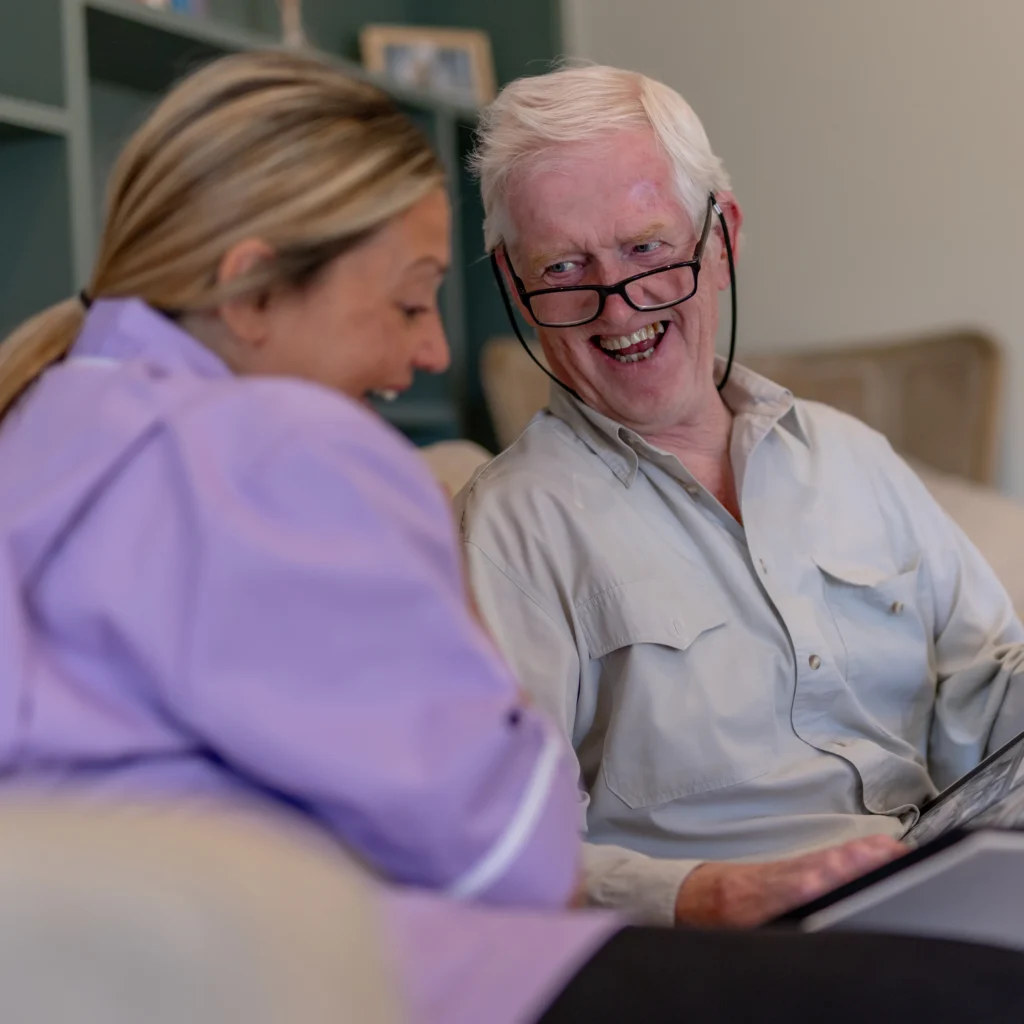
How to monitor blood sugar levels
Monitoring blood sugar levels for elderly people can be done in a variety of ways. According to Diabetes UK, you can do “a finger-prick test, or by using an electronic blood sugar monitor called a flash glucose monitor or CGM.” Not everyone who is living with diabetes needs to do this though, and you will be advised by your healthcare team how best to monitor your blood sugar. The HbA1c, “is a blood test to measure your average blood sugar level over the last three months. Everyone with diabetes is entitled to this check.” So if you haven’t been offered it, have a word with your carers, wider healthcare team or GP surgery to see if you should be receiving it.
How Helping Hands can support this halloween
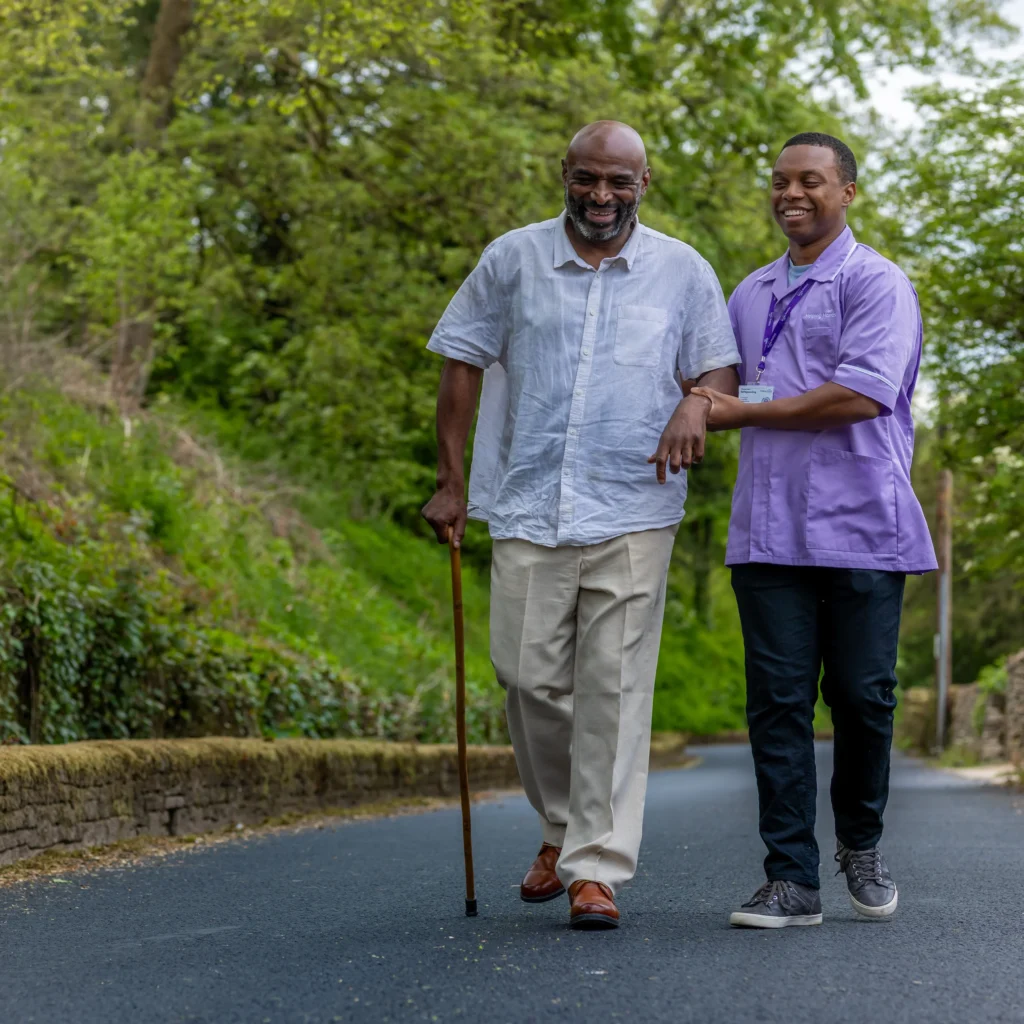
High blood sugar levels in elderly people can cause a myriad of health complications if they’re not identified and controlled. Sometimes it can be difficult for the person living with diabetes to manage their condition themselves, perhaps because they’re already living with a serious condition such as dementia. Therefore, it may fall to family members to bear the responsibility for helping them to manage their condition or, to reduce the pressure on them, one of our fantastic Helping Hands carers can support their diabetes journey instead.
We offer care at home on both a visiting and live-in care basis, meaning that our customers are fully supported with every aspect of their care needs, from occasional help up to 24-hour care. We’ve been supporting people to live their best quality of life in the home they love since we were established in 1989, so it’s no surprise that we’re the UK’s most trusted home care provider, with services fully regulated by the Care Quality Commission and the Care Inspectorate Wales.