Caring for dementia in a heatwave: what to know

Why heatwaves pose a risk for people with dementia
Heatwaves may be welcomed as an opportunity to relax in open spaces and make the most of some gorgeous weather; however, heatwaves can also pose a risk for some members of the community, particularly people living with dementia. This is because they may not recognise when they are being adversely affected by high temperatures and therefore may not be able to take the necessary precautions. The Alzheimer’s Society says “Memory problems mean someone with dementia can easily forget to drink enough water. What’s more, the part of the brain that recognises you’re dehydrated and sends a message to let you know you’re thirsty doesn’t always work properly.” That can mean that people living with dementia are more vulnerable to the effects of a heatwave than other members of the community.

Adjusting daily routines during hot weather
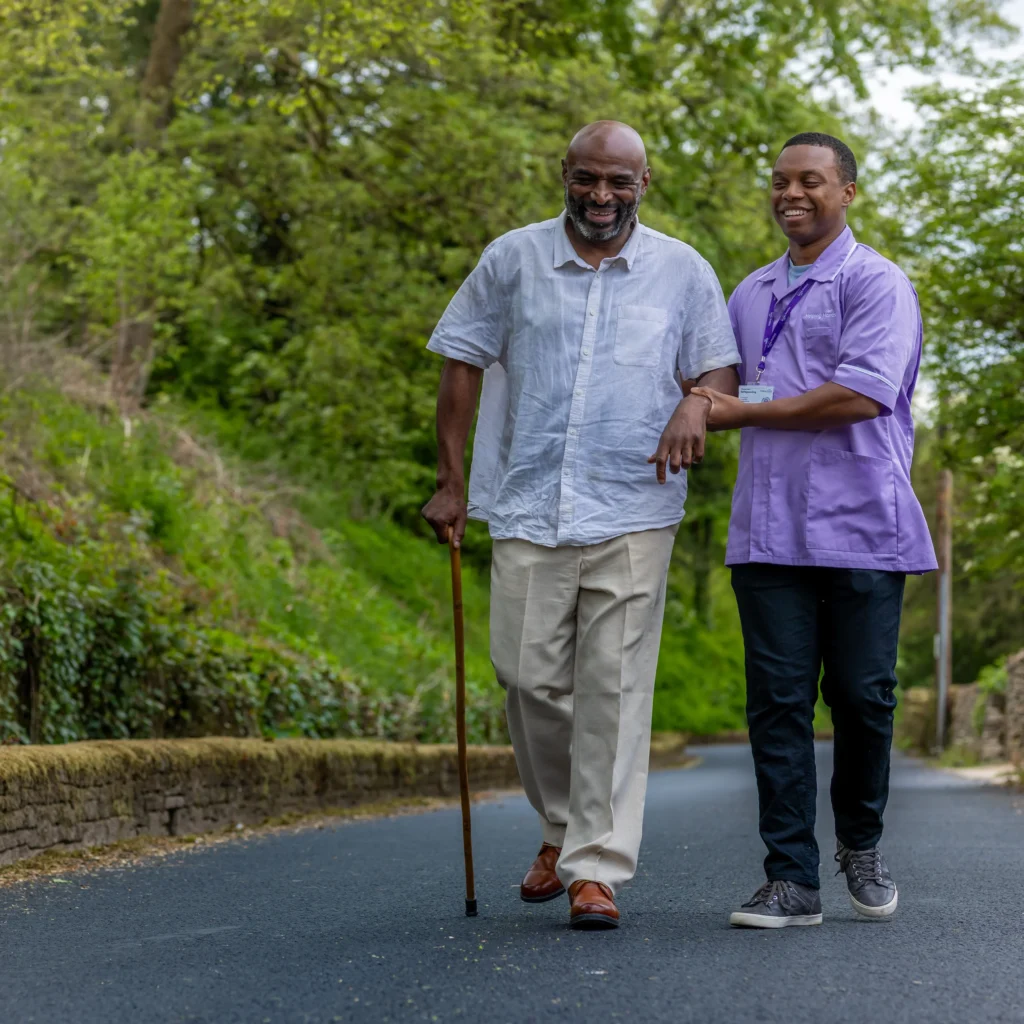
It’s necessary to adjust routines during hot weather to ensure that risks from dehydration and heatstroke are minimised. For someone living with dementia, they may struggle to do this themselves and may also not react well to someone else trying to do it for them. Therefore, it has to be approached carefully and patiently. This is where your Helping Hands carer can make all the difference. Taking the time to encourage someone to drink more or eat foods with high water content can be undertaken by a carer who has plenty of experience in this area.

Hydration tips for dementia patients
There are many reasons why someone living with dementia can become dehydrated, it’s not always to do with accessibility to water, although this is likely to be the most common. Some medications can make dehydration worse, so it’s worth checking with the GP if an alternative is available without the associated side-effects. Tips include:
Make drinking easier
Leaving drinks within reach and providing specially adapted cups so that drinks can be picked up easily may encourage independent drinking.
Share a drink together
Sometimes the person will mirror the behaviour of someone in their eye line, so having a drink in front of them may just encourage them to drink too.
Prompt and remind
Leaving notes around the house, reminding them to drink, may just do the trick. Some people may also respond to phone prompts or notifications.
High water content
Foods high in water can encourage someone to consume more water. These can include jelly, soup, fruit such as melon, and ice lollies.
Other hydration tips for dementia patients
Some people may also be reluctant to drink much as they’re concerned about continence, so this could be discussed and advice given by a healthcare professional. Knowing that they’ll be helped to the toilet and any mishaps dealt with quickly and professionally may also help them feel more reassured.
Clothing and Personal Care
Wearing clothing that is unfussy and able to be removed quickly for continence purposes may help the person to feel less anxious about going to the toilet. This, in turn, may encourage them to drink more often.
Safe Outdoor Activities
The person may also be anxious about straying too far from home, thinking that they may not be able to access a toilet in time. Checking beforehand where facilities exist will also help.
Managing Medications
If medication is the cause of dehydration, then it’s vital to get medical advice. Alternatives may be available that won’t cause the side effects and that will still support existing medical conditions.
The role of carers during a heatwave
The right carers can make a huge difference to someone’s daily life, especially if the person is living with dementia. Helping with daily tasks such as meal preparation, medication, and personal care, our carers can come to our customers’ homes on either a visiting or a live-in care basis. This means that they can be there for crucial times of the day, such as getting up in the morning or mealtimes, or they can be there around the clock. Having someone in their home full-time means the carer is on hand for practical tasks whenever needed, as well as ensuring emotional wellbeing at all times. Crucially, though, they’re there to help keep the person cool, monitor for signs of dehydration or heat exhaustion, and encourage hydration.

Discover expert dementia care at home with Helping Hands
We’re considered dementia specialists because we’ve been delivering exceptional dementia support in our customers’ homes since 1989. People across England and Wales trust us to deliver their care and support, which doesn’t just mean practical tasks such as housework and medication. We take care of the ‘whole person’, offering a holistic package of care that focuses on the individual’s dementia care needs. Dementia affects each person differently, so we take the time to get to know you and tailor your care package around your exact needs. Our carers will also be able to watch out for the warning signs of heatstroke, such as increased confusion, reduced urination, and headaches, and take appropriate action.