How healthy eating and exercise promote good health in later years
Why health in later years matters
Health in later years matters because it can contribute to a better quality of life. This is important because it promotes independence, allowing you to continue living the way you wish for longer. You’ll also be able to continue activities you enjoy outside of your home, which will contribute to social engagement and help prevent isolation.
There are also the societal benefits of a healthy older population. Not only will it reduce pressure on resources, but it also means that older people will be able to continue working if they wish, which is another way to gain valuable social interaction and contribute to feelings of self-worth.
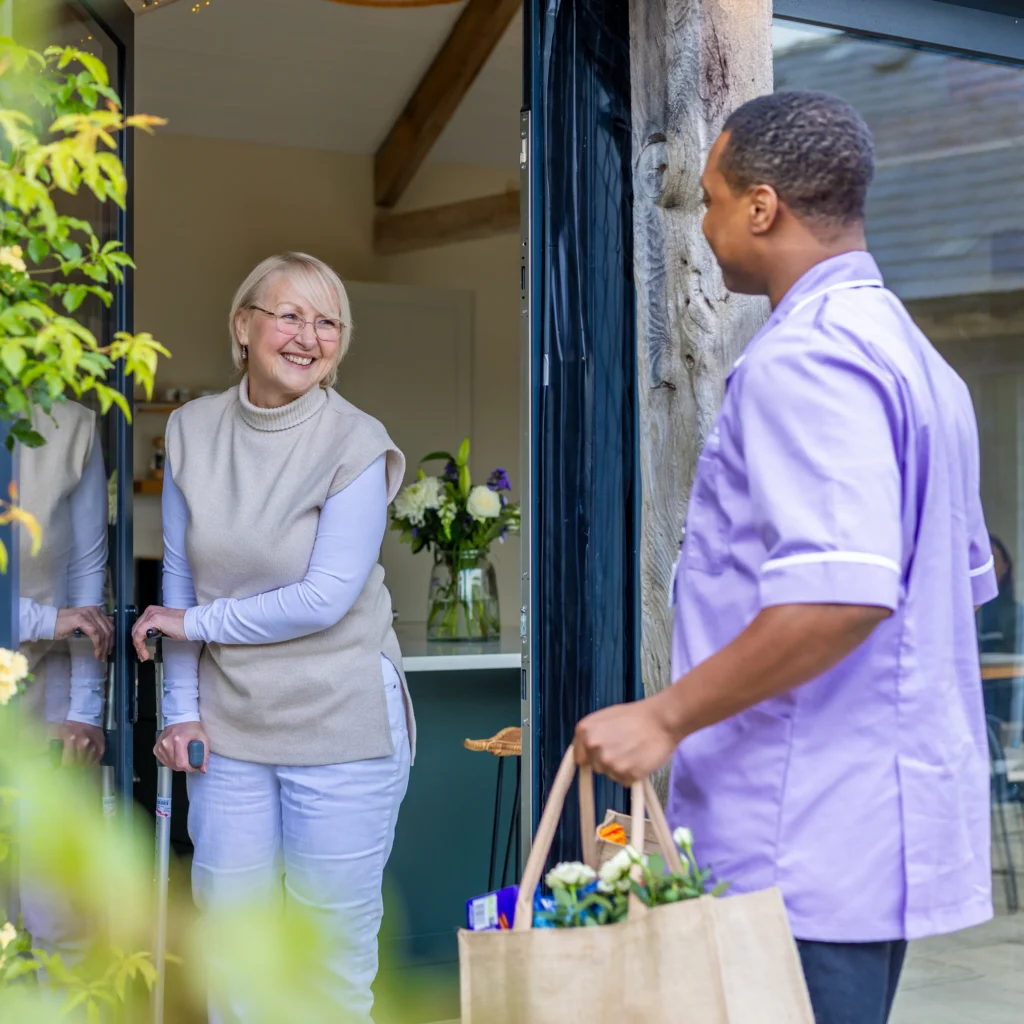
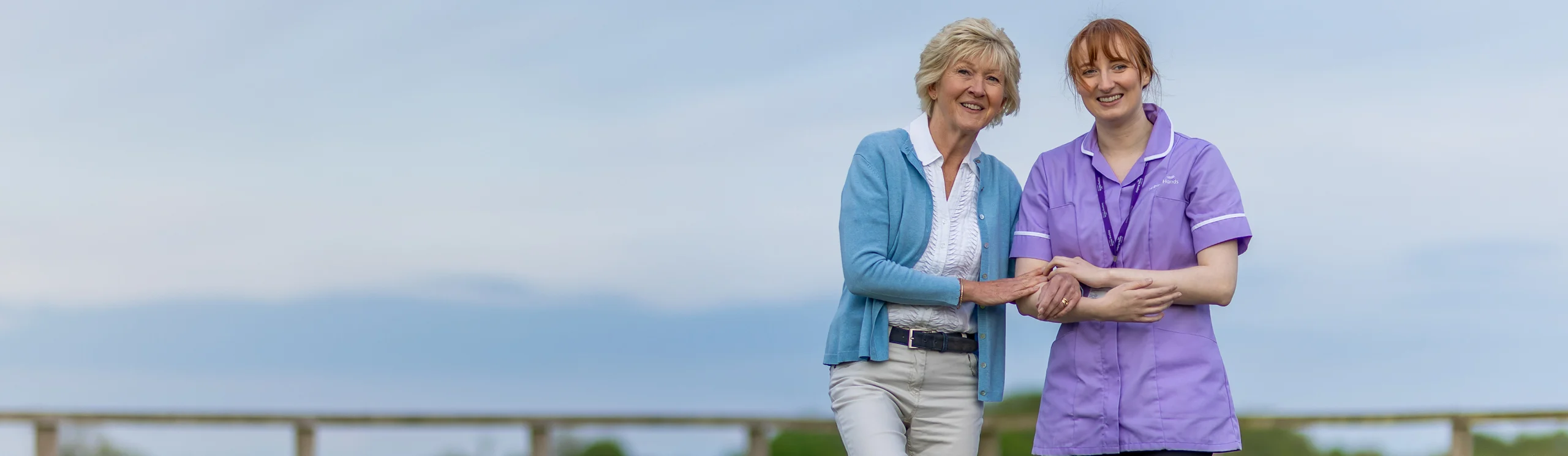
One of the best ways to keep active is to have encouragement from someone else to do so. Helping Hands carers are not just there for the everyday practical tasks, they’re also able to keep your emotional wellbeing in tip-top shape, by supporting you to keep active and eat well. This means you’ll get the most out of life for as long as possible.
Key nutrients for older adults
The British Nutrition Foundation tells us that “All adults need a varied and balanced diet to ensure we get enough essential vitamins and minerals. We also need to make healthy choices when it comes to our lifestyles.”
Getting enough nutrients can be difficult as we age because our attitude towards food can change. People may become less hungry and find that their appetite diminishes, or they may not be able to summon enthusiasm for eating or preparing food. Vitamins B, D, and calcium are all important in keeping us healthy and active in later years and your healthcare professional may recommend supplements if you’re not getting enough of these through diet alone.
Tips for creating a balanced diet
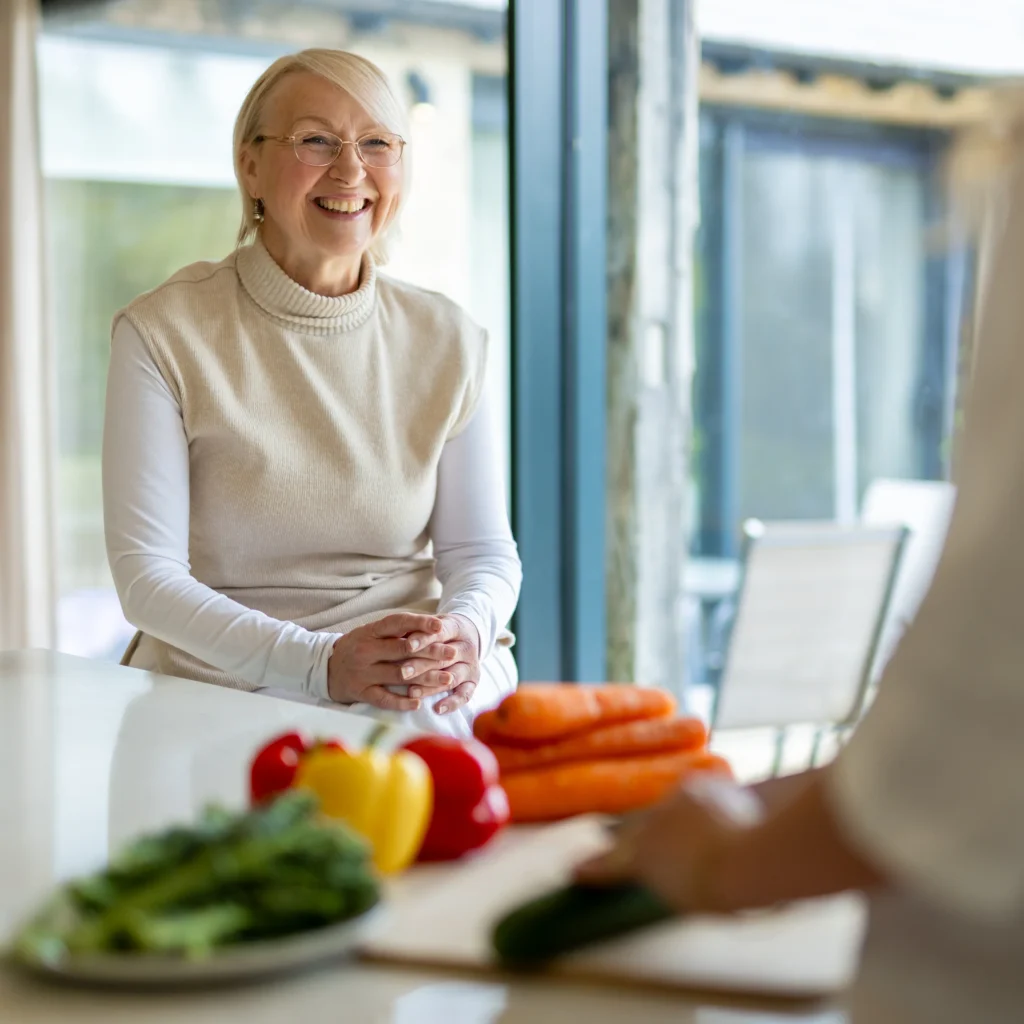
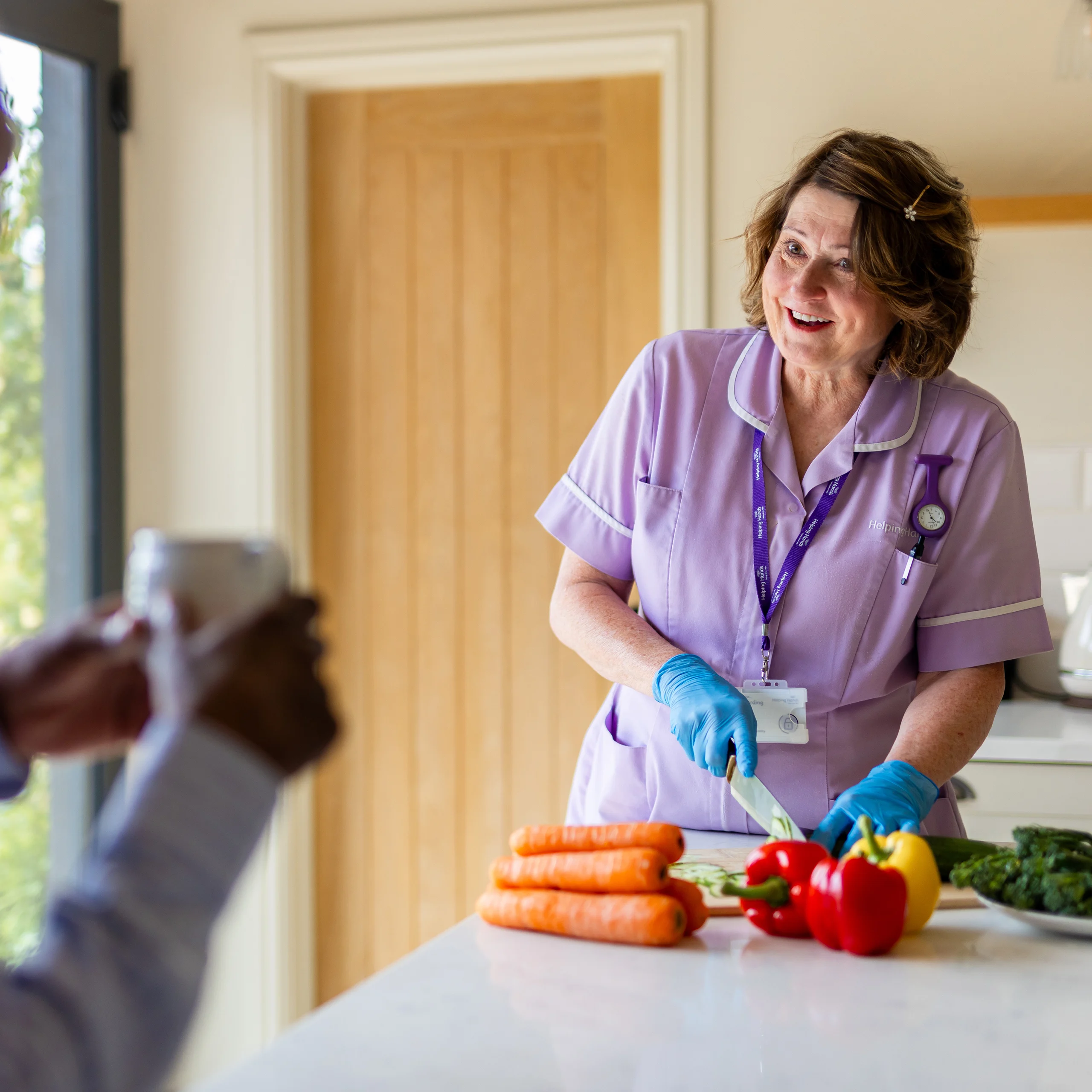
Eating a balanced diet is always advisable to maintain a healthy lifestyle; however, everyone will have their own ideas about what they like to eat and drink. The British Nutrition Foundation recommends several rules to ensure you’re eating a balanced diet:
- Five portions of fruit and veg a day
- Plenty of fibre-rich and wholegrain foods
- Protein-rich foods such as beans, peas & lentils
- Including some dairy or fortified alternatives
- The right fats and oils, mainly unsaturated
- Minimise foods high in sugar, fat and salt
The role of exercise in ageing well
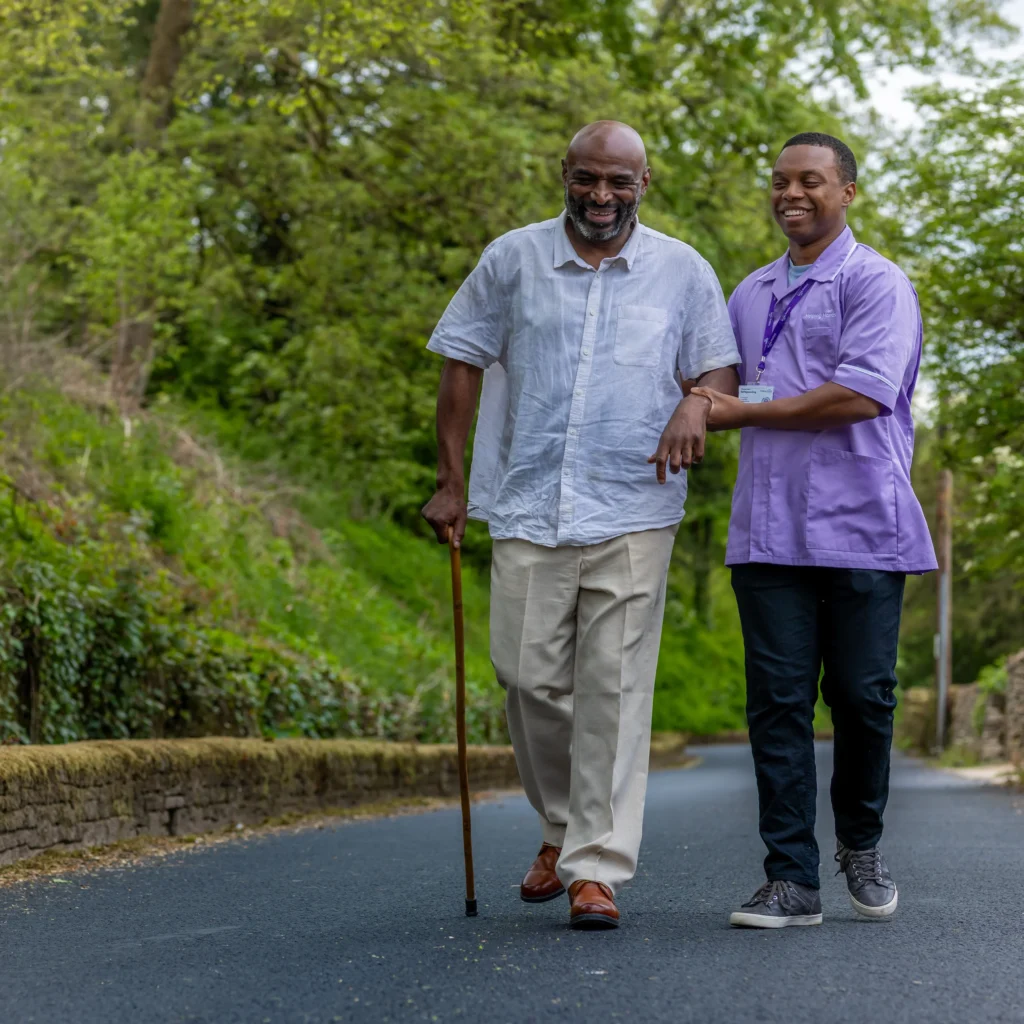
According to the NHS, “Older adults should do some type of physical activity every day. It can help to improve your health and reduce the risk of heart disease and stroke.” Obviously, the type and amount of activity you do depends on your physical ability, and you should always speak to your GP before you embark on a new programme of exercise. NHS guidelines suggest that adults over 65 should attempt some form of light activity every day and aim for “at least 150 minutes of moderate intensity activity” per week.
Aerobic Exercise
Many older people worry about falls, and aerobic exercise can strengthen muscles, help posture and balance, and maintain mobility. These can all contribute to reducing the risk of falls. Aerobic exercise can also benefit emotional health and mental clarity.
Strength Training
Strength training can help prevent osteoporosis by stimulating bone and muscle growth through specific exercises. Feeling stronger may also increase confidence and contribute to better mobility. It can help both physical and mental health.
Flexibility and Balance Exercises
Mobility can be improved by doing flexibility and balance exercises, such as heel-to-toe walking, standing on one leg, yoga and tai-chi. These can be done at home via the internet or by joining a class. Classes can also be socially beneficial.
Health benefits of regular exercise
Regular exercise can provide plenty of health benefits, both physically and emotionally. Not only does exercise release endorphins and make you feel good naturally, but it also helps to keep your body strong and supple. As we age, the temptation is to become more sedentary and to sit down more, but this can cause the body to become stiff and sore, which in turn makes exercise less comfortable. It’s effectively a vicious cycle.
How diet and exercise work together
To get the most significant benefits from diet and exercise, they shouldn’t be viewed in isolation, but rather as two halves of one process. Embracing proper nutrition and regular exercise helps to maintain muscle mass, enhance cognitive health, and boost metabolism. This is because proper nutrition will provide the fuel your body needs to be active, and maintaining physical and emotional wellbeing means that you’ll remain independent at home for longer, helping you to continue living in the home you love.
Encouragement – Start small and stay consistent
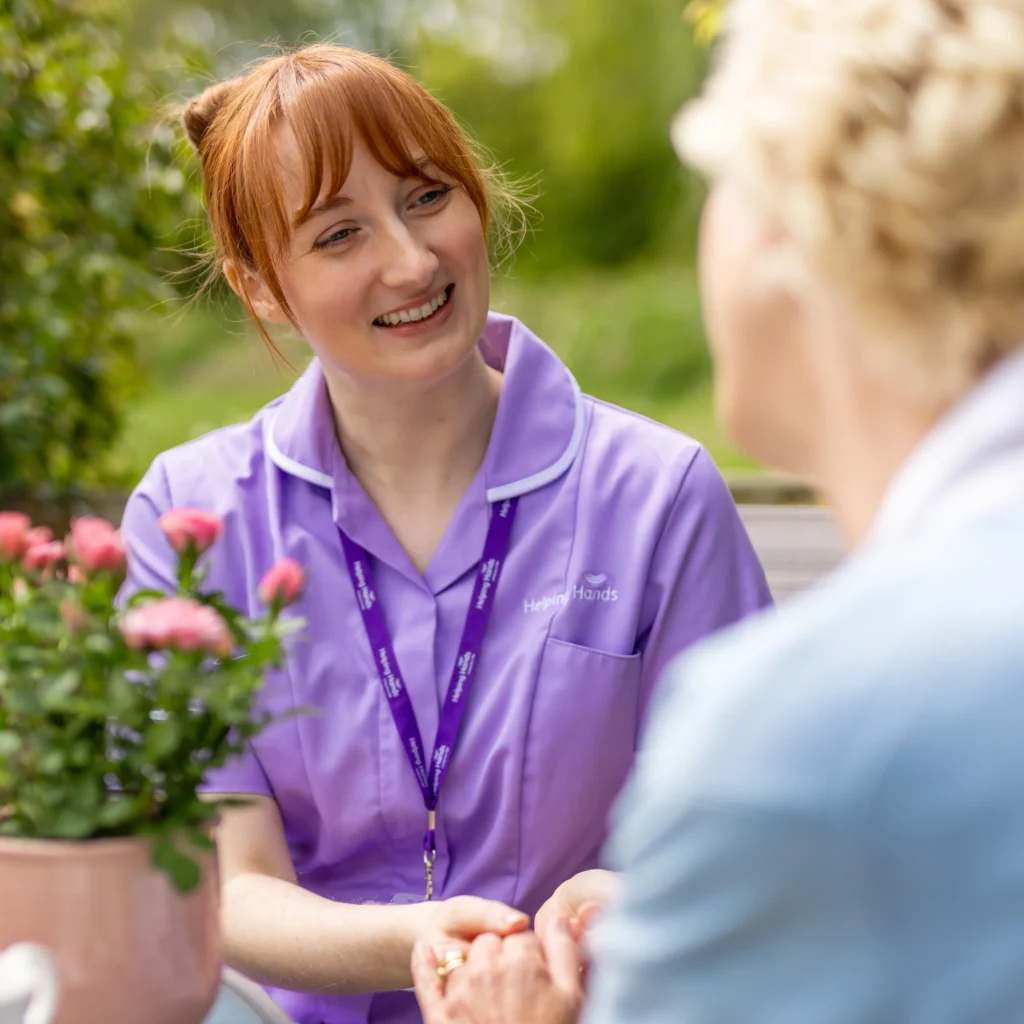
Even when you’ve committed to an exercise and healthy eating plan, there will still be days when you won’t feel like continuing. Having someone encouraging you can make all the difference and give you the boost you need to carry on with your new plan, though. It can also be enjoyable to follow a regime with someone else, whether that’s going to the gym or planning a week’s meals. Your Helping Hands carer will be there to help both practically and boost your emotional health by encouraging you to eat well and remain active.
Explore professional elderly care at home with Helping Hands
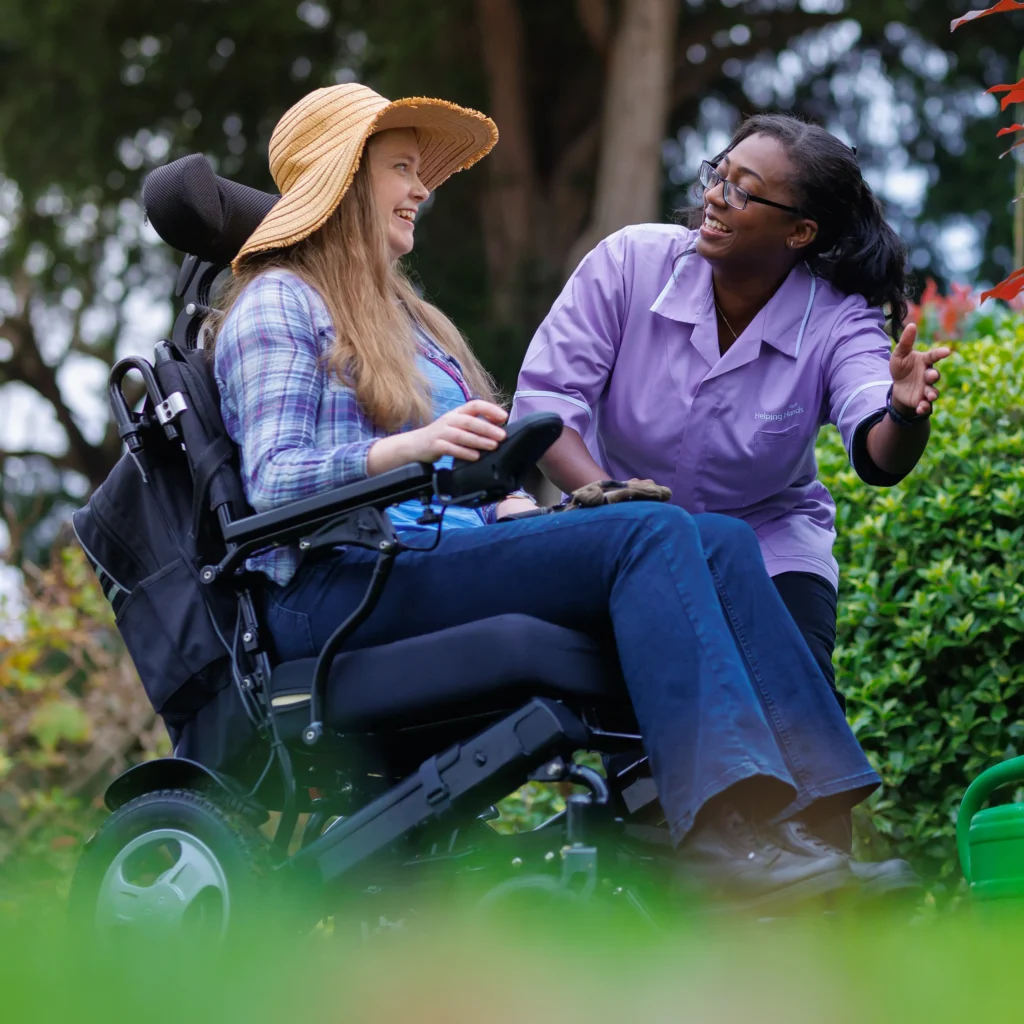
Elderly care from Helping Hands can cover every aspect of your daily routine, such as medication, mobility, personal care and housework. We can also help you to commit to living well by preparing your meals and encouraging you to be active. We can offer visiting and live-in care, ranging from a couple of visits a week to around-the-clock, full-time support.
Our carers also make a huge difference to people who are struggling with loneliness or social isolation. They offer companionship from a friendly chat and a cuppa, walking the dog together, or supporting you to attend fitness classes. Our carers don’t just make their customers feel better; they also offer reassurance for relatives that their loved one is being expertly cared for.