World Alzheimer’s Day – What to Know
What is World Alzheimer’s Day?
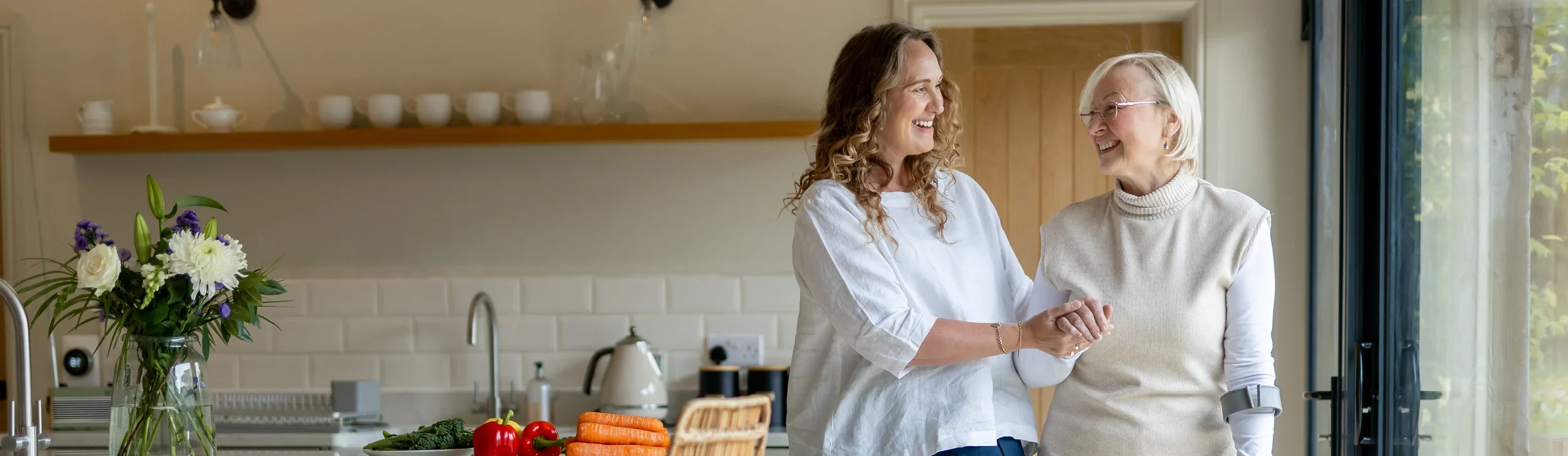
Sunday 21st September 2025 is World Alzheimer’s Day, the culmination of a whole month of focus on the disease that is the most significant health and social care issue of our time. At Helping Hands, we’re proud of the number of customers we’ve supported who are living with dementia since our inception in 1989, and we fully support any opportunity to shout about the way dementia affects those diagnosed and the people around them. We believe in a whole-person approach to care and supporting our customers to live as independently as they can in the homes they love. This ensures that they live their highest quality of life for as long as possible.
As the Alzheimer’s Society says, “It’s a global opportunity to raise dementia awareness and support people affected by the disease.”
Why is World Alzheimer’s Day Important?
Dementia is a “public health priority” according to the World Health Organisation, recognising that “Every year, there are nearly 10 million new cases.” Raising awareness of dementia is something that we all need to do more of, whether affected by the disease or not.
Becoming a Dementia Friend and wearing the Alzheimer’s Society’s ‘forget me not’ badge is an easy way to show you care about dementia and are happy to talk about it to other people.
World Alzheimer’s Day awareness also shows people living with Alzheimer’s and other types of dementia that people around them are empathetic to their condition and are happy to help in any way they can.

How Alzheimer’s Affects Individuals and Families
The NHS tells us that “If you’ve been diagnosed with dementia, you’ll probably find that your relationships with others will change over time.” Even so, it’s important to remember that the person is still the same, even if their behaviour and abilities change. With the right amount of support and understanding, relationships can continue in a positive manner.
Communication is key to helping relationships continue and adapt to the changes that are occurring in your life. Your loved ones will want to know how you are managing and how they can help, and your carer will also want to monitor how your condition changes.
Recognising the Early Signs of Alzheimer’s
Most people recognise that they or a loved one are struggling with their memory or forgetting words and phrases in the early stages of Alzheimer’s. This may lead to scheduling a doctor’s appointment or having a chat with another healthcare professional.
If someone is resistant to accepting medical help, then chatting to an organisation such as Alzheimer’s Society or Dementia UK can help make sense of what you or a loved one is experiencing. They have helplines available and very informative websites that can offer reassurance and advice.
How You Can Get Involved on World Alzheimer’s Day
There are many ways you can get involved, regardless of your ability. Perhaps you’d like to take part in a Memory Walk near you, with your carer by your side, or if you’d prefer to help a little closer to home, you could tell people about your experiences with dementia or even become a campaigner. The Alzheimer’s Society has lots of information on its website about taking part, which your carer will happily help you access, if necessary. They’ll also help you to find local groups you could join, such as Singing for the Brain or a dementia café event.
Expert Alzheimer’s Care With Helping Hands
The benefits of enabling someone living with dementia to continue residing in the home they love can be huge. Alzheimer’s is the most common form of dementia, with almost one million people in the UK living with some form of dementia in 2025. At Helping Hands, we’ve been supporting people living with dementia since we were established in 1989; that’s 36 years of exceptional care and support.
Having dementia care at home is especially beneficial because remaining in familiar surroundings can help reduce confusion and anxiety. Whether you choose visiting care for regular intermittent help or live-in care for around-the-clock support, you’ll benefit from a continuity of routine and familiar environment. This, in addition to one-to-one attention from a compassionate and knowledgeable dementia carer, will ensure you benefit from the highest quality of life at all times.