


World Alzheimer’s Month – what to know
What is World Alzheimer’s Month?
World Alzheimer's Month is celebrated every September, with World Alzheimer's Day falling on the 21st September.
At Helping Hands, we’re no stranger to dementia and how to provide exceptional care to those living with the condition. World Alzheimer’s Month is dedicated to focusing on the disease that is stated by the Alzhiemer’s Society as being recorded as the leading cause of death in the UK. The theme of 2026 is ‘The Earlier You Know, The More You Can Do: A Dementia Diagnosis Matters‘, and it highlights ways in which to spot the early symptoms and signs of dementia.
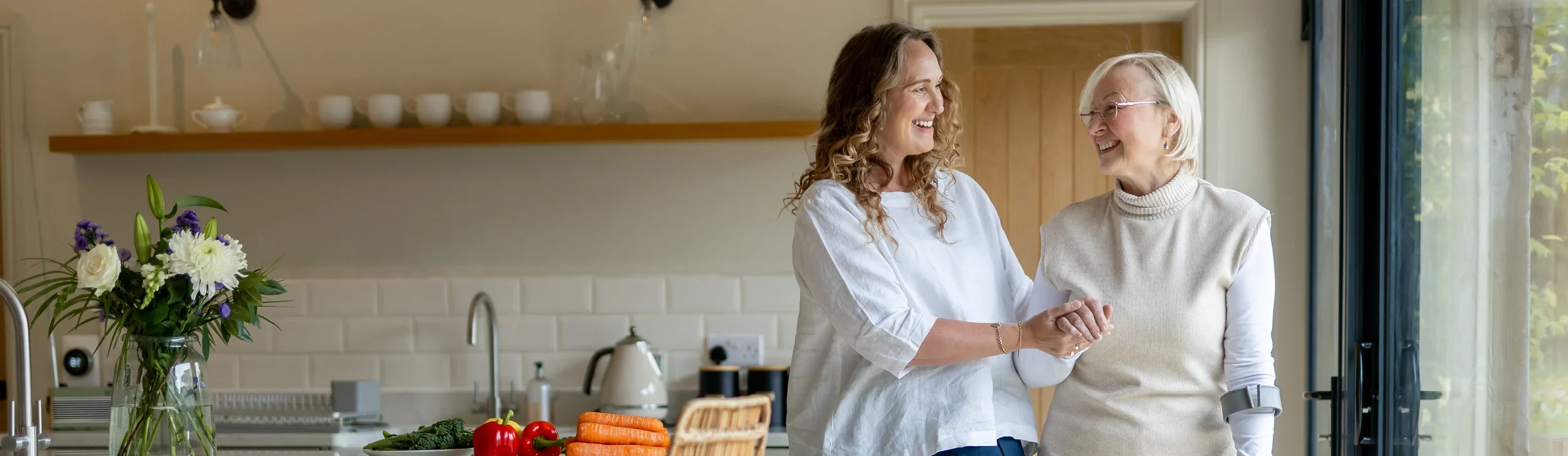
At Helping Hands, we’re proud of the number of customers we’ve supported who are living with dementia since our beginnings back in 1989, and we fully support any opportunity to shout about the way dementia affects those diagnosed and the people around them. We believe in a whole-person approach to dementia care and supporting our customers to live as independently as they can in the home they love.

Why is World Alzheimer’s Month important?
Demenia is a condition that affects memory, thinking and the ability to perform daily activites.
The World Health Organisation (WHO) recgognises dementia as a ‘public health priority’ and states that every year, there are nearly 10 million new cases of dementia. Raising awareness for the different types of dementia can go a long way in aiding those affected by the disease. For exmaple, many people are not aware that dementia not only affects the memory, but can alter a person’s senses too. One way that you can get involved is to become a Dementia Friend and wear the Alzheimer’s Society badge or pin in solidarity and recognition of dementia. This way, you are showing your support and that you are open to a discussion around dementia with others.
Throughout World Alzheimer’s Month, awareness can also include showing people living with the disease and educating others on the various types of dementia, such as Lewy Bodies or vascular dementia. Sharing real stories from real people can go a long way in helping people to understand the condition and to create empathy, kindness, and a desire to get involved with the movement.

How you can get involved in World Alzheimer’s Month
There are many ways you can get involved to show your support and spread awareness this September.
Raise awareness
Share awareness and reliable information with friends, family and your community to help people better understand Alzheimer’s disease, its symptoms and the impact it can have on individuals and families.
Support someone living with Alzheimer's
Small acts of kindness can make a meaningful difference to someone living with Alzheimer’s. Spend time with them, listen to their stories, help with everyday tasks or simply enjoy an activity together.
Support family carers
Alzheimer’s can also have a significant impact on family members and unpaid carers. Offering practical help, checking in regularly or simply giving someone time to talk can provide valuable support.
Take part in a fundraiser
Fundraising is a great way to support organisations working with people affected by Alzheimer’s. You could take part in a sponsored walk, organise a coffee morning, host a quiz or create your own fundraising challenge.
Volunteer your time
Volunteering can be a rewarding way to make a difference during World Alzheimer’s Month. Whether you volunteer at a local organisation, help at an event or spend time supporting people affected by dementia, your time and skills can go a long way.
Learn more and share
Taking the time to learn more about Alzheimer’s can help you better understand what people living with the condition and their families may be experiencing. Try attending awareness events or speak with local support organisations.
How Alzheimer’s affects individuals and families
Alzheimer’s disease affects more than just memory; it can also impact other aspects of thinking and cognitive function.
It can also gradually change a person’s ability to communicate, make decisions, carry out everyday tasks, and maintain independence. For those living with Alzheimer’s, changes to memory and other senses can bring frustration, confusion, anxiety, and a sense of loss as familiar routines and abilities become more difficult. Families can be affected too, often taking on new and unfamiliar caring responsibilities while also having to consider emotional, practical, and financial challenges. It can be difficult to watch someone you love change, but with patience and the right support, people living with Alzheimer’s and their families can continue to live life to the fullest. Bringing attention to the meaningful moments between those with dementia and their loved ones is what World Alzheimer’s Month is all about.

Recognising the early signs of Alzheimer’s
Recognising the early signs and symptoms may lead to scheduling a doctor’s appointment or having a chat with another healthcare professional. So, it’s worth spreading awareness about the most common signs of dementia. They can include:
Expert Alzheimer’s care with Helping Hands
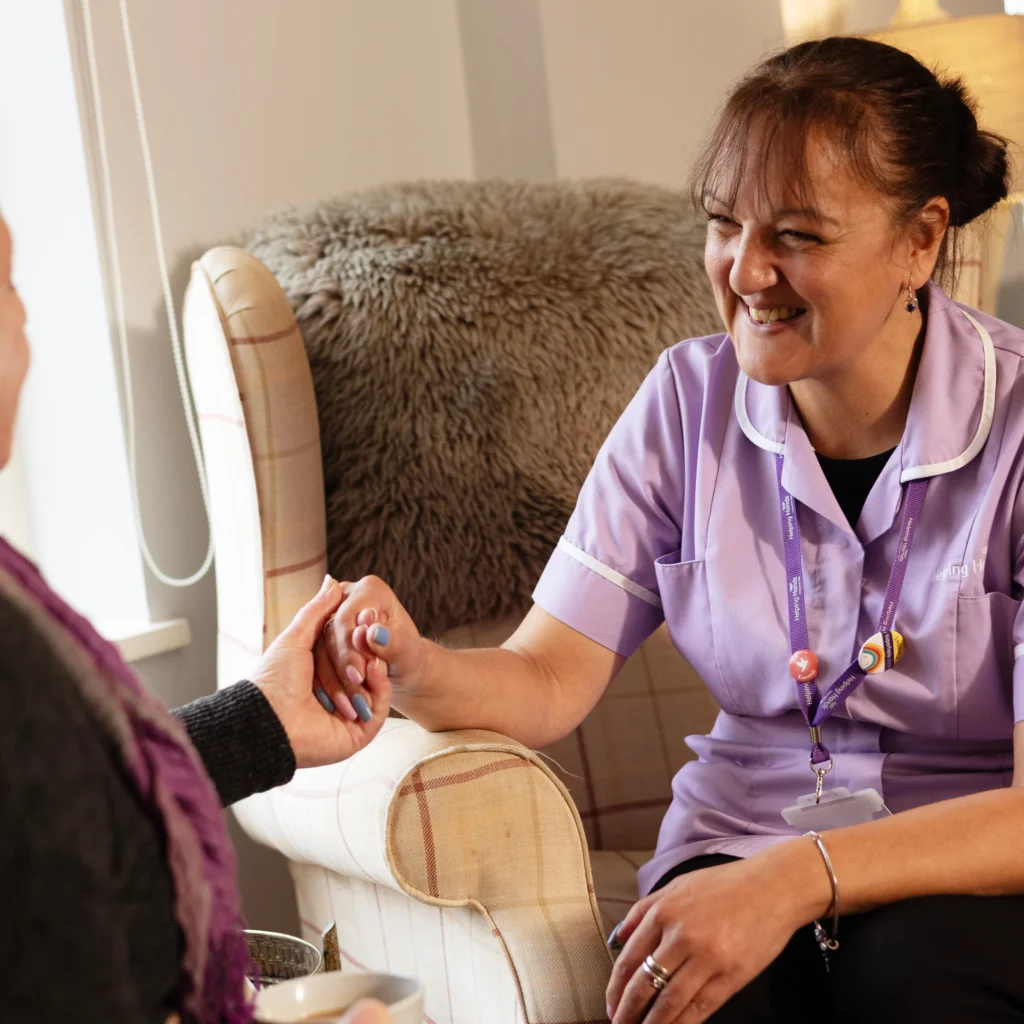
At Helping Hands, we've been providing exceptional care since 1989, so we have decades of experience supporting people living with Alzheimer’s.
The benefits of helping someone living with Alzheimer’s to remain in the home they love can be significant. Familiar surroundings, routines and treasured memories can provide comfort and reassurance, helping to alieviate any axiety that may come with the disease. At Helping Hands, our expert dementia care is tailored around each individual, helping them maintain their independence, dignity and quality of life in the comfort of their own home. Whether you need visiting care for regular support or live-in care for round-the-clock assistance, our compassionate carers provide dedicated one-to-one care built around your needs and routines. With the right support, people living with Alzheimer’s can continue to enjoy the familiarity and comfort of home while receiving the specialist care they deserve
Our services
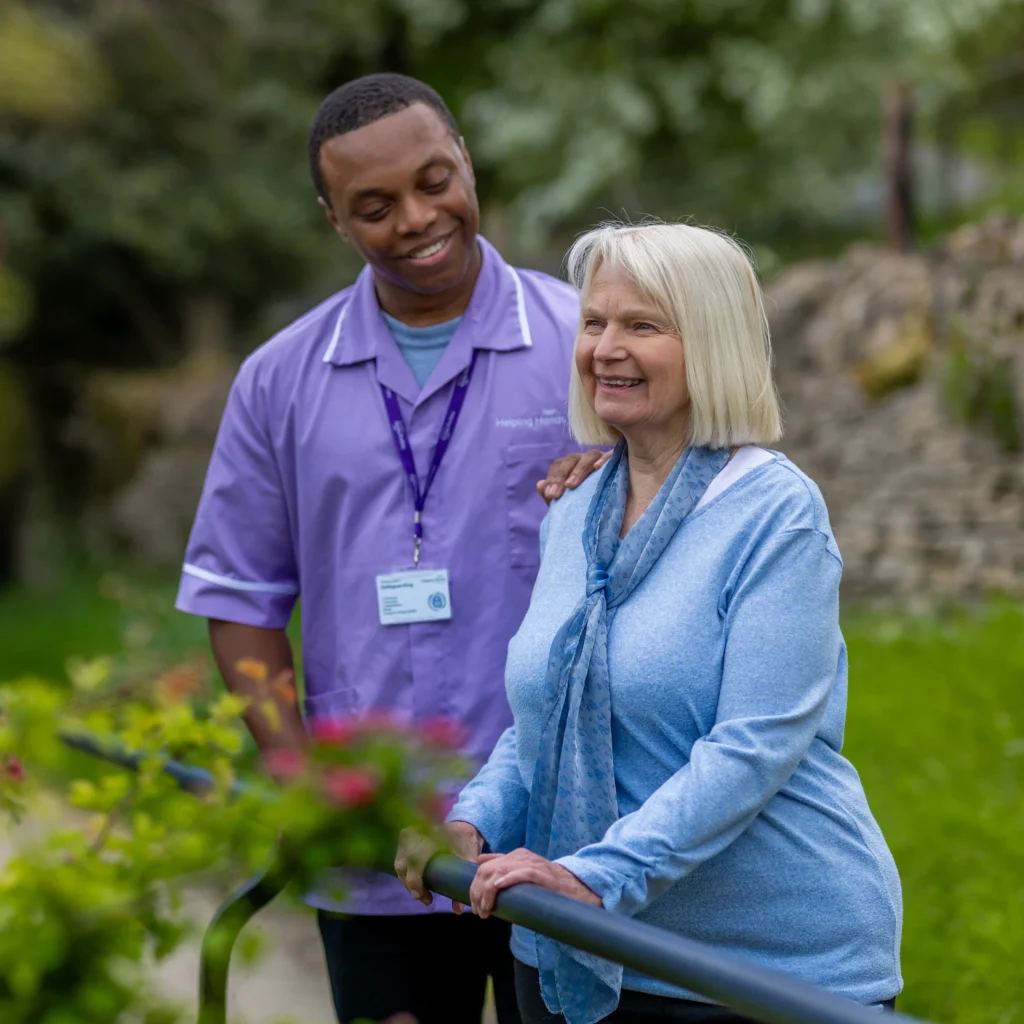
Live-in care

- Round the clock 24/7 care
- Handpicked carers selected for their patience, kindness and empathy
- Peace of mind for families
Visiting care

- Flexible care to suit your needs and routines
- Support with managing conditions or medications
- Companionship as well as care