


Bowel care plans

What is a bowel care plan?
A bowel care plan is a personalised plan designed to help a person control their bowel movements. This will be devised by a healthcare professional who is aware of the person’s condition, specific needs, health goals, and medical history.
Its purpose is to increase a person’s confidence by helping prevent incontinence and/or constipation. This will also improve quality of the person’s life as they will regain control over aspects of their life.

Bowel care plan example
A bowel care plan should contain all the detail of how the person is going to be supported with their continence and bowel care. It will also contain information around how caregivers can support the person. For instance:
Establishing a regular time
Try and keep to a daily routine, such as after a meal, to train your bowels to move
Being patient
Give yourself enough time, don’t attempt to go to the bathroom when you’re going out, for example
Going when you need to
If you need to move your bowels, go to the toilet right away, don’t put it off
Why should i have a care plan?
Having a care plan ensures that all of your preferences are detailed and that your caregivers know how you’d like your care to proceed. Having a care plan in place means that your choices are respected and prioritised and that important information about your life is communicated to the care team who are supporting you.
What does an effective care plan include?
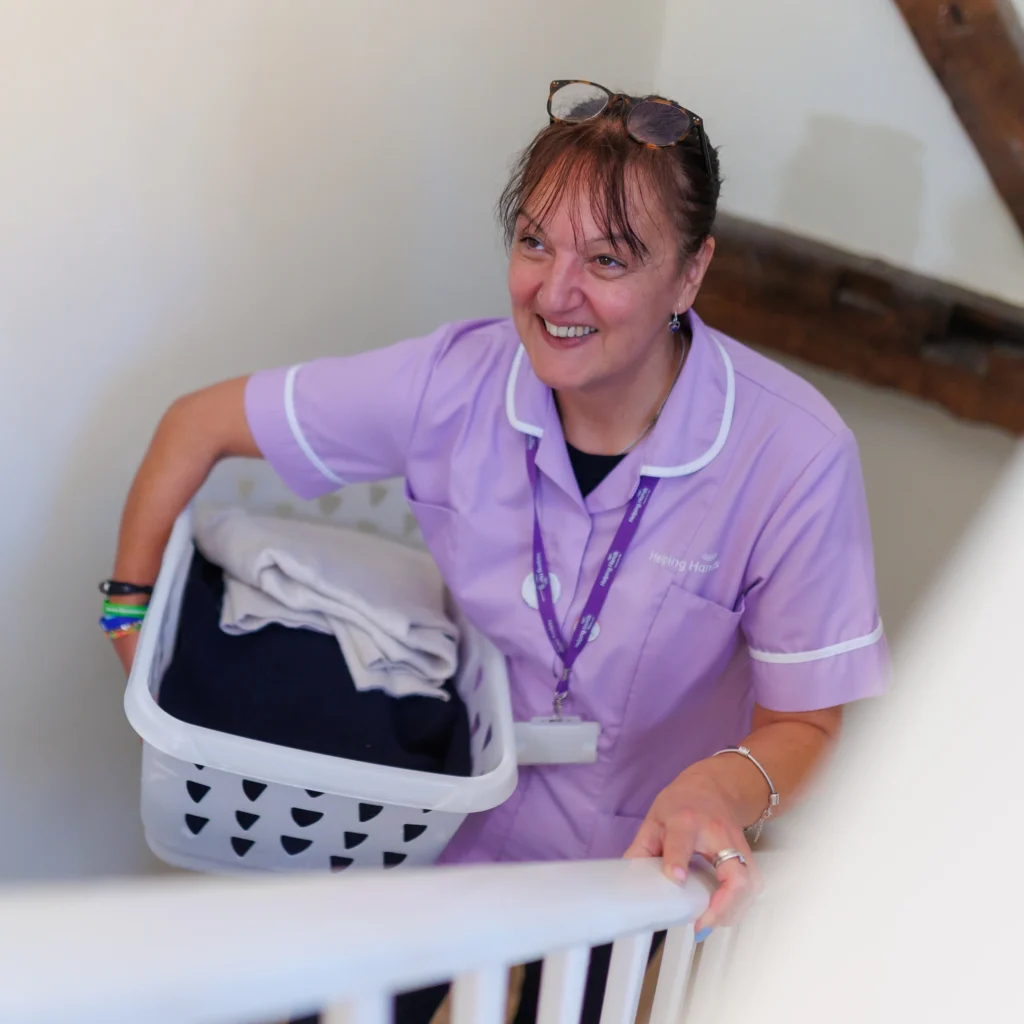
Having care in your own home means that you get to remain living in the place that means a lot to you, maintaining your independence. Your carer will support you to do the things you want to and that will support effective bowel management, such as:
Staying active
Undertaking activities that help promote bowel function.
Effective posture
Sitting with your knees slightly higher than your hips.
Leaning forward
Inclining forward can help with emptying the bowel.
Relaxing
Relax on the toilet, give yourself plenty of time.
Massaging
Gently rubbing the stomach clockwise may help.
Food & drink
Staying hydrated and eating a balanced diet can help too.
How can I create my own care plan?
There are many things that an individual can do to support their own bowel function and continence management. In fact, the person should always be encouraged to take an active part in their care planning and their support journey. This can be achieved by:
Stay hydrated
Drinking six to eight glasses of liquid per day should be attempted, as drinking enough can help avoid constipation.
Keeping a diary
Writing down what you eat and drink as well as when you move your bowels can help you understand what works best.
Eating more fibre
Eating fruit, vegetables, whole grains and wholemeal bread can help the body to improve digestion and absorb nutrients.
A fully regulated home care provider
Here at Helping Hands, our service is regulated by the Care Quality Commission (CQC) and the Care Inspectorate Wales (CIW).
This means we need to consistently meet high standards and are monitored by our regulators.


Why is being a regulated care provider important?
Independent inspections of our service, giving you peace of mind
Fully vetted, high-quality carers
Guaranteed training and development for our staff
Bowel care with Helping Hands
If your bowel care requirements are part of complex care needs, you’ll be reassured to hear that we have our own team of clinical nurses at Helping hands, who manage all of our complex care packages. This means that, whether you have visiting or live-in care, you’ll benefit from your care package being managed by our nursing team and your carer receiving additional training to manage your condition.
Our carers will help you to manage your medication, reporting any concerns to the relevant healthcare professional, for instance if your medication could be causing or worsening constipation. They’ll also help you to manage the condition you’re living with, and making sure your care plan contains all the information it needs to.
