Parkinson’s care plans
What is a care plan for Parkinson's?
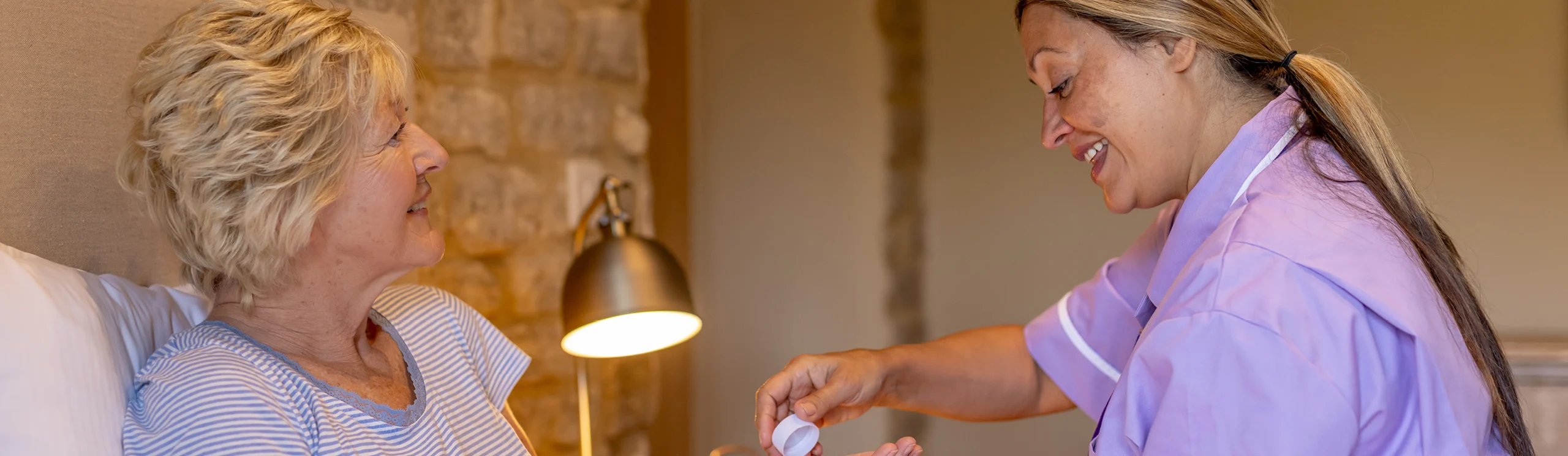
A care plan for someone with Parkinson’s disease is essential to ensure that they have all the care and support in place to live as well as possible with their condition. Care plans are devised by medical, support, or wider healthcare staff to ensure that whatever you need on a daily basis is taken into account and plans are made for the future, including end of life.
This is because Parkinson’s is a progressive neurological condition which means that it will get worse with time and can lead to people being more susceptible to infection as the condition worsens. Having a care plan in place will ensure that wishes for every aspect of your journey with Parkinson’s is planned for.

Why should you have a plan of care for parkinson's disease?
It’s important to have a care plan for Parkinson’s in place so that you and your loved ones will be able to spend time focussing on being together and sharing memories, rather than worrying about what the future will bring.
By having a care plan in place, you can all relax and not worry about the practical aspects of your care, instead focussing on the emotional, making memories and spending time together.

Do I need a care plan?
While a Parkinson’s care plan isn’t essential, it makes perfect sense to have all your wishes and needs documented so that everyone who is caring for you can see exactly what it is you require and how you wish to be supported. While Parkinson’s symptoms tend to be thought of as just physical, such as tremors and affected posture, there are also many other symptoms that need to be taken into account. These can include:
Interrupted sleep
Muscle spasms and tremors can interrupt sleep
Memory loss
Damage to the brain can affect cognitive function
Constipation & bladder issues
Damage to the Central Nervous System can affect bodily functions
Pain & tingling
Damage to the nerves can cause tingling and pain
Anxiety & depression
Restrictions caused by physical difficulties can affect mental health
Sweating & fatigue
The CNS can cause excess sweating, while chemical changes in the brain can cause fatigue
What should an effective nursing care plan for Parkinson's include?
It’s likely your care will be delivered by not just a Helping Hands carer but also a wider community healthcare team, including nurses, GP, physiotherapist, and other professionals. Therefore, a nursing care plan for Parkinson’s will have to include not only the way you like your days to progress, such as your routines at home, how you like things done, and your preferences, it will also have to include preventative factors and risk assessments to cover your physical symptoms. This will include the risk of falls due to decreased mobility, which can manifest as tremors, muscle spasms, and shuffling of feet due to damaged nerves, all of which can make the risk of falls greater.
A person’s care plan should always make provision for the greatest level of independence possible, however if necessary, the person should have support from their carer to remain mobile, whether that’s with specialist equipment or being instructed on how best to walk safely.
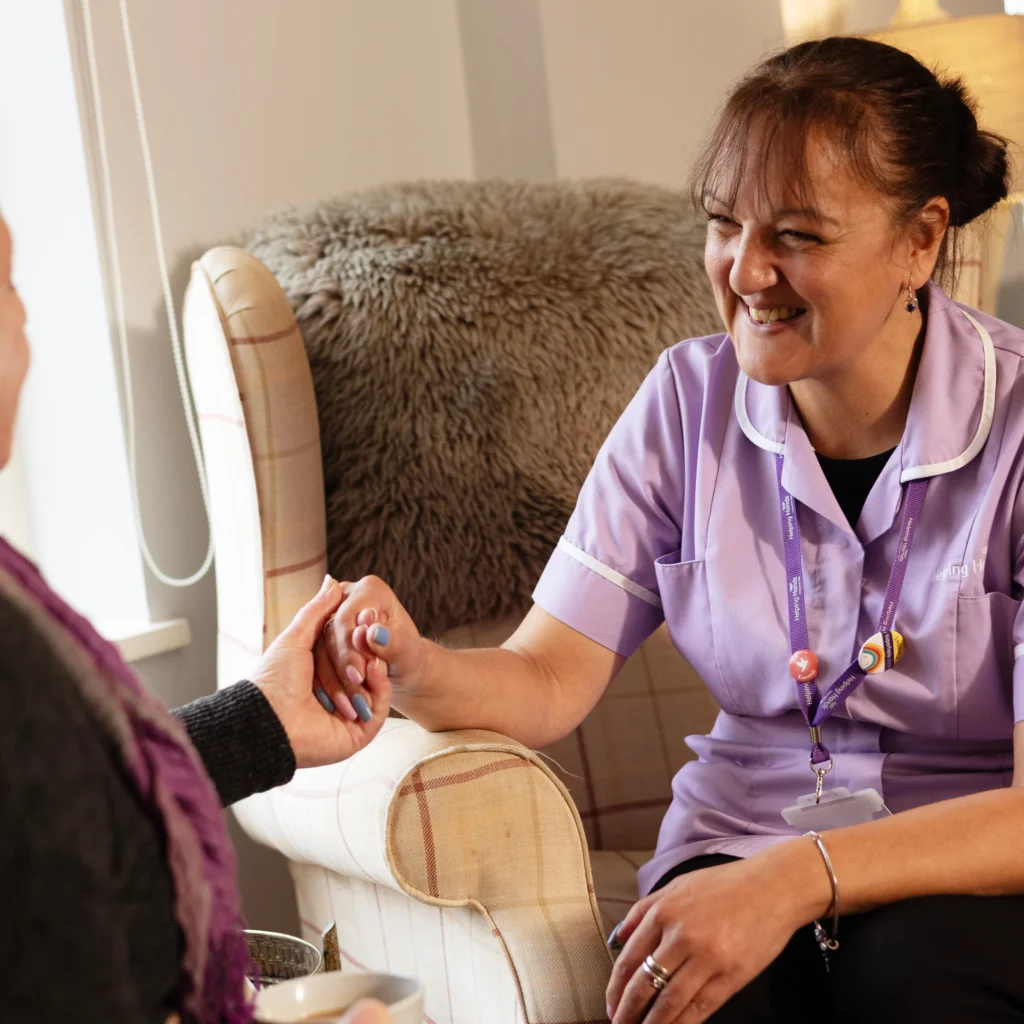
At Helping Hands, we have our own team of clinical nurses working for us, all of whom have experience in supporting people with Parkinson’s. They manage all of our more complex packages of care and will make sure that your carers are fully knowledgeable about the best ways to support you at home. This means that your care plan will include input from experienced nurses who understand your condition.
How can I create my own care plan?
While your care plan for Parkinson’s disease is best created in conjunction with medical and healthcare professionals, that doesn’t mean you don’t get to have all the involvement you wish. It’s important that you should get to create your own plan of care for Parkinson’s disease, and Helping Hands will help you to do just that. From the first moment you contact us our care teams will help you to plan your care to your exact requirements, making sure it contains all the details you want it to, to make your days run as well as possible.

How Helping Hands can help
While the exact cause of Parkinson’s disease is not known, there are factors that can make the development of the disease more likely. These include ageing, being male, genetics and a family history, and certain environmental triggers. There could also be links to particular lifestyle choices, but these are still unproven. Your Helping Hands carer will get to know you, understanding both you and your condition, and we’ll also help you to take any medication you may have been prescribed to reduce your symptoms, for example dopamine for the central nervous system to help slow the progression of the disease. Our carers aren’t just there for practical help though; they’ll also be an emotional support for you on the days when you’re struggling to stay positive.
A fully regulated home care provider
Here at Helping Hands, our service is regulated by the Care Quality Commission (CQC) and the Care Inspectorate Wales (CIW)
This means we need to consistently meet high standards and are monitored by our regulators.