Reablement care plans

What is a reablement care plan?
The NHS says, “Reablement is a type of care that helps you relearn how to do daily activities, like cooking meals and washing.” Reablement care will often be necessary when you’ve been in hospital or had a fall or illness which has left you in need of “temporary care to help you get back to normal and stay independent.” Once you leave hospital, care may have been arranged for you to help you manage your daily routine at home. This will usually be provided for a number of weeks until it’s assessed that you can manage unassisted again. A reablement care plan will have been devised for you that could include a range of different healthcare professionals, such as community nursing, your GP, home carers and physiotherapists, all working in collaboration with each other to ensure you recover as quickly as possible.
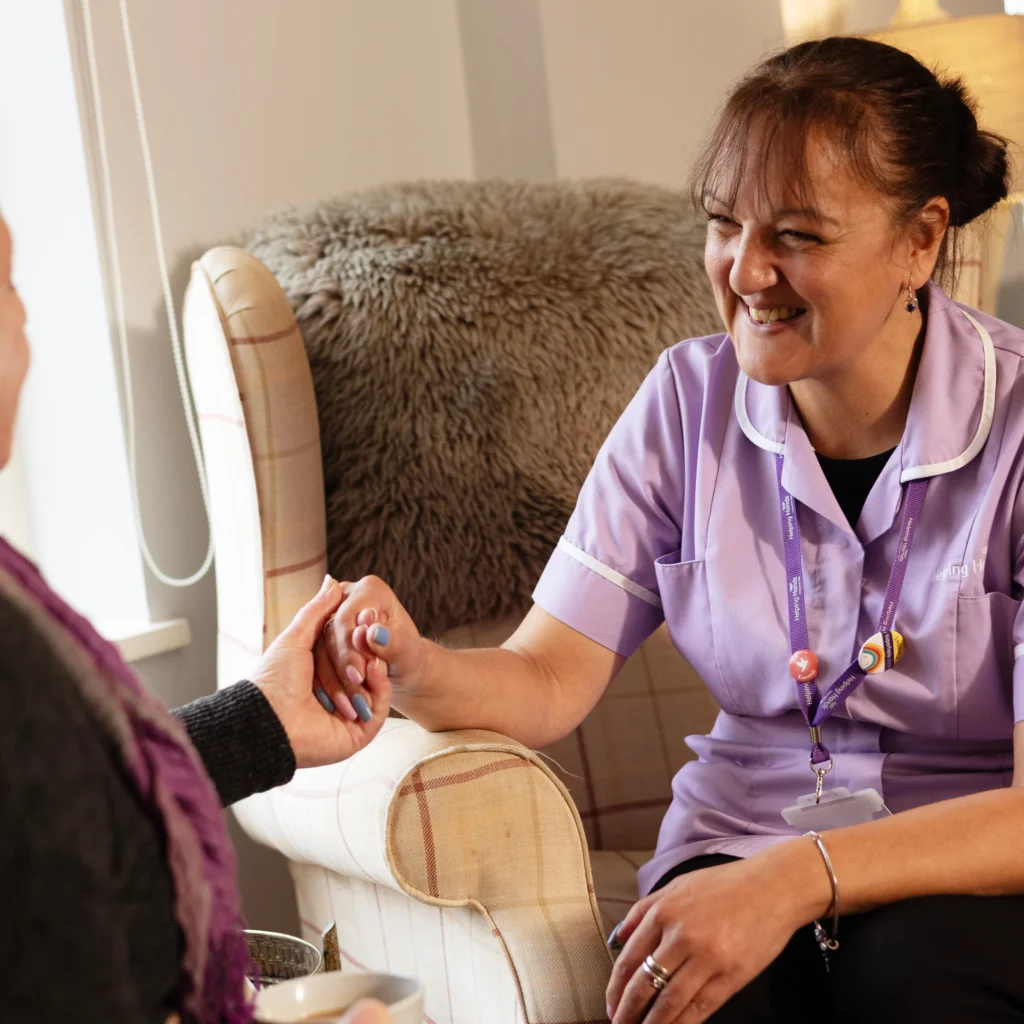
Reablement care plan example
A reablement care plan will focus on a mixture of doing things for you and encouraging you to do things for yourself. This is so you can regain full independence or at least manage as well as you can on your own. Reablement care will include support with various aspects of your daily routine, such as:

Why should I have a care plan?
It’s important to have a reablement care plan in place when you are in need of additional support, not just because it will detail the help you need, but because it will mean your progress can be mapped against markers. This is essential so that your recovery is kept on track, and if you are not recovering as expected, it can be investigated. Having a care plan in place will also ensure that all members of your wider healthcare team will understand the role they are undertaking in your recovery and know their expected duties.

What does an effective care plan for a reablement customer include?
An effective reablement care plan should contain information on your daily routine and the way you like things done, but it should also contain information about treatments and therapies you’re receiving. There are various ways you can be supported at home when recovering from a hospital stay and your reablement care plan will contain information about these. By containing this information accurately, your healthcare team can support you with your short and longer-term goals, including:
Support
How reablement care will help you achieve your goals
Monitoring
How your progress will be measured and reviewed
Assessment
Evaluating your strengths and needs
SMART goals
Specific, Measurable, Attainable, Realistic, Timely
How can I create my own care plan?
There are things that you can undertake yourself to ensure that you get the most out of your reablement care plan. There has to be collaboration on both sides – from both the person and the healthcare team – to get the best out of your recovery, so being cooperative will make a huge difference. This includes:

How Helping Hands can help
Because Helping Hands have been supporting people to live as well as possible in their own homes since we were established in 1989, we are expertly placed to support your reablement care. We specialise in helping people to live as well as possible in the homes they love, meaning if you’ve been discharged from hospital you’ll be in the very best hands with us. We understand how much your home means to you, being around people, pets and possessions that mean everything, and our visiting and live-in care teams will always keep you at the centre of your care. We don’t offer anything but person-centred care, and we’ve never believed that there should be a ‘one size fits all’ approach to care at home. Recovering in your home will benefit your emotional well-being, too, because you’re back in the place that you love most, but that doesn’t mean you don’t want to explore your community sometimes. We’ll help you enjoy your local surroundings too, even if you’d just like to go to a local café for a coffee and a chat.

A fully regulated home care provider
Here at Helping Hands, our service is regulated by the Care Quality Commission (CQC) and the Care Inspectorate Wales (CIW)
This means we need to consistently meet high standards and are monitored by our regulators.