


Self funding care

What is self funding care?
Self-funding is when you pay for the full cost of your or a loved one’s care.
We understand that paying for care can be overwhelming, but if you are not entitled to funding from your local authority or council, you will have to self-fund your care.
According to the NHS, “In England the council generally helps to pay for care costs if you have savings less than £23,250. From October 2025 this will rise to £100,000 in savings.” If you are unsure about your finances, you can find out if you are eligible for funding by requesting a financial assessment from your local council, which “works out if the council will pay towards your care.”
After conducting a financial assessment you may find you aren’t eligible to help towards your care. However, rest assured, at Helping Hands, we will devise a care plan to help manage your costs.
What costs are involved?
When it comes to costs, we understand that it isn’t always straightforward.
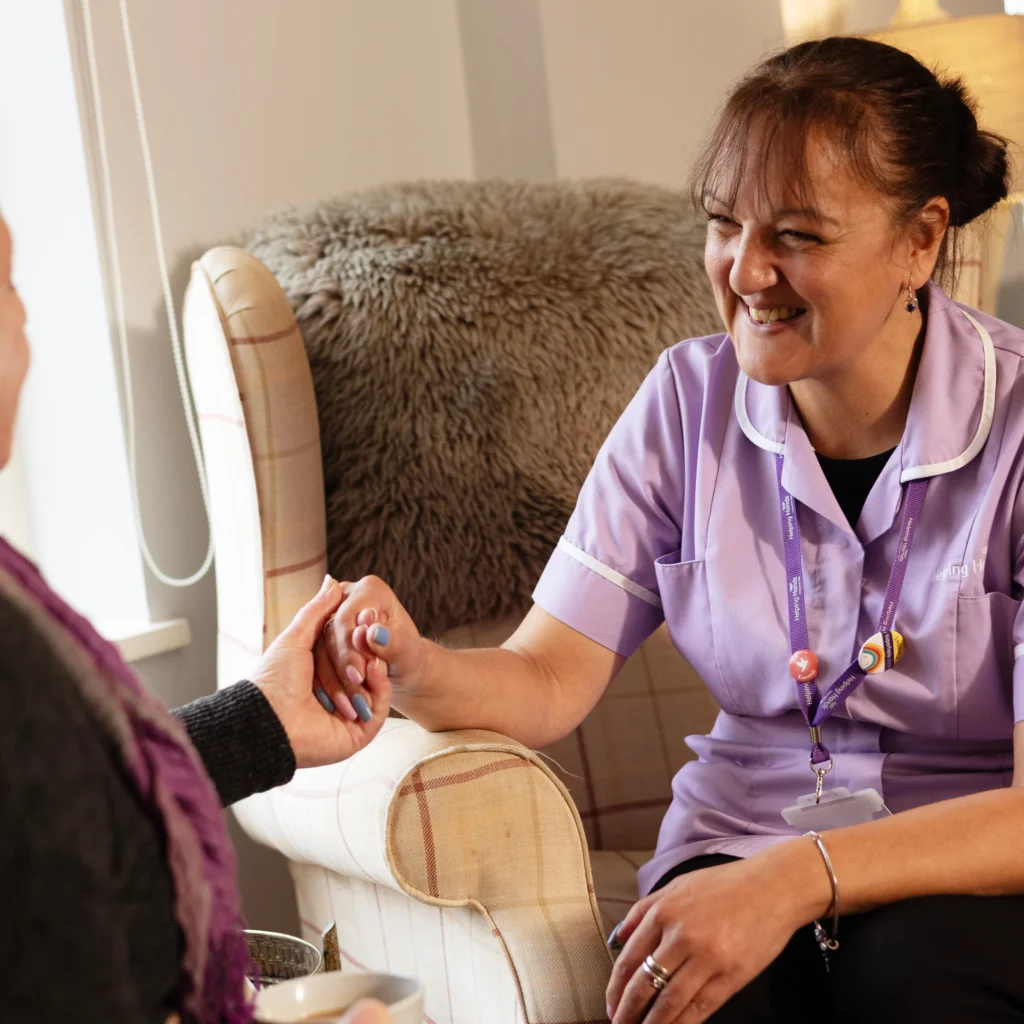
This is why we will take the time to sit with you and draw up a care and payment plan to help you receive the support you need without having to worry about costs. Whether you wish to have care for a few hours a week or 24 hours a day, we will find the right package for you, so you can remain at home without compromising your routine and independence.
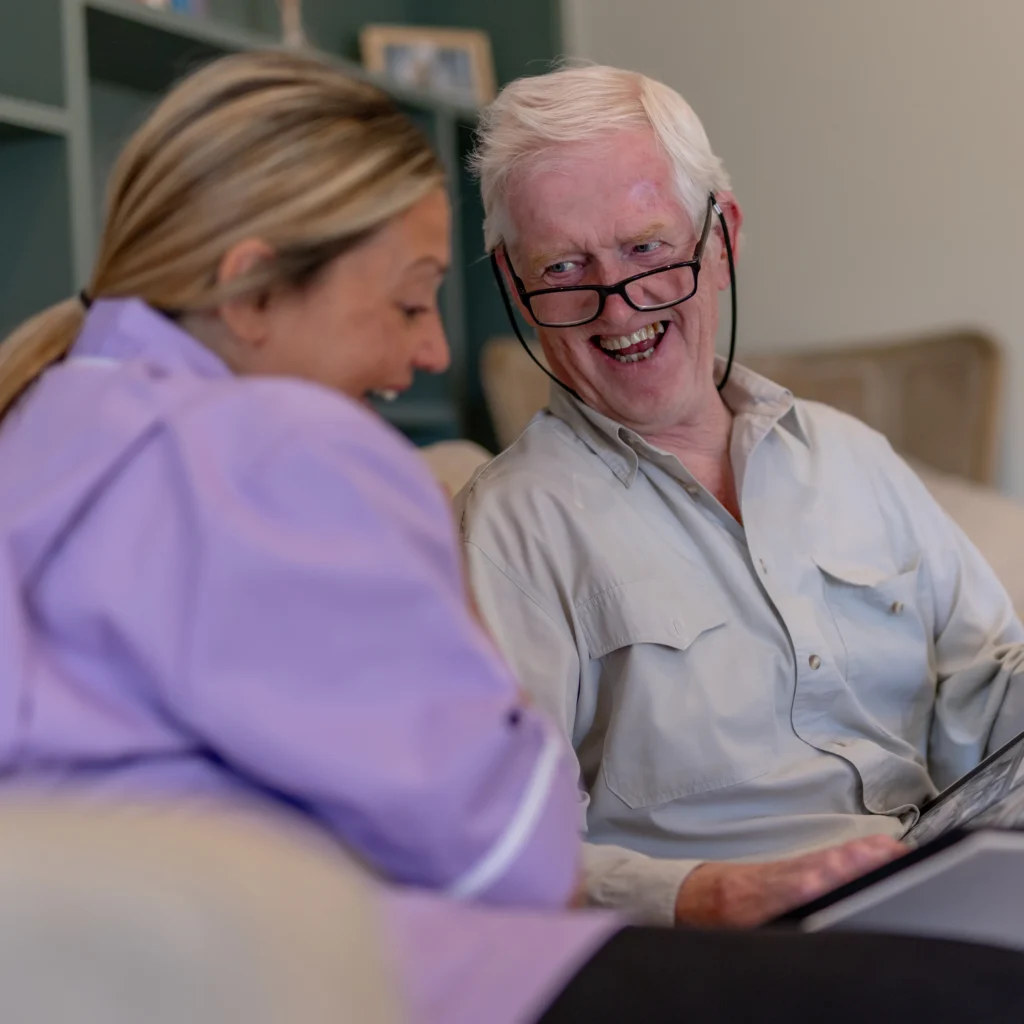
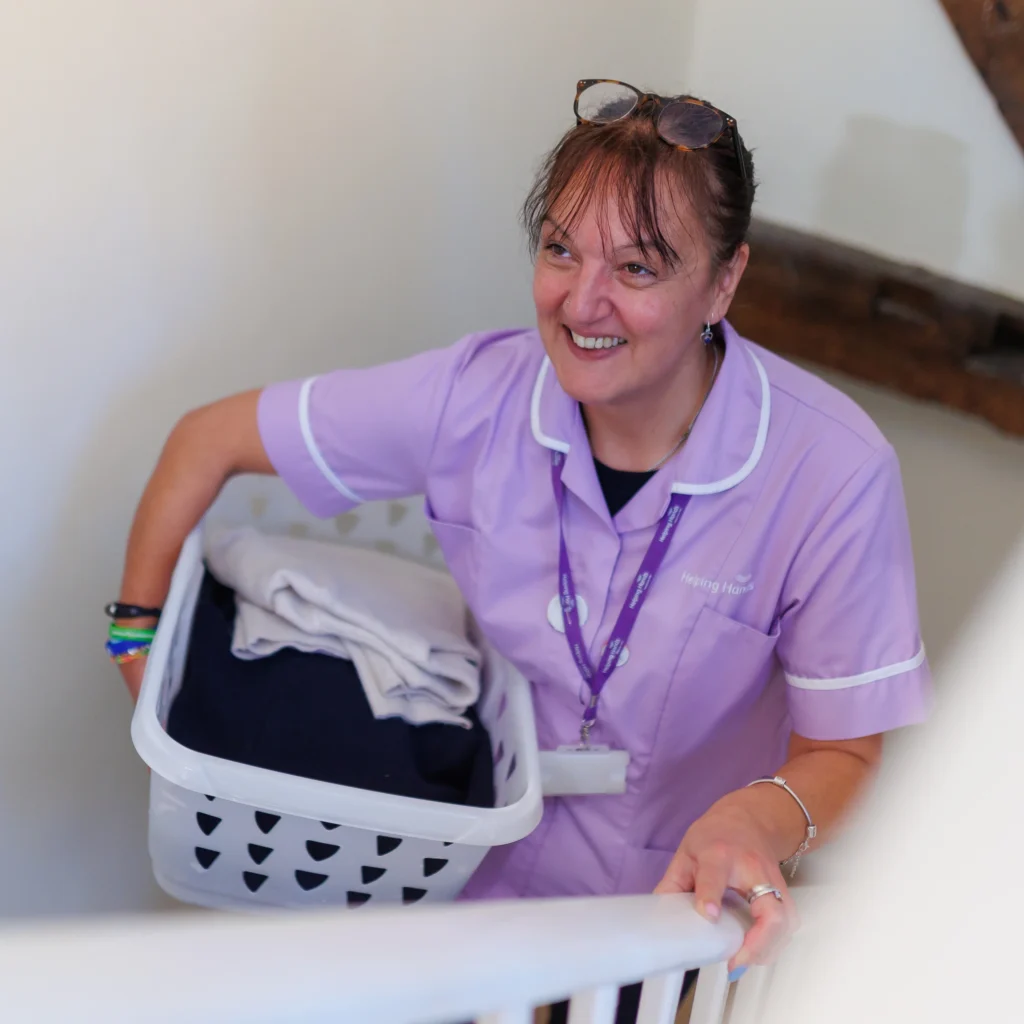
Our compassionate carers are fully trained to provide you with exceptional care. They can help you with the laundry, stack the dishwasher, accompany you to community classes and more importantly, provide companionship. Rest assured, you’ll receive high-quality, person-centred care, so you’ll be in good hands.
At Helping Hands, we like to be upfront about our prices. Here’s a little more information.

Visiting care

Live-in care
Respite care
Is self funding homecare cheaper than a care home?
This will depend on the type of care you choose to have, but receiving care at home is very cost-effective.
Visiting care at home can be cheaper than moving into a care home. You have the flexibility of choosing when you need care and have the benefit of staying at home – something which a residential care home is unable to offer. With live-in care, you may find yourself spending a little more than relocating to a care home. However, if you and your partner wish to receive care at home, you may find yourself paying less than a residential care home. Plus, you’ll both be able to remain together in the home you share so many special memories. You’ll also be in a familiar environment, close to your beloved pets and able to sleep in your own bed – nothing can put a price on that.
Arranging self funded care
Arranging self funded care can be daunting, but we have broken it down into three simple steps.
Speak to our team
Our friendly, knowledgeable team can answer your questions and talk you through your options. We are available 7 days a week.
Book a free care assessment
Your local Helping Hands care manager will visit you to understand your needs and preferences and discuss how we can help. We can visit you at home, in hospital or even a care home to carry out the care assessment.
Confirm your care package
We create a tailored care plan for you to review. Once you’ve agreed the plan, we can organise care in as little as 24 hours.