The SPECAL method in Dementia Care

What is the SPECAL method?
The SPECAL (Specialised Early Care for Alzheimer’s) method in dementia care is a unique approach, devised by the Contented Dementia Trust.
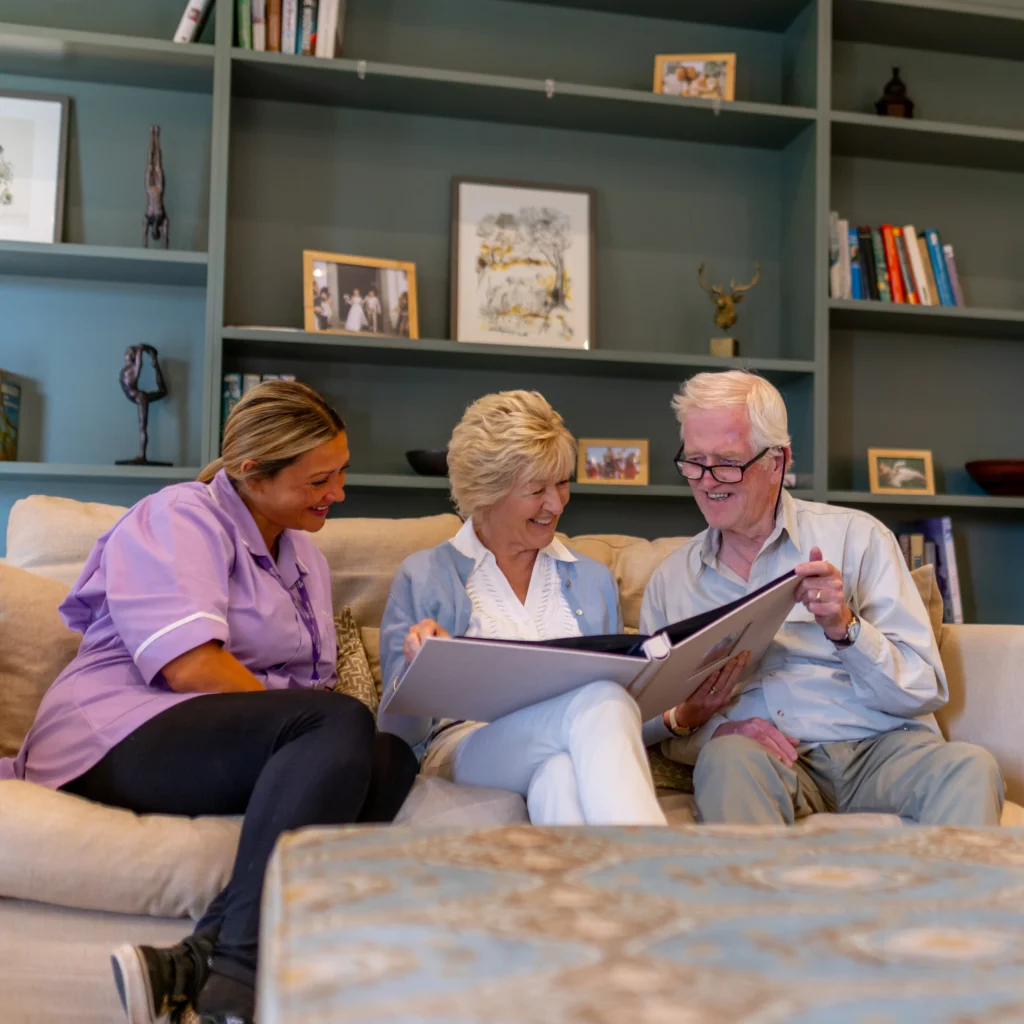
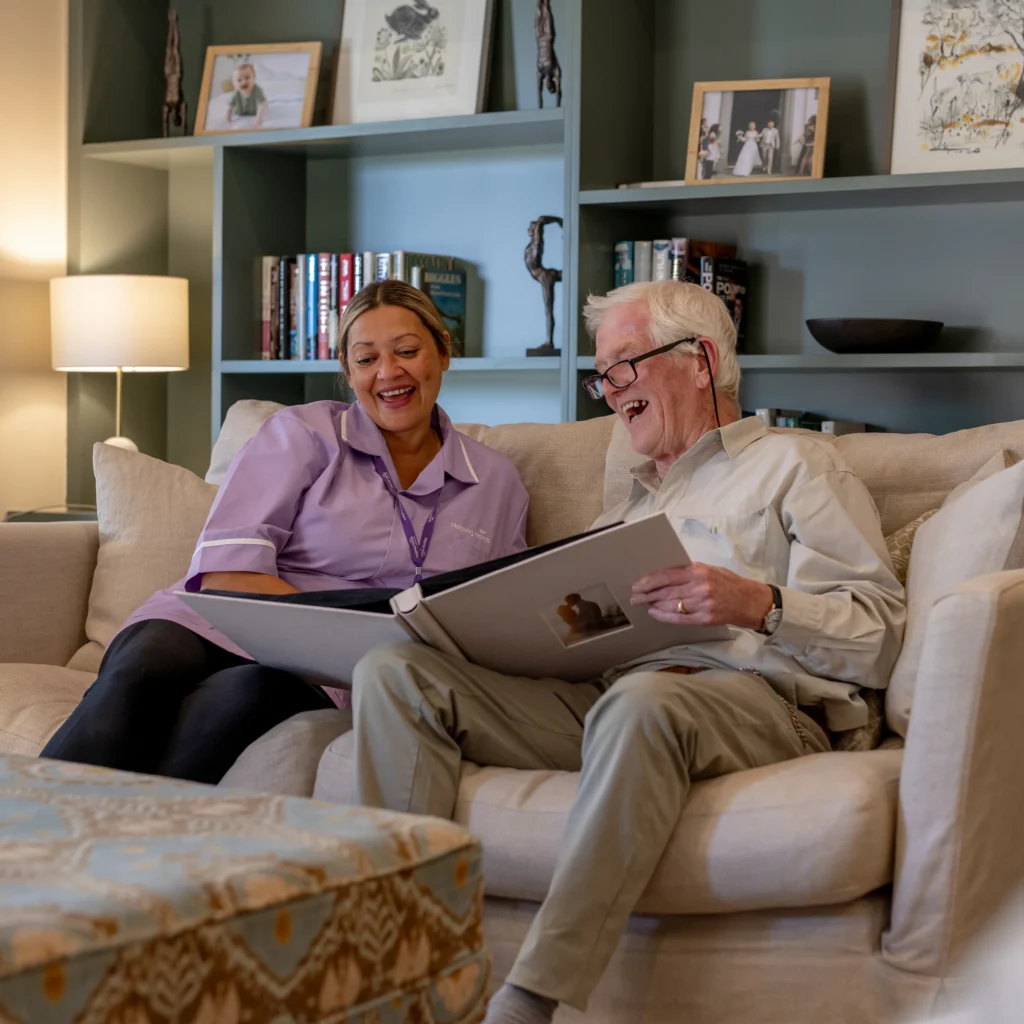
It focusses on maintaining an individual’s wellbeing “from the point of view of the person with the condition, which we call the SPECAL Photograph Album.” This ‘photograph album’ explains how normal memory works, what happens as we age and the changes that occur with dementia. This ensures that caregivers and loved ones gain a greater understanding of dementia through learning what the SPECAL method involves and the techniques it uses.
Because Helping Hands have been delivering exceptional visiting and live-in care since we were established in 1989, you can be sure that we’ll always offer the best for you and your family. We’re the UK’s biggest and best private home care company, and we’re also the most trusted, borne out by our 4000 Trustpilot reviews.
How can it assist dementia home care?
The SPECAL method can assist in dementia home care because it encourages a more person- centred care experience and a more structured routine. It is “unique, practical and effective” according to the Contented Dementia Trust, and is “tailor-made for the condition of dementia, whatever the cause.” It can also be learned by any caregiver and works with the person’s dementia, rather than trying to make the person mould into something counter-intuitive.
The SPECAL method has been shown to:
- Increase the person’s confidence
- Reduce the need for medication
- Enable them to remain living at home
- Minimise distress and anxiety

What are the three golden rules of SPECAL?
Called ‘SPECAL sense’, which is designed to reduce stress for the person with dementia and everyone around them, the three golden rules require caregivers and others not living with dementia to learn an entirely new way of communicating. The rules are:
Don’t ask direct questions– Asking someone living with dementia to try and locate information that they no longer retain will only cause them anxiety and confusion.
Don’t contradict– Let the person dictate what information they access at their own pace. How they remember things will be different to people who don’t have dementia.
Listen to the expert– The person themselves are living with dementia and know how it feels better than anyone else. It’s important to get inside the person’s reality when they’re living with dementia.

The photograph album analogy
Seeing the person’s memories as an internal ‘photograph album’ can help caregivers to understand more about the person’s reality and how they access and process information. For instance, telling someone who’s continually asking for their husband that he’s died will be traumatic and cause them to relive their loss over and again. Some people may feel it’s being untruthful, however a small ‘white lie’ is much kinder than reminding them of their loss and they’ll quickly forget that they’d asked. The person’s anxiety will be reduced because the brain retains feelings and emotions even when affected by dementia, as these are managed by a different area than memory retrieval. The emotional attachment they had to their husband will still be present, even when most of the memories of their life together will have been lost. By following the three golden rules, people can diffuse difficult situations before they escalate and help the person with dementia to live as well as possible.
Would visiting or live-in care suit you better?
We offer both visiting care and live-in care services to suit your needs

Visiting care

Live-in care
Where did the SPECAL method come from?
The Contented Dementia Trust, formerly known as SPECAL, was launched by Penny Garner when she was working in a clinical setting in the 1990s. Charity of the Year in 2011, Penny and her team spread the SPECAL message to help as many people as possible better understand dementia from the perspective of the people living it. Their practice-based approach is centred around universal person-centred care and the subjective experience of dementia. The message is that anyone can learn the SPECAL method and consequently better support the people they care for who are living with dementia. One family member was quoted as saying that the SPECAL method was “like a lightbulb coming on. I suddenly realised what my mother was grappling with. Now at least I understand and can start helping her rather than trip her up.”

Hear from people with similar conditions
We love sharing stories from our customers about how our visiting and live-in care is supporting them.

Molly

Janet
Industry-leading Dementia Care with Helping Hands
Dementia care at home gives anyone living with dementia the most person-centred form of care possible. We specialise in industry-leading dementia care that is built around our customers and the levels of support they need. Our amazing carers will give you the confidence to continue living at home and will ensure you get to remain as independent as possible.
Dementia care at home ensures you can spend every day surrounded by the people and pets you love, the possessions you value, and the memories you cherish. Remaining at home means that, as your dementia progresses, you won’t have to move into unfamiliar surroundings, compounding your confusion at a time when it needs to be minimised. Your routines will always be respected and carried out with the minimum of disruption, regardless of how often or how much you need us.
Very friendly, helpful and experienced. They are a lifeline for my Mum who has Alzheimer’s. I would recommend them with no reservations to anyone seeking care for those in need.
Andrew, Trustpilot review