


Warning signs your parent may no longer be safe living alone
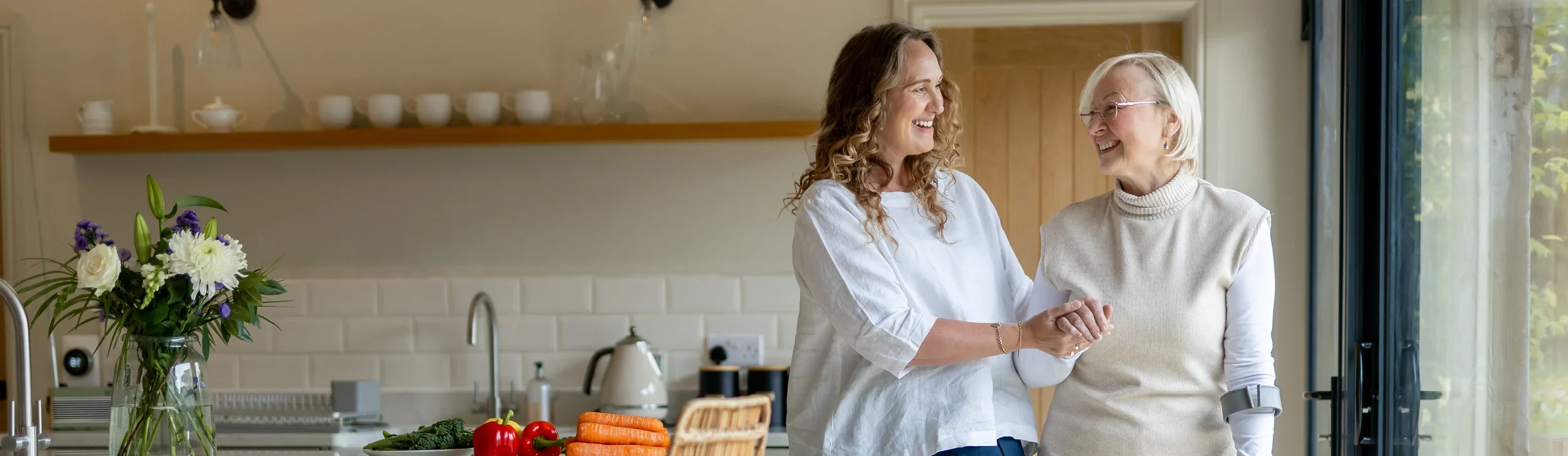
Signs Your Parent May Be Struggling to Live Alone
No-one ever wants to admit that they can’t manage at home, and it can be especially difficult for older people who have maintained a home and family for years. While they may try valiantly to hide any difficulties from their loved ones, there are obvious signs that they’re not coping well. This includes the house being untidier than usual, changes in personal hygiene, or medications not taken.
Physical signs to look out for
You might find that the person is not keeping themselves as clean as they once did, leading to obvious body odour. Their clothes may also be soiled. Their medication may also not have been taken, or you may find it in unusual places.
Changes in behaviour
The person may be forgetting regular appointments, activities, or when to take medication. They may be trying to hide their inability to cope from family and friends, leading to obvious changes in behaviour.
Problems around the home
Keeping the home clean and tidy is often the first thing that the person may struggle to manage. Noticing that jobs such as vacuuming, dusting, and washing up aren’t be done is a sign, as well as laundry and changing beds.
How to Assess the Risks at Home
Examining the home to see if your parent is managing should be done carefully, so as not to alarm them. They may not appreciate having their judgement challenged and whether they’re coping queried. After all, they’ve always managed their own life, as well as a home and family, and may react angrily if they feel that’s being questioned. Approaching the subject calmly is key to a good outcome.

Talking to Your Parent About Your Concerns
Choosing a moment to talk about a difficult subject isn’t always easy. Your parent may react angrily and accuse you of interfering, claiming they can manage perfectly well. This is usually caused by fear of losing their indepdenece or worry that they’re going to have to leave their home. Reassuring them that they will remain in control of their choices and you’ll be open and honest with them may help to smooth things over.

Ways to Help Them Stay Independent
There are many ways to help a parent stay independent at home. Asking for a care needs assessment from your local authority is a key step to getting equipment and other help at home.
Home adaptation equipment
Occupational therapists work with your assessment team to ensure your home is easier to use. This includes sourcing grab rails, handles, ramps, seats and telecare, and advising on stairlifts, home adaptations and other equipment.
Personal alarms and telecare
Telecare services are systems that connect individuals to healthcare providers digitally. This enables the person to be remotely monitored – via a pendant or watch device they wear on the body – offering assistance if they fall, for instance.
Home care visits
Home care means you continue to live at home while carers come to help your daily routine. Helping Hands have been supporting people to remain as independent as possible at home, on a visiting and live-in basis, since 1989.
When Living Alone Is No Longer the Right Option
There may come a time when your parent cannot safely continue to live alone, but that doesn’t mean they have to leave the home they love.
Live-in care
Having a carer living with you gives everyone in the person’s life peace of mind. They’ll undertake housework, personal care, laundry, medication, food preparation and every other aspect of their daily routine, while making sure they’re never alone throughout the day and at night.
Sheltered or assisted living
Sheltered accommodation is halfway between living at home and a care home. Helping Hands support many people who live in sheltered accommodation, offering hourly visits as often as they need them. We also provide assisted living when care needs are more complex.
How Helping Hands Can Support Your Parent at Home
Because we’ve been supporting people to live independently at home for 37 years, we’re considered the UK’s home care experts. Trusted across England and Wales to provide support for people living with complex and lower-level needs, we offer support on both a visiting and live-in care basis, all fully regulated by the Care Quality Commission and Care Inspectorate Wales. Our carers can undertake every aspect of your parent’s routine, such as personal care, continence support, laundry, mobility, and medication administration. This means that they continue living in the place that means the most to them, and which also means a lot to you, in comforting and peaceful surroundings.

The benefits of home care
Unlike residential care, home care is carried out in the comfort of your own home. It allows you to have
the support you need without the disruption of moving into a care or nursing home.
You can remain in the comfort of your own home
You have full control over your meal times and preferences
One-to-one, 24-hour care from your own dedicated carer
You can continue with your preferred lifestyle and routines
Your friends and family can visit as much as they like
FAQs
You’ll most likely notice physical and behavioural changes, as well as problems around the home. This might include personal care issues, laundry not being done, housework ignored, and medication not being taken.
Contacting your local authority is the first step in securing a home care assessment. The results of this will tell you and your parent what help is available and whether the local authority will fund your care.
Everyone is different and some people will prefer to go into a care home than continue living in their own home. The choice should always be yours though and you should have all the necessary facts before you make an informed decision.
The person may be resistant to having care, believing it’ll be uncomfortable to have a stranger in their home. However, our carers are all dedicated to making their customers feel as at ease with them as possible. They’ll use their friendly demeanour and professional expertise to reassure the customer and their loved ones that we’ll always put them first.
If you think you could benefit from regular visits, please get in touch with a member of our team who will be happy to assist you in arranging care for your family member.
Page reviewed by Honor Elliott, Clinical Manager, on August 3rd 2026.
How we wrote this page
This page has been produced referencing key insights and data from external experts, trusted medical sources and our team of in-house specialists. We have worked hard to ensure that all information is as accurate as possible and reflects current consensus at the time of writing and reviewing.