Fun Indoor Activities for Elderly People on Cold Days

Why Staying Active and Engaged Indoors Matters for Older Adults
Some people love nothing more than a frosty walk at the first sign of the white stuff, however if you’re more of a ‘staying indoors with the heating on’ kind of person, you still need stimulation to prevent you getting bored. This is where fun indoor activities come in! Staying active and engaged indoors matters more for people who can’t – or choose not to – go outside, as all of your physical and mental motivation will come from what you can achieve indoors.
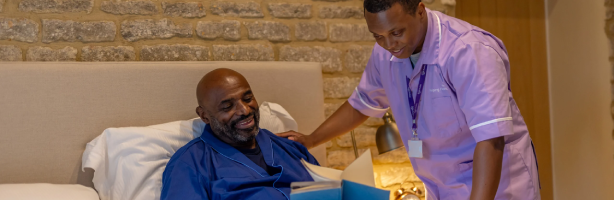
Having someone by your side who will encourage you to remain active and help you to achieve your goals is key to remaining active, and that’s where our compassionate Helping Hands carers come in. They can be with you as often or infrequently as you need them, from an hour a week to around the clock, making sure you get to live your best life possible at home.
Gentle Physical Activities That Can Be Done Safely Indoors
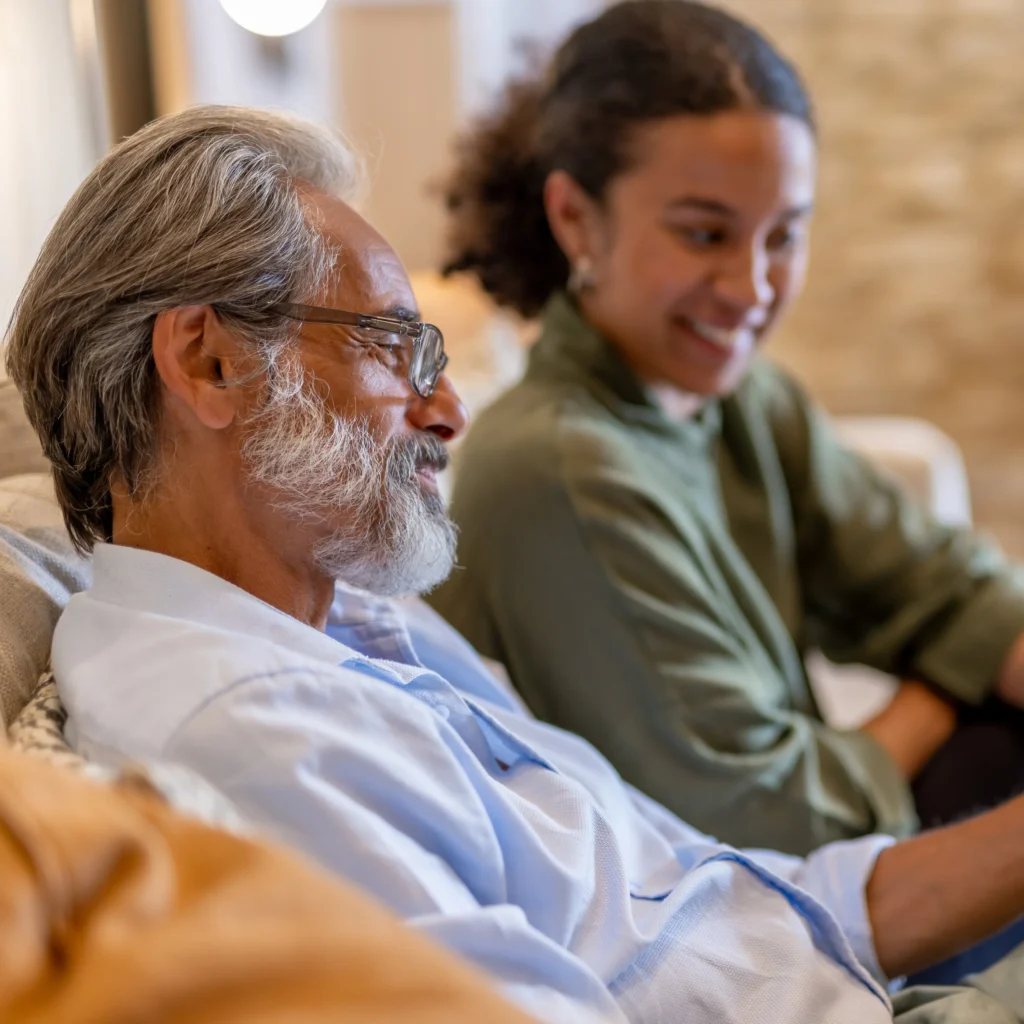
The British Heart Foundation says “Being active can help you feel better and it’s a great way to boost your immune system. If you can’t get out, you can still get moving with our selection of indoor exercises.” These include:
Strength exercises using everyday objects, such as using a bottle of water or a loaf of bread as resistance.
Chair-based exercises that can be done in front of the television. This will help to prevent injury too.
Chair-based yoga that will minimise stress on your joints. There’s evidence it can help with mental wellbeing too.
10-minute living room workouts will use just 1% of your day, but benefit your wellbeing greatly.
Creative and Craft-Based Activities for Mental Stimulation
Creative and Craft-Based Activities can help stave off boredom, keep you occupied, and promote mental wellbeing. Some activities include:
Life story books: Looking back over comforting memories can be a lovely activity. Copy photos for sticking onto pages, along with items that relate to that memory. Your carer will be able to help you copy and print items.
Colouring: Colouring isn’t just for children. It’s recognised that colouring can help adults with mindfulness, aiding stress relief. Colouring patterns and pictures is creative and relaxing at the same time.
Nature collages: If you can’t get outside, why not bring outside in? Your caregiver or loved ones will be able to bring you photographs of favourite scenes, leaves for rubbing, or twigs. Then make a picture or scrapbook scene.
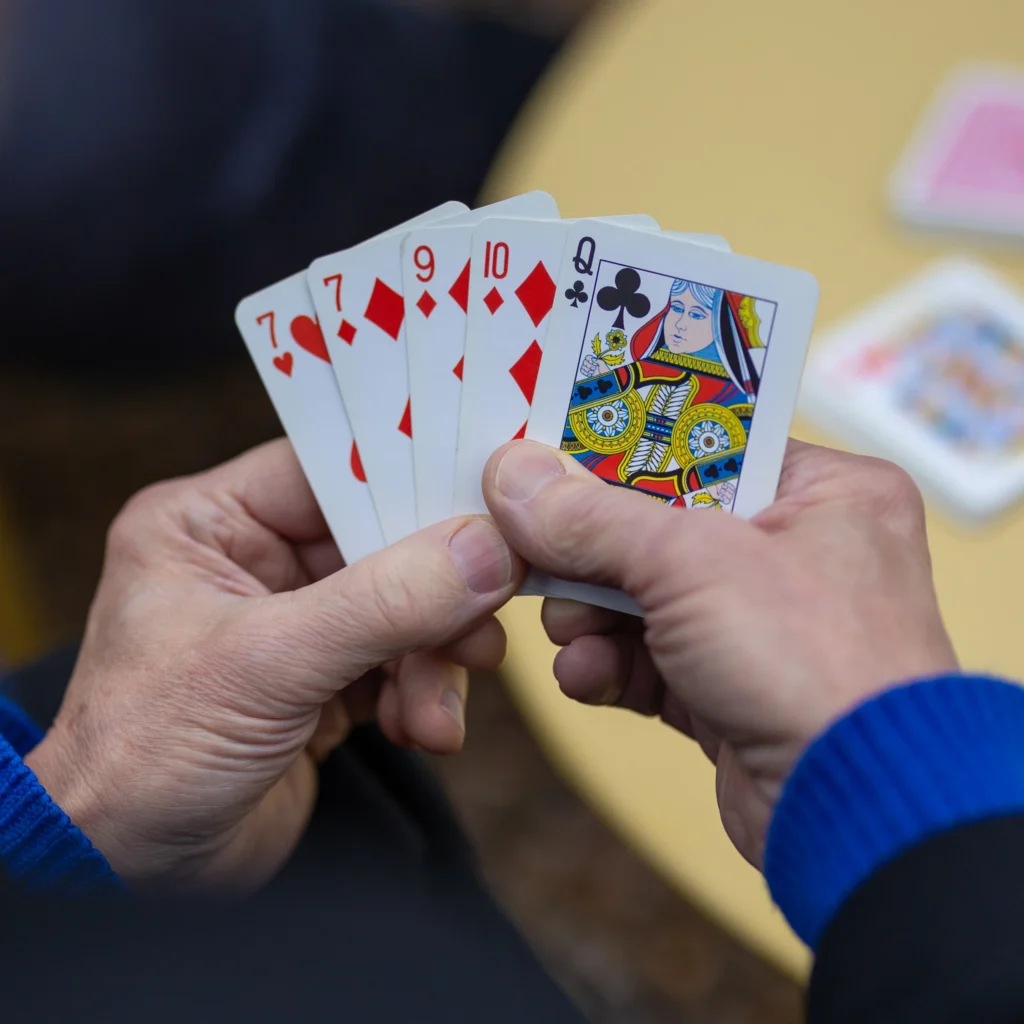
Cooking: If you’ve got winter veg growing in your garden or a balcony tub, why not use it to make a hearty stew? Your caregiver will help you to prepare such a dish that will be full of nutrients and vitamins.
Games and Puzzles That Support Cognitive Health
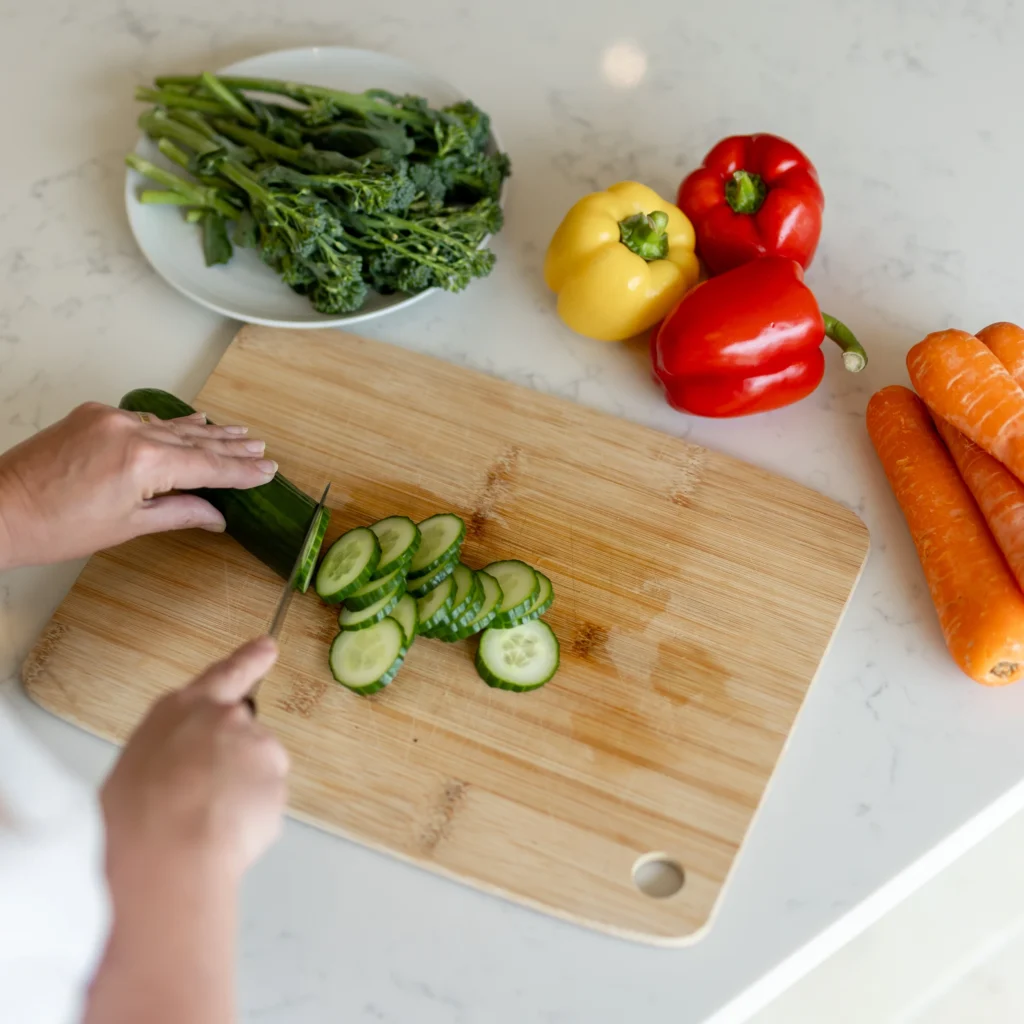
Games and puzzles are great ways to fill the long winter evenings while we wait for the days to get lighter. You could consider:
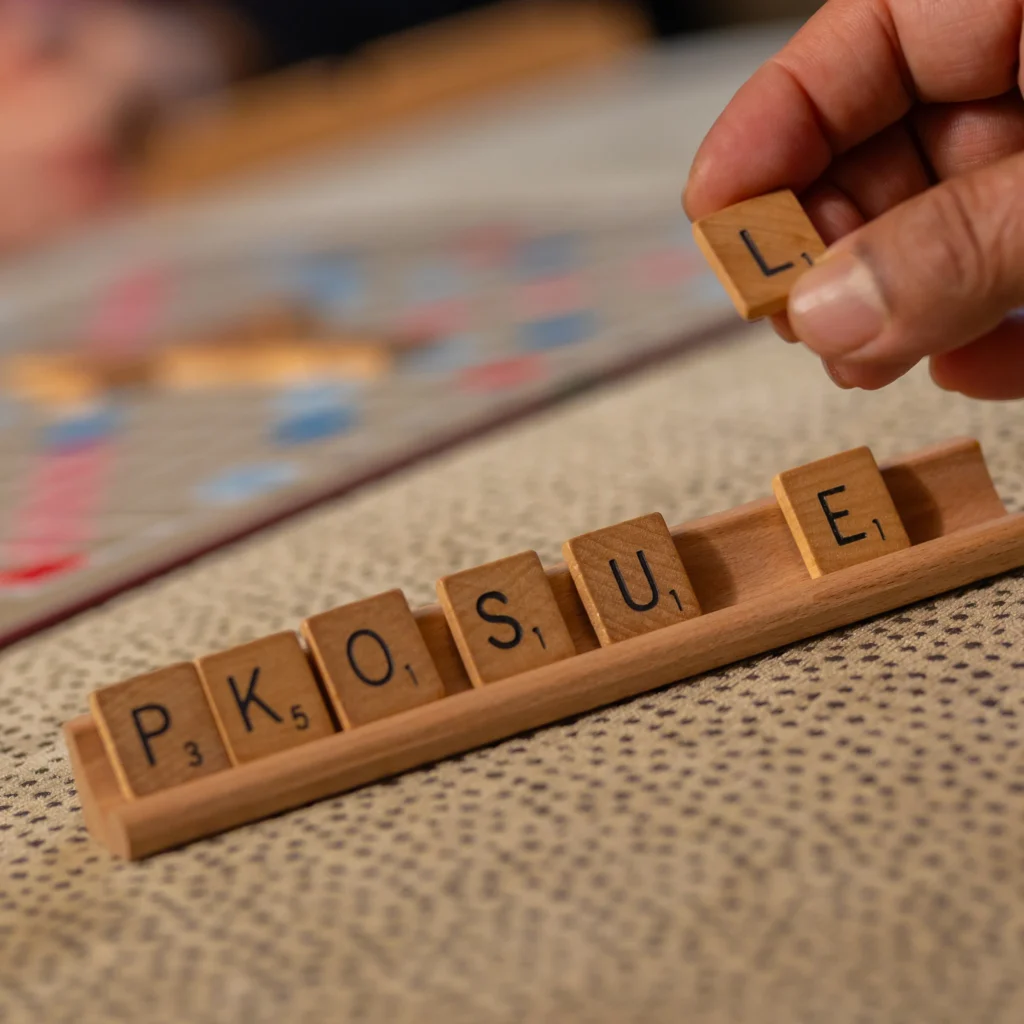
Boardgames: Two or more players can usually make a good go of a board game, and some are very good for promoting mental wellbeing. These include, Scrabble (for spelling), Guess Who (for memory), and Cluedo (for cognitive stimulation).
Phone-based games: If you have a smartphone, you may already play games on it, but considering some like Solitaire or matching games can ensure that your brain gets a workout that will benefit cognitive health.
Puzzles: Doing puzzles of favourite scenes, or places you hope to see one day, is a pleasant way to spend time on a cold day. You and a companion can sit in a warm room, watching the snow or frost outside, while completing a sunny scene.
Crosswords: Crosswords are great mental stimulation that encourage the brain to really stretch itself, especially the cryptic sort. Problem-solving puzzles will help to keep the brain active; after all, use it or lose it!
Social and Conversation-Based Activities to Reduce Loneliness
Loneliness and isolation are very real risks for older people, and one way to avoid this is by joining groups. If you are housebound though or not keen to go out, somethings can be joined online. While it can be more difficult to join in if you’re not in the room, apps such as Zoom have made it easier to be there without being there!
Exercise: Many people know that YouTube and other platforms host exercise classes for seniors, but some organisations, such as Action for Elders offer the opportunity to join a livestreamed class that will make you feel like you’re really there.
Chat groups: Many people are afraid of chatting online with people they don’t know, yet there are groups that claim to be closely monitored so that participants remain safe. These include groups such as Senior Chatters.
Music, Memory, and Reminiscence Activities for Emotional Wellbeing
If someone is living with dementia it can be even more important to try reminiscence therapy, as it may help to stimulate memories that are ‘locked away’. However, even if a person isn’t living with a life-limiting condition it can really boost serotonin levels to look at pictures of happy memories and a life well-lived.
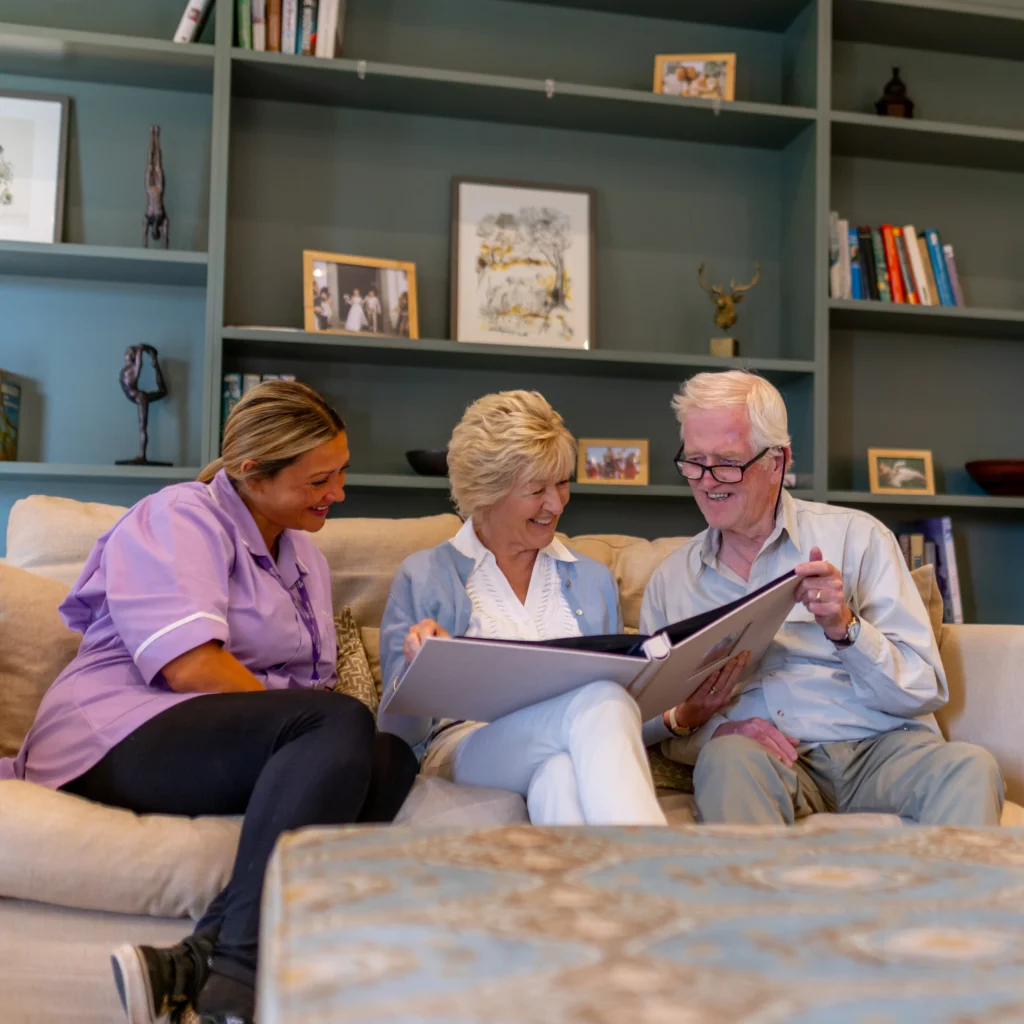
Photo albums: Chatting with a loved one or caregiver about precious memories can often boost mental wellbeing and help alleviate loneliness.
Listening to music: Music can be a great reminiscence tool for people of any age, but for older adults it means revisiting a happy time in their life.
Singing: You don’t have to be an opera star to enjoy singing aloud! Whatever the type of music, singing songs you like can really boost wellbeing.
Watching old films: Whether they’re home movies of your younger years or you enjoy watching black and white classics, sitting in front of the TV can be enjoyable.
Adapting Activities to Different Abilities and Interests
Having a chat with local organisations such as Age UK will let you know what ‘virtual’ activities are available in your area. Even if you don’t want to leave the house, there are plenty of groups who put events online, or who offer befriending or volunteering services. This means that you will be able to have someone coming to your home, even if your family live some distance away. Having someone’s help to keep you occupied will also ensure the activity is adapted to suit your needs, for instance making sure the volume is high enough or logging onto a virtual group.
How Caregivers Can Encourage Participation Without Pressure
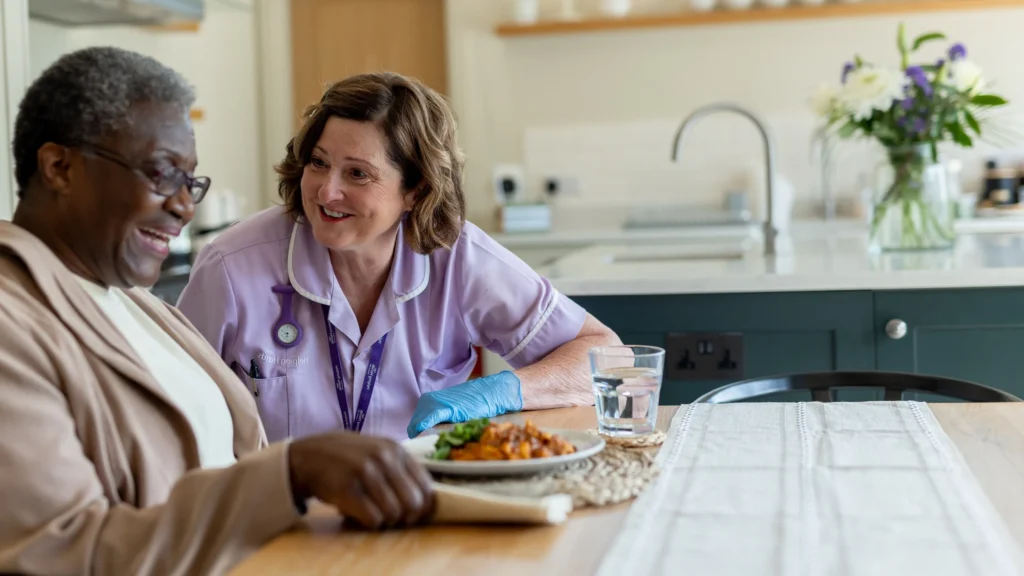
Helping Hands carers are trained and experienced in encouraging you to live your best life in the home you love. We make sure you live as independently as possible, being there for you without overstepping boundaries, which means you always retain control of your own life. Your personalised care plan will detail your routine and how best we can support you with it, whether you need us for an hour or two a week, or around the clock. We’ll complement your lifestyle and encourage you to participate without pressure.

Expert Elderly Care with Helping Hands
Having a Helping Hands carer living in your home will mean you’re never at risk of isolation, as there’ll always be someone who will be on-hand to play a game, or dance around the living room with you! They’ll also be there for all the practical tasks around the house that you might be struggling with such as personal care and housework, as well as making sure you eat well and take your medication on time. Explore elderly care with us today.