The Mental Health Benefits of Dry January

What Is Dry January and Why It Has Gained Popularity
According to the NHS, “Dry January is an annual challenge that encourages people to give up alcohol for the entire month of January.” It has gained popularity because people often think about their health after the excesses of the festive season and decide to focus on detoxing their bodies. This year, research has shown “that 15.5 million Brits are planning to take a month away from alcohol.”
Abstaining from alcohol can be highly beneficial for the whole body, as well as for a person’s finances. General health may improve, you may have better sleep and more energy, and your immune system may be better for it. This is where Helping Hands carers can be invaluable. They won’t just focus on your physical wellbeing, they’ll also encourage you to keep up your good habits and support you with your goals.

The Connection Between Alcohol and Mental Health
The reasons people drink excessively are complex and personal to the individual. Perhaps they drink to cope with stresses and worries in their life, to cope with loss, or to blank out past traumas. Other people drink excessively because they enjoy the social aspects of alcohol and go along with what their friends or family members do. Alcohol can make you feel less anxious at first, perhaps after a drink or two, but this is because “Alcohol affects the chemicals in your brain – slowing down (depressing) how your brain and central nervous system functions” according to Bupa.

How Taking a Break from Alcohol Can Improve Mood and Emotional Balance
The chemical changes in your brain caused by alcohol can induce negative feelings, such as depression, anxiety, aggression, or anger. This means that, while you may feel elevated and more confident when you first have a drink, it can quickly have more negative effects on your wellbeing, and the people around you. “This is because alcohol affects the neurotransmitters in your brain” says Bupa. These chemicals make sure messages from one nerve to another are sent, but alcohol stops them from working properly, which will impact negatively on your mental wellbeing.
Improved Sleep and Its Impact on Mental Wellbeing
Improved sleep quality can have a huge impact on mental health. It can boost concentration, minimise risky behaviour, and reduce the likelihood of negative emotions.
Reduced Anxiety and Stress Levels Without Alcohol
Cutting alcohol consumption can reduce anxiety and stress through embracing lifestyle changes. This includes regular exercise, meditation and deep breathing, and embracing new hobbies.
Increased Mental Clarity, Focus, and Daily Motivation
Reducing alcohol will help support mental clarity by increasing sleep quality, supporting daily movement which increases oxygen to the brain, and encourage better nutrition and hydration.
How Dry January Can Encourage Healthier Long-Term Habits
According to BBC Good Food, “Giving up alcohol for a month may aid weight loss and lower blood pressure” in otherwise healthy individuals “who usually drink at moderate to high levels.” While experts recommend reducing alcohol consumption throughout the year, not just during January, abstaining for a month can help you to look at your drinking patterns more objectively and observe how living without alcohol makes you feel in yourself.
Caution should always be exercised towards dry January and other campaigns that encourage short-term change. It shouldn’t for instance, be used as a one-off ‘detox’ that makes you think you can resume drinking large quantities of alcohol afterwards without consequences to your overall physical and mental health. However, if you use such campaigns as a springboard for intentional and sustained change, they can certainly be beneficial. Many people just need that ‘push’ to begin adopting healthier choices and if friends and colleagues are also taking part it can offer a strong support network.

Tips for Maintaining Mental Health Benefits Beyond January
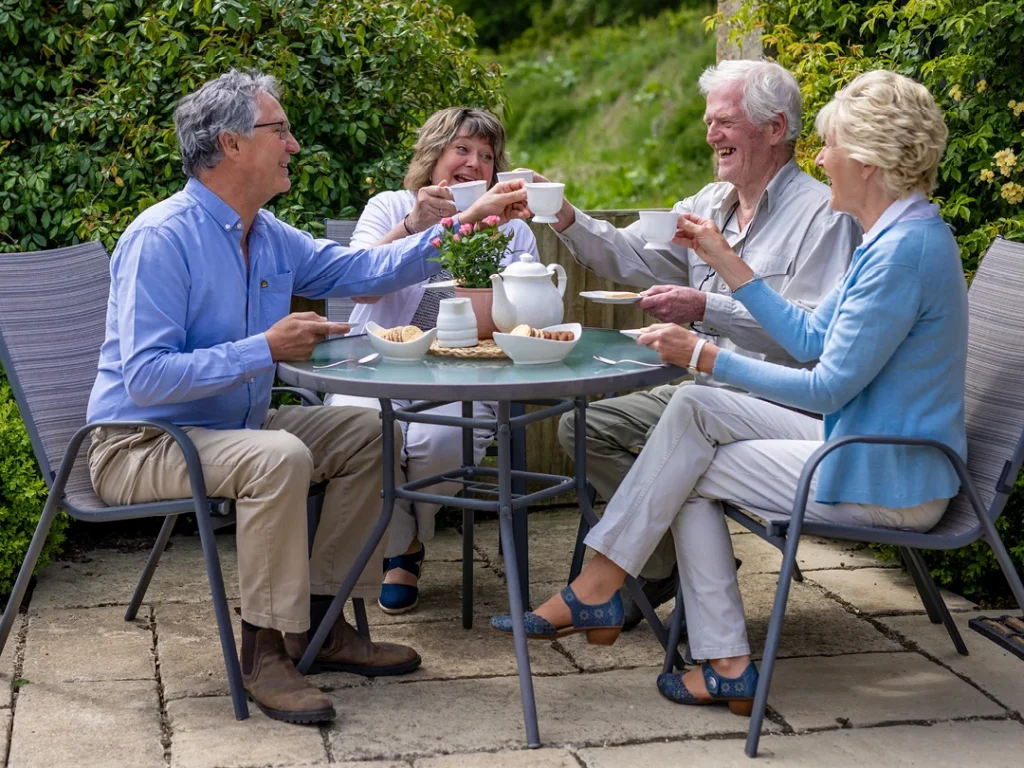
Taking part in campaigns such as dry January can make you look at your overall habits and force you to confront your lifestyle choices. Reducing alcohol may make you think you’ll limit your social interaction if your usual activities all surround drinking, however that definitely doesn’t have to be the case. You can still enjoy nights out by choosing ‘mocktails’ or other alcohol-free drinks, but if you want to avoid pubs due to their overall temptation, why not join a yoga class or meditation group with the money you save?
If you’re anxious about joining something new or you aren’t physically able to get there, why not attend with the help of one of our amazing carers? We offer support on both a visiting and live-in care basis, meaning that you can get all the support you need to find a new wellness initiative and someone to encourage you to keep going when you have a little wobble!