


A complete guide to companionship care

What is companionship care?
Companionship care provides a vital lifeline for older people who may be struggling with their independence and experiencing social isolation. If you’re wondering ‘what is companionship care’ and whether you’d be suited to delivering it, read on as we answer some important questions!
- Why is companionship important?
- Importance of companionship for elderly people
- What does a companion for the elderly do?
- How to become a companion for the elderly in the UK
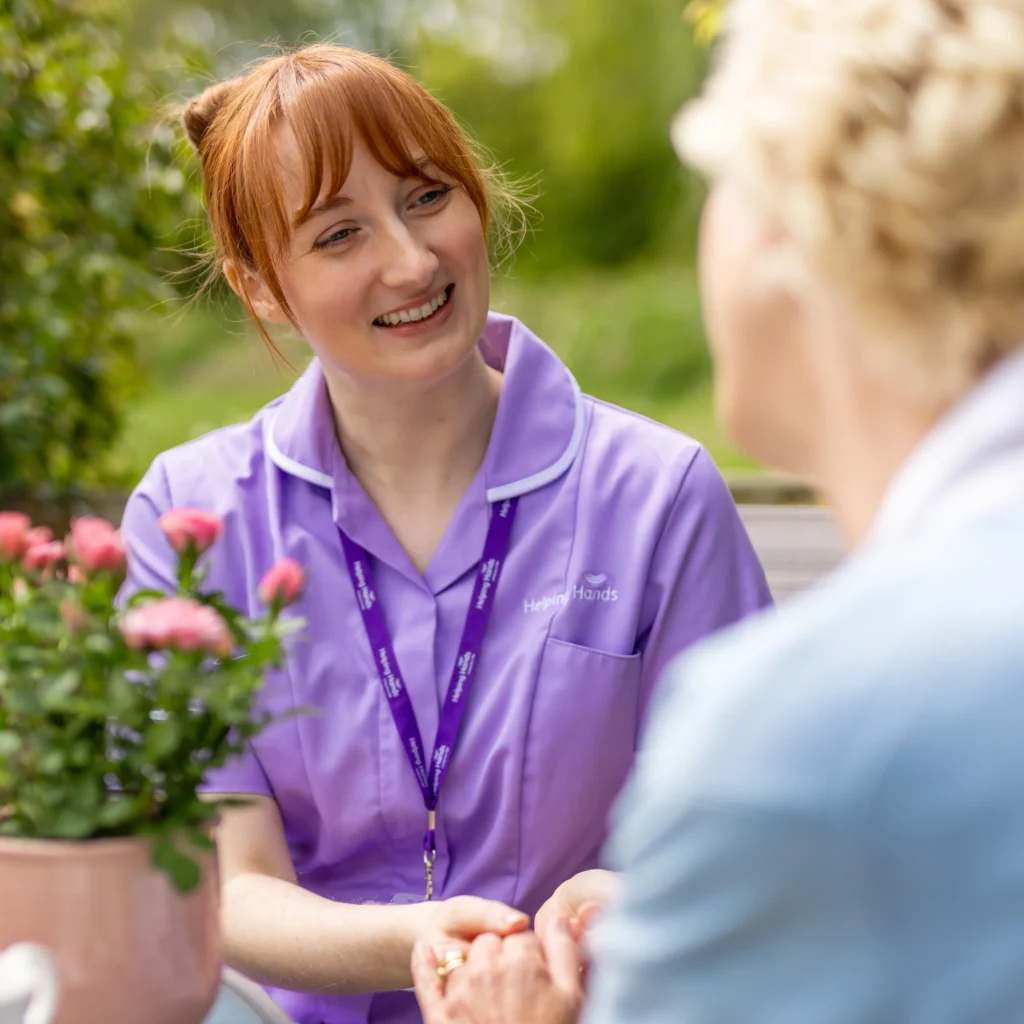
Why is companionship care important?
Companionship care is important because it enables people to remain living in the home they love while avoiding becoming isolated. Loneliness and social isolation are, according to the Campaign to End Loneliness, “considered by many to be one of the largest public health challenges we face.”
Loneliness and social isolation have an enormous impact on people’s physical and emotional wellbeing especially amongst older people, so having someone going to their homes regularly or even living in, is a real lifeline. Loneliness and social isolation are often thought to be the same thing but they’re not. “Loneliness is linked to social isolation but it is not the same thing. While loneliness is an emotional experience, isolation is a lack of social contact.”
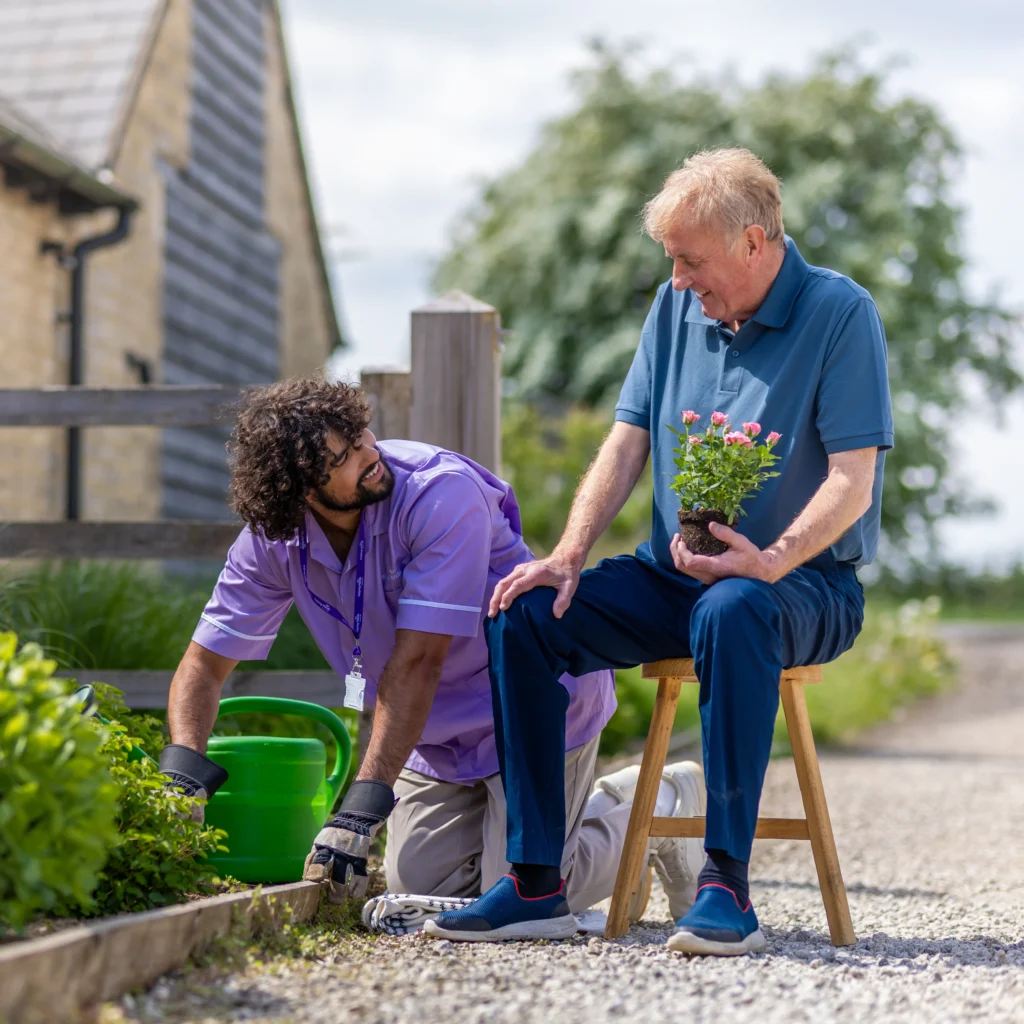
What does a companion for the elderly do?
What don’t they do? As a companion carer for an elderly person, a carer may help with housework, personal care, medication or meal preparation, but primarily, they’re there to prevent someone feeling lonely. This may also take the form of helping the customer to get out of the house more and enjoy activities that their community has to offer. While the majority of our companionship carers do undertake other household tasks as well, the main duty will be to keep their customer company. Offering companionship, a friendly cuppa and an enjoyable chat.

What makes Helping Hands companion care different?
For a start, we only pick the very best people to become our carers, which means our customers are always in expert hands. We also have industry-leading training and assessment that is all conducted in-house, meaning we retain consistency and employ our own knowledgeable trainers. We carefully screen our carers and ensure that only the most compassionate and competent people are selected to work for us. The main reason that we’re the UK’s most trusted home care provider though is simply because we care from the heart about others’ wellbeing, a value that is shared by every single person who works for Helping Hands.
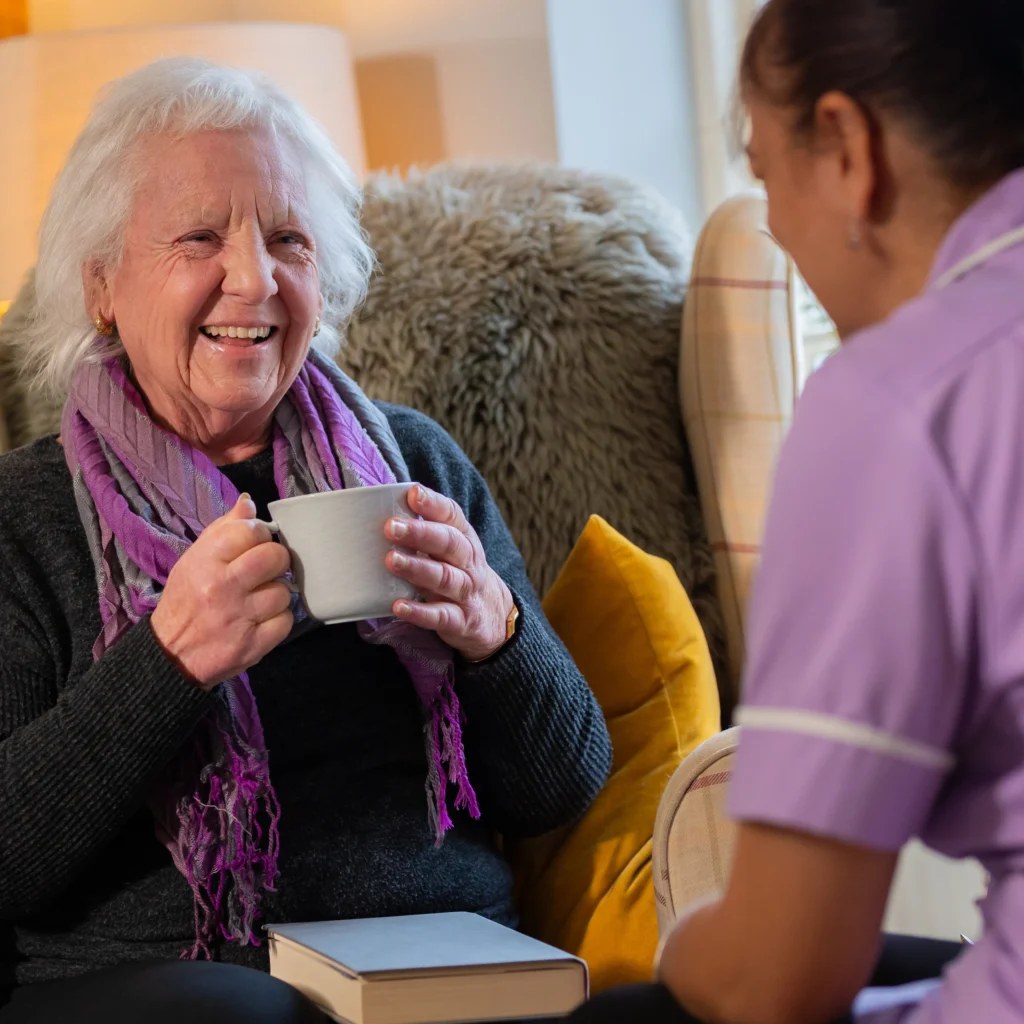
The relationships I establish with my customers are very rewarding. I love the fact that my customers look forward to my visits and that the care I provide makes their lives a little easier.
George, Carer

The benefits of companion care
Companion care is a wonderful solution when loved ones are concerned that an older person is often alone, perhaps after the passing of a long-term partner. Keeping someone company and caring for their wellbeing is one of the most rewarding things anyone can do, but distance often prevents families from doing so. This is where our amazing carers can make such a huge difference to people’s lives by helping them to rediscover their enjoyment in life and get out and about to interact with others. Even if they’d rather just stay at home, a companionship carer will be there as often as the customer or their family wants them to be, or if live-in care, they’ll be with the person around the clock.

How to become a companion for the elderly with Helping Hands
Becoming a companion carer with Helping Hands might just be the best career decision a person ever makes! Whether you’re interested in becoming a live-in or visiting carer, the two roles can be considered side-by-side to make the decision easier for you. Our knowledgeable recruitment team can advise and guide you through the application process and beyond, so if you’ve a passion for helping others don’t hesitate to consider joining the UK’s best private home care company – Helping Hands!
There are just four simple stages to our recruitment process once you’ve applied, so what are you waiting for?
Invitation to interview
One of our recruitment team will contact you for an interview; remember to relax and be yourself
Pre-employment checks
You’ll need to undergo an enhanced DBS check and at least two references for suitability
Assessment days
After your interview, we’ll invite you to an assessment program at one of our regional centres