Counting steps for seniors – easy daily exercise
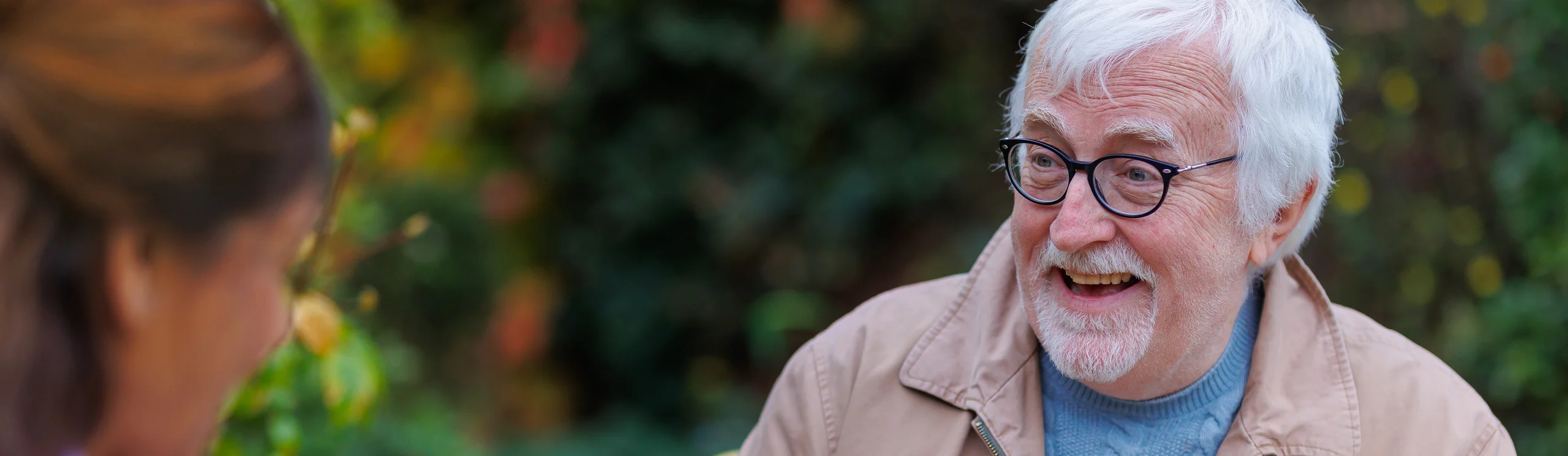
The benefits of walking for seniors
Walking boosts health, mobility, mood, and independence for elderly people.
AgeUK states that being active is especially important as we get older and our metabolism slows down, making us more likely to put on weight and lead to health conditions. Walking regularly is great for elderly people as it has multiple health benefits, like keeping your heart strong, reducing the risk of cancer, Type 2 diabetes, and dementia, and strengthening your bones. Furthermore, walking is proven to be good for mental well-being, says the Mental Health Foundation (MND).
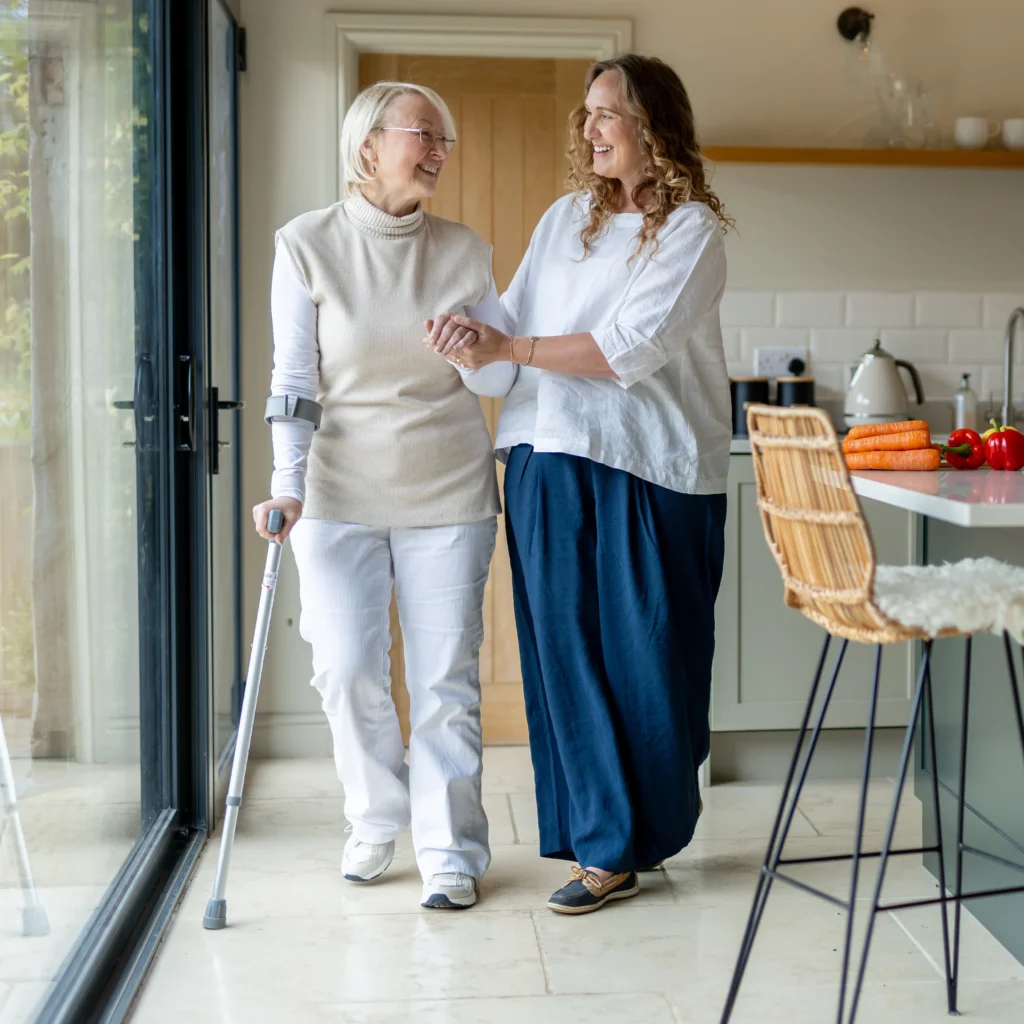
A few benefits of walking for elderly people include:
Improved cardiovascular health
The British Heart Foundation states that walking improves cardiovascular health in elderly people by strengthening the heart, improving circulation, and reducing blood pressure. It helps lower bad cholesterol while increasing good cholesterol, reducing the risk of heart disease and stroke. Regular walking also improves the oxygen delivery to your tissues. It also helps control weight, manage diabetes, and reduce inflammation, all of which contribute to a healthier cardiovascular system.
Increased mobility
Walking can improve mobility in elderly people by strengthening muscles, and improving joint flexibility, balance and coordination. Regular walking helps maintain bone density, reducing the risk of fractures and osteoporosis. It also prevents stiffness and promotes a better range of motion, making daily activities like climbing stairs or standing up easier. Walking supports can also help with posture and reduce the risk of falls. Short, consistent walks can greatly improve mobility, independence, and overall quality of life.
Supports weight management
Walking helps with weight management in elderly people by burning calories, boosting metabolism, and preserving muscle mass. Regular walking, even at a slow pace, can help prevent weight gain and help gradual weight loss. It can reduce the risk of obesity-related conditions like diabetes. Walking helps regulate appetite and reduce stress, which can prevent overeating. Combined with a balanced diet, walking is an effective, low-impact way for elderly people to maintain a healthy weight.
How to make step counting easy
Adults aged between 62 and 101 years should aim for around 7,500 steps per day.
Nowadays, there are many tools for making step counting easier than ever before and a lot more fun! Some ways in which to make step counting easy can be by using pedometers, smartphone apps, or smartwatches, setting simple daily goals, incorporating walking into routines, and tracking progress with reminders or charts for motivation. AgeUK also hosts programmes to help you get into walking, which can help you reach your daily step goal. Below are some ways in which technology can assist with counting steps.
Some apps you can install on your smartphone to assist with step counting include Google Fit, StepsApp Pedometer, MyFitnessPal, Fitbit, Runkeeper, Pacer Pedometer, and the NHS Active 10 app, alongside many more. Some of these apps are completely free, whilst others may require payment. Choose the app that suits you best and use it to make your daily strolling easier!
Smartwatches are a popular and efficient way to keep up to date on your steps. They can count the steps you do by using built-in accelerometers and motion sensors that detect your movement patterns. They track wrist motion and convert it into step counts, providing real-time data, daily progress, and activity reminders to keep users motivated.
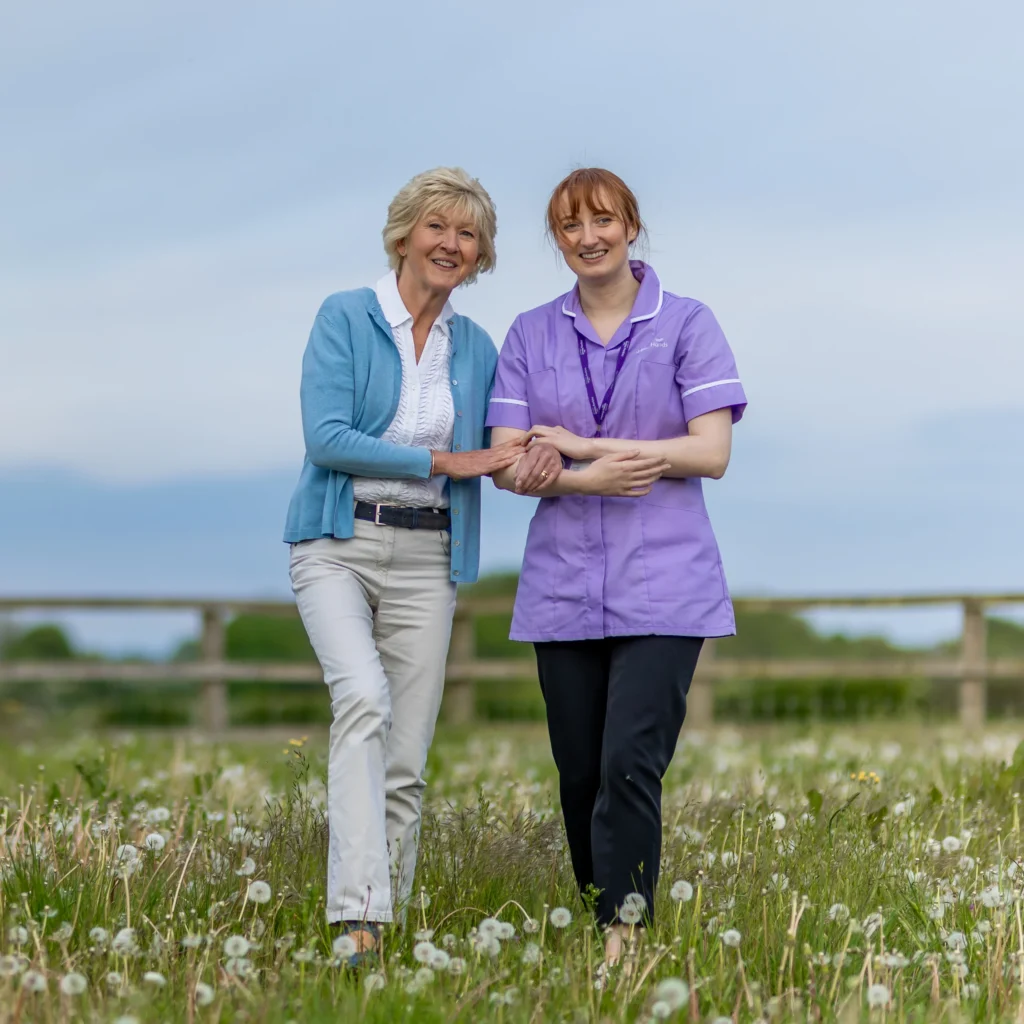
How to make walking enjoyable
There are many ways in which to gets those steps up can be more enjoyable!
These can include visiting your favourite spots, like a particular public garden or river, or your nearby beach. Turning your daily walk into a social affair can prevent loneliness as well as weight gain. Use the opportunity to catch up with your friend or family member, or even your four-legged pal too. Try listening to music or audiobooks so you can learn something new on your walk. Setting personal goals is a good way to motivate yourself, joining walking groups can increase your social circle, and walking on varied routes can help you to explore your environment more.
Learn more about our elderly care services today
At Helping Hands, we pride ourselves on our elderly care that adapts to your needs. We can offer care as a live-in, visiting or respite basis.
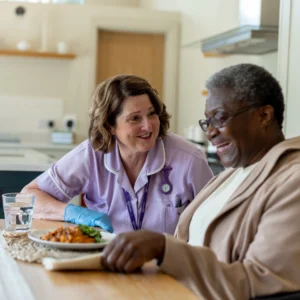
Visiting care
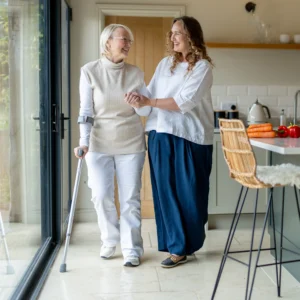
Live-in care
A fully regulated home care provider
Here at Helping Hands, our service is regulated by the Care Quality Commission (CQC) and the Care Inspectorate Wales (CIW)
This means we need to consistently meet high standards and are monitored by our regulators.