


How Home Care Supports People With Early vs Late-Stage Dementia

How Care needs Change as Dementia Progresses
Dementia is an individualised condition, meaning each person has their own experiences and there is no ‘typical’ progression route. However, some symptoms and experiences are common to many people living with dementia, such as needing more support as their dementia progresses. This can include housework, personal care, and medication support.
“As their dementia progresses, a person will need more help with their care…Some changes may be mild and easier to adapt to, whilst others may be challenging and you may need help” says the Alzheimer’s Society, reminding caregivers that they must look after themselves as well as the person they’re supporting. This is where Helping Hands can make a huge difference to the lives of our customers and their loved ones, by offering exceptional dementia care in the comfort of their own home.

How Home Care Supports People in the Early Stages of Dementia
The subtle signs of early-stage dementia include gradual cognitive decline, showing up through problems with memory, thought speeds, and general perception. As the Alzheimer’s Society says, “first signs of dementia are often relatively mild and not always easy to notice.” They may be able to continue with their daily routine relatively unchanged yet may need support to remain fully independent.
Promoting Independence and Routine in Early-Stage Dementia
Some of the best ways to support someone who is experiencing these early symptoms is to reassure them. They may become anxious or upset, perceiving that their memory isn’t as good as it was and feeling alarmed by the changes that are happening. At this early stage it is important to focus on what the person can still do and resist the urge to ‘take over’, as that may make them feel resentful and unsettled. Help them to write reminder lists, use technology, and maintain a routine. Making plans for the future is also incredibly important at this stage. People living with early stage dementia will most likely have the mental capacity to still make decisions for themselves, so this is the time to finalise what they would like their future care to consist of. It’s a good idea to get advice on putting in place Lasting Power of Attorney (LPA) and other legal frameworks to protect them as their condition deteriorates too.
Medication, Nutrition, and Safety Support in Early Dementia
Medication may be prescribed in the early stages of dementia, although it isn’t suitable for everyone’s situation. Some of the clinical treatments for early-stage dementia include Donepezil (Aricept), rivastigmine (Exelon) and galantamine (Reminyl). These medications are examples of Acetylcholinesterase inhibitors. The NHS tells us that these medicines “prevent an enzyme from breaking down a substance called acetylcholine in the brain, which helps nerve cells communicate with each other.”
Good nutrition and hydration is essential for someone living with dementia, and in the early stages it can help maintain weight, strength, and overall health. Eating a Mediterranean-style diet, such as one rich in vegetables, fish, fruit, wholegrains, and healthy fats may help to maintain weight and support cognitive function.
Safety at home can be maintained by removing trip hazards, ensuring the person can manage their medication, and making sure that there is plenty of light. Changes should be made gradually and in conjunction with the person so that they don’t feel their independence is being challenged.
Supporting Daily Living and Safety in Late-Stage Dementia
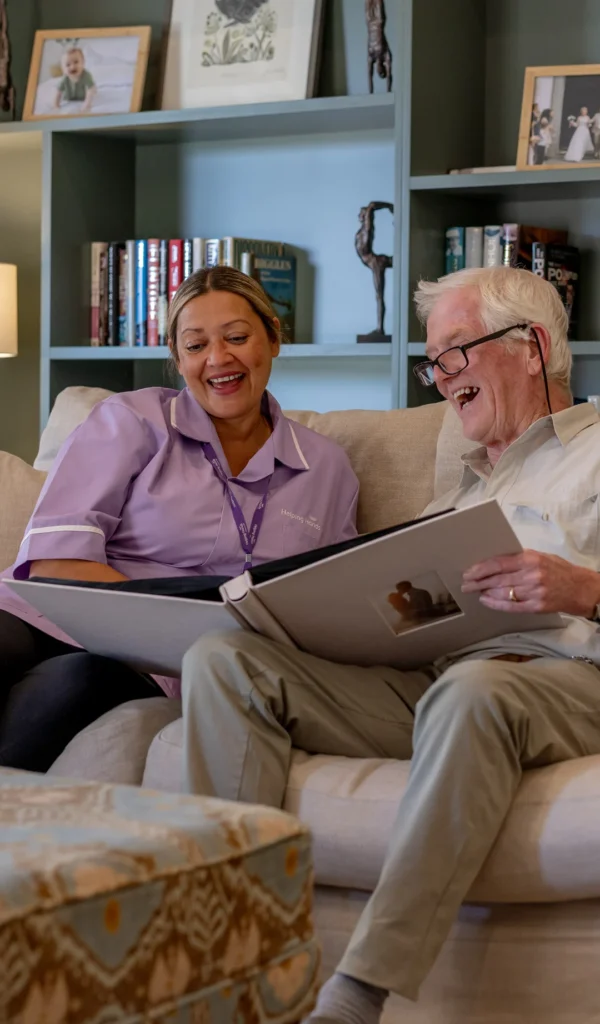
In the later stages of dementia, the changes in the person mean that they will be unable to live independently. “They may need an extensive care package in place – for example, daily visits or live-in care from professional carers – or to move into a long-term residential care home,” say Dementia UK. The reasons the person can no longer look after themselves include:
Communication difficulties – The person may be unable to speak, and communication may only be possible with non-traditional methods. This works well for some people though.
Disorientation – The person will lose track of time and may regress to an earlier stage of their life. They may feel the need to ‘go home’, even if they’re in a place they’ve lived in for years.
Loss of recognition – They may no longer recognise their loved ones or friends. They may expect people around them to resemble who they were many years ago and become distressed and confused.
Distress – This will be made worse if the people around them are impatient or frustrated with them. It’s hard for family members but they have to remain calm and remember it’s the dementia causing the behaviour.
Physical Changes – Late-stage dementia can increase likelihood of infections, incontinence, difficulty with eating, drinking, and swallowing, and mobility issues. This can also increase the risk of falls.

Managing Behavioural Changes and Communication Challenges
Even in later-stage dementia there are still things that loved ones can do with the affected person, and it’s important to focus on the positives, rather than their deteriorating condition. Thoughts can easily turn to how much time is left, but making the most of every day will mean there are no regrets when the person does eventually pass. If their loved one enjoyed a certain type of music, they can still listen to it together, go for walks in nature, or be read aloud to. Any activity that helps the person to relax and feel less anxious is valuable. Even sitting by their bed and holding their hand can be comforting. Remaining at home for care also means that their precious pets can be around them, as well as family and friends whenever they wish. Another benefit of staying at home is that being in a familiar environment can ease disorientation and anxiety for people living with dementia.

Emotional Support for Families
A dementia diagnosis can be especially upsetting for loved ones, who may not understand the changes that are happening to their family member. They may become frustrated and angry with the person, whose behaviour they consider ‘difficult’, without understanding how the dementia is affecting them. Having professional care will mean that loved ones can focus on spending quality time together, while carers undertake the practical needs of the person. This can reduce pressure on the family, who can concentrate on quality time spent together, looking after everyone’s emotional needs instead.
When to Transition or Increase Home Care Services
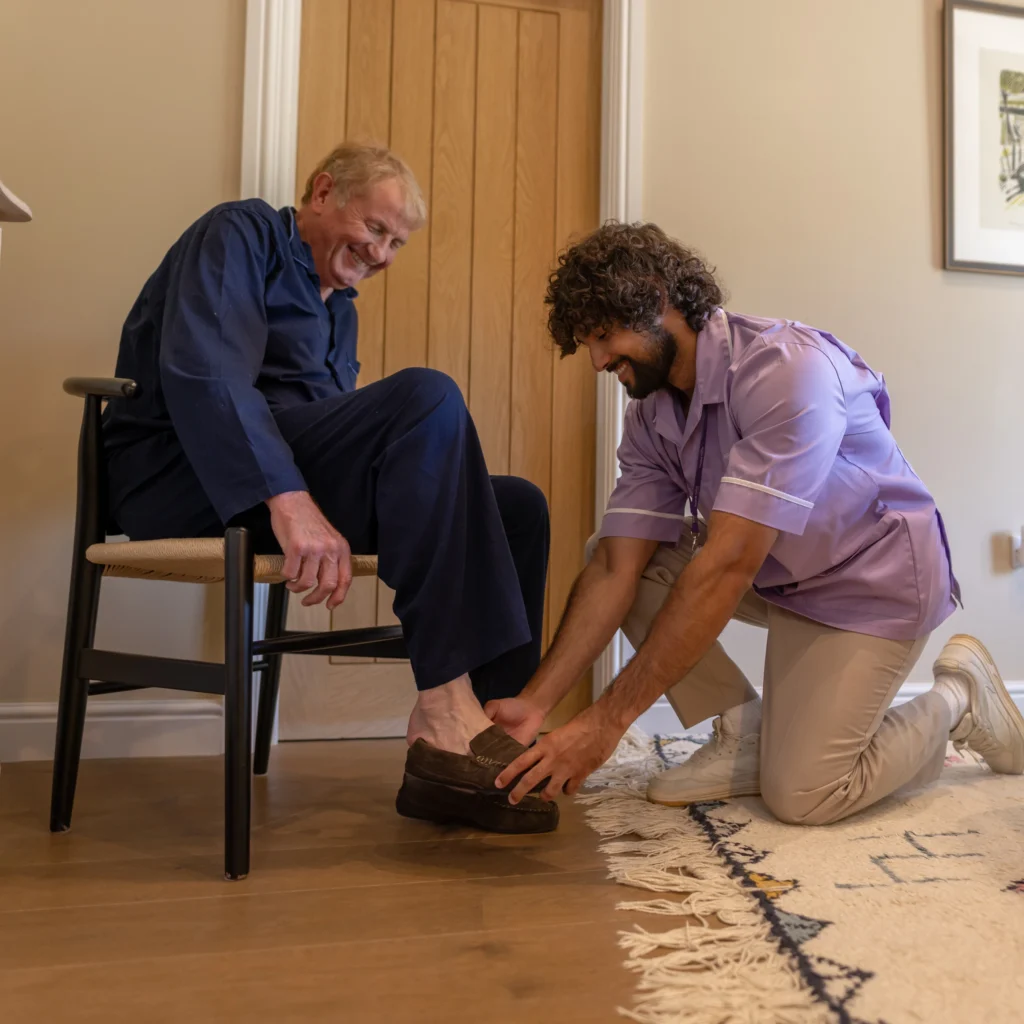
If the person is already receiving professional care, then their caregivers will be on the lookout for changes in their condition, which will be reported back to their manager. This means that additional support can be put in place, after talking to the person, or if that’s not possible, their advocates. Anyone who sees the person regularly will notice if their dementia is progressing, from district nurses to the falls team, and will work in collaboration with home carers and family members to ensure the very best outcome for the person being supported.

Expert Dementia Care at Home with Helping Hands
Because Helping Hands have been supporting people living with dementia since 1989, we’re trusted as the UK’s foremost home care provider. That’s 36 years of care and support for people with different kinds of dementia, and at various stages. Because we’re a regulated care provider who’s overseen by the Care Quality Commission and the Care Inspectorate Wales, we can guarantee only the very highest standards of support will be delivered. Our expertly trained carers will always provide compassionate and person-centred care that will make sure the person remains as independent as possible, while their loved ones are reassured that they’re comfortable and safe. Our training is also accredited by The Alzheimer’s Society and delivered by our own team of qualified nurses.
Page reviewed by Honor Elliott, Clinical Manager, on January 28th 2026.
How we wrote this page
This page has been produced referencing key insights and data from external experts, trusted medical sources and our team of in-house specialists. We have worked hard to ensure that all information is as accurate as possible and reflects current consensus at the time of writing and reviewing.