How to master effective communication with the elderly

Common Challenges in Communicating with Elderly Clients
Communication with elderly people can be challenging due to hearing loss, cognitive decline or speech difficulties.
They may struggle to process information quickly, leading to misunderstandings or frustration. Background noise, fast speech, or complex language can make communication harder. Emotional factors like loneliness or anxiety may also impact their ability to engage in conversations. Effective communication with elderly patients should include patience, clear speech, and active listening to overcome the challenges of caring for someone with communication difficulties.
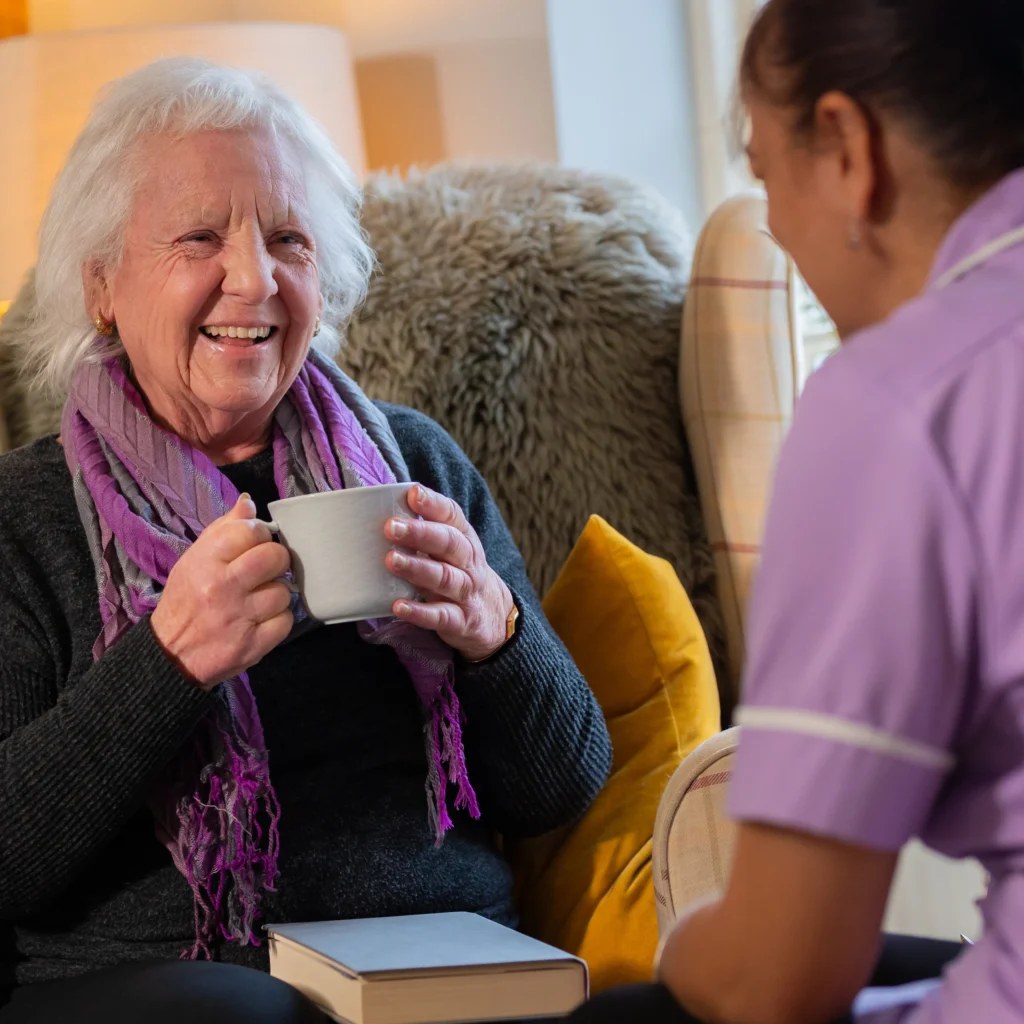
Key areas of effective communication with seniors
Some helpful tips to include when trying to communicate with seniors effectively are:

The role of active listening in elderly care
Active listening in elderly care helps build trust, improve understanding, and make seniors feel valued.
The British Heart Foundation says that active listening is a much more rewarding way of communicating that shows we’re really listening. By maintaining eye contact, nodding, and responding thoughtfully, caregivers can ensure elderly individuals feel heard and respected. It also helps identify their needs, concerns, or emotional well-being, leading to better care and stronger relationships. Active listening fosters a supportive environment, reducing feelings of loneliness and enhancing overall quality of life.

Verbal and Non-Verbal Communication Techniques
Verbal communication
Try to speak clearly, at a moderate pace, and use simple, respectful language. Maintain eye contact, listen attentively, and be patient, giving them time to respond. Avoid shouting, but ensure your voice is loud enough if they have hearing difficulties. Use gestures or visual aids if needed, and repeat or rephrase information for better understanding. Most importantly, engage with warmth and empathy, making them feel valued and included in the conversation.
Non-verbal communication
You can try using facial expressions like an encouraging smile, gestures, and open body language to convey warmth and understanding. Nod or use hand gestures to reinforce spoken words and offer reassurance. A light touch on the hand or shoulder can provide comfort, especially for those with hearing difficulties. Be mindful of personal space and ensure an open, relaxed posture to encourage positive and respectful interaction.
The impact of emotional support in elderly care
Emotional support in elderly care plays a vital role in enhancing well-being, reducing feelings of loneliness, and improving mental health. Compassionate interactions, active listening, and meaningful conversations help seniors feel valued and understood. Emotional support can also reduce stress, anxiety, and depression, leading to a more positive outlook on life. Strong emotional connections with caregivers, family, and peers promote a sense of belonging, which contributes to overall happiness and better quality of life. Your Helping Hands carer can help with your emotional support and they become beloved companions to our customers, taking every step to make our care work for you.

Explore elderly care with Helping Hands
At Helping Hands, we can offer superb elderly care to help you to remain in the home you love most.

Visiting care

Live-in care
A fully regulated home care provider
Here at Helping Hands, our service is regulated by the Care Quality Commission (CQC) and the Care Inspectorate Wales (CIW)
This means we need to consistently meet high standards and are monitored by our regulators.