


Living with Cancer
Understanding Cancer and how it affects daily life
A cancer diagnosis can turn a person’s world upside down, and lead to a range of emotions for both the person and their loved ones. Cancer can affect your daily life by reducing your energy levels, balancing pain management, or interrupting relationships due to frequent hospital appointments.
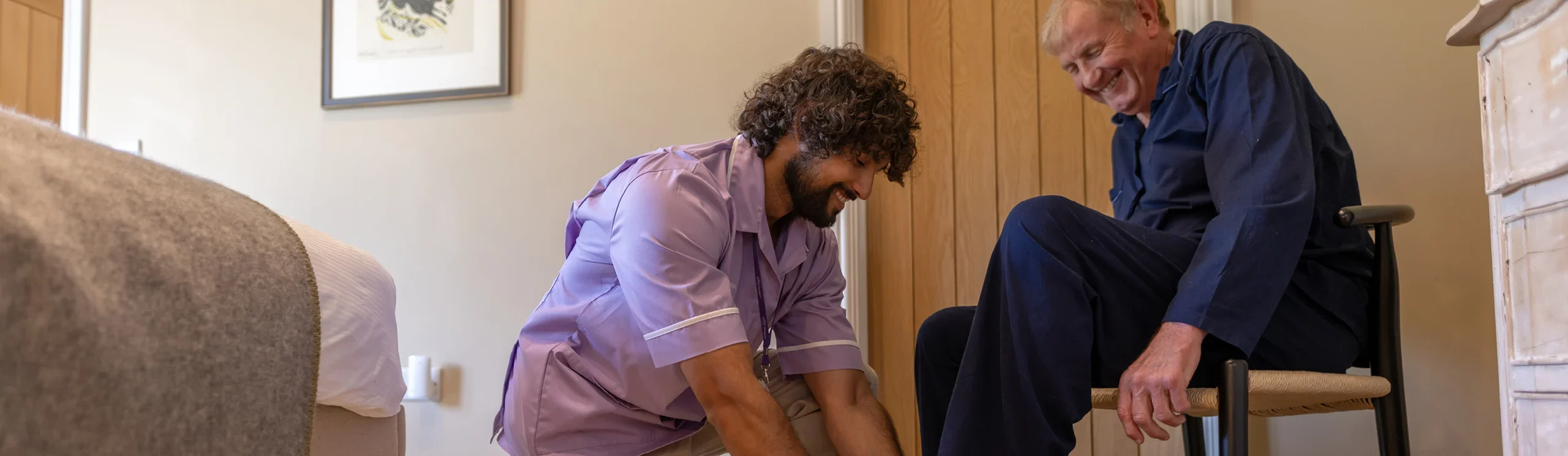
If you are finding it difficult to look after your home and yourself the way you would wish, our compassionate carers can come to your home, on a schedule to suit you. Some of our customers living with cancer have visits occasionally to give family carers a break, more regularly throughout the week, or prefer live-in care around the clock.
Coping after a cancer diagnosis
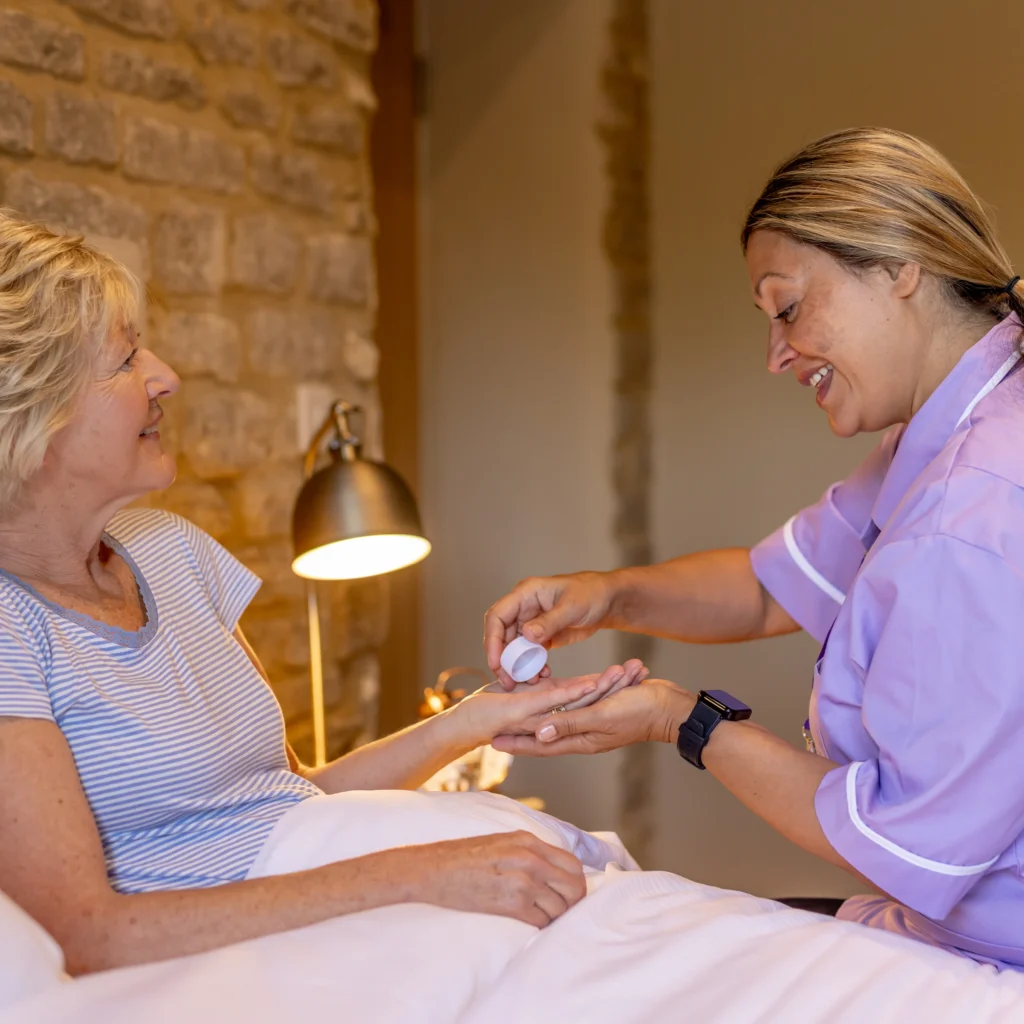
You may find your emotional wellbeing affected after a cancer diagnosis, as you and your loved ones try to get your heads around what the future may hold. Cancer Research UK says, “Feeling overwhelmed and out of control is common when you are first diagnosed with cancer. There is a lot of new information to take in and understand.” Seeking support from such organisations can be a lifeline, especially if you’re thinking ‘why me?’ Our wonderful carers are also trained to understand how our cancer patients may be feeling, and to offer dedicated, empathetic home care for people living with different types of cancer.
Common challenges when living with cancer
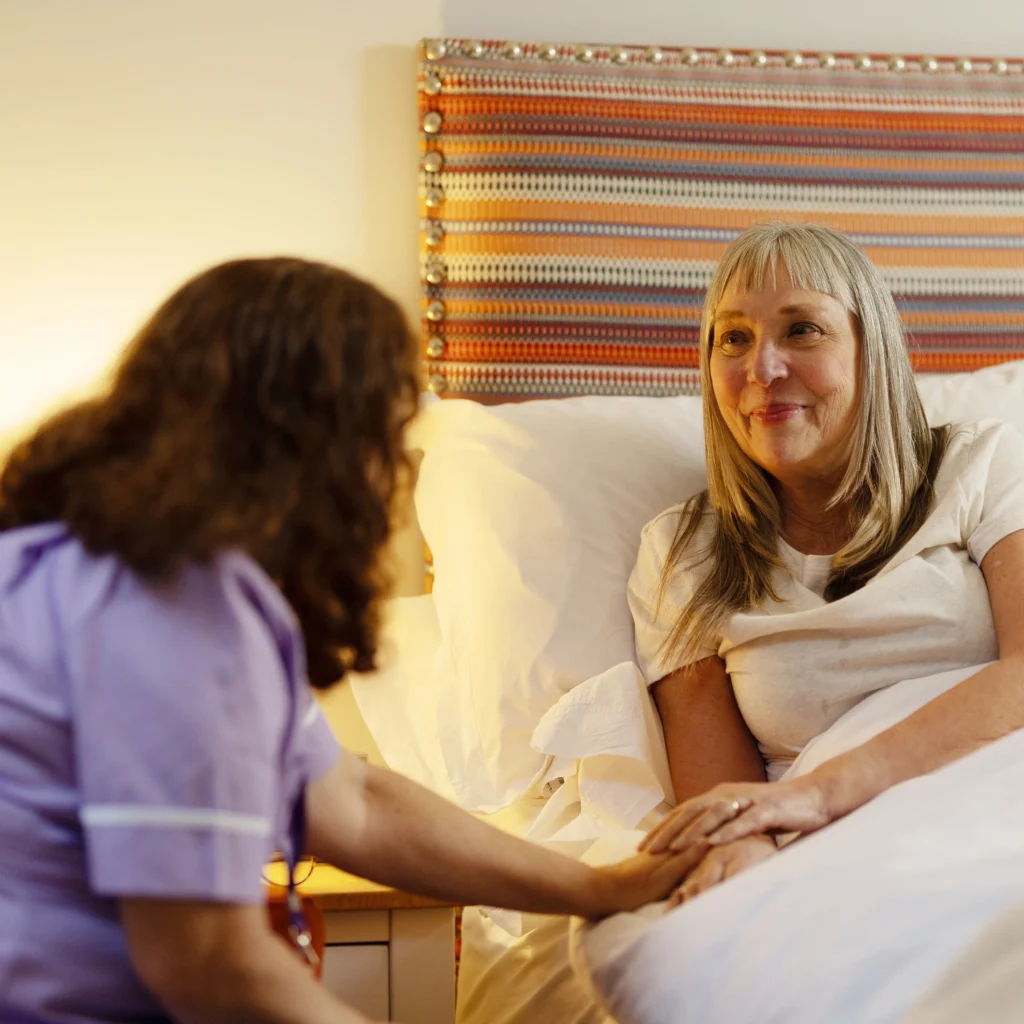
Living with cancer can bring up many common challenges, around both physical and emotional wellbeing.
Cancer fatigue
A common side effect, caused by treatment. It can be very deep, and last for long after treatment has finished. It’s a debilitating fatigue, not relieved by rest, and can affect every aspect of the person’s life.
Pain and discomfort
Pain can occur for many reasons, from the area of the tumour, a side effect of surgery, or directly because of radiation or chemotherapy. Fatigue preventing regular exercise may also cause additional stiffness.
Appetite and weight changes
Losing weight can be common for people living with cancer. This is because nausea from treatment may make it hard to keep food down, and emotional concerns can make people lose their appetite.
Sleep problems
Pain can make sleep sporadic, as can medication side effects. Anxiety can also make sleep elusive, so learning some relaxation techniques, such as Macmillan demonstrate, may help.
Body Image changes
Losing hair, as well as gaining or losing weight through cancer treatment can make people feel they’re no longer the same person. This can also affect intimacy with loved ones.
Emotional Changes
Worrying that the cancer will come back, as well as having to explain to others what they’re dealing with can be emotionally exhausting. People may shun social gatherings and risk isolation.
Managing cancer treatment side effects
Cancer treatment can cause different side effects and can increase the risk of infection. Macmillan says this is because “Chemotherapy can reduce the number of white blood cells in your blood. These cells fight infection.” It can also cause an increased likelihood of different side effects including digestive issues, tiredness, bleeding, bruising, and hair loss. Radiotherapy may cause symptoms more localised to the area being treated, but can cause similar side effects around nausea and vomiting, skin reactions, and fatigue.
Eating and drinking during cancer treatment
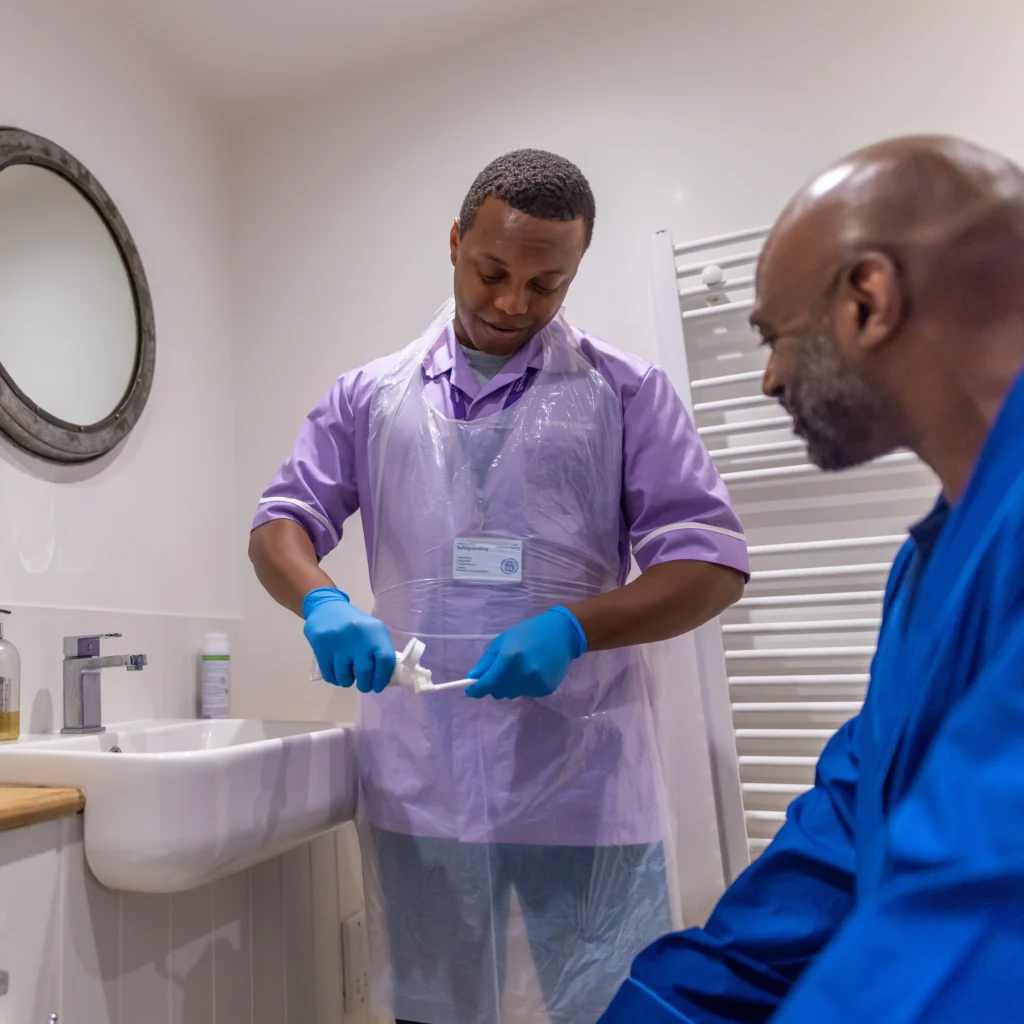
Cancer treatment may affect all areas of digestion, depending on the method. If eating and drinking is becoming difficult it’s essential to talk to your treatment team. They will be able to offer solutions, such as a short-term feeding tube in extreme cases. Eating small and often may help allay nausea, according to Macmillan. They also suggest adding seasoning or strong flavours if food appears tasteless, sipping water regularly if mouth is dry, chewing sugar-free gum, and ensuring snacks are nutritious.
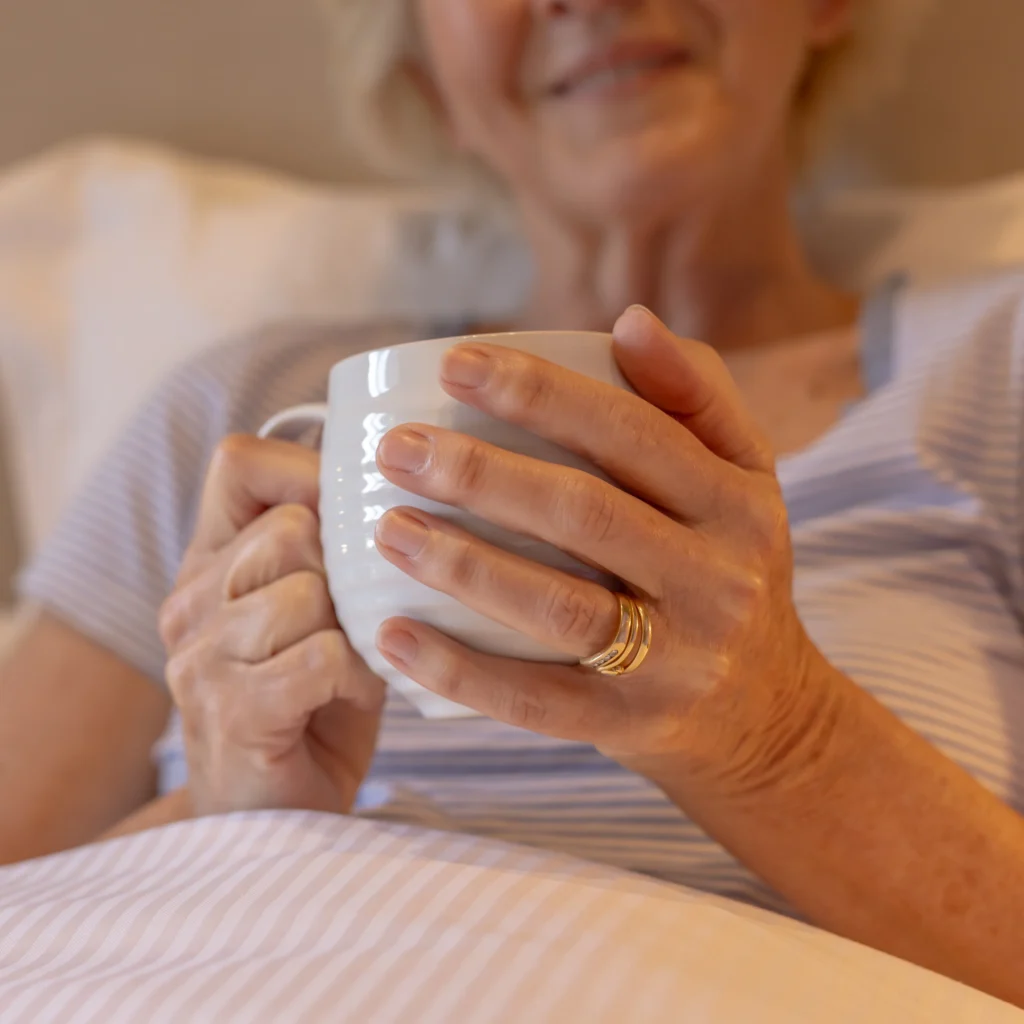
Emotional wellbeing and mental health
Being diagnosed with cancer, and the ongoing treatment journey, can cause a range of conflicting emotions. These include fear and anxiety about the future, anger and denial around ‘why me?’, depression, guilt, and feeling that no-one around you understands what you’re dealing with. While it may be difficult to talk to loved ones, due to worrying that they’re struggling with your cancer already, explaining how you feel may help reduce isolation, and mean they understand better what you’re going through. Macmillan have a helpline and an online community which offers support too.
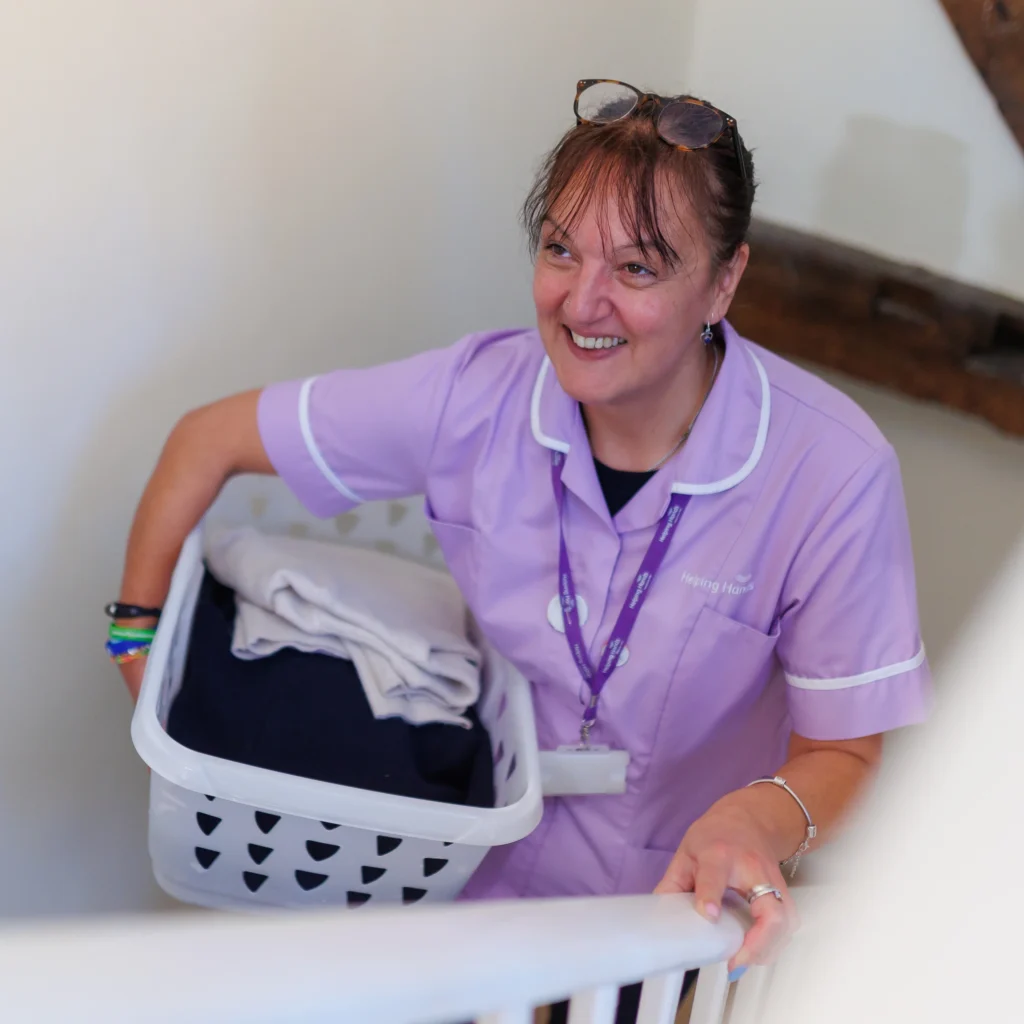
Work, money and benefits
Worrying about making ends meet and taking time off work for cancer treatment can affect your overall wellbeing. Macmillan have a free advice line to help you work out your finances and make sense of benefits on 0808 808 0000. Advisors are available Monday to Friday, 8am to 6pm. You may also be eligible for attendance allowance, or if you’re caring for someone with cancer, carer’s allowance.
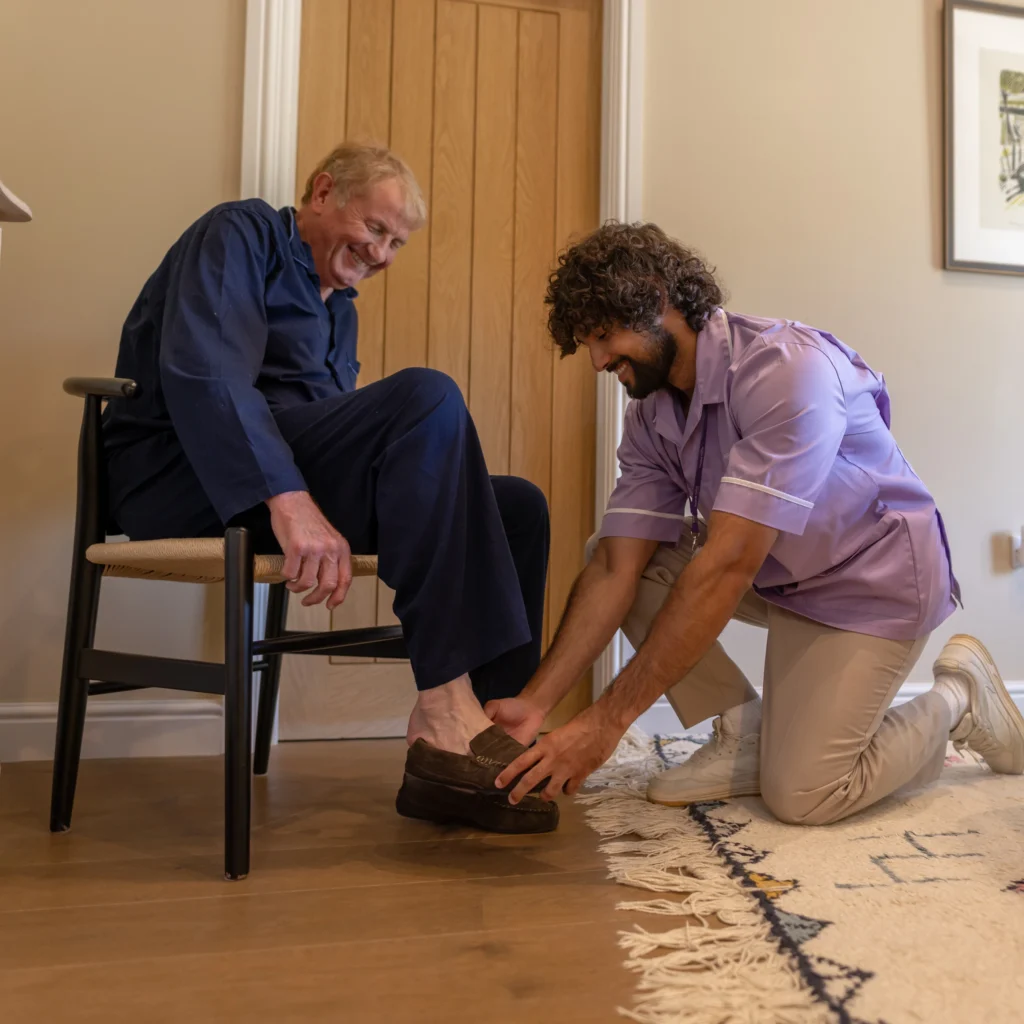
Relationships, family and caring responsibilities
Dealing with cancer can be compounded by worry about loved ones and caring responsibilities. Talking to loved ones can often allay fears on both sides, whether you’re the carer or the person living with cancer. Perhaps you have caring responsibilities and have been diagnosed with cancer yourself? All of these circumstances can lead to anxiety and stress and have a detrimental effect on your recovery journey. Helping Hands can help you to manage practical and emotional caring responsibilities by relieving pressure around daily tasks.

Living well during and after treatment
Eating healthily and being as active as possible will help you to live well both during and after treatment. During treatment you may have been less active than usual, due to fatigue, pain, or digestive symptoms, so trying to resume an active lifestyle once treatment has concluded should be a priority. Talking to your oncology team will give you ideas about the most suitable forms of exercise to try. “Alcohol is linked with an increased risk of some cancers,” while smoking can increase your risk of “developing new cancers” according to Macmillan, so limiting alcohol intake and stopping smoking will also benefit your health.

Support for carers
You may not consider yourself a carer. Perhaps you’re looking after a loved one by doing housework, helping them get washed and dressed, or monitoring their medication. Some people don’t believe they’re a carer if it’s their partner or child who has cancer, feeling instead it’s ‘just something you do’. Carers need support too though. Caring can take a physical and emotional toll on people, whether they’re professional or family carers. Realising that you are actually a carer can go a long way towards seeking help with caregiving duties and chatting to organisations such as Carers UK can help.

When to contact your cancer team
If you are struggling with any aspect of your cancer journey, whether it be your treatment or palliative pathway, you should talk to your oncology team or an organisation such as Macmillan or Marie Curie. There may also be cancer charities in your own area that offer telephone or face-to-face support. Many hospices offer day services for people who are on a palliative pathway but are not yet at end of life, and it’s worth chatting with them to see if they have support groups or suitable activities.

Cancer support with Helping Hands
Helping Hands have been supporting people living with cancer in their own homes since we were established in 1989, so it’s no surprise that we’re considered one of the UK’s leading home care companies. Because we don’t sell franchises, we own and manage each of our 155 branches across England and Wales. This means that when you come to a Helping Hands branch you’re talking to directly employed managers and carers; people who are motivated and dedicated to provide you or your loved ones with the highest quality care at home.
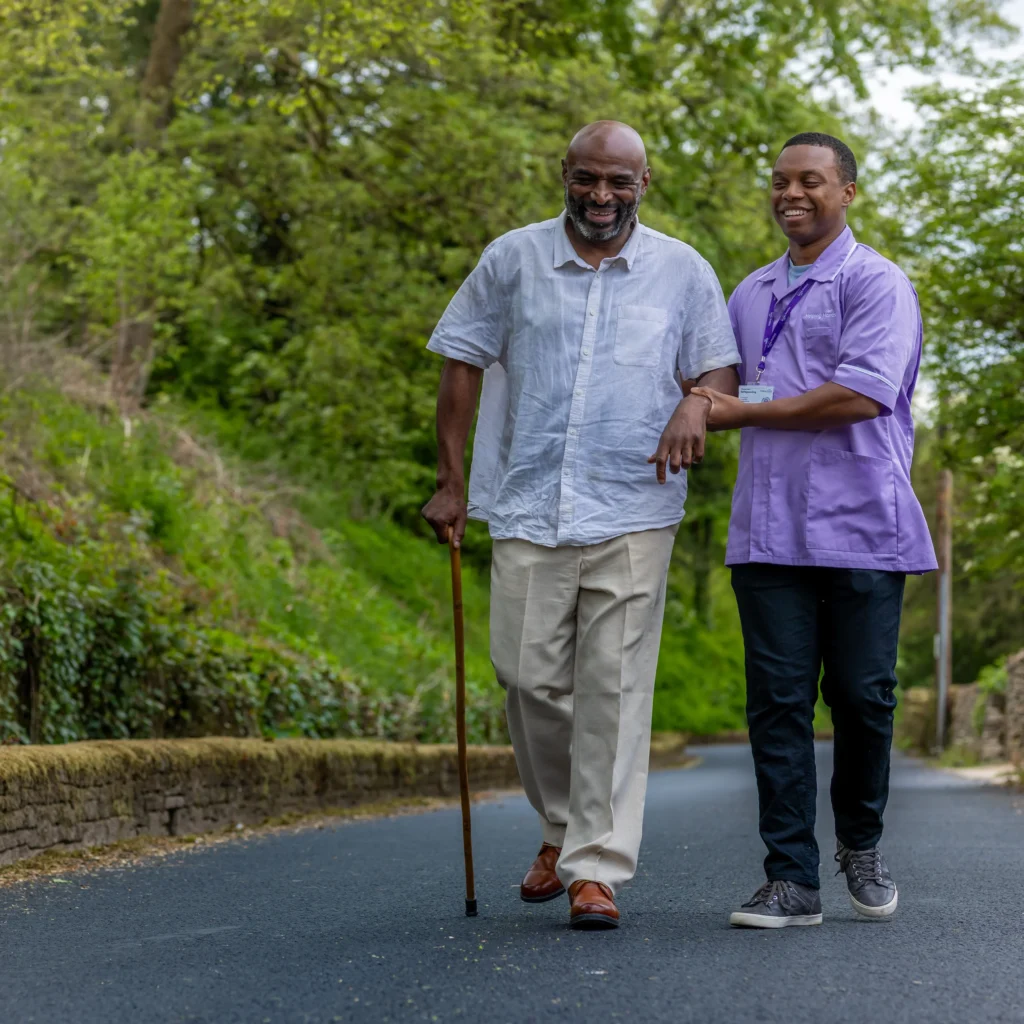
Living with Cancer FAQs
A cancer diagnosis can lead to a range of emotions for both the person and their loved ones. Cancer can affect energy levels, necessitate pain management, and cause a range of physical and emotional symptoms.
While cancer can affect you both physically and emotionally, it’s important not to shut out loved ones. Include them in how you’re feeling, talk to them and other support networks, and try not to bottle up feelings. It’s common to feel overwhelmed, and your oncology team will offer support pathways if you’re really struggling.
Caring for others can be physically and emotionally draining, so it’s important to make sure you’re getting support too. Having a chat with organisations such as Carers UK or other support charities may just offer the outlet you need. Look for carers’ groups locally too.
It’s inevitable that relationships will be affected after a cancer diagnosis. Your loved ones are going to be worried about you and your prognosis, wondering what the future will hold. There may also be worries about physical implications and an effect on intimacy. Chatting with your oncology team, or a cancer charity if you’re a little embarrassed, should allay your fears.
Living well with cancer is certainly possible. Taking medication as directed, resting when necessary, being active when you have the energy, and eating a nutritious diet can all help you to live well with cancer.
Page reviewed by Vanessa Ogiesewu, Regional Clinical Lead, on July 20, 2026.