


Living with COPD
Understanding COPD and how it affects daily life
According to the NHS, “Chronic obstructive pulmonary disease (COPD) is the name for a group of lung conditions that cause breathing difficulties.” These include emphysema and chronic bronchitis. It is more prevalent in people who are middle aged or older who smoke, and many people do not even realise they have it. It can affect daily life because it is a progressive condition, meaning it gets worse as time goes on. This can affect everyday activities. This is where practical support at home from Helping Hands can make all the difference.
Common symptoms of COPD
These symptoms usually get progressively worse without treatment. Even while controlled, flare-ups are possible when living with COPD. Symptoms include:
Breathlessness
Especially when active
Coughing
Chesty, phlegmy cough
Wheezing
A persistent wheezing
Chest infections
Frequent infections
Fatigue
Affects daily life
Anxiety linked to breathlessness
Can worsen prognosis
Managing breathlessness day to day
Managing COPD breathlessness day to day will depend on your lifestyle and fitness, as well as breathing techniques and medication use. Feeling anxious if you can’t get your breath is totally understandable, but anxiety can make breathlessness worse. You may feel that you need to breath faster to take in more air, but this may mean you don’t empty your lungs fully as you breath out. Learning breathing techniques, such as those featured on Asthma and Lung UK, may make your breathing easier to regulate and help to reduce anxiety.

COPD treatments and inhaler routines
While COPD cannot be cured, there are things that can be done to slow the progression of the condition. If you’re a smoker, the most effective treatment is to stop, according to the NHS. “This may be all the treatment that’s needed in the early stages of COPD,” they say. Inhalers are also standard treatment for COPD, such as short-acting, long-acting, and steroid inhalers. A healthcare professional will advise you how many times a day your inhaler can be used. Tablets and other medications may also be offered, depending on symptoms.
Staying active with COPD
Staying active when you have COPD may help with breathing, however many people become less active after they’re diagnosed due to concerns about breathlessness. Some people find that joining a local group beneficial, especially if there are other people living with COPD. These can include walking or singing groups, both of which can help with better breathing techniques. Physiotherapy, yoga, or tai-chi may also benefit people living with COPD.

Pulmonary rehabilitation
The NHS tells us that Pulmonary Rehabilitation “focuses on tailored physical exercise and information that helps people to better understand and manage their condition/s and symptoms, including feeling short of breath.” The programme can last several weeks and includes exercise classes, information and advice on managing lung conditions, techniques to manage breathlessness. If you think you would benefit, speak to a healthcare professional and request a referral.

Managing flare-ups
COPD symptoms can change from day to day, however flare-ups shouldn’t be ignored. If you feel more out of breath than usual, are wheezing more, feel very fatigued, or are struggling to be as active as you usually are, you should speak to a healthcare professional, and take any prescribed medications. If you are having severe symptoms, such as chest pains, a heavy feeling in the chest, or finding it very hard to breathe, you should call 999. Your COPD support plan should contain all the information about managing your condition.
Home environment and air quality
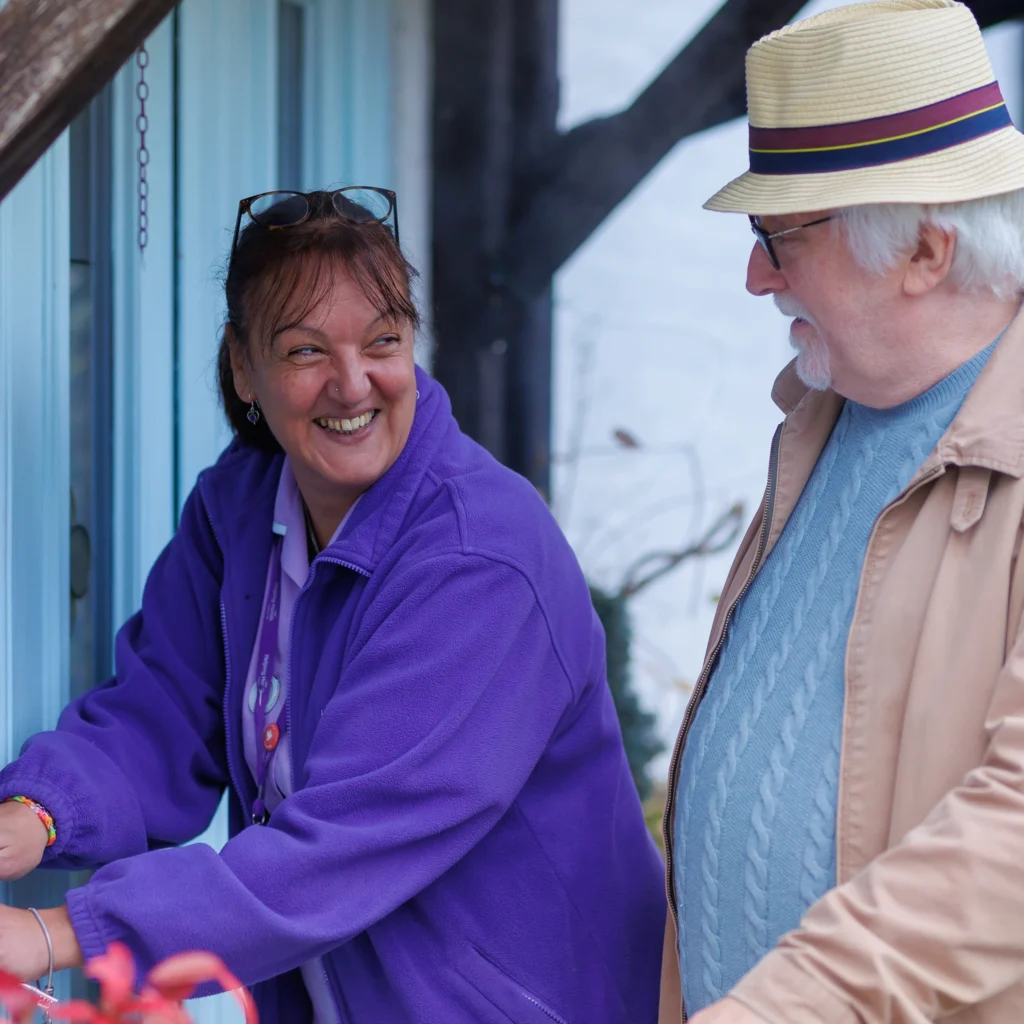
Improving air quality at home will make managing COPD easier. Using HEPA filters and air purifiers can help to remove airborne particles, while keeping the house clean and free from dust can also help. This is where your Helping Hands carer can make such a difference if you’re struggling with housework or pet care. Even if you smoke, it’s a good idea to keep your home as smoke-free as possible, while keeping humidity levels between 30 and 50 percent. Ventilate rooms well and avoid the use of chemicals and strong odours wherever possible.
Emotional wellbeing
Many people struggle with their emotional wellbeing while living with COPD symptoms. This can be because they may feel isolated at home due to needing oxygen support, or they may find that hobbies they always enjoyed are no longer manageable. Having carers coming into your home can help to improve emotional wellbeing because they offer companionship and a friendly face, as well as practical support. They can also help you to get out and about if you’re missing the community and support your mobility accordingly.

Support for family and carers
Having care at home from Helping Hands doesn’t just benefit the person being cared for, it also makes a big difference to family members. Loved ones may be providing the majority of practical and emotional support for someone living with COPD, which can make it difficult to balance their caring responsibilities with other aspects of their lives. Our visiting and live-in carers can provide exceptional support as often as you need us, with visits beginning at just 30 minutes and live-in care available around the clock.

When to get medical help
If you are struggling more than usual with your breathing, or your symptoms feel different, then you should speak to a healthcare professional. If you are in any doubt, then ring 111 for advice or 999 in an emergency. If your treatments are no longer as effective as they once were, speak to your doctor’s surgery about adapting them to your changing needs. We will always work seamlessly with your wider healthcare team and make sure that your support plan is kept up to date.
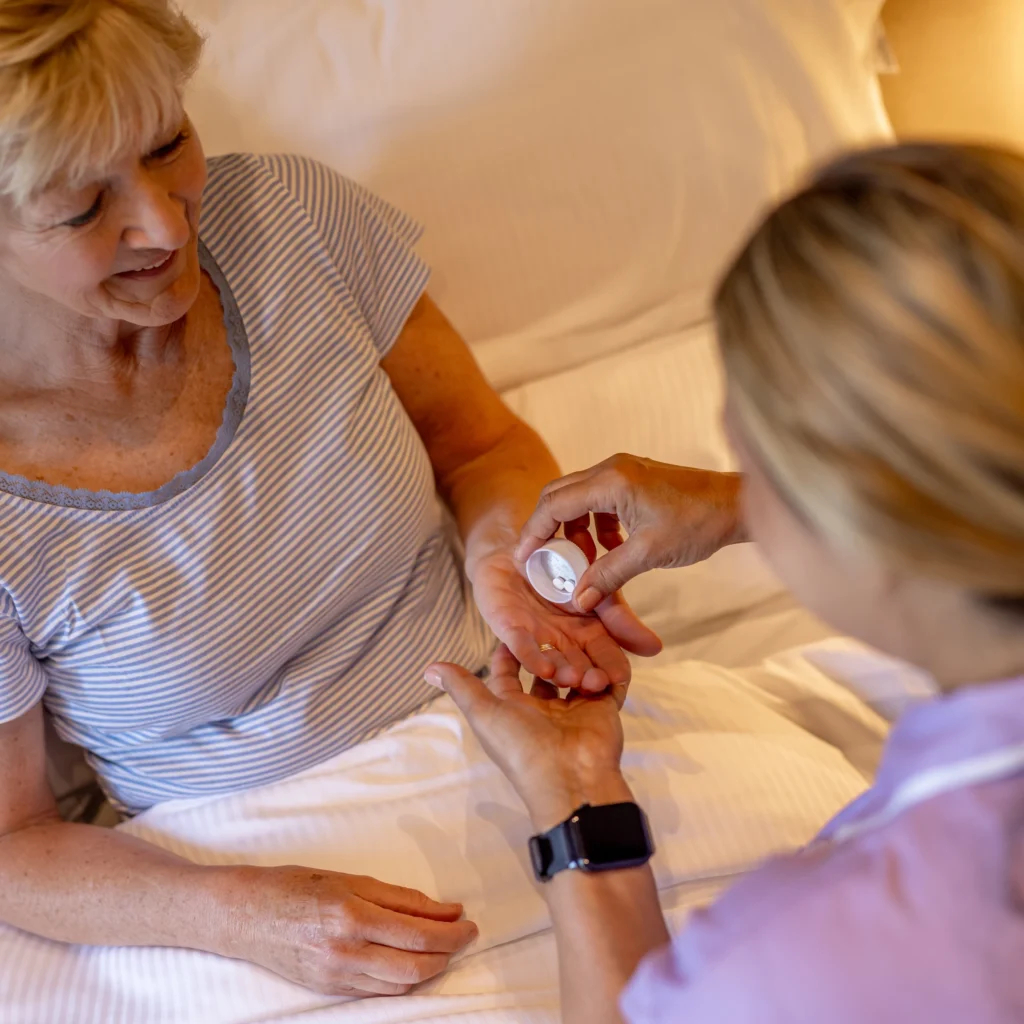
COPD support with Helping Hands
We’ve been delivering exceptional care at home since 1989, so it’s no surprise we’re considered the UK’s home care experts. We undertake both practical and emotional support to make sure you live your best quality of life in the home you love, following your support plan and adapting seamlessly if your needs change. Whether you need us for housework help, medication administration, or mobility support, we can be there for you from just 30 minutes per week, up to around the clock, live-in care, all fully regulated by the Care Quality Commission and the Care Inspectorate Wales.

Page reviewed by Vanessa Ogiesewu, Regional Clinical Lead, on July 20 2026.