


Mental Health Awareness Week 2026: Why It Matters and How to Get Involved

Why Mental Health Matters
Mental health matters because when our mental health is out of balance it can affect every aspect of our life. Relationships can suffer, work can become impossible, and we can lose interest in everything we usually enjoy. Sometimes it can be difficult to get out of bed and raise any enthusiasm for life, and it can be so bad that some people have thoughts of ending their lives. Mental Health Awareness Week is a campaign that takes place every year in May. In 2026 it takes place 11-17 May.
Understanding Mental Health
According to Mind, “Mental health problems affect around one in four people in any given year.” Therefore, mental health problems are common and could affect anyone. Mental health needs to be looked after, just as carefully as physical health.
Breaking the Stigma
The best way for mental health stigma to be addressed is through open conversations and raising awareness. Using respectful language, educating people about mental health, and using personal experiences to support understanding can all build knowledge and encourage people to open up about their mental health.
This Year’s Theme
The theme for Mental Health Awareness Week 2026 is ACTION. The Mental Health Foundation explains “We chose ACTION as this year’s theme because, although awareness is vital, real change comes when we take action too.”
What It Means
While Mental Health understanding has come a long way in more recent years, there’s still so much that needs to be done. This includes putting actions in place that give people hope and empowerment and prevent their mental health declining in the first place.
Why It Matters
High profile public health campaigns can reach millions of people and raise awareness across the population. Highlighting how important good mental health is, it raises awareness, challenges stigma, and promotes actions to improve wellbeing.
Looking After Yourself and Others
Whether you’ve struggled with your mental health in the past or not, everyone is at risk of decreasing mental wellbeing at various times in their life. Promoting healthy communities, workplaces, and schools will benefit everyone, as well as looking out for loved ones and noticing when things seem different.
Everyday Wellbeing Tips
Keeping in regular touch with loved ones and friends will ensure your mental health is supported and that they are able to notice when something changes. Maintaining hobbies and interests, with the help of a loved one or carer is just one way of keeping well.
Supporting Someone in Need
Supporting someone can be as straightforward as listening when they need to talk or spending time together regularly. If you are concerned about their wellbeing, encouraging them to seek medical help or advice can make all the difference to their journey.
Taking Action During Mental Health Awareness Week
Because everyone could struggle with their mental health at some point in their lives it’s up to all of us to encourage better understanding of how mental health can be affected. Mental Health Awareness Week is just one way to easily promote better understanding.
Ways to Get Involved
There are many ways to get involved with Mental Health Awareness Week. Whether it’s hosting a coffee morning for people who need to talk or helping someone to access services. Safeguarding our own mental health also means we’re helping others too.
Raising Awareness in Your Community
Organising a ‘wear it green’ day at work, university, or in the community, or just wearing green to your favourite activity and telling people why. You can also buy green ribbon badges on the Mental Health Foundation’s website to inspire conversations around mental health.
Support and Resources
Where to Get Help
When you’re struggling with your mental health it can be difficult to know which way to turn for help. It’s often difficult to talk to others about how we feel, but talking can often make the situation more bearable. Talking to your GP will also open up channels of support locally.
Organisations such as the Mental Health Foundation and Mind have lots of information to help anyone struggling with their mental health. These include helplines that can advise on benefits, crisis response, therapies, and links to local services, plus factsheets and articles.
How Helping Hands Supports Mental Health in Your Community
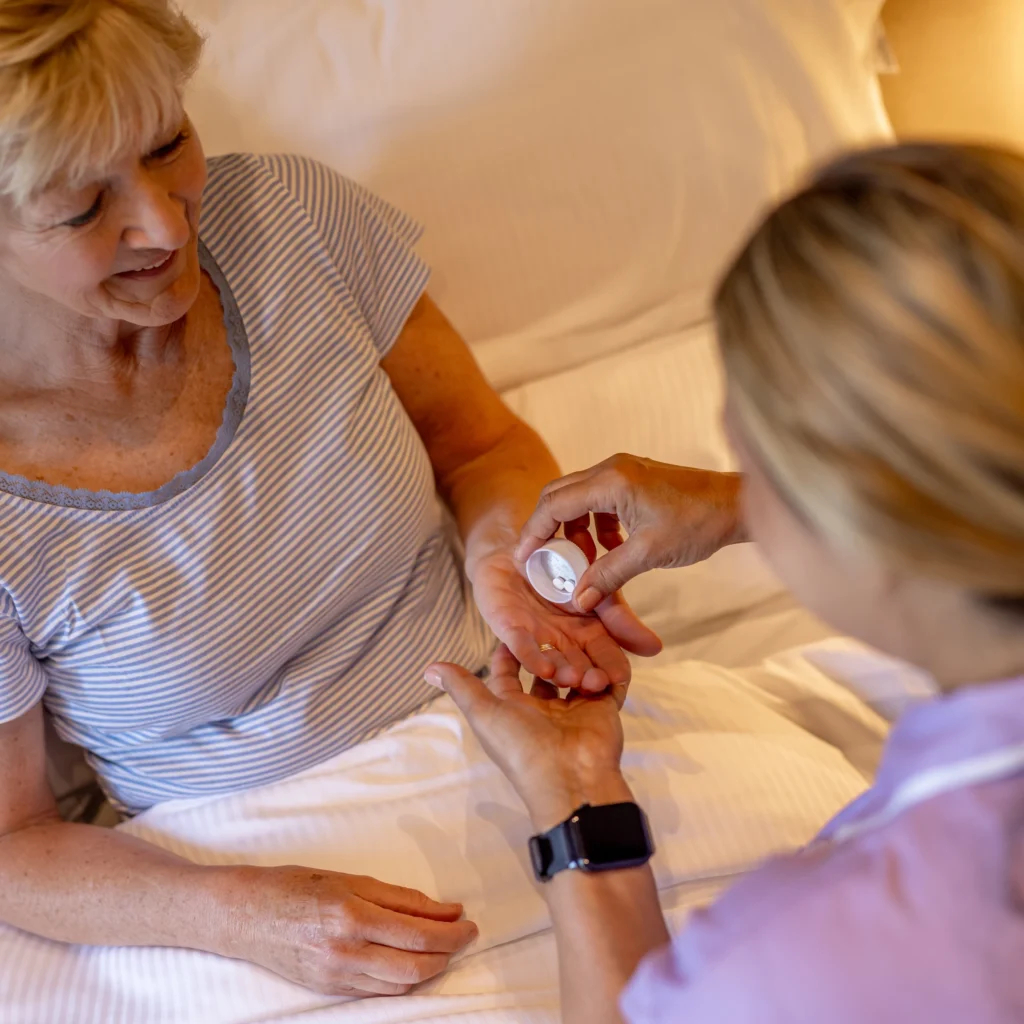
Because Helping Hands have been supporting people across the UK since 1989, we understand that mental health plays a large part in overall wellbeing. We’ve supported many people to live as well as possible in the home they love, and that includes emotional as well as practical care. We’re proud to have 155 branches across England and Wales, all dedicated to providing exceptional help for our customers in their local area. Our carers promote physical and emotional wellbeing by helping out at home, as well as accompanying our customers to make the most of their local community’s resources.

FAQs
Mental Health Awareness Week is a campaign that takes place every year in May. In 2026 it takes place 11-17 May.
This year’s theme is ACTION. This is because real change comes when we take action, which is as important as promoting awareness.
Sometimes it just takes a listening ear or letting someone know that you’re there for them. Encouraging them to visit their GP if they’re struggling is also important.
If you’re struggling with persistent negative moods, relying on unhealthy behaviours or substances to cope with the everyday, find yourself withdrawing from loved ones, and struggling to complete daily tasks, it’s a good idea to approach your GP or self-refer for NHS talking therapies. You can also call 111 if you or someone else is thinking of self-harm, or 999 in an emergency.