Nutrition Challenges for Seniors Who Live Alone

Why Proper Nutrition Is Critical for Seniors Living Alone
When you live with someone else there is always another person to check your overall wellbeing and to see that you’re eating and drinking properly. They’ll also notice if there is a change in your condition, such as losing weight, gaining weight, or skin changes. However, when you live on your own there may not be anyone who is coming to check that you’re eating well, presuming that you’ll tell them if you need help. This is often the last thing older people will do though, worried that admitting they need support will mean they’ll have to leave their beloved home and move into residential care.
This is where care and support from Helping Hands makes such as huge difference. Coming into your home on a regular basis or even living in, our carers will monitor your wellbeing and notice any signs that you need medical intervention. They’ll never overstep professional boundaries and will always make sure your home remains feeling like your own.

Common Nutrition Challenges Faced by Older Adults
Common nutrition challenges faced by older adults include reduced appetite, diminished taste and smell, chewing or swallowing difficulties, and medication side effects. These can all lead to unintended weight loss and nutrition deficiencies. Many older people “become less interested in food. You may find that you are less hungry than you used to be, so it can be harder to get all the nutrients needed for good health,” says the British Nutrition Foundation.
How Living Alone Impacts Eating Habits and Meal Quality
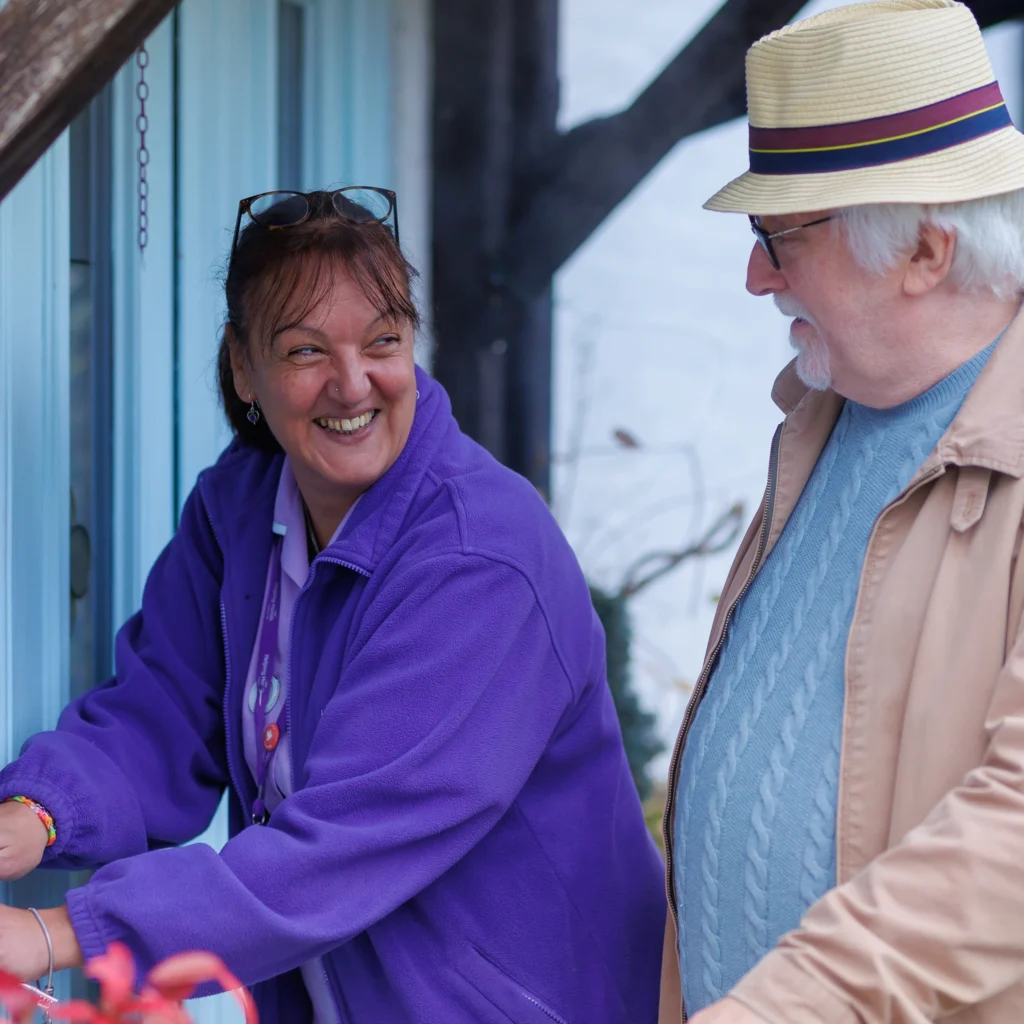
“As people age, they are less likely to eat well – and when older people are living alone their diet often suffers,” says the University of Cambridge, “Not surprisingly, solitude has an impact on the health and eating patterns of this elderly population.” Their study shows that marital/relationship status of older people affects their diet significantly.
“Compared with older adults in a partnership, those over-50s who were single ate 2.3 fewer vegetable products daily. Those who were widowed ate 1.1 fewer vegetable products daily.” Therefore, living alone can mean that you’re less motivated or less able to cook nutritious meals than someone younger.

Warning Signs a Senior May Be Malnourished or Undereating
The most noticeable sign that someone is undereating is weight loss, however “it’s possible to be a healthy weight or even overweight and still be malnourished,” according to the NHS. Someone losing weight may not always be obvious though, especially if they wear baggy clothes or spend a lot of time in bed.
Other symptoms of malnutrition include feeling tired constantly, wounds taking a long time to heal, poor concentration, feeling cold, low mood, or depression. These symptoms should always be discussed with a healthcare professional as they can be present for other reasons that would need to be ruled out.
Health Risks Associated With Poor Nutrition in Older Adults
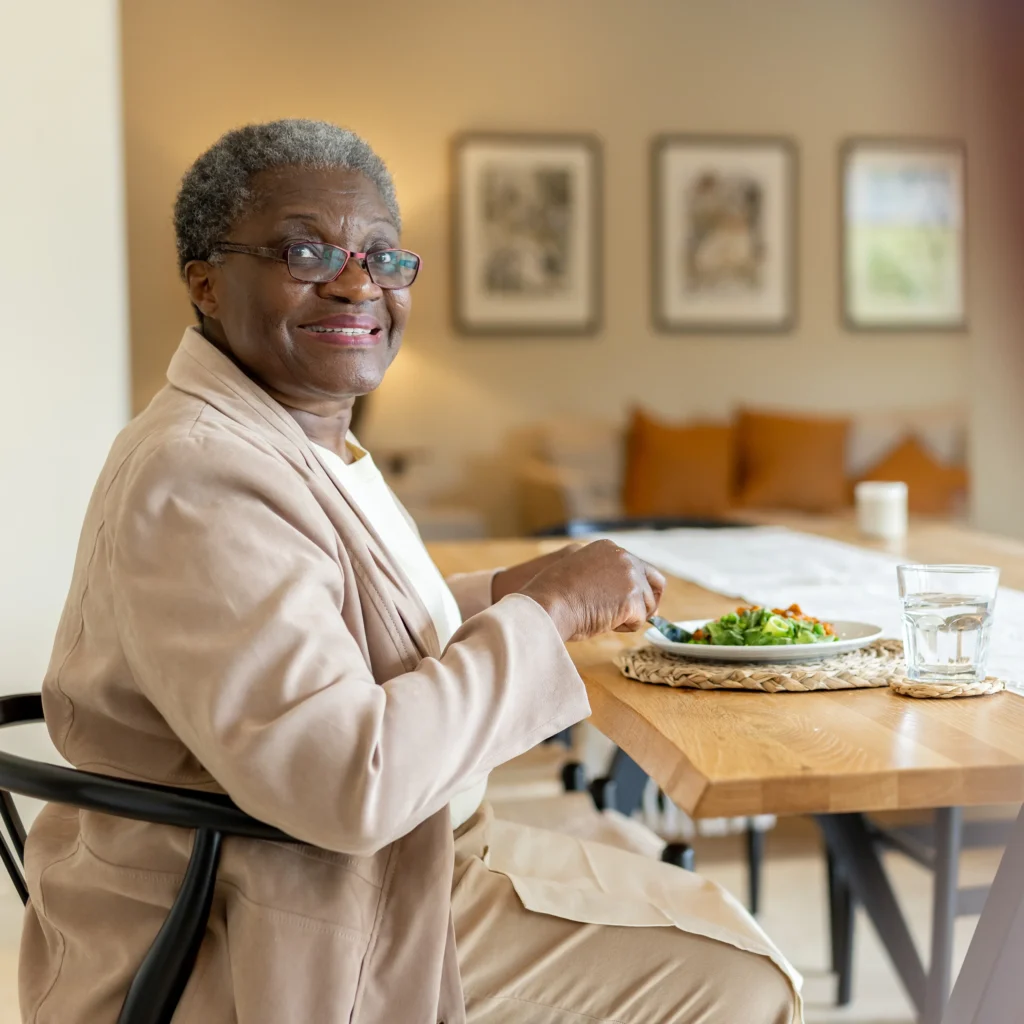
Older adults who don’t eat a varied diet are at risk of increased hospital admissions, taking longer to recover from illnesses, and long-term health problems. Malnutrition can also make people frailer, through weight loss, weakness, and reduced mobility. Frailty can also increase the risk of falls, which in themselves may see someone admitted to hospital more frequently.
One of the best ways to avoid this is to make eating a more social time, perhaps by going out to eat with a friend or having a loved one coming to your house for a meal. If you’re struggling to prepare food then a carer could come in at mealtimes, both to prepare you some food and to eat together. This can help to address both the difficulties of eating nutritiously and the risk of loneliness.
Practical Nutrition Tips for Seniors Who Live Alone
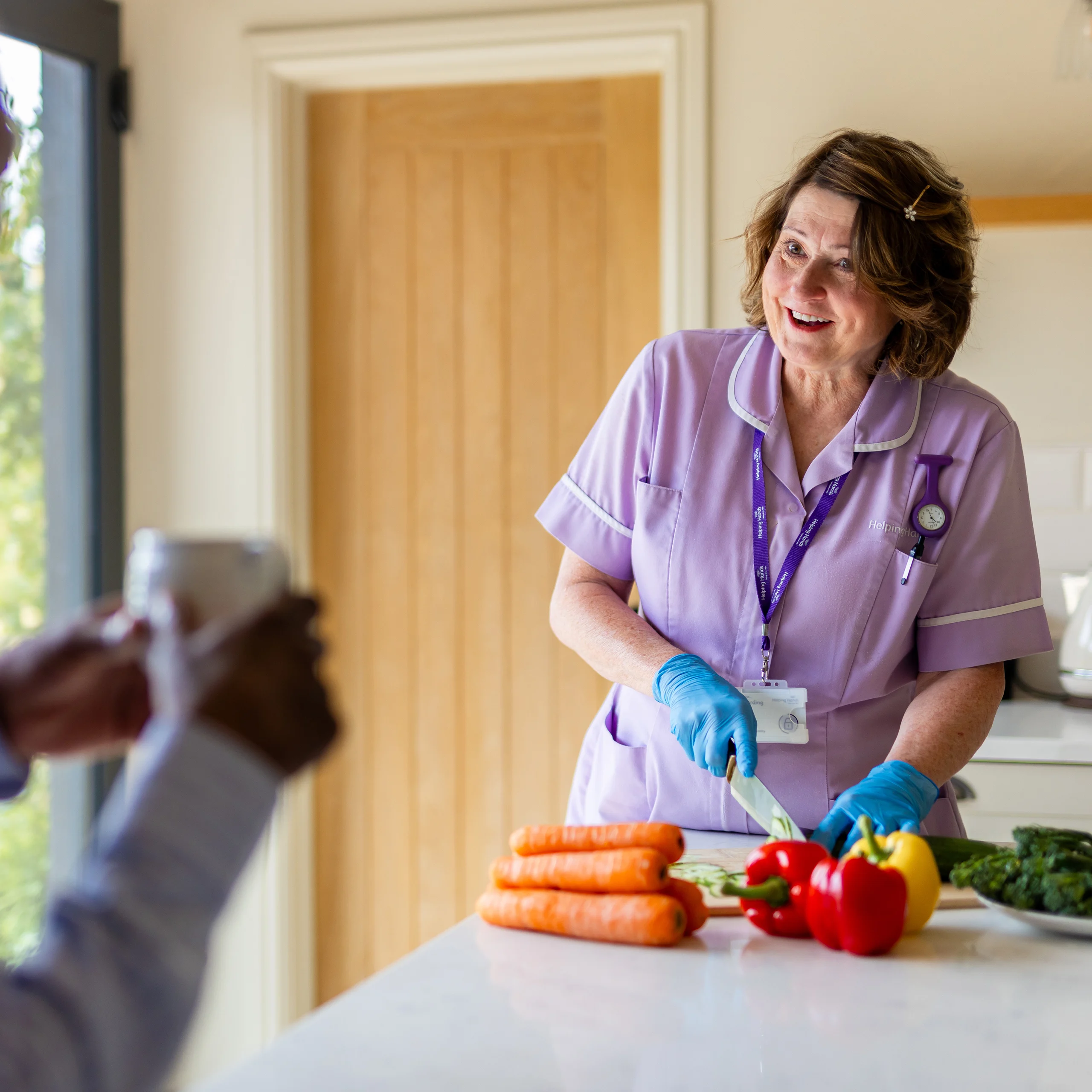
Eating a balanced diet is the only way to avoid malnutrition, however that’s easier said than done when you’re struggling with motivation or worried about money. Age UK have useful suggestions for eating more nutritiously on a budget, such as:
Move to full-fat milk, yoghurt and cheese.
Try to include protein in every meal
Have 6–8 drinks every day to avoid dehydration
Try eating smaller meals more regularly
Consider packet, frozen and ready meals
Try to have 3 days’ worth of food in your home
Simple Meal Planning and Preparation Strategies
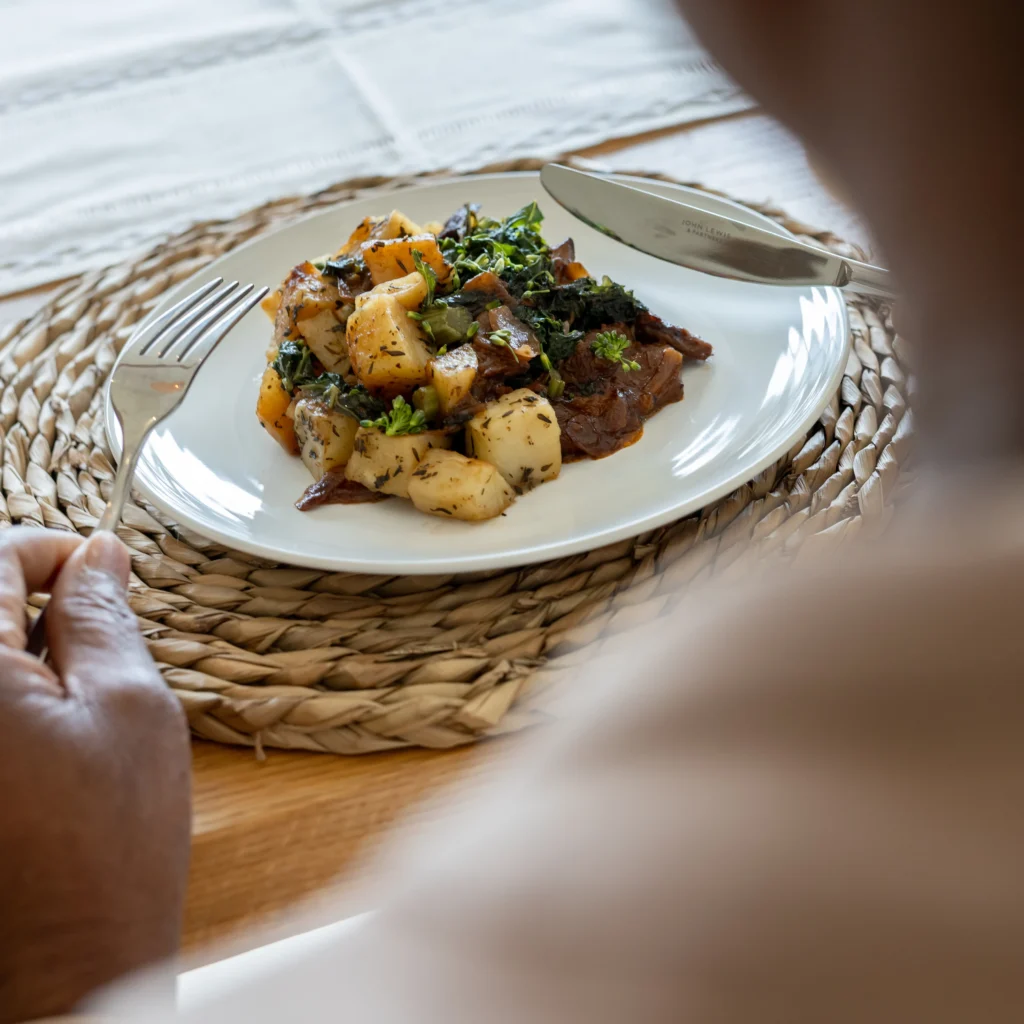
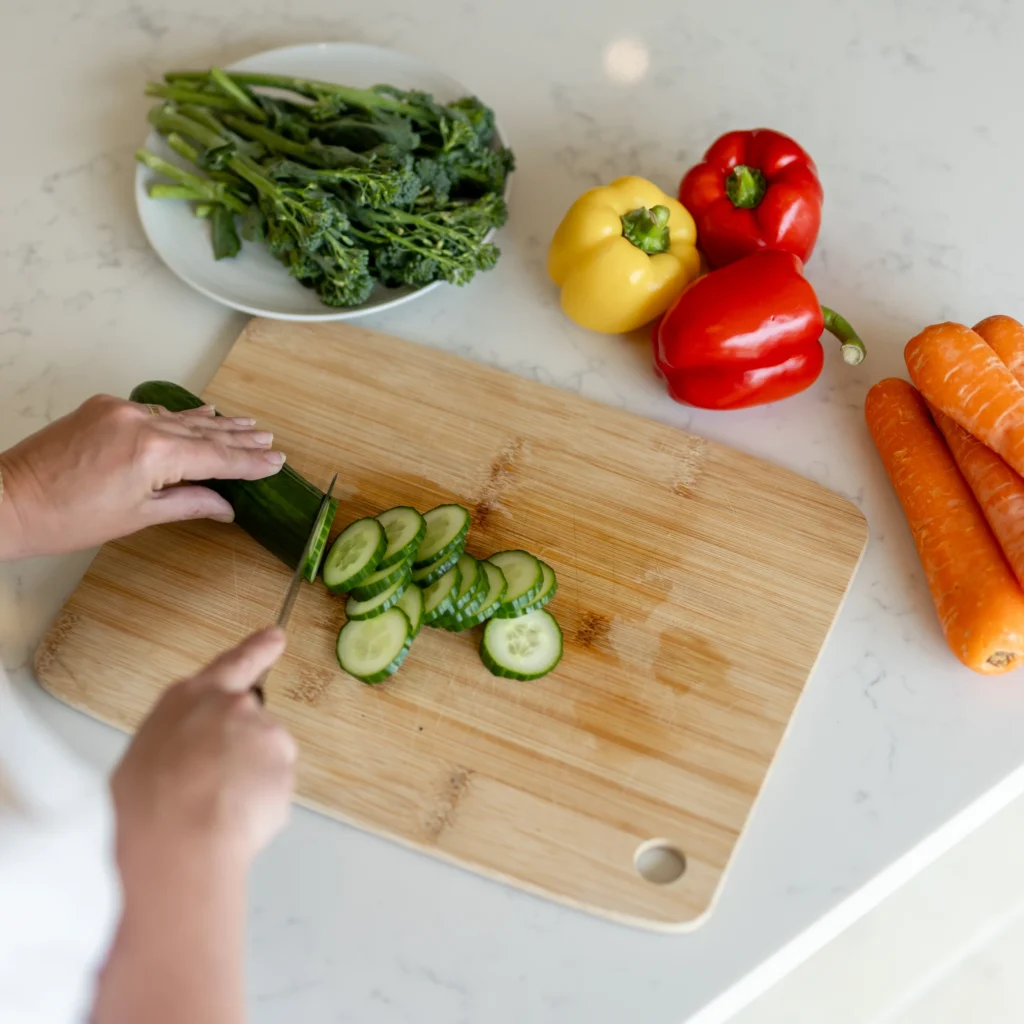
If you don’t feel able to prepare nutritious meals anymore there are companies who specialise in delivering prepared meals directly to your home. Companies such as Parsley Box or Oakhouse Foods offer meals and deserts that cover many food groups and often specialise in smaller portions too. If you like cooking but aren’t able to source ingredients yourself, companies such as Gousto or Hello Fresh will deliver meal kits to your doorstep from hundreds of recipes online. It’s important to check prices carefully though as some meal services can work out quite expensive per portion. It’s worth asking a loved one to help you decide which is best for you.
When Nutrition Challenges Signal the Need for Extra Support
If you’ve noticed that you no longer feel like eating regularly or a loved one has pointed out that you’re losing weight, it’s important to talk about it. Even though it can be difficult to admit we need help, people around you will only want the best for you and to support your wellbeing. If a friend or relative offers to help you prepare meals you could turn it into an enjoyable bonding exercise, spending quality time together and then eating the fruits of your labours! If family don’t live nearby, why not explore local lunch clubs and make important social connections while enjoying a nutritious meal? Local churches and older people’s clubs will be able to point you in the right direction.

Discover Home Care Support with Helping Hands
If you are keen to have someone coming to your home regularly to help you prepare nutritious meals, then Helping Hands are the company to trust. We’ve been supporting people to live as independently as possible in their own home since 1989 – that’s 36 years of caring!
Whether you’d like someone coming regularly or living in with you, your carer can help to batch cook meals or shop for groceries. This ensures that you’ve always got nutritious ingredients to hand, or a freezer full of ready meals that you can pop in the oven. Request a callback today or pop into your local branch to find out how we could be supporting you with visiting or live-in care.