The benefits of fitness classes for the elderly and how to find them

What types of exercises are suitable for the elderly?
Gentle workouts enhance flexibility, endurance, and independence.
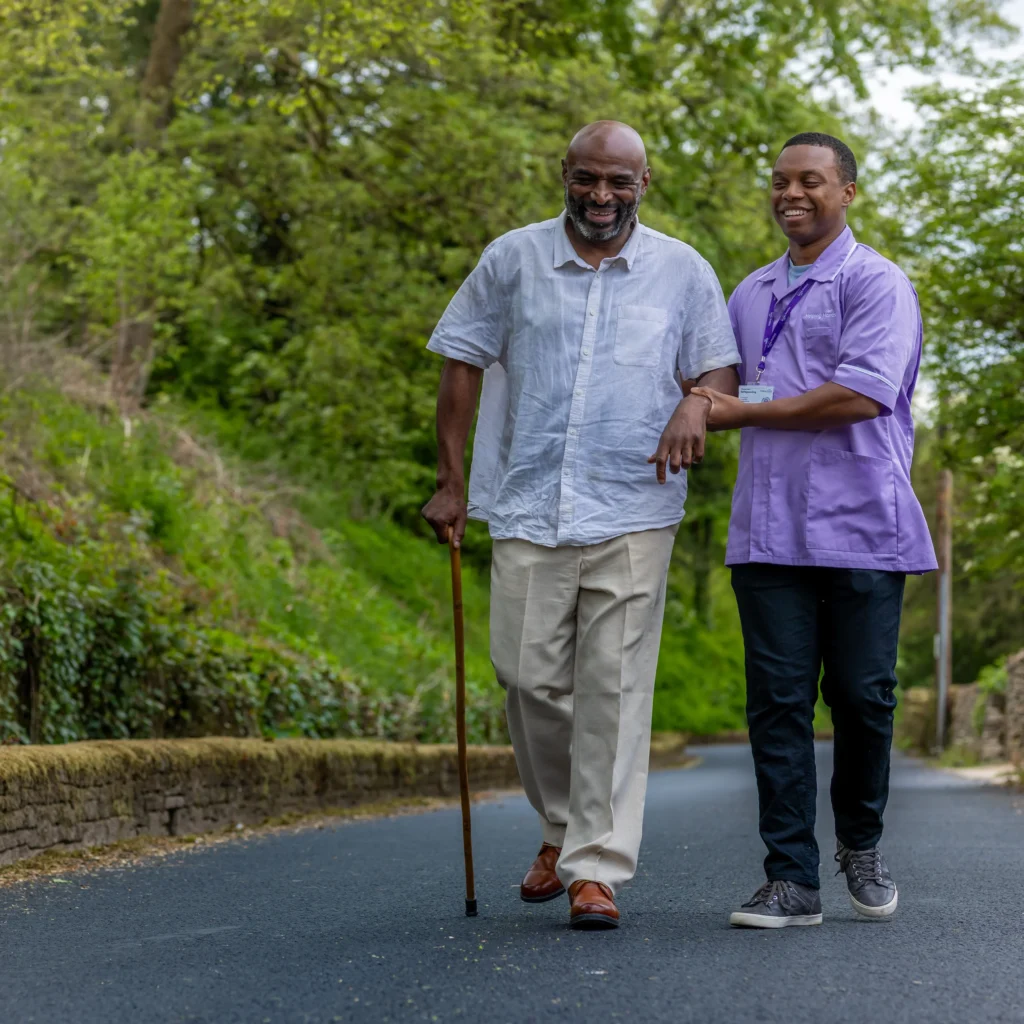
Some great exercises for elderly people can include low-impact activities such as walking, swimming, and cycling, which improve cardiovascular health without straining joints. Strength training can also help to maintain muscle mass and bone density, while balance exercises can reduce the risk of falls. Stretching and yoga enhance flexibility and mobility too. The NHS also has a helpful guide on getting more exercise in daily life, which can lead to an improved quality of life during your twilight years.
Some exercises that are helpful to elderly people include:
Cardio machines
Cardio machines like treadmills and stationary bikes can provide low-impact exercise, and rowing machines can improve cardiovascular health while strengthening muscles. These machines provide safe, adjustable workouts that can improve heart health, endurance, and mobility.
Resistance bands
Resistance bands are an excellent activity for elderly people as they provide a low-impact way to build strength, improve flexibility, and enhance joint stability. They are lightweight, easy to use, and adaptable for various fitness levels, making them ideal for maintaining muscle mass and bone health.
Yoga
Yoga for elderly people improves flexibility, balance, and strength while promoting relaxation and mental well-being. Gentle poses and breathing exercises improve joint mobility, reduce stiffness, and support better posture. It also helps lower stress, anxiety, and blood pressure, and overall heart health.
Tai Chai
Tai Chi is a gentle, low-impact exercise that improves balance, flexibility, and coordination while reducing the risk of falls. Its slow movements improve muscle strength, joint mobility, and circulation without straining the body. It also promotes relaxation, reduces stress, and supports cognitive function.
How long should the elderly exercise for each day?
Seniors should aim for at least 30 minutes of moderate exercise most days of the week.
The NHS advises that elderly people do some form of physical activity every day to help improve their health and reduce the risk of heart disease and stroke. It’s a good idea to aim for at least 30 minutes of moderate exercise most days of the week, totalling around 150 minutes per week. This can include walking, strength training, balance exercises, or stretching. Those with limited mobility who may require mobility care from Helping Hands can break it into 10-15 minute sessions throughout the day.
The benefits of fitness classes for the elderly
Improved cardiovascular health
Fitness classes improve cardiovascular health by strengthening the heart, improving circulation, and lowering blood pressure. Regular exercise helps reduce bad cholesterol while increasing good cholesterol, decreasing the risk of heart disease and stroke. Fitness classes can also regulate blood sugar levels, improve oxygen flow, and make daily activities easier.
Increased balance
Fitness classes improve balance in the elderly by strengthening core muscles, improving coordination, and increasing flexibility. Some exercise classes can include Tai Chi, yoga, and stability drills that reduce the risk of falls by improving posture and proprioception. Regular participation also boosts confidence in movement, making daily activities safer and easier.
Enhanced bone health
Fitness classes can help bone health by using weight-bearing and resistance exercises to stimulate bone growth and reduce bone loss. Activities like strength training, walking, and yoga help maintain bone density, lowering the risk of osteoporosis and fractures. Regular exercise also improves posture, balance, and muscle strength, further protecting bones and reducing fall-related injuries.
Improved posture
Fitness classes improve posture in the elderly by strengthening core, back, and shoulder muscles, reducing slouching and spinal strain. Exercises like yoga, Pilates, and strength training enhance alignment, flexibility, and balance, preventing back pain and improving mobility. Better posture also supports lung function, circulation, and overall confidence in movement.
Mental health benefits
Fitness classes improve mental health in the elderly by reducing stress, anxiety, and depression through physical activity and social interaction. Exercise boosts endorphin levels, enhancing mood and cognitive function while lowering the risk of dementia. Group settings provide companionship and a sense of community, reducing loneliness and promoting overall emotional well-being.
Increased energy levels
Fitness classes help boost energy levels in the elderly by improving cardiovascular endurance, muscle strength, and overall stamina. Regular exercise improves oxygen flow and metabolism, reducing fatigue and promoting a more active lifestyle. With improved energy, daily tasks become easier, and overall quality of life is enhanced.
How do I find elderly exercise classes near me?
There are many resources you can use to find fitness classes near you. A few of these include:
Expert elderly care with Helping Hands
At Helping Hands, we pride ourselves on our elderly care that adapts to your needs. We can offer care as a live-in, visiting or respite basis.

Visiting care

Live-in care
A fully regulated home care provider
Here at Helping Hands, our service is regulated by the Care Quality Commission (CQC) and the Care Inspectorate Wales (CIW)
This means we need to consistently meet high standards and are monitored by our regulators.