The difference between care homes and home care
What is home care?
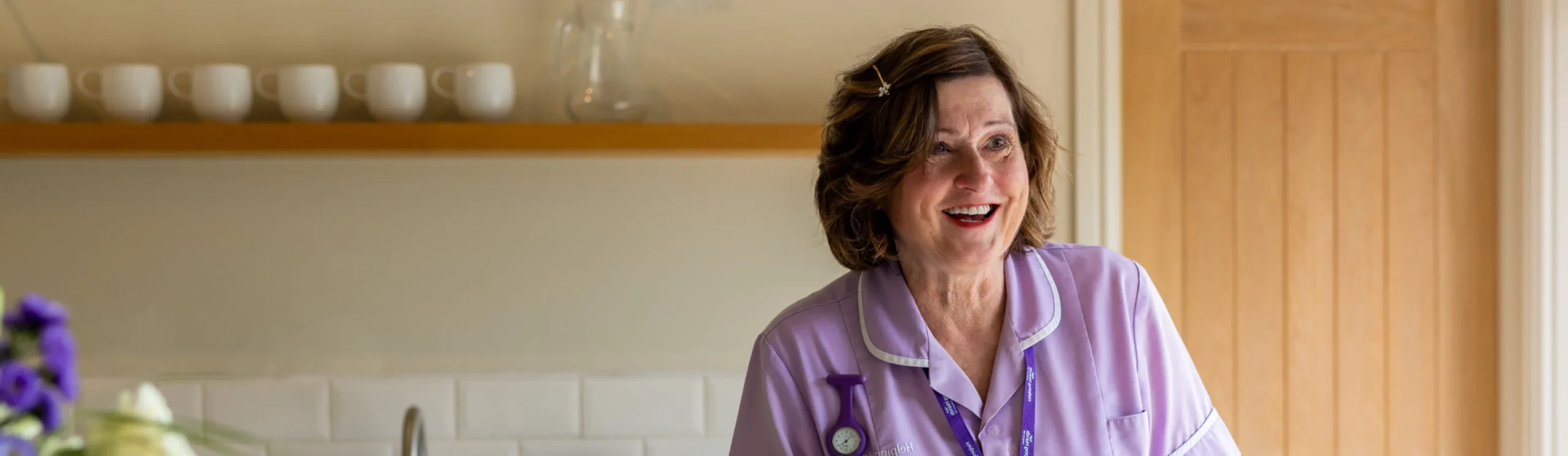
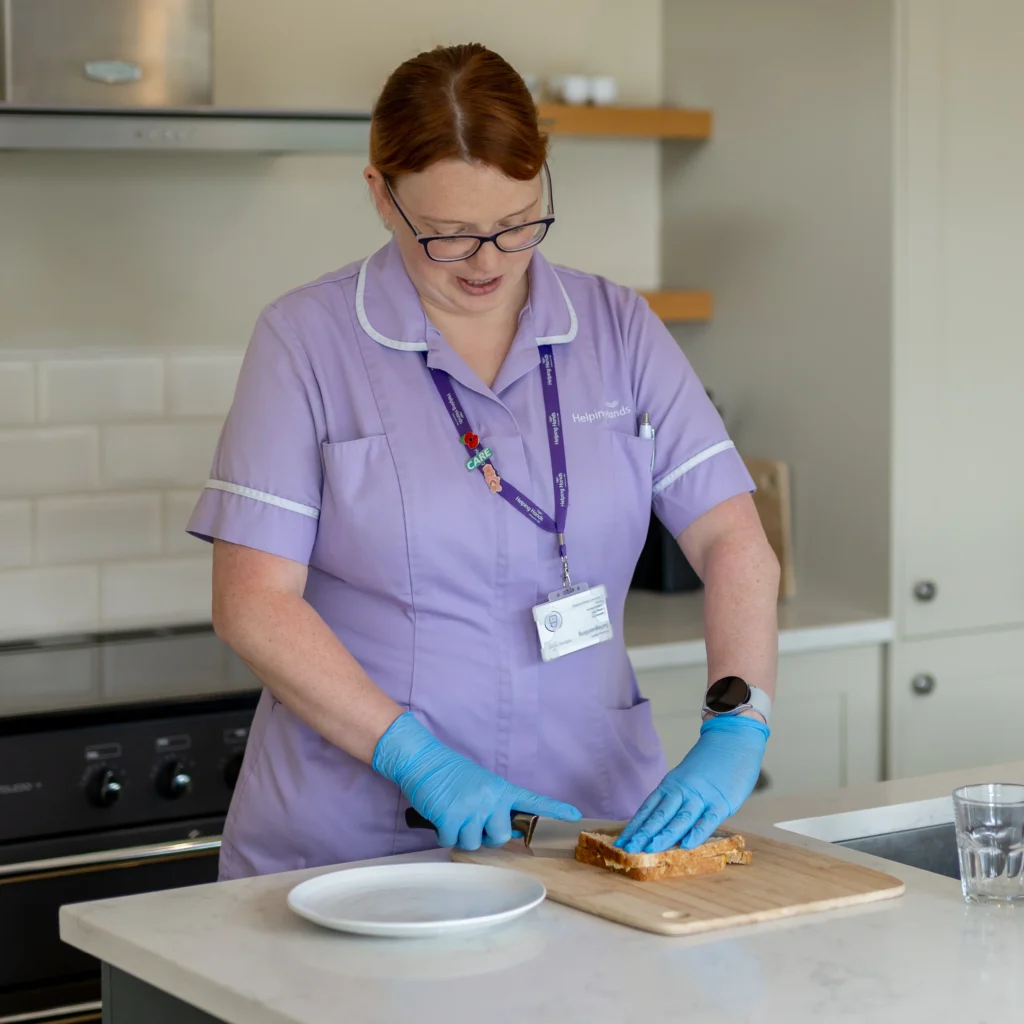
Home care is a bespoke support option that lets you receive first-rate care in your own home.
We know that considering your healthcare options can be overwhelming and it can often be difficult to know which option to choose. From care homes, home care or relying on family, it can be difficult to make a decision when it comes to your care options. You may be considering care if you need help with your condition or you’re slowing down with age. Whether you need an extra hand to explore the community or need a more hands-on approach to help with your condition, getting extra support may be for you. This article will aim to make the decision a little easier and outline the differences between care homes and home care.
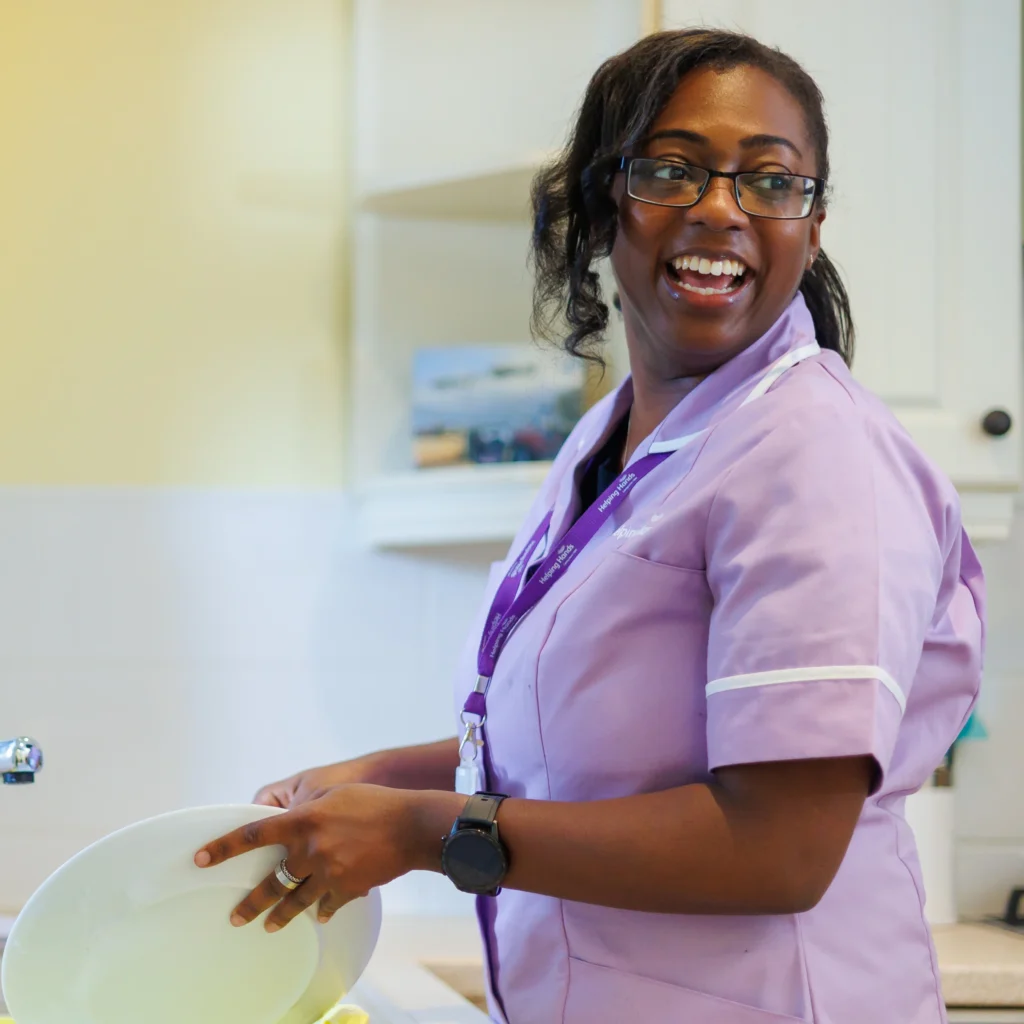
Home care is just that – care in your own home.
Care at home allows you or your loved one to receive expert care in the place you love most – your own home. Help can be received as little or as often as you need and is designed to work specifically around you and your needs. You can remain in your home surrounded by your loved ones and tailor your care programme around your specific condition. Home care can provide all the benefits of a care home without having to leave your house, with a friendly and compassionate carer handpicked just for you.

What does home care involve?
Home care can involve condition-led support, companionship, and a tailored care plan around your needs.
One-to-one care
Home care allows you to receive one-to-one support from your own personal carer, meaning you’ll always have their full attention and expert care.
Maintain routine
From baking a tasty cake to going to the theatre, receiving care at home means you’ll be able to continue to maintain your routines and your hobbies.
Remain at home
You will be able to remain in comfortable and peaceful surroundings while benefitting from person-centred support.
Be with family
With a personalised support plan, you can spend as much time as you wish with your family and friends – either in your own home or theirs.
Personalised support
From baking a tasty cake to going to the theatre, receiving care at home means you’ll be able to continue to maintain your routines and your hobbies.
Holistic approach
Our holistic approach to home care means that every aspect of you and your family’s support needs will be catered for with compassion.
Here are a few advantages to choosing care at home:
What is a care home?
Care homes, or residential homes, are places where individuals relocate to if they wish to receive care.
Care homes help support people who need an extra hand with mobility or day-to-day tasks, and often have multiple people who are receiving care alongside yourself. They can also help with personal care like eating, dressing and taking medication. While all care homes offer healthcare to suit your needs, some offer specialist care such as aid with dementia or elderly care. Care homes can be a daunting prospect, but they don’t have to be. They are designed to support you and provide accommodation surrounded by care experts. Care homes offer a safe, comfortable environment to live in and are a great alternative for those who may be struggling to live alone.
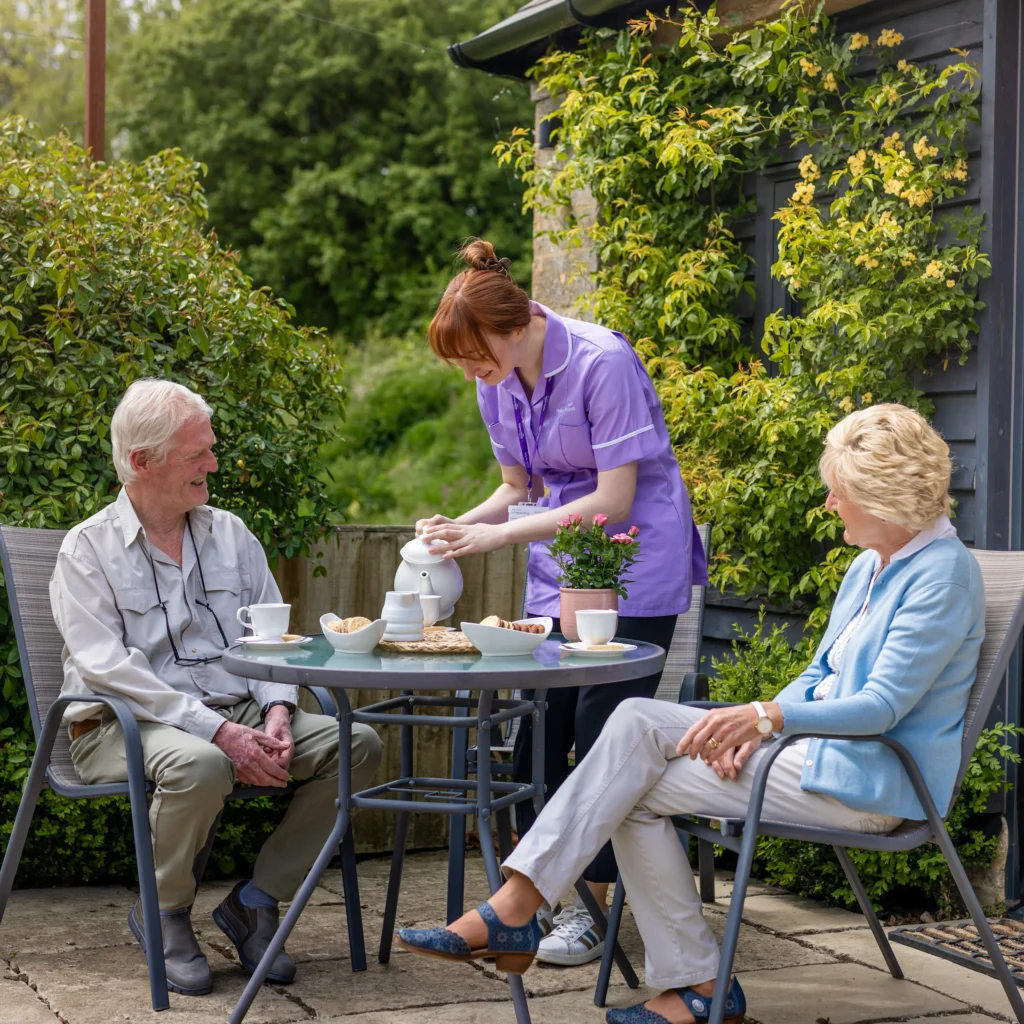
Care homes provide a home for people who need support with every day life.
Care homes handle everything from meal preparation, discreet care, laundry, and general daily routines to maintain a good quality of life. Care homes can be a great alternative to struggling at home without support and they can offer a safe haven for someone who needs a bit more help. Nursing homes can help with a more specialist approach to complex needs. Helping Hands can offer expert healthcare too, but with the additional bonus of staying within your own home!
How does living at a care home work?
The two main types of care homes are residential homes and nursing homes.
Nursing homes
Nursing homes are a more specialist version of a residential home to handle more complex needs. With personalised nursing care plans, they can offer specialist treatment such as dementia care. They provide a more medically complex care service if your needs require it. They can sometimes be known as elderly mentally infirm (EMI) nursing homes, which offer 24-hour support from registered nursing staff.
Residential homes
Residential care homes are supported accommodations without specialist nursing care. They can offer personal care such as dressing, hygiene and help with eating and drinking. They provide physical assistance and supervision and can assist with the tasks of daily life. Residential homes are generally aimed at people who have low care needs, higher independence and who need support with the day-to-day.
What are the advantages of home care?
Home care allows you to remain in the comfort of your own home.
Home care has many benefits and can be a great alternative to relocating into a care home. Generally, home care leads to higher satisfaction with life even around those with a condition or age-related frailties, and it can be a safe place to prevent any contagious infections. Home care allows more dignity, comfort and independence which is crucial for a positive outlook. Families also tend to be more involved with the care provided and maintain a closeness with their loved ones, keeping families together.

Care is also delivered one-to-one and assures more attention than a care home.
With home-cooked meals and personalised exercise routines, home care can keep a close eye on your health and well-being with the added safety of a qualified carer nearby. On top of all this, the biggest advantage of home care is undoubtedly staying within the familiarity of your home and enjoying your comfortable surroundings. What could be better than a cuppa in your favourite armchair?
How Helping Hands can help with your home care
We offer live-in, visiting and respite care within the comfort of your own home.
Visiting care
Live-in care
A fully regulated home care provider
Here at Helping Hands, our service is regulated by the Care Quality Commission (CQC) and the Care Inspectorate Wales (CIW)
This means we need to consistently meet high standards and are monitored by our regulators.