


What Should I Expect From a Dementia Test?

What Is a Dementia Test?
According to the NHS, there are many different ways to test for dementia. “There’s no single test for dementia. A diagnosis is based on a combination of assessments and tests.”
These may be carried out by various medical professionals at different locations, such as a GP in their surgery, or by a memory specialist at a hospital or clinic. The tests will look for various different things that will give indicators to the level of cognitive impairment present.
Typical Types of Dementia Testing
The medical professionals who carry out the tests will ask questions, use recognised tests and medical procedures to help make a diagnosis. These include:
Medical History Assessment
The GP will want to establish how and when your symptoms began and how they affect you day to day. They’ll also want to know about pre-existing health conditions and any medications you are taking, whether prescribed or over the counter.
Cognitive Exams
Tests to measure memory or thinking abilities, such as short and long-term memory, concentration, language and communication skills will be undertaken, along with assessments to measure awareness of time, place, and attention span.
Physical Assessment
Your GP will want to make sure that the dementia symptoms are not caused by something else. Therefore, they will want to do a physical examination, as well as urine tests to rule out an infection that could be displaying similar symptoms.
What To Expect During a Dementia Test
It’s recommended to take someone along with you when you have a dementia test, or the likelihood is that your loved one will have been the one to contact the GP and will wish to accompany you anyway. “When you first see your GP, they’ll ask you questions about your symptoms and how they’re affecting you,” say Alzheimer’s Research UK. “They may also do a blood test and ask you to complete a short memory and thinking test.”
The GP will put your mind at ease, talk to you about what you may have been experiencing and ask you some questions about your daily life. They’ll encourage you to say what your reality is on a day-to-day basis so honesty is very important. It may be tempting to say that everything is fine because you’re worried abut the implications of a diagnosis, but it’s important to have all the facts so that you can all plan for the future.
How You Can Prepare for a Dementia Test
There are several things you should do in advance of your GP appointment. These include:
Keeping a diary
Writing down symptoms you or a loved one notice and your experiences will help the GP to build a picture of your daily life and how you’re being affected.
Asking someone to come with you
Having someone with you to help explain your reality will mean nothing gets missed. They also may have noticed things you haven’t.
Listing medications
Writing down all medications – including over the counter and supplements – will help your GP to decide what is causing your symptoms.
When Should I Consider a Dementia Test?
You may have noticed that you’re forgetting things more often, such as where you put your keys, or plans to meet up with friends. Equally, you may not feel there’s anything wrong, yet loved ones may have been talking to you about things they’ve noticed. It can be stressful when you feel that there’s nothing wrong yet those around you insist differently.
It may cause conflict between you but it’s important to remember that they love you and want to help you live as well as possible. Chatting to a GP initially means you can put across your concerns and worries for the future as well as consider your symptoms.
Exploring Dementia care at Home With Helping Hands
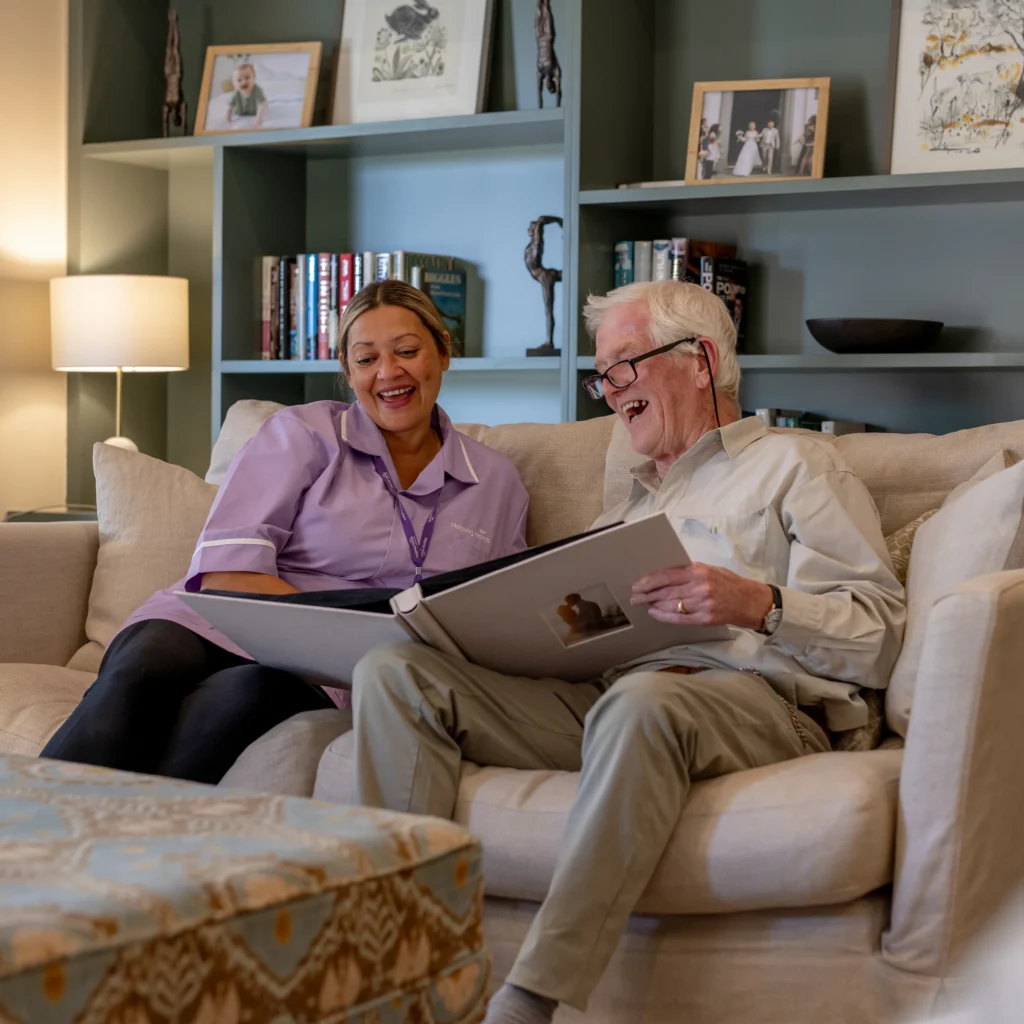
Helping Hands have been supporting people living with dementia since we were established in 1989. Dementia care at home is designed to give you the support you need to continue living in the home you love.
Because we have 155 branches across England and Wales there’s bound to be one near you, and our dedicated local branch teams will explain your options and help you see a way forward.
Our dementia care is person-centred support that helps you to face the changes to your daily life that you’ll experience as your dementia progresses. Our carers are compassionate and professional and will help you to make the most of every day, at home, and in your local community.

Very friendly, helpful and experienced. They are a lifeline for my Mum who has Alzheimer’s. I would recommend them with no reservations to anyone seeking care for those in need."
Andrew, Trustpilot review