


How you can make your home safer for those receiving care
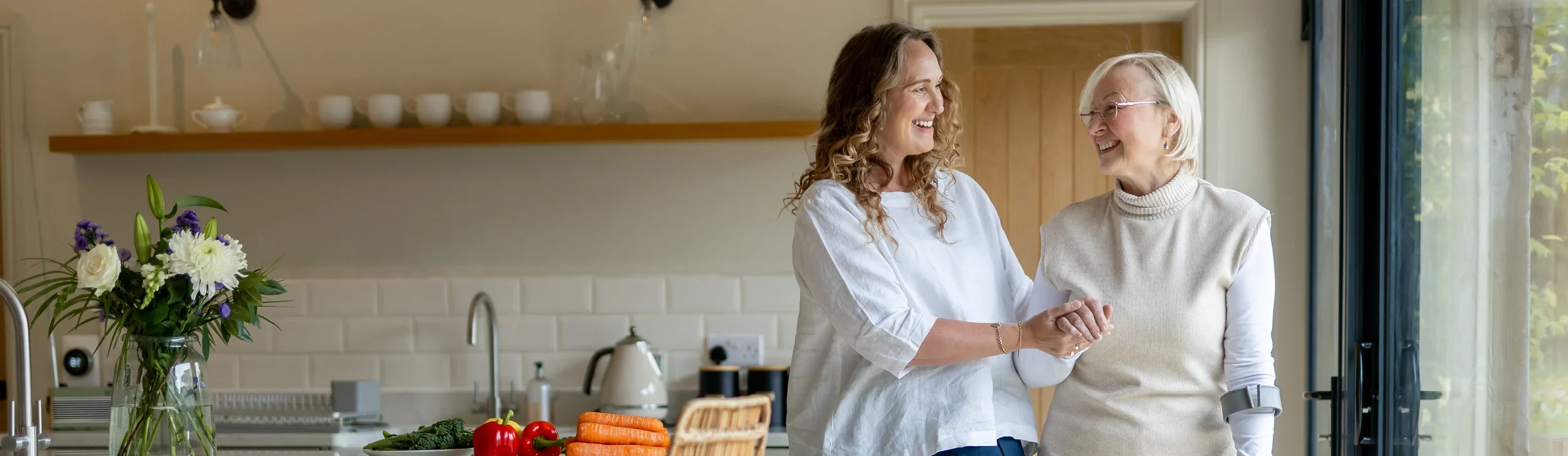
Why is it important to make your home safer for care patients?
‘Home is where the heart is’ is a common phrase often used to depict the wonderful benefits of the place you love most – your home.
If we imagine the phrase ‘home is where the health is’, perhaps it will prompt us to look at how safe our surroundings truly are. Adapting your home to increase safety measures will add to the charm of home care by decreasing falls, trips, and accidents. Implementing certain changes can be a great way to increase the safety of your already much-loved safe haven. Not only can safety measures prevent accidents, but they can also genuinely increase your quality of life. For example, if you’re living with dementia, making a home dementia friendly with certain colours and patterns can decrease confusion and increase calm. Your home should adapt alongside you, and this article will outline a few ways in which you can help make your home safer.
The benefits of improving home safety for those in care
Improving safety within the home can be beneficial to those receiving care for various reasons.
Peace of mind for family and friends
Implementing safety measures to make your home safer and more accessible can be a great relief to everyone, including you. If you’re elderly or living with a condition, it may be a constant worry of whether accidents, trips and falls may happen. Taking safety measures can provide peace of mind that your chances of accidents have reduced significantly.
Improve the occupant's quality of life
Adapting your home to your needs can greatly increase your quality of life. Staying at home to receive care is a wonderful alternative to relocating, but you may begin to struggle with tasks around the house that once came easy. Adapting the accessibility and safety of your home makes life much easier. The less amount of strain and pain day-to-day will decrease stress and aid in an all-round calm and relaxing atmosphere.
Reduced risk of injury or getting stuck
Non-slip mats, shower seats and stairlifts are great ways of keeping your house a home for your changing needs. If your mobility has declined recently, there are many ways you can be supported and hopefully, trips and falls can be a thing of the past. Proper fall prevention equipment is a great way to do just that – to prevent any accidents. This way, you can continue living at home with that extra bit of support.

How to improve home safety room-by-room
We can employ safety practices within each room in a house to best prevent accidents.
Safety is paramount within the home, especially for elderly people who may be more prone to trips and falls than others. Elderly people often spend more time sitting and less time on their feet due to a decline in mobility. This typically results in decreased strength, coordination and balance which all add up to an increased likelihood of having an accident at home. Here are a few ideas on how you can ensure safety for the elderly at home.
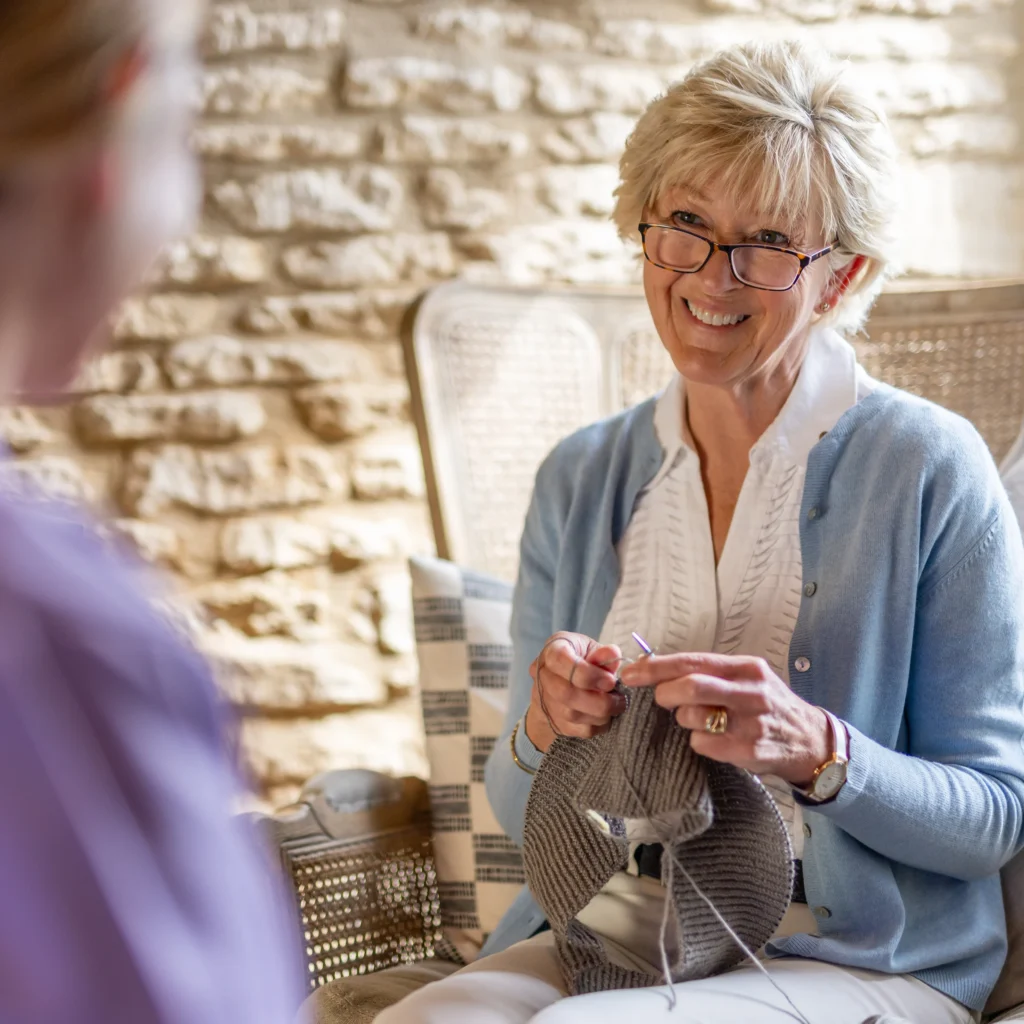
Living room
We may spend a lot of time in the living room as we grow older. After all, why not when there’s a cosy fire and a TV in there? Removing clutter from the ground, adding slip-resistant rugs, and keeping the room well-lit are all ways to prevent falls in the living room. Use an assistive standing device to help you get up and down, or even get a lift chair. If reaching for things is an issue, perhaps try reaching tools to help keep the strain of stretching to a minimum.
Kitchen
Kitchens can be dangerous places with knives and boiling water around. Making a kitchen safe is doubly important if you’re receiving care. Adjustable countertops, grab bars and easily accessible doors can all help if you may have mobility issues. Sufficient lighting and organisation of the kitchen tools can be a great help, alongside regular check-ups on appliances. You can also make sure they have easy-to-read and large dials for digital displays if someone is hard of sight.
Bedroom
Bedrooms are where we spend one-third of our lives asleep, so it’s good to implement safety procedures. You can improve safety by purchasing an adjustable bed. If you have struggled with mobility, these beds can be a great tool in creating a comfortable environment. If you are living with dementia, bed alarms are a great way to help alert a helper throughout the night. Adjusting your bed’s height and reducing trip hazards are also fool-proof ways to avoid accidents.
Bathroom
With all that water, the bathroom is the number one location for slips and trips, especially if you’re rushing to and from the bathroom all night! Making sure the area is well-lit and organised is a good first step. The best ways to help with mobility in the bathroom include a walk-in shower, a shower chair or grab bars as safety rails in the room. Non-slip mats are a must, alongside a help button to alert your nearby carer for help if needs be.
Hallway
As with all rooms, make sure your hallway is well-lit and devoid of any clutter. You could also consider motion-centre lights if you’re hallway is akin to the long Hall of Mirrors at Versailles. Make sure that the carpets are currently fixed to the floor and if you have a wooden one, invest in some anti-slip rugs or even some stylish anti-slip shoes. If you have a telephone in the hallway, it’s a good idea to keep a list of emergency numbers in a large print right next to it so it’s easily accessible.
Staircase
Stairways are famous for being hazardous, and even more so if you have mobility issues. Ensuring handrails on either side of the staircase will help you feel more secure when going up or down. Good lighting is a must to improve visibility and the area is devoid of clutter to avoid trips and falls. Make sure all rugs and carpets are firmly fixed to the floor and have no slip strips. Or you can install a stairlift if you have more serious mobility issues.
A home safety checklist
A few questions to ask when implementing safety procedures are:
Bedroom
Bathroom
Living room
Hallway

Kitchen
Finding home care support through Helping Hands
We offer live-in, visiting and respite care for all of your care needs.
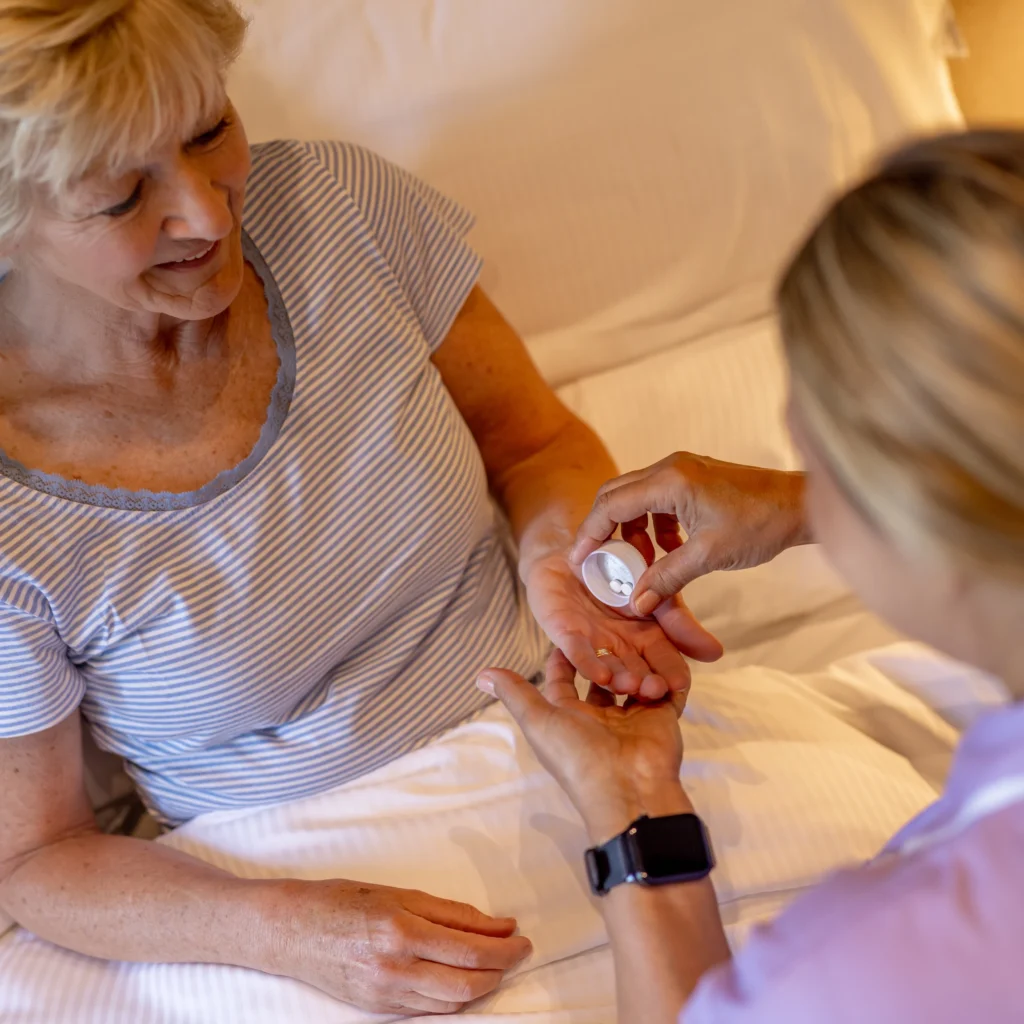
At Helping Hands, we can offer a selection of bespoke and tailored care at home to help you and your unique needs. We offer live-in, visiting and respite care within your own home and personalised to you. Whether that’s condition-led care, nurse-led care or elderly care, we can help form a high-quality care plan with our competent and experienced carers. Not only do our carers handle all the complex tasks like medication administration, fall and trip prevention and personal care, but we can also help with the day-to-day tasks you may struggle with nowadays. Even if that’s simply getting out and about, we can help as our compassionate carers make great companions too! You’ll be in the safest of hands when it comes to your home care – Helping Hands.