


Causes and signs of a stroke
How to identify the signs
Being able to quickly identify and respond to a stroke could save someone’s life.
It is crucial to act fast when you notice even just one of the signs of a stroke. Responding quickly may help to save your or a loved one’s life, or help to limit the potential long-term effects.
A stroke happens when the blood supply to the brain is restricted or stopped, causing brain cells to die. It can lead to disability, brain injury and possibly even death.
Experiencing a stroke is serious and life-threatening, but the damage can be lessened if you seek medical treatment urgently.

Signs of a stroke
There are a number of common warning signs to look out for when someone is having a stroke.
An easy way to remember the warning signs of a stroke is by using the acronym FAST: Face, Arms, Speech and Time. The following essential checks could help you or a loved one if you suspect a stroke is occuring:
Face
Has the face dropped to one side – maybe the mouth or eye? You may notice that the person is unable to smile evenly on both sides.
Arms
Is there difficulty in lifting both arms in the air and keeping them there? You are looking for signs of numbness or weakness in one arm.
Speech
Has the person’s speech become garbled or slurred? Maybe the person is unable to speak at all, even though they seem to be awake.
Time
If you notice even one of these signs then it’s time to call 999. A stroke is an emergency and it is essential to be treated urgently to reduce the impacts.
What causes a stroke?
A stroke occurs when the flow of blood to the brain is blocked, restricting oxygen supply.
For the brain to function properly, as with all organs, it needs the oxygen and nutrients that are provided by blood. A stroke happens when blood flow to a part of your brain is cut off. Once this flow of blood to the brain is restricted, either by a blood clot or a burst blood vessel, blood cells will begin to die – causing a stroke. As soon as this happens, damage may start to occur.
There are two types of stroke – ischaemic and haemorrhagic – and they both have different causes.

Ischaemic stroke
This type of stroke is when a blood clot stops the blood supply to the brain. It is the most common form of stoke and accounts for 85% of all cases. Fatty deposits in the arteries cause the arteries to narrow or become blocked, which in turn causes the blood clots that cause an ischaemic stroke.
This narrowing of the arteries does happen naturally as you get older. However, there are things that can accelerate this narrowing process, such as:
Haemorrhagic stroke
Although not as common as ischaemic strokes, a haemorrhagic stroke is caused when a weakened blood vessel that supplies blood to the brain bursts. This is mainly caused by high blood pressure.
There are certain things that increase the risk of a haemorrhagic stroke:
How is a stroke treated?
The medical treatment you receive depends on the type of stroke you have.
It also relies upon what caused the stroke and which part of the brain was affected. Most of the time, a stroke is treated with medication to reduce both blood pressure and cholesterol, and also to prevent and dissolve blood clots.
There are some cases when a medical procedure may be required to remove the blood clots. For haemorrhagic strokes, surgery may also be needed to reduce the risk of more bleeding and maybe also to treat brain swelling.
Recovery and stroke aftercare
If you, or a loved one, have experienced a stroke, you are likely to experience long-term problems, caused by the resulting damage to the brain.
Rehabilitation may be needed before reclaiming the independence you once had. However, there are many people who don’t fully recover and need extra support to adjust to life after a stroke, which may be available from your local authority.
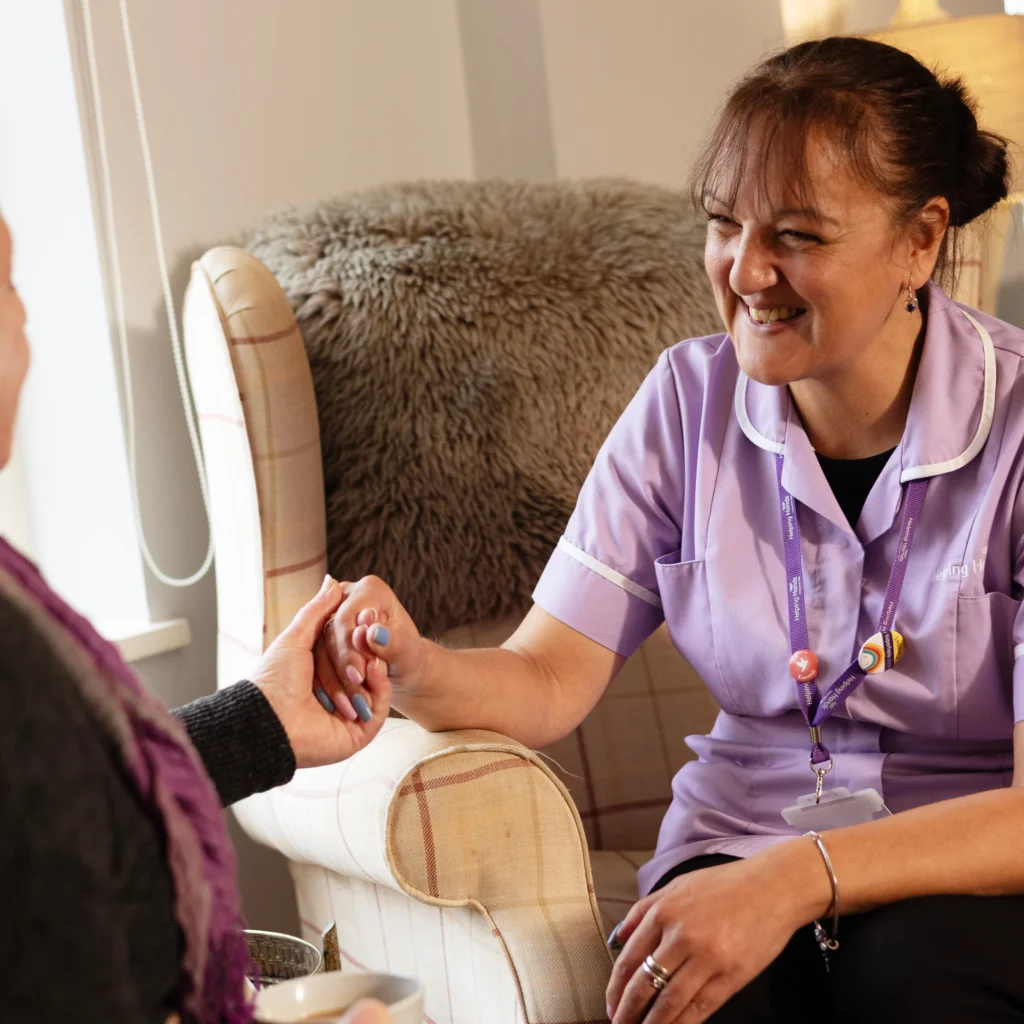
You may decide you need some stroke aftercare at home to support with independent living. While some rely on the support of loved ones after a stroke, a trained carer can offer dedicated assistance, either through regular care visits or through live-in care.

Stroke aftercare can support you with:
Verbal exercises
If you’re struggling with your speech after a stroke, your carer can help with regular verbal exercises as recommended by a nurse
Physiotherapy
Our carers are trained to assist with physiotherapy exercises that can help with your mobility and physical rehabilitation
Household chores
From tidying the sitting room to cleaning the bathroom and hoovering the stairs, your carer can help with just about any chore
Personal care
From toileting and bathing, to dressing and continence care, our carers can provide discreet, dignified personal care
Mobility support
Every Helping Hands carer is fully trained in mobility support, so they can help you move around your home and get out and about
Meal preparation and feeding
Your carer can prepare and help you eat your favourite meals and snacks, as well as ensuring you get all the nutrients you need
How to reduce the risk of having a stroke
By leading a healthy lifestyle, you can significantly reduce the risk of having a stroke. If you’ve had a stroke in the past, there’s a bigger risk of having another, so it’s important to follow a healthy lifestyle.
Some medical conditions can increase the likelihood of a stroke, so it’s essential to manage these effectively. If you have high blood pressure or cholesterol, these can be lowered by using medication. You can reduce the risk of a stroke by:

How to arrange stroke aftercare
We know that arranging care can be a daunting process, which is why we focus on making it incredibly straightforward to organise support with us. Call our team today to begin your journey.
Speak to our team
Our friendly, knowledgeable team can answer your questions and talk you through your options. We are available 7 days a week.
Book a free care assessment
Your local Helping Hands care manager will visit you to understand your needs and preferences and discuss how we can help. We can visit you at home, in hospital or even a care home to carry out the care assessment.
Confirm your care package
We create a tailored care plan for you to review. Once you’ve agreed the plan, we can organise care in as little as 24 hours.