The Importance of Mealtime Assistance Within Home Care
Why Mealtimes Matter More Than We Think
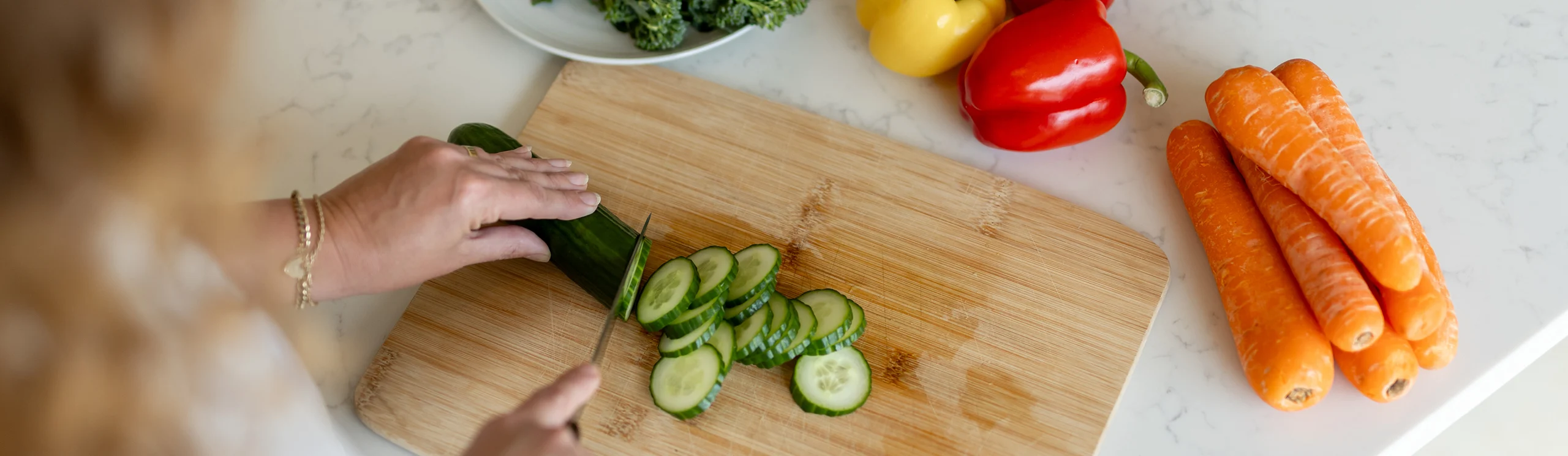
Mealtimes aren’t just an opportunity for social interaction, they’re also the chance to make sure that the person being cared for is eating as well as possible, and sufficiently hydrated.
Enjoying a nutritionally balanced diet is beneficial not just for physical wellbeing but can also aid mental wellbeing. As the British Nutrition Foundation says “Eating a healthy, balanced diet can help to support brain function.”
The Link Between Nutrition and Overall Wellbeing
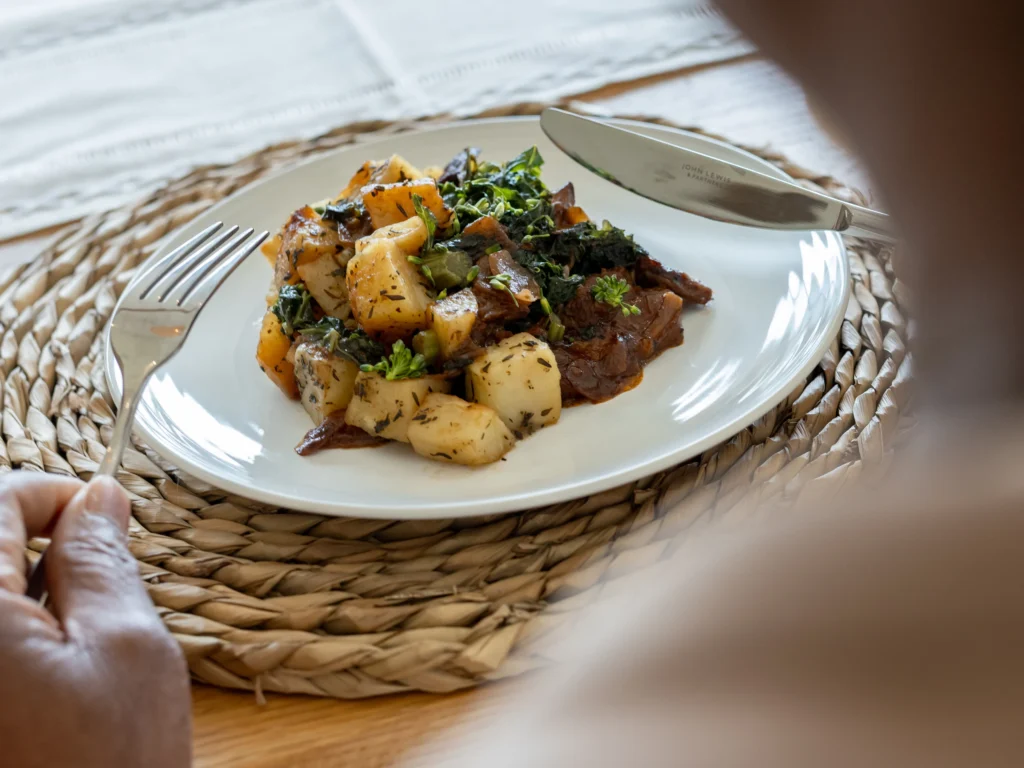
All adults need a varied and balanced diet. Eating nutritiously can promote wellbeing because we consume essential vitamins and minerals.
As we age, we need to pay closer attention to what we eat and our lifestyle, but because people often lose interest in food as they get older, it can become more difficult.
Hunger levels often diminish as we age too, and because taste and smell can also be affected, older people may be less keen to eat.

How Mealtime Support Promotes Safety and Comfort at Home
Mealtime support can mean that a person who may not have the impetus to prepare themselves something, may end up eating well. This is because someone may eat if someone else prepares it but may not have the energy to do so for themselves.
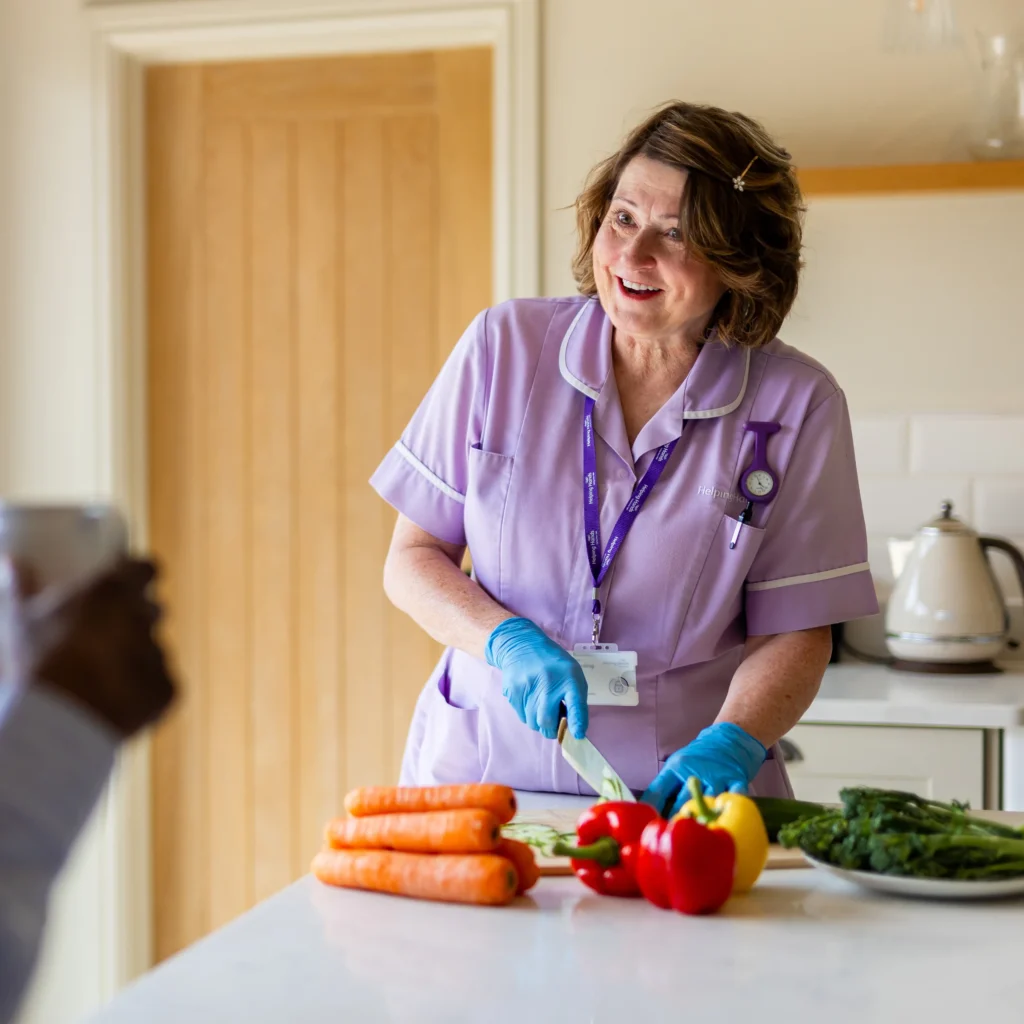
Carers or loved ones may come into the home at specific times of day to prepare food or may prepare it in advance but leave it ready for the person to heat up or eat cold, depending on their preferences.
Key Elements of Effective Mealtime Assistance
Having a visiting or live-in carer from Helping Hands supports you with every aspect of your daily routine, not just at mealtimes.
Supporting Safe Eating and Swallowing
Having someone with you at mealtimes means if you’re worried about swallowing, they can ensure all food is prepared correctly.
Encouraging Nutritious Meals
Eating a balanced diet is important at any age, but having someone there to encourage you to eat well may just make it happen.
Maintaining Hydration
People may not drink enough if they’re worried about continence. Having someone to support you with toileting may allay fears that you won’t make it there in time.
Creating a Comfortable Environment
Remaining at home for meals means you get to choose what you want and eat it in an environment of your choosing.
Respecting Personal Preferences
Our carers will always let you choose what you want to eat, as per your support plan. This keeps you in control.
Promoting Independence During Meals
We’ll never tell you what you should eat, although we’ll encourage healthy choices. You’ll remain independent.
The Benefits of Mealtime Assistance
Having support at mealtimes in the home you love means that you’ll always remain in control of your own routine.
Whether you choose intermittent visiting care or around the clock live-in care, we’ll always promote your independence.
While we’ll always encourage you to eat well and drink plenty, we’re not there to take over. As far as we’re concerned, it’s your home, and therefore, your rules.

Reducing Health Risks Through Proper Nutritional Support
“Water makes up over half our bodyweight – fluids are essential for good health,” say the British Nutrition Foundation, “Older adults who are not in good health, may be more at risk of dehydration and so need to be supported to drink regularly.”
Having a carer there at pertinent times of the day to offer nutrition or fluids may encourage the person to eat or drink more often, promoting both physical and emotional wellbeing.
Tips for Improving Mealtime Support at Home
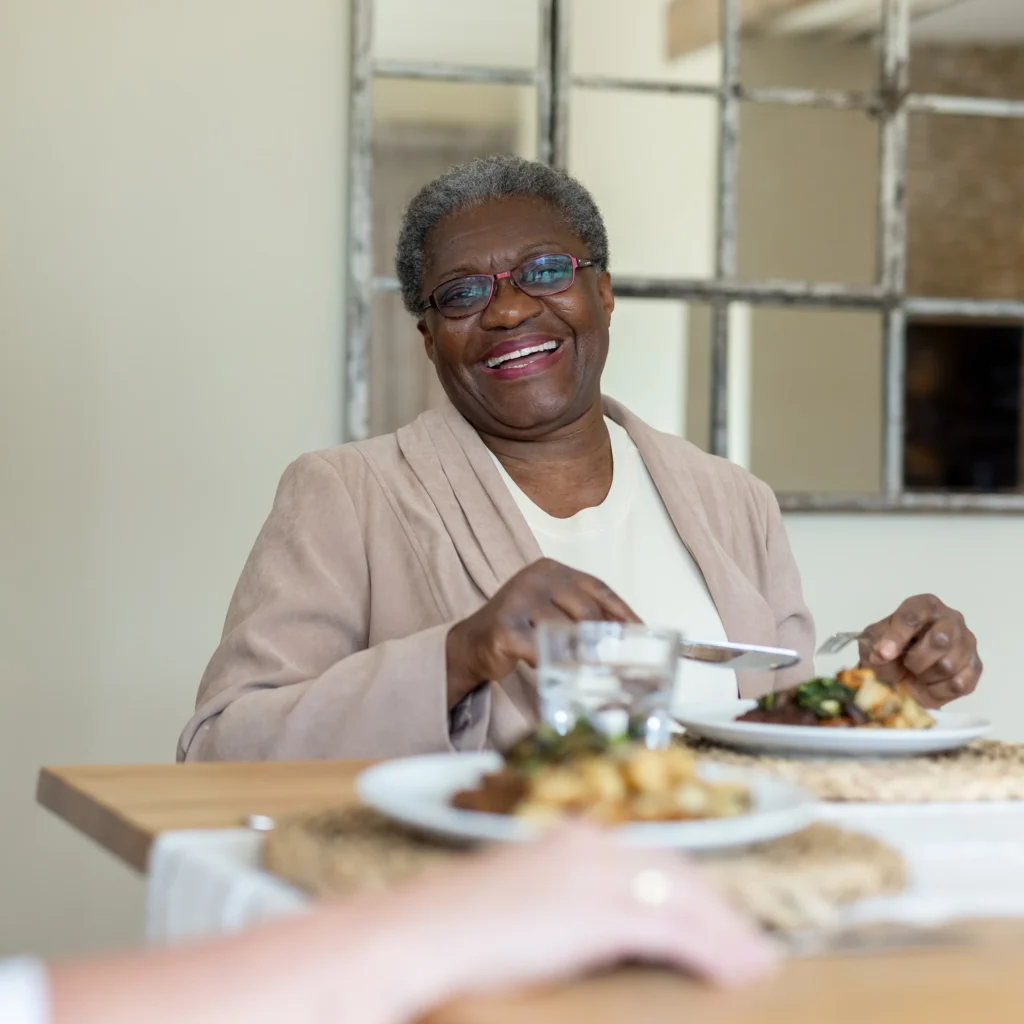
If the person is living with dementia they may have forgotten they need to eat and drink. A carer can encourage this by sitting with the person and eating food or drinking fluids in their eyeline. The person may then ‘mirror’ the caregiver’s behaviour.
Consistent Mealtime Routines
Controlling your routine is one of the best things about care at home. You don’t have to eat when the care home dictates, you call the shots.
Adapt Meals to Individual Needs
Being able to decide what you consume every day, rather than having to eat and drink what’s on the menu is very empowering.
Monitor Appetite and Dietary Changes
Having a carer at home will mean there’s someone to notice if anything changes. They’ll also know who to contact in an emergency.
Encourage Gentle Conversation
The best thing about having a carer in your home is the companionship you may be missing since a beloved partner passed.
What everyday care services does Helping Hands offer?
Personal care
Visiting care can provide you with dignified and discreet support for personal routines, such as bathing, toileting, and getting dressed.
Meal preparation
Your carer can prepare tasty and nutritious meals, snacks, and drinks at the times that suit you, as well as doing the washing up afterwards.
Help with the housework
If you’re struggling to stay on top of the housework, this is something your carer can help with – from doing the laundry to vacuuming the stairs.
Medication assistance
All of our carers are trained to provide dedicated medication support, including helping you to organise and administer it.
Running errands
A carer can run errands on your behalf, such as doing the weekly shop, sorting your mail, or collecting your prescription.
Mobility support
From helping you get out of bed to accompanying you on day trips, our carers are all fully trained to support you.
Mealtime and companionship support with Helping Hands
We’ll work closely with you to plan your care and build your package of support. We’ll listen carefully to your preferences and make sure that all of them go into your care plan. Having a carer in your home doesn’t mean you just get support at mealtimes, you’ll receive as much or as little help as you need, throughout the day and night.
Our carers are all compassionate people who love helping others to live well. Care at home means it’s always person-centred; we don’t believe in ‘one size fits all’ and will always build your support around your exact requirements. We’ll help with every aspect of your daily life, and make sure you live as well as possible, every day.