


How to choose a home care provider in Cardiff
September 22, 2026
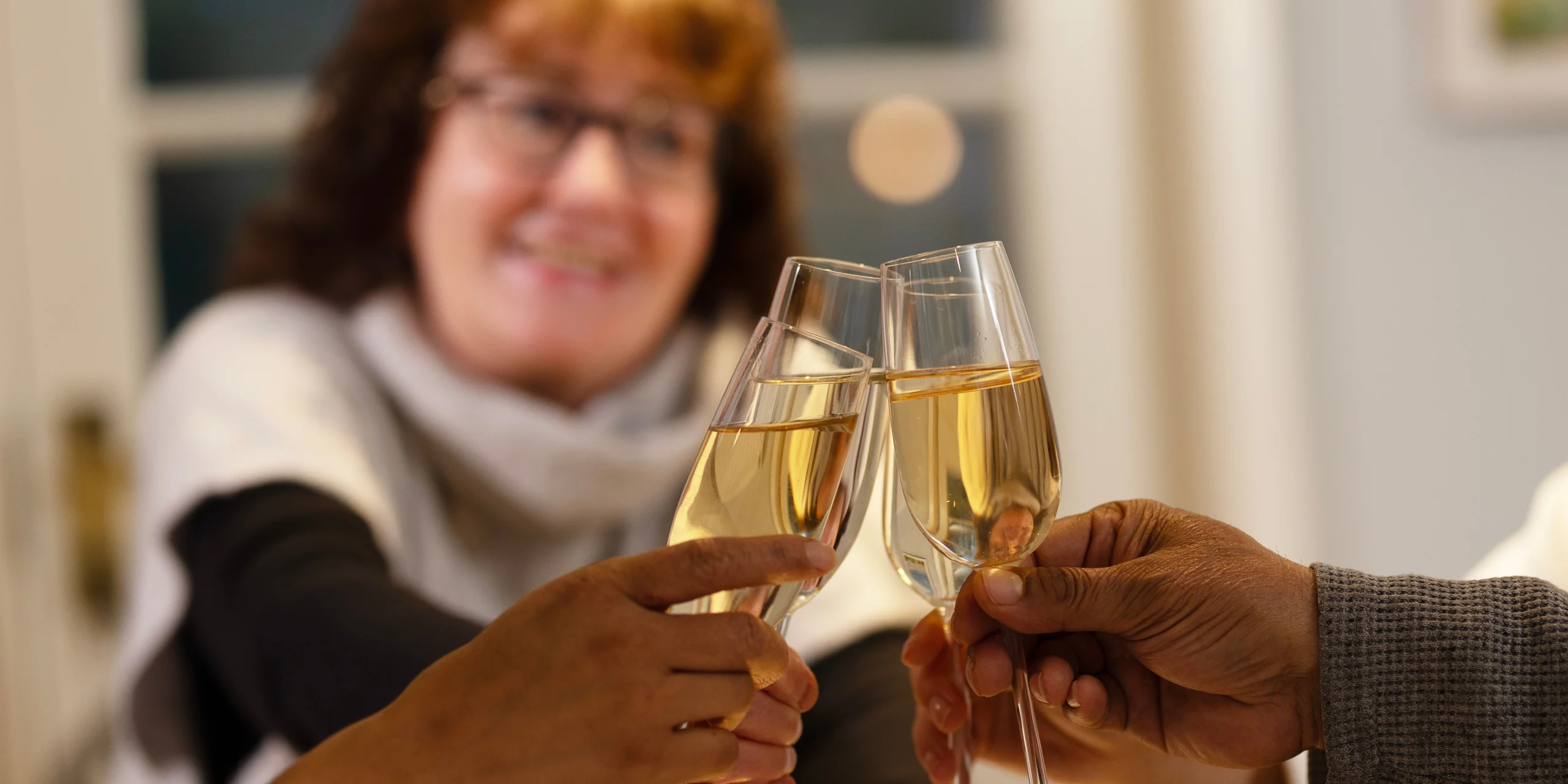
According to ncsd.org National Cancer Survivors Day (NCSD) is “a celebration for those who have survived, an inspiration for those recently diagnosed, a gathering of support for families, and an outreach to the community.”
At Helping Hands, we care for people affected by cancer, whether a person living with it or a loved one supporting them. We’re by your side whenever you need additional help to get through a rough day, or if you’re coming to terms with a diagnosis.
National Cancer Survivors Day is a celebration of life that honours people with a history of cancer and brings awareness to the challenges faced by cancer survivors. It is always celebrated on the first Sunday in June, and in 2026, NCSD will take place on June 7th.
NCSD began as an American celebration and has now spread around the world! At least 20 countries across five continents have held events to mark NCSD, including in Africa, Asia, and Europe. It is a day not just for cancer survivors, but anyone who is in solidarity with them, such as a caregiver, healthcare professional, family member, or friend.
Macmillan explains that “It is normal to feel lots of different emotions when you finish cancer treatment” and they have lots of helpful information to help you navigate your journey from diagnosis through to being cancer-free. Completing cancer treatment can stir up a range of emotions such as anxiety, guilt, and fear for the future, which can affect your physical and mental health.
The realities of life after a cancer diagnosis include feeling shock and not knowing which way to turn. This is completely normal and you may need some time to process what has happened. No two people will feel the same after receiving their diagnosis but will undoubtedly have lots of questions. Your cancer doctor or nurse will be able to give you answers to some of your questions while they explain your treatment plan to you. You will be given the opportunity to discuss options for treatment and time to make an informed decision.
Despite your cancer going into remission, or you’re declared cancer free, you may still have ongoing health needs. Most people need support to build up their muscle strength after cancer treatment and your healthcare team will give you advice on how to take things slowly for the best overall results. Your Helping Hands carer will fit seamlessly into your wider care team and will follow your support plan thoroughly to ensure that you receive the care you need. You’ll be encouraged to follow healthy lifestyle habits, such as giving up smoking and eating a balanced diet, so that future health risks are kept to a minimum.
Some people struggle emotionally after beating cancer, mainly because of emotions such as guilt. “Survivor’s guilt can affect many who have lived with cancer. It’s common to feel guilty for surviving when others did not” say Macmillan. Trying to find something to be positive about, such as spending time with loved ones, pottering in a beloved garden, or just taking a short walk in beautiful scenery can help to improve emotional wellbeing and make you realise that you don’t need to feel guilty for surviving. You are worthy of finding joy in life again. Macmillan’s online community is a resource that may help if you’re struggling emotionally.
Your love done may be struggling to restart their life after surviving cancer, perhaps because of fear that it will return, or because they don’t know how to address their worries. They may feel that only people who’ve gone through what they have will understand, or they don’t want to ‘burden’ family members with their real feelings. It’s quite normal to feel unsure how you should resume a normal life when you’ve beaten cancer. “As well as feeling happy and relieved you’ve finished, you may need to adapt to new feelings, changes in support and different ways of looking at life” say Cancer Research UK.
There are so many ways you can mark National Cancer Survivors Day, regardless sof your abilities, or the stage your cancer journey is at.
Community celebration
The National Cancer Survivors Day website has everything needed to organise a community celebration day.
Independent celebration
If you don’t feel you can organise or attend a community event, you can commemorate the day as an individual or in small groups.
Learn about the issues of cancer survivorship
Cancer survivors face many challenges, even when they’ve beaten cancer. These include physical, emotional and financial difficulties.
Raise awareness
Everyone can advocate for better resources, research, and improvements in the lives of cancer survivors. Taking part in NCSD does that.
When you’ve managed to beat cancer, you may still need some time to get back to full strength, and this is where care at home can make a huge difference. Whether you want someone to undertake household tasks such as cleaning and vacuuming, or you’d like to be accompanied on a daily walk to improve your muscle mass, visiting or live-in care from Helping Hands can help your rehabilitation remain on target.
Organisations such as Macmillan and Cancer Research UK are amazing resources that can support you on every step of your – or a loved one’s – cancer journey.
It’s also a good idea to ask your cancer healthcare team if there are local support groups that may help you in your community.
Helping Hands also have helpful articles on our website that explain cancer care at home, such as this one which breaks down costings.
Sarah joined Helping Hands in November 2016, working initially as a member of the Training and Development team due to her qualification in post-16 teaching. She has since moved into the Marketing team as a content writer, where she enjoys writing creatively for search and customer information.