
A Guide to Parkinson’s Awareness Week 2026
March 25, 2026
by Dr Rekha Elaswarapu, M. Stud. Ph.D. MIHM, Dignity Advisor for Helping Hands
Due to various government initiatives on enabling older people to live independently at home, more and more older people are choosing to live at home with a little support from carers. While this promotes independence and choice this situation also leads to isolation for older people in many cases. There are many people who live on their own with little or no contact with others. Their lack of structured social interaction, could lead to loneliness and depression, There is increasing evidence which suggests that access to social activity can result in improvements in health and emotional well-being.
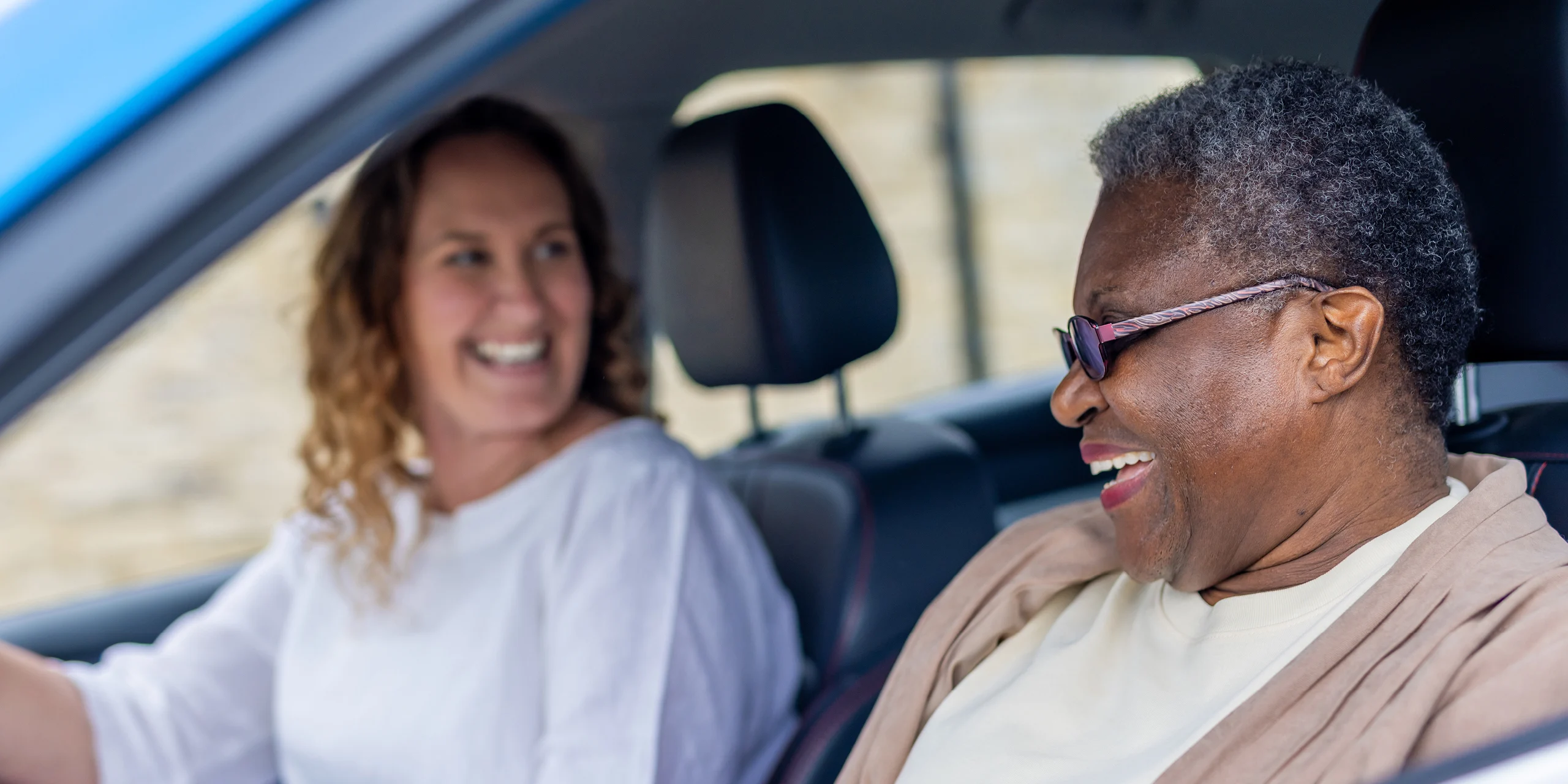
The introduction of a live in carer in such cases can be a positive step forward. The carer may well be the only regular contact with the outside world and will be a valuable source of social interaction, especially when the person receiving live in care is involved in meaningful social activities such as cooking together or reading the newspaper and discussing the events.
Too many of Britain’s older people live a life of loneliness, a live in carer can be the key which unlocks the door to social interaction, that is currently closed for so many.
David Jones is a digital content specialist at Helping Hands Home Care, with extensive experience writing about home care, ageing, and support for adults living with complex conditions. He focuses on turning clinical and operational insight into clear, reassuring information that families can actually use when making care decisions. David works closely with branches, carers, and subject matter experts to ensure every article is accurate, practical, and aligned with Helping Hands’ commitment to quality, transparency, and person-centred care.