When Is It Time to Stop Driving? Signs Families Shouldn’t Ignore

Why Driving Matters So Much to Older Adults
Driving is important to older adults because it represents their independence and contributes a great deal to their emotional wellbeing. It also acts as a lifeline for them as they feel they’re retaining control over their own life and personal autonomy. Being able to manage daily tasks, such as shopping, and attending medical appointments without having to rely on others, is enormously important for older people, who have usually led highly productive lives, managing themselves and others, whether personally or professionally.

How Ageing Can Affect Driving Ability
There are many things that can affect driving ability as we age, although it’s important to point out that most older drivers are safe drivers, as supported by an Age UK policy paper. The UK has an ageing population which is “typically more active and mobile than previous generations.” According to the RAC Foundation, “Although accidents increase with old age, they do not increase to the levels seen amongst novice drivers.”
This suggests that experience is still more important than youth when it comes to what makes a good driver. While cognitive decline and physical impairment count for many of the accidents amongst older drivers, there are many things that can interfere with driving ability, in people of any age. Being distracted, stress, lack of sleep, and losing focus can happen to younger drivers too, and may well pose more of a risk than they do to older drivers.
Warning Signs an Older Adult May No Longer Be Safe to Drive
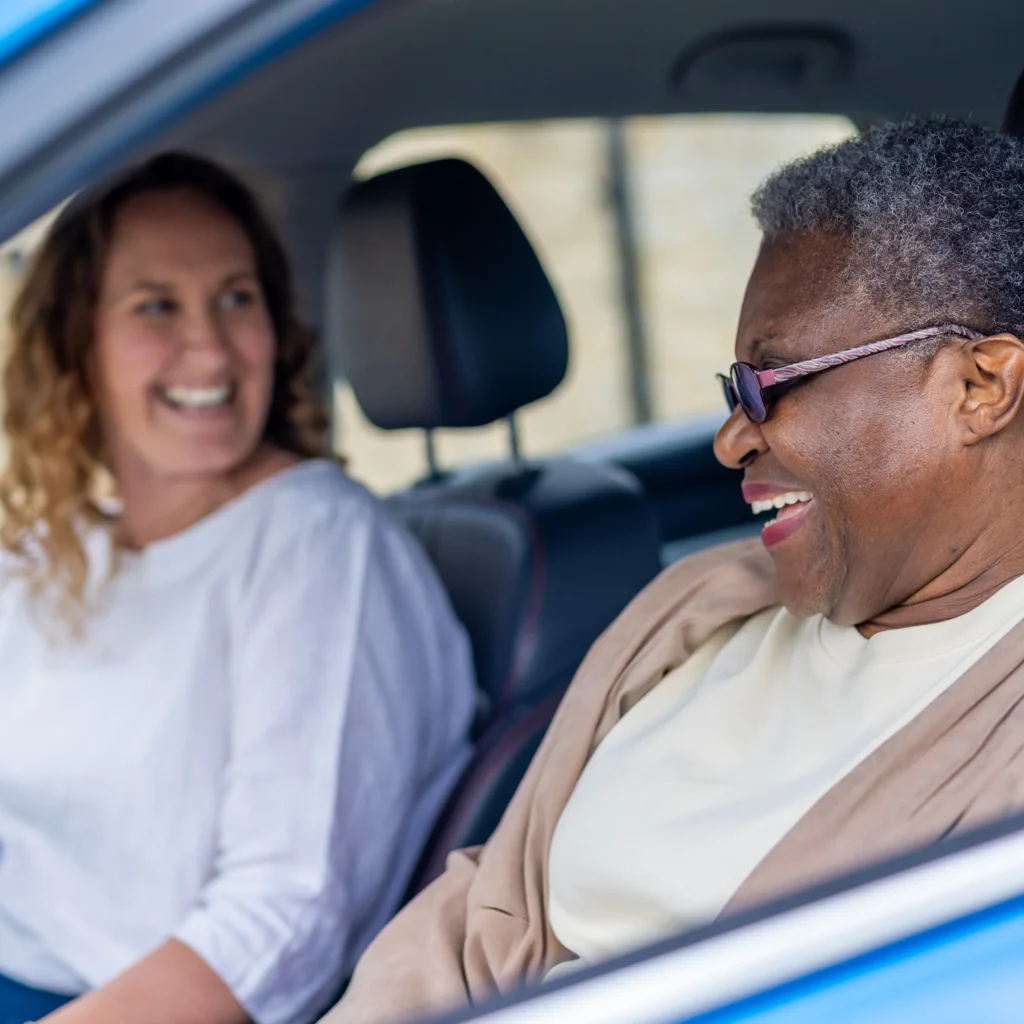
UK law has no set age for driving, although you are required to renew your driving licence every three years after the age of 70. While you do have to complete a health declaration there is no compulsory re-testing, so the onus is definitely on the driver and those around them to recognise if there are concerns about their ability to drive safely.
Warning signs include a deteriorating health condition such as dementia, insulin-treated diabetes, Parkinson’s, epilepsy, chronic neurological conditions, and eye conditions. Other signs include the person getting into minor scrapes, such as misjudging distance, or being unable to see traffic lights changing. Anything of concern should certainly be highlighted and discussed with the person, or a healthcare professional.

Medical Conditions and Medications That Impact Driving
While you may worry that telling the DVLA about a medical condition will risk you having your licence withdrawn, for most people this isn’t the case. It’s important to report it though, as not only is it the law, but it’s also essential for the safety of you, and other road users. Your insurance may also be invalid if you have an accident due to a condition you haven’t declared. There is an extensive list on the Gov. UK website detailing medical conditions and whether you should report your own to the DVLA.
It goes without saying though that people under the influence of certain medications and non-prescribed drugs should not be driving if they’re affected. Talking to your doctor, pharmacist, or healthcare professional is essential if you wish to know how certain medications will affect your driving, and it’s important to follow their advice. Prescribed drugs such as amphetamine, methadone, morphine, or opiate/opioid-based drugs will need to be discussed, although taking them will not necessarily prevent you from driving.

What Families Can Do When Concerns About Driving Arise
Age UK produce a helpful guide called “In the driving seat – how to keep driving safely” which has lots of helpful information for anyone who’s wondering whether they should continue driving. This contains information about staying safe, having those difficult conversations, working out when you give up driving, and alternatives ways to get around without losing independence. There’s also advice on adaptations that may help keep you driving longer, such as adaptive vehicle controls, hoists to lift you and your wheelchair or cushions, swivel seats or a Handybar to help you get in and out.
If you or a loved one feel you may no longer be safe to drive, then it’s vital you contact the DVLA. Focusing on safety will also help the conversation progress, such as saying “I worry about you” rather than “your driving is very bad.” After all, nobody likes to be criticised, and such an approach may cause them to shut down and refuse to discuss it. If they refuse to listen, you may have to enlist the help of a healthcare professional or trusted friend and revisit the topic when they’re feeling more receptive.

How to Talk to a Loved One About Stopping Driving
Talking to a loved one about stopping driving requires sensitivity, patience, and respect. It’s important not to point out any problems they’re having or approach things negatively as that will likely put them on the defensive and unwilling to discuss things. Preparing in advance is essential, picking your moment carefully and having evidence to hand, such as occasions where their driving was compromised. Ultimately, if they’re a serious risk and refuse to stop driving “you should write in confidence to the DVLA,” says Age UK. However, “it’s important that you think carefully about how this could affect your relationship with the person and consider other ways for you to get them to think about giving up.”

Alternatives to Driving That Preserve Independence
According to Age UK’s “In the Driving Seat” publication, there are plenty of cost-effective alternatives that mean you’ll probably not miss your car if you give up driving. These include:
Taxis – Setting up an account with a reputable taxi or private hire car company in your area. Check whether they’ll give you a discount if you use them often.
Community Services – Dial-a-Ride minibus services may be available, or voluntary car schemes where someone will take you where you need to go for a reasonable cost.
Coach travel – If you’re aged 60 or over or disabled, you can buy a Coachcard from National Express which will give you significant savings.
Trains – If you’re over 60, you can buy a Senior Railcard which gives you a third off rail fares. You can apply for a Disabled Persons Railcard if you have certain disabilities.
Bus passes – In England, older people and some disabled people get a bus pass for free off-peak travel on local buses. In Wales, there is a free Concessionary Travel Card.
How In-Home Care Supports Seniors After Driving Stops
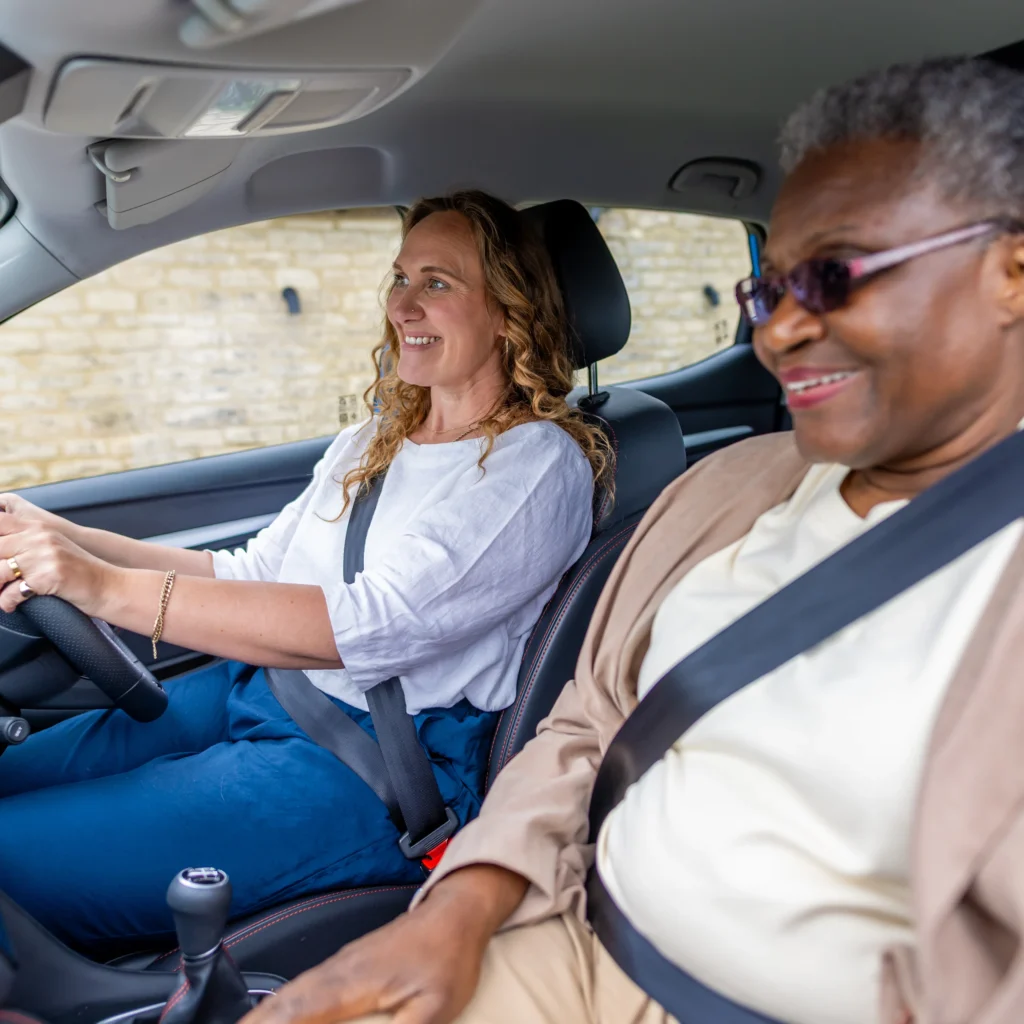
Having extra support at home may feel like an admission that you can no longer manage, however by having Helping Hands helping you, you’ll never feel that you’re no longer in control of your own life. Our carers can support you on either a visiting or live-in care basis and will step in wherever you need them. They can drive you to appointments, activities, shopping or meeting friends, and will accompany you as well if you wish them to. This means you’ll always have the companionship that’s so crucial in older age.

Discover Home Care Support with Helping Hands
If you’d like to learn more about how we can support you at home if you’re considering giving up driving, then call us today, or request a callback for a time that suits you. You can also chat with your local branch team who will be happy to offer you a free no-obligation assessment of how we could be supporting you at home.