Can home care help after same-day surgery?
Same-day surgery and recovery at home
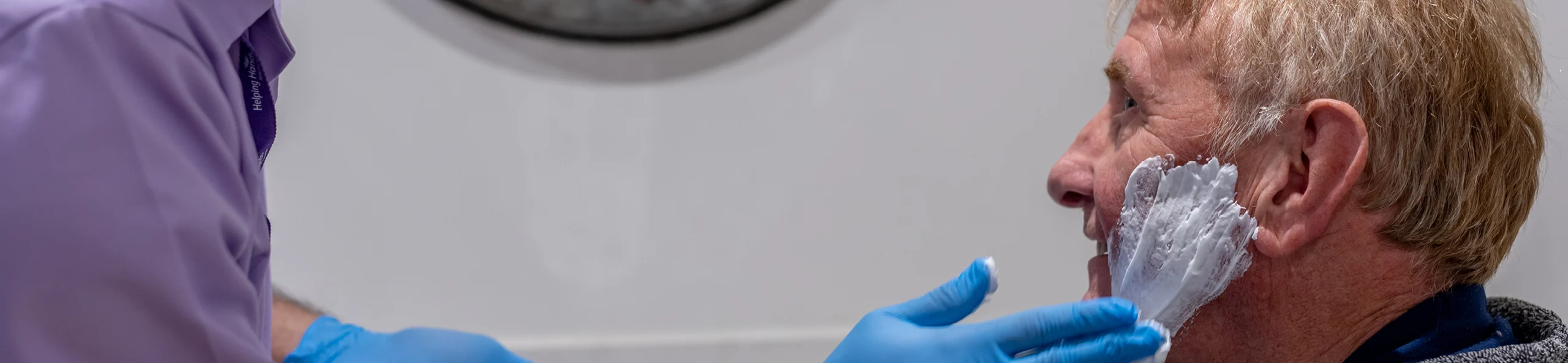
Same-day surgery allows you to have a procedure and return home on the same day, avoiding an overnight hospital stay and recovering in the comfort of your own home. Many day-case procedures are designed so patients can go home once they’re medically ready, provided safe arrangements are in place for transport and support. After surgery it’s normal to feel tired, sore, or unsteady for a few days, and you’ll be given advice about pain management, wound care, and activity levels before discharge. At home you’ll be encouraged to rest, take prescribed medications, and gradually build up activity. Moving around soon after surgery can help with circulation and healing and aid your all-round recovery. Recovering at home instead of in hospital can help reduce stress and lower the risk of hospital-acquired infections, and planning support in advance ensures you have help with daily tasks and recovery needs. Our Helping Hands carers can provide that support, assisting with personal care, meal preparation, mobility, light household tasks, and accompanying you to GP appointments, so you can focus on resting and healing.
What happens during the first home care visit after surgery
Pain management, medication, and monitoring at home
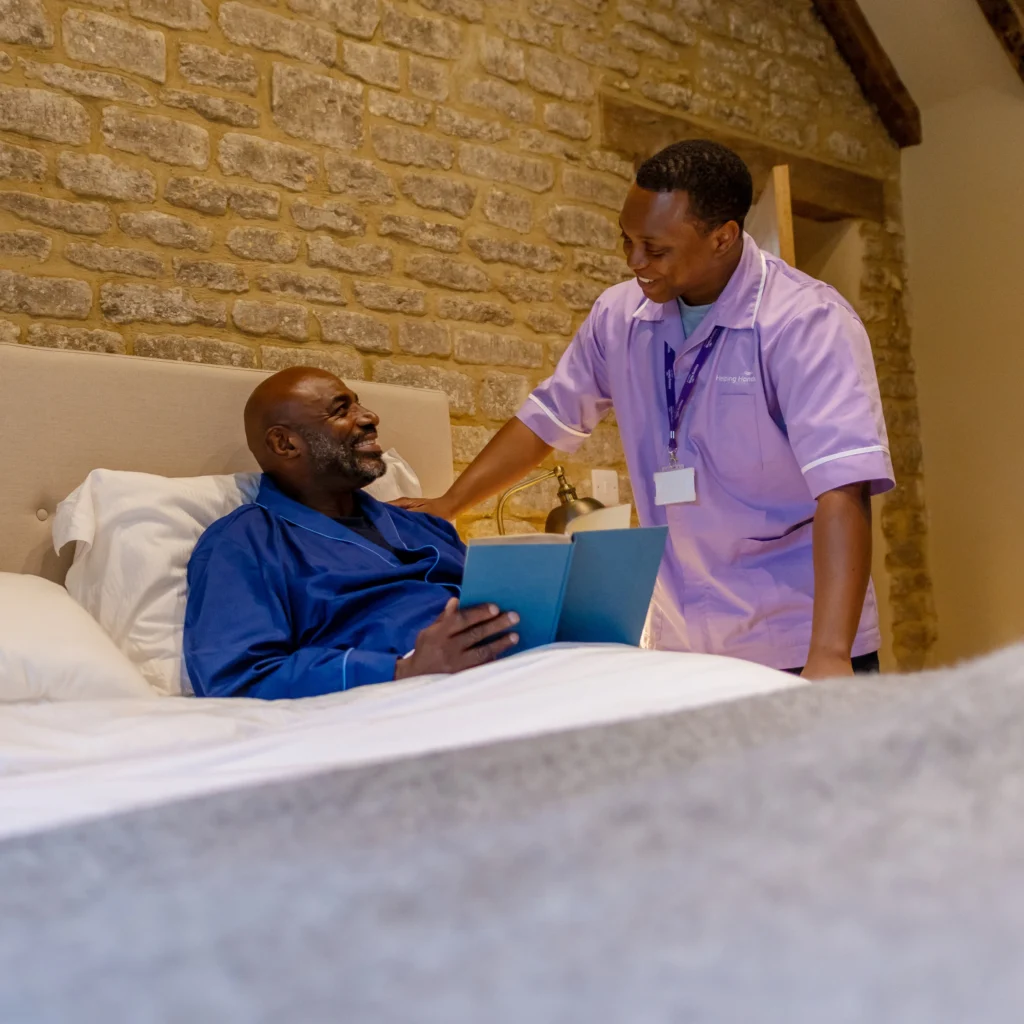
During the first home care visit after surgery, home care focuses on keeping recovery comfortable and safe. A trained carer checks pain levels, helps follow the prescribed pain-management plan, and ensures medications are taken correctly and on schedule. They also watch for potential side effects or warning signs, like unusual swelling, fever, or changes in condition, and promptly communicates concerns to family members and healthcare professionals. This close monitoring helps prevent complications and gives our customers peace of mind as they heal at home.
Mobility, fall prevention, and safe recovery support
Home care prioritises safe movement and independence during recovery, as carers can support with walking, exercises, and basic daily activities while encouraging mobility. They can assess the home for fall risks, provide guidance on using mobility aids, and help create a safer environment by reducing hazards. With steady support and reassurance, our customers can regain strength and confidence while minimising the risk of injury during the healing process.
What home care services provide after same-day surgery
Here are some of the ways in which our home care can support you after hospital:
Why some patients need home care after outpatient surgery
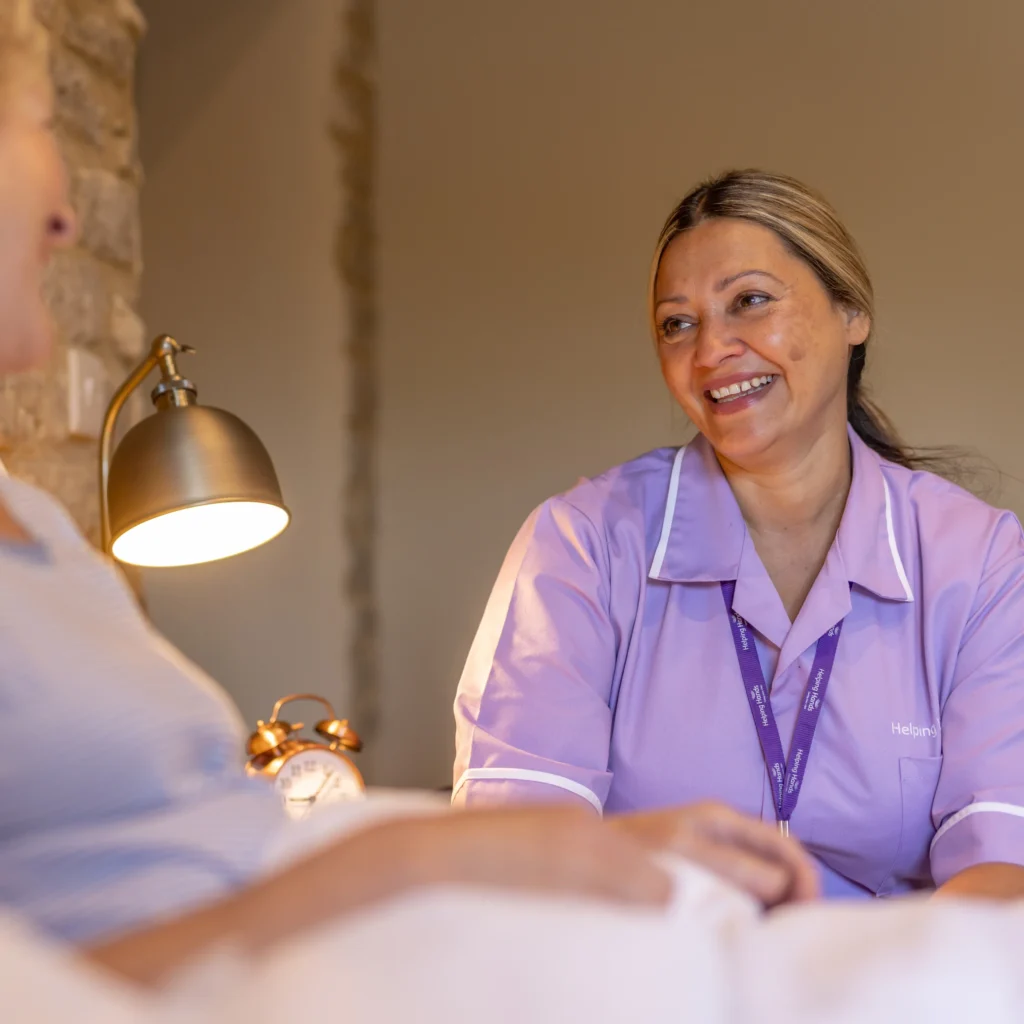
Some people can benefit from home care after outpatient surgery to support a safe, comfortable recovery once they return home. Even without an overnight hospital stay, it’s common to experience pain, fatigue, reduced mobility, or lingering effects from anaesthesia, which can make everyday tasks more difficult at first. At Helping Hands, our trained, compassionate carers provide expert support that can reduce the risk of falls or missed medications while easing anxiety during recovery. We can help with personal care, medication reminders, mobility, meal preparation, and light household tasks, allowing you to focus on resting and healing. We offer flexible care options to suit your needs, including visiting care, live-in care, and respite care, all tailored to your recovery and adjusted as your independence grows, so you always feel supported every step of the way.
Signs home care is needed after same-day surgery
Difficulty managing daily tasks
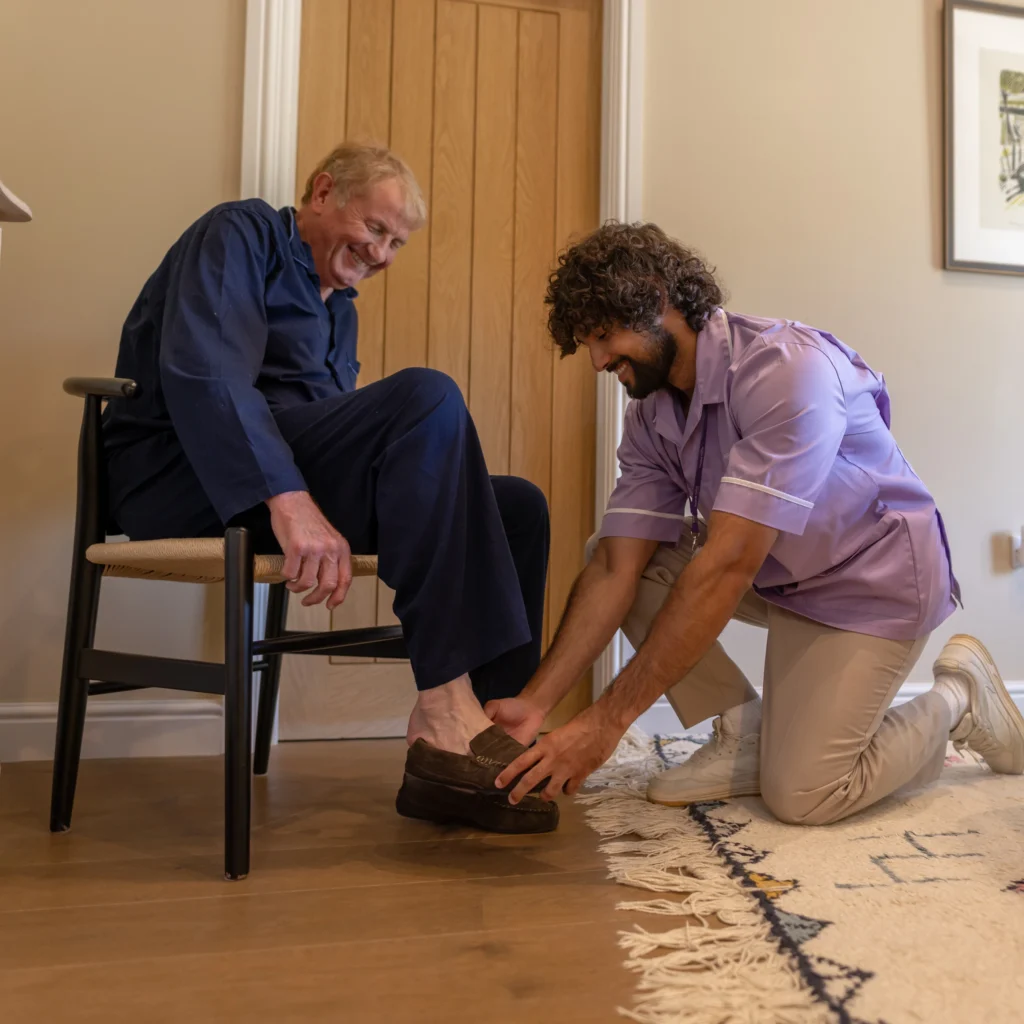
After same-day surgery, you may find it harder to manage everyday activities such as washing, dressing, preparing meals, or moving safely around your home. This is often due to pain, reduced mobility, or lingering effects of anaesthesia. Home care can provide practical support during this time, helping you stay safe and comfortable while you recover.
Ongoing pain, dizziness, or fatigue
It’s common to experience pain, weakness, or dizziness after surgery, but if these symptoms make it difficult to rest or move around safely, extra support may be needed. A trained carer can offer reassurance, assist with mobility, and ensure you’re following post-operative guidance, allowing your recovery to progress smoothly.
Concerns about medication or wound care
How long is home care typically needed after outpatient procedures?
The length of time home care is needed after outpatient procedures can vary for everyone, and it’s completely normal to need a little extra help while your body recovers. Factors such as the type of surgery, your general health, and how confident you feel getting back to everyday routines all play a part. Even after day surgery, the NHS advises that recovery can take several days, with tiredness, discomfort, or reduced mobility being common at first, and recommends having support at home while you rest and heal. Some people feel ready to manage independently quite quickly, while others benefit from ongoing support for a few weeks as they rebuild strength and confidence, particularly with tasks like personal care, meal preparation, medication reminders, or getting to follow-up appointments. Age UK states that reablement is a form of intermediate care focusing on helping you to learn or re-learn skills necessary for daily living. At Helping Hands, we understand that recovery from hospital isn’t just physical, but emotional too, which is why we tailor our home care to your individual needs, offering flexible visiting, live-in, or respite care that can be gently adjusted as your recovery progresses, ensuring you feel supported, reassured, and never rushed, for exactly as long as you need.
Expert care at home with Helping Hands
At Helping Hands, we pride ourselves on our ability to be adaptable to your needs. We can offer expert homecare on a live-in, visiting or respite basis.

Visiting care
Live-in care
A fully regulated home care provider
Here at Helping Hands, our service is regulated by the Care Quality Commission (CQC) and the Care Inspectorate Wales (CIW)
This means we need to consistently meet high standards and are monitored by our regulators.