Holiday stress and older adults

Why the holidays can be stressful for older adults
The holidays can be particularly stressful for older adults for a number of reasons. In the UK, festive periods like Christmas can often intensify feelings of loneliness and isolation, with millions of older people stating they will eat alone or find the season emotionally difficult due to routines changing and decreased social contact. Many older adults live alone, may be far from family, or have lost loved ones, making the usual focus on family togetherness feel challenging rather than joyful. AgeUK states that around 2.3 million saying they wish they had someone to spend time with at Christmas and 1.6 million finding Christmas Day the hardest of the year.
Festivities can often clash with the comfort of familiar routines older people rely on, and changes in activity patterns, meal times, or medication schedules can be difficult, too. At the same time, loneliness and reduced social contact are linked to poorer physical and mental health, including increased risk of depression, anxiety, and cognitive decline. While the holiday season may be challenging for these reasons, Helping Hands are here to help you get through it, right in the place you love most – home.
Warning signs an older adult may be overwhelmed
Mood changes
You may notice they seem more irritable, anxious, or stressed than usual, or that they’ve lost interest in festive traditions they normally enjoy. The emotional pressure of the holidays, combined with memories or expectations, can feel overwhelming and upsetting at times.
Increased fatigue
Busy households, visitors, and changes to routine can quickly lead to exhaustion. Signs may include poor sleep, low energy, forgetfulness, or becoming easily flustered, even by simple tasks or conversations.
Withdrawing from routines
Pulling back from meals, personal care, or social plans can be a sign they’re struggling to cope. While it may appear they want to be left alone, gentle reassurance and companionship can often make a big difference.
Common holiday stress triggers for seniors
Some of the reasons for holiday-related stress include:

How stress affects senior health and well-being
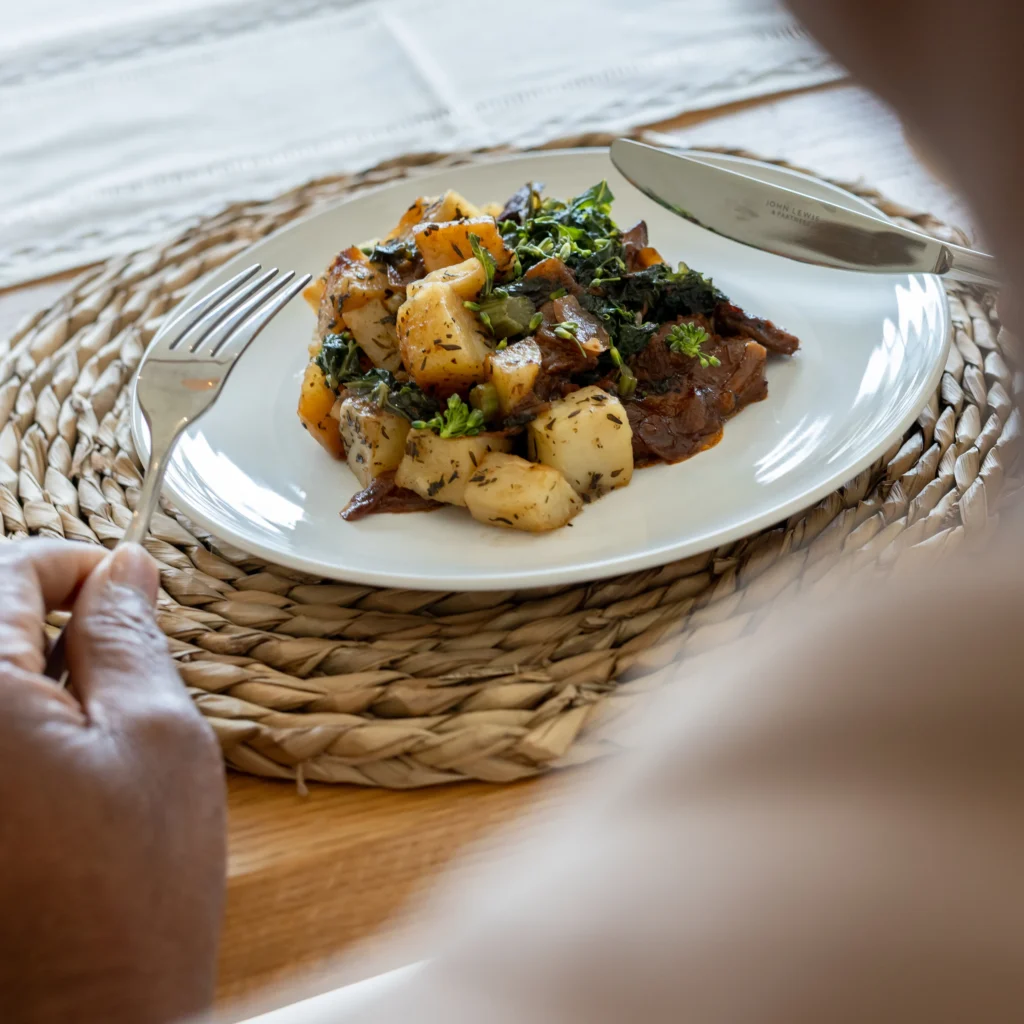
Stress can have a significant impact on everyone, but even more so on older people, especially when it becomes chronic or unrelenting rather than occasional. In older adults, prolonged stress can worsen physical conditions by increasing blood pressure and suppressing immune function, making them more susceptible to infections and slower to recover from illness. It’s also linked to digestive problems, sleep difficulties, headaches and muscle tension, as well as emotional effects like anxiety, irritability and social withdrawal. With all this adding up, it’s understanable that this can diminish quality of life, reduce energy and increase the risk of long-term health issues in later life. For more information on how stress affects the body and mind, see the NHS guidance on stress and coping, and Age UK resources on stress in older people. A Helping Hands carer can help reduce stress in day to day life by being there for you at all times, whether that’s providing you with elderly care that helps with mobility, nutrition support, and better still, provides valued companionship in the home you love.

Simple ways seniors can manage stress during the holidays
Keep routines familiar
Sticking to familiar daily routines can provide comfort during a busy holiday period. Regular mealtimes, rest breaks, and quiet moments help reduce feelings of uncertainty and fatigue, making the season feel more manageable.
Set clear boundaries
It’s okay to say no to plans or limit visits if things feel overwhelming. Shorter gatherings, fewer commitments, and calm spaces can help seniors enjoy the holidays without feeling pressured or overstimulated.
Stay connected through companionship
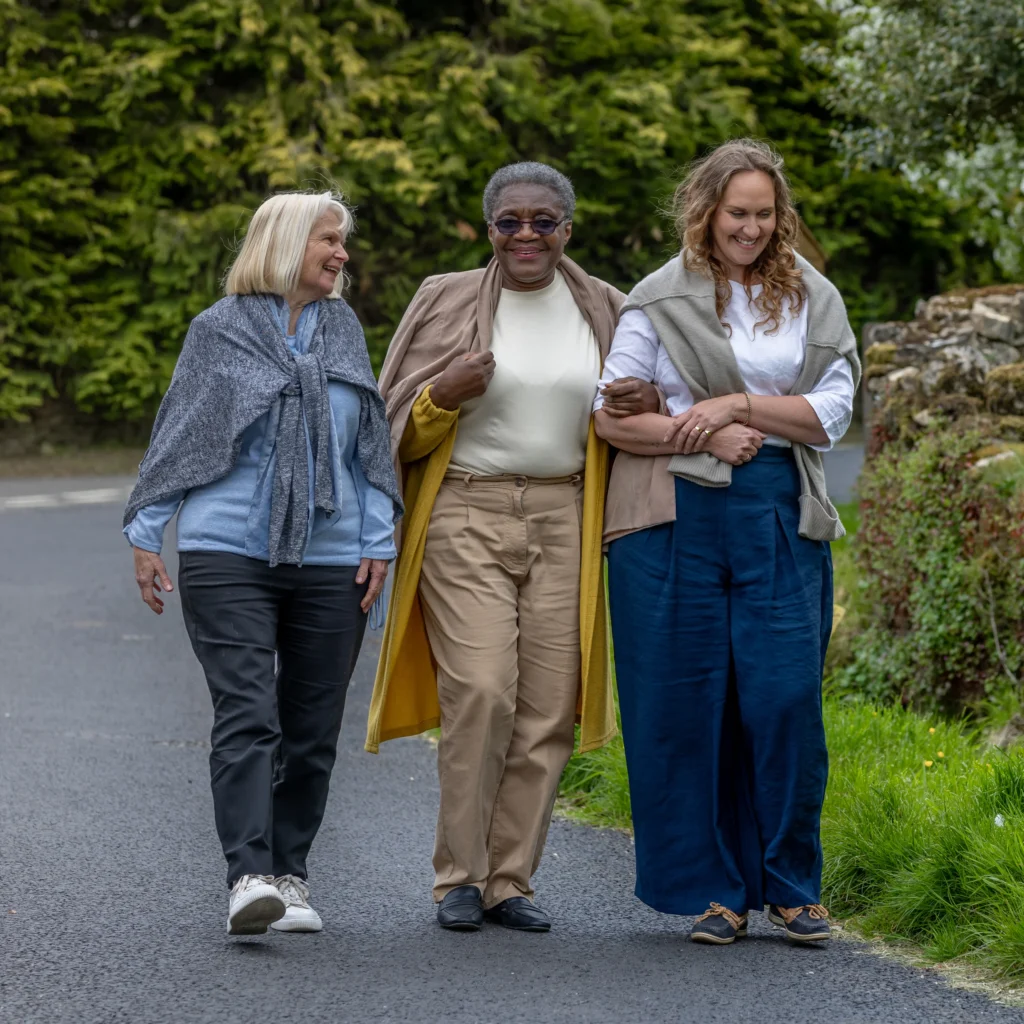
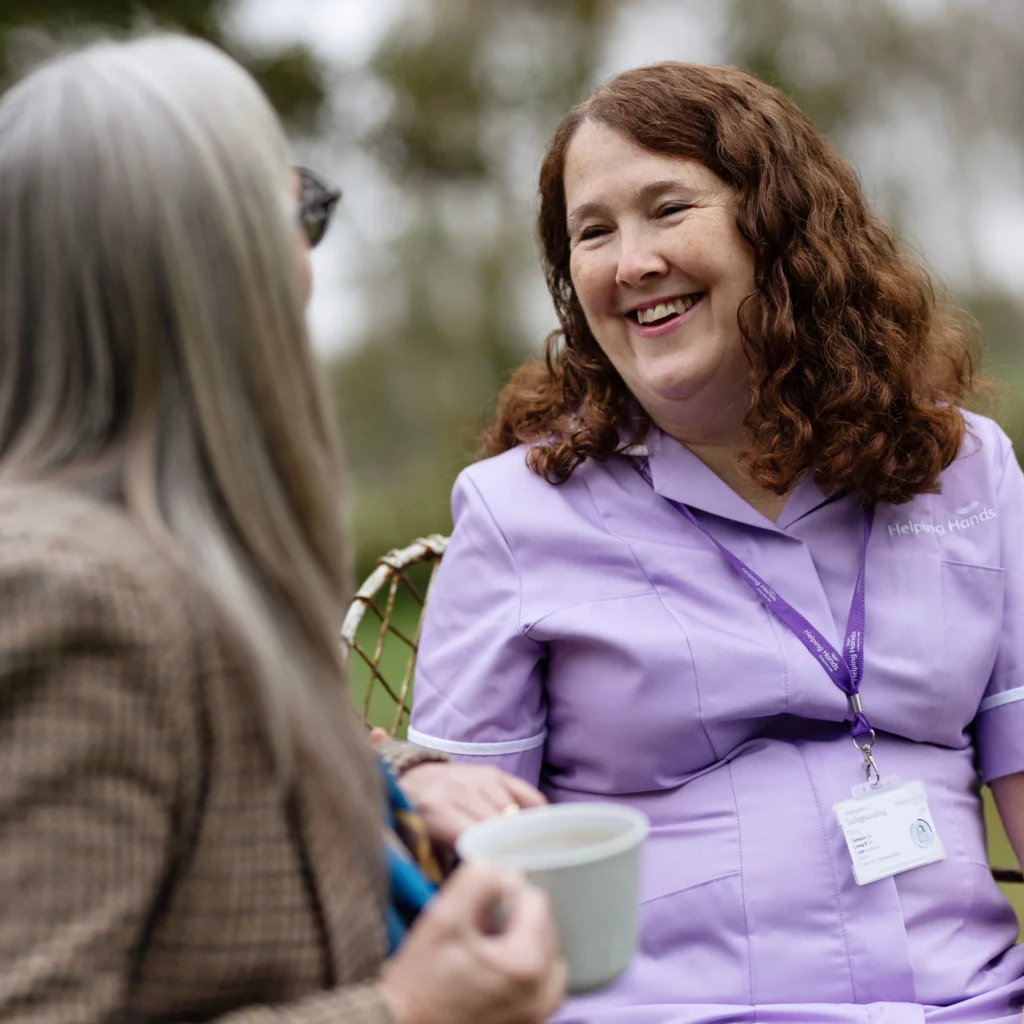
Spending relaxed time with trusted family, friends, or your Helping Hands companion can ease stress and loneliness. Simple activities like chatting, watching a favourite programme, or taking a gentle walk can offer reassurance during the festive season.
Adapting holiday traditions for ageing loved ones
Adapting holiday traditions for ageing family members can help ensure celebrations remain joyful, safe and inclusive for everyone involved. Small adjustments such as hosting gatherings in accessible homes, planning shorter visits to avoid exhaustion, preparing dietary-appropriate meals, and including meaningful but manageable activities can make a big diffrence to an older person. For those receiving our expert home care, involving a carer in care planning ensures a more personalised service and offers reassurance that support is always well-organised and centred around your individual needs.
Families may also find more guidance from resources such as Age UK, which offers advice on supporting older relatives, and the NHS, which provides information on winter wellbeing and managing long-term conditions. By focusing on comfort, flexibility and togetherness, holiday traditions don’t have to be a cause of stress and unease, but one filled with joy and high-quality care.
How families can reduce holiday stress for seniors
Extra support at home with home care from Helping Hands
At Helping Hands, we pride ourselves on our ability to be adaptable to your needs. We can offer expert home care on a live-in, visiting or respite basis.
Visiting care
Live-in care
A fully regulated home care provider
Here at Helping Hands, our service is regulated by the Care Quality Commission (CQC) and the Care Inspectorate Wales (CIW)
This means we need to consistently meet high standards and are monitored by our regulators.