Keeping warm without raising energy bills – Top Tips

Why staying warm is essential for health and comfort
Staying warm is essential for maintaining both physical health and overall comfort, particularly during colder seasons. Prolonged exposure to cold indoor temperatures can increase the risk of common illnesses such as colds, flu, and respiratory infections, and may place additional strain on the heart and lungs. Cold conditions can also worsen long-term health conditions, including arthritis, asthma, and circulatory problems, causing increased pain, stiffness, and discomfort. By keeping warm, the body is better able to regulate its temperature, maintain healthy blood circulation, and support a strong immune system, reducing the likelihood of illness. In addition to physical health benefits, a warm environment plays an important role in emotional wellbeing and daily comfort. A comfortably heated home helps people relax, sleep better, and carry out daily activities with ease and confidence. Feeling warm and comfortable can reduce stress and anxiety, promote a sense of safety, and improve overall quality of life, particularly for older adults, young children, and those with health conditions.

Understanding how heat is lost in the home
Doors and windows
Poorly sealed doors and windows are one of the biggest sources of heat loss. Draughts allow warm air to escape and cold air to enter, making rooms feel colder even when the heating is on. Simple measures such as draught excluders, thick curtains, or window seals can make a noticeable difference.
Walls and roofs
Heat naturally rises, which means an uninsulated loft or poorly insulated walls can allow large amounts of warmth to escape. A higher heating usage means your system works harder to maintain a comfortable temperature. Improving insulation helps keep your home warmer for longer.
Floors and unused spaces
Cold air can enter through gaps in floorboards or from unheated rooms, hallways, and staircases. Using rugs on hard floors and keeping doors to unused spaces closed can help reduce heat loss and maintain warmth in the areas you use most.
Making small home adjustments to reduce heat loss
Why not try the below to ensure your home is warm and comfortable throughout the winter?
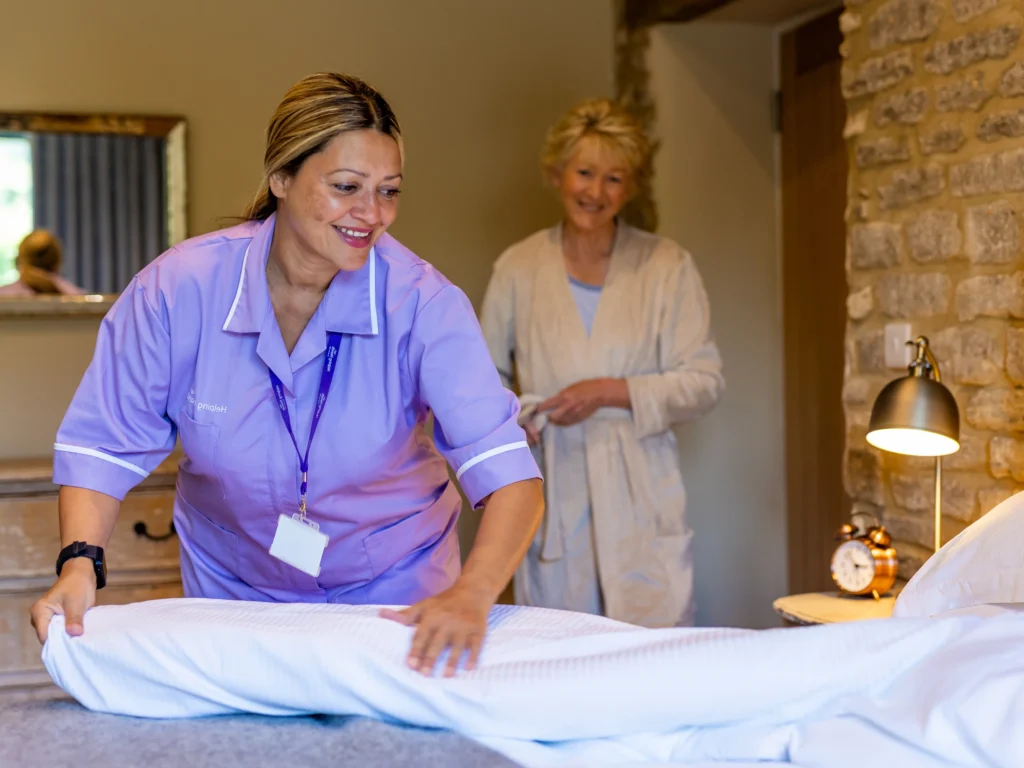
Using heating systems efficiently and safely
Using your heating system efficiently and safely can help keep your home warm without unnecessarily increasing energy bills. Setting your thermostat to a consistent, comfortable temperature rather than frequently turning it up and down helps maintain steady warmth and reduces energy waste. Using timers or programmable controls ensures your heating is only on when needed, such as in the morning and evening. Keeping radiators clear of furniture, curtains, or laundry allows heat to circulate properly, making rooms warm up more quickly and evenly. Bleeding radiators when needed and ensuring doors and windows are well sealed are also a good idea to keep in the warmth. For added peace of mind, it’s important to regularly check that boilers, heaters, and carbon monoxide alarms are working correctly. Taking these simple steps not only helps maintain a warm and comfortable home but also supports your wellbeing throughout the colder months.
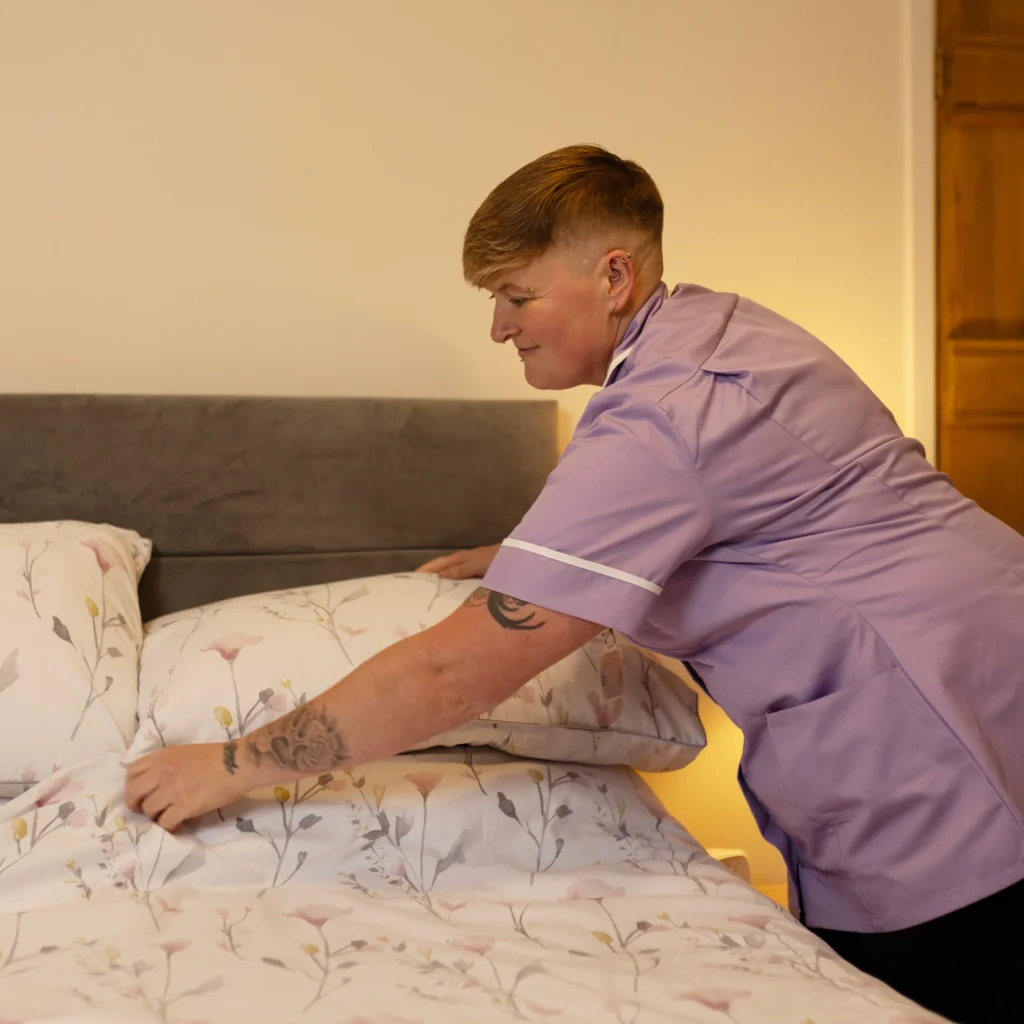
Simple clothing and layering strategies to retain warmth
Thermal base layers
Start with a close-fitting thermal base layer made from materials like wool or synthetic fabrics. These help trap body heat while wicking moisture away from the skin, keeping you warm and dry throughout the day.
Insulating mid-layers
Mid-layers such as fleeces, sweaters, or light down jackets provide insulation by holding warm air close to your body. You can easily add or remove these layers to adjust to changing temperatures.
Protective outer layer
An outer layer like a windproof or waterproof jacket shields you from cold air, wind, and rain. This final layer prevents heat loss and ensures the warmth from inner layers stays trapped.
Balancing energy costs with health and wellbeing

Affordable ways to keep living spaces comfortable
Practical and affordable solutions can help keep your living spaces warm and comfortable without increasing energy costs.
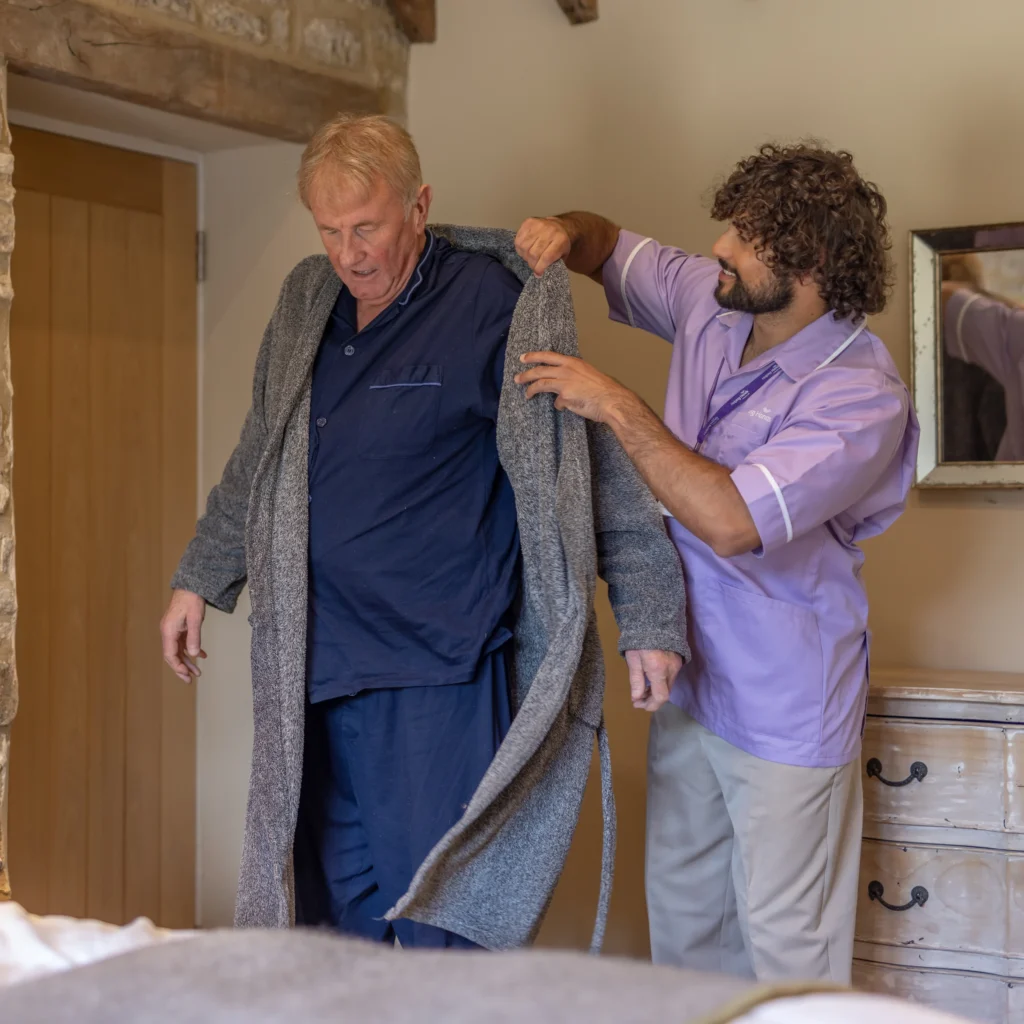
How caregivers can help clients stay warm and safe
At Helping Hands, we offer expert care at home on a live-in, visiting or respite basis to help you stay warm and safe in colder weather.
Visiting care

Live-in care
A fully regulated home care provider
Here at Helping Hands, our service is regulated by the Care Quality Commission (CQC) and the Care Inspectorate Wales (CIW)
This means we need to consistently meet high standards and are monitored by our regulators.