A room-by-room guide to home modifications for dementia care

What are home modifications for dementia care?
Home modifications for dementia care are sometimes necessary because, as a person’s condition progresses, their needs may change. Home modifications can be large or small and may involve changes to the home’s structure or be temporary installations. For instance, converting a garage to a downstairs bedroom or installing a stairlift temporarily.
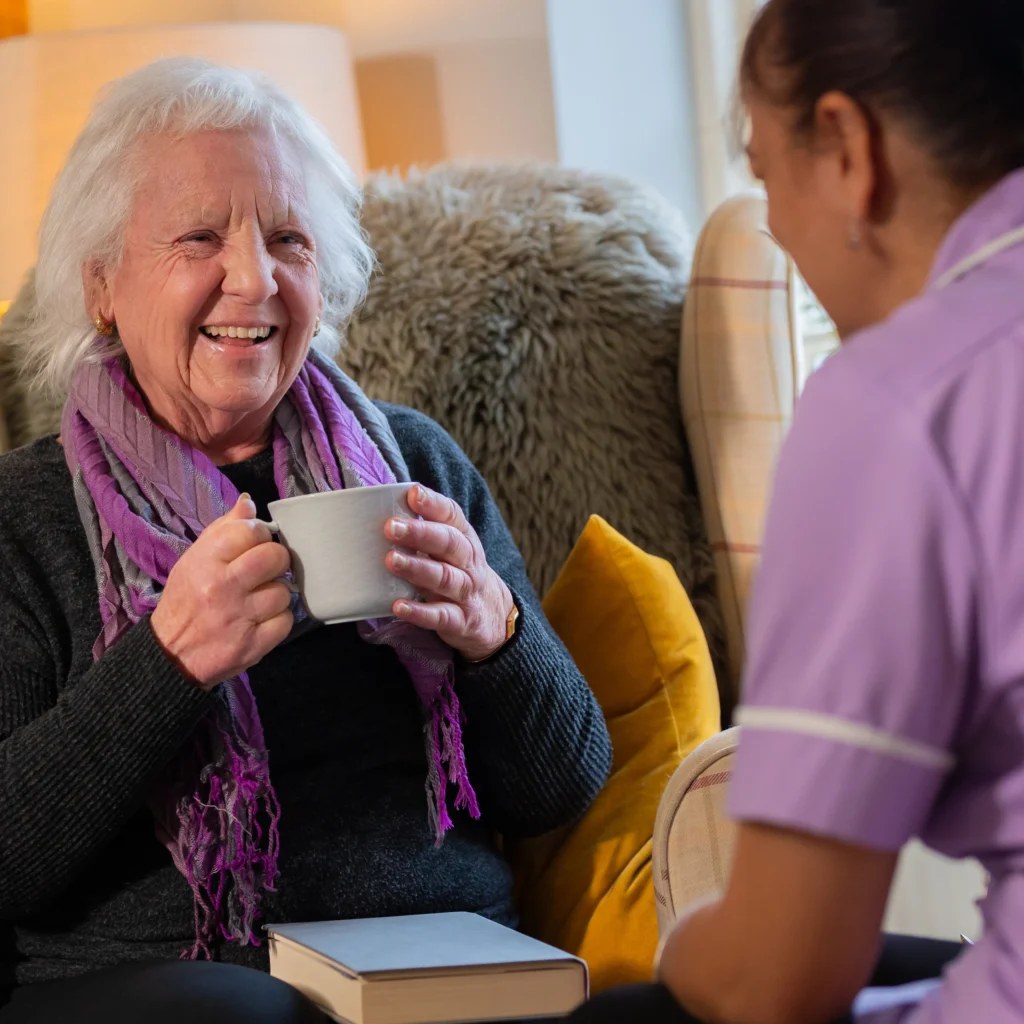
Continuing to live in your own home and have carers coming to you is especially beneficial when living with dementia, as it means you continue living in comfortable and familiar surroundings. This can help to reduce anxiety and confusion as dementia progresses.
The Alzheimer’s Society suggests that “It is usually a good idea for the person to start using any new equipment as early as possible, so that they can get used to it being part of their daily routine.”
Why home modifications are crucial for dementia care
Keeping safe in your own home is paramount to your wellbeing, and if you’re living with dementia, then it’s even more important. Family and caregivers can encourage familiarity with new equipment and layout and keep disruption to a minimum.
Supporting Safety
Safety can be promoted in many different ways, such as locks on gas taps, stairgates, and cupboard latches if they contain dangerous liquids etc.
Creating a Calming and Familiar Environment
Keeping furniture and decor similar to what they’re used to may assist someone, for instance, by installing a toilet with a high tank.
Encouraging Independence
If a person knows where things are in the home, then they will be able to move around more independently and do more things for themselves.
Room-by-room guide to dementia-friendly home modifications
Every area of the house can be safeguarded to ensure that you remain safer in the home you love. There’s no reason why you shouldn’t be able to continue living at home when your dementia declines, provided contingencies are put in place and advice sought from healthcare professionals, where necessary.
Living Room: Reducing Clutter and Improving Lighting
If clutter becomes a hazard, then it may need to be removed to another room or disposed of, as long as it doesn’t upset the homeowner. If a carer is going to be coming into the home, then the provider will also insist that it is a safe working environment for them to operate in, including adequate lighting throughout the home.
Kitchen: Securing Appliances and Simplifying Layouts
Kitchens can present many hazards to individuals living with dementia, due to water, electricity, and gas being present. Items such as lockable gas taps, plug covers and cupboard latches can ensure that anything potentially dangerous can be isolated for use only by carers and family members.
Bathroom: Installing Grab Bars and Non-Slip Surfaces
Slips and falls are a high risk in a bathroom due to water and slippery surfaces. Converting a bathroom into a wet room is expensive, so if that’s not an option, a bath can be replaced with a walk-in shower, non-slip mats can be put in the bottom of trays, or accessible bathing can be achieved through bath lifts or specialist equipment.
Bedroom: Promoting Comfort and Nighttime Safety
Beds can be fallen out of, leading to possible injury. Sidebars can be added to existing beds, or specialist beds with automatic adjustments are a potential solution. These can be raised and lowered so that it’s easier to get in and out of too. Rugs are a trip hazard often found in bedrooms too, so they should be removed or thoroughly stuck down.
Hallways and Stairs: Improving Mobility and Fall Prevention
Many people end up using only one level of their home due to a fear of falling on the stairs. Carers can assist people to feel more confident using stairs, by supporting them going up and down. In addition, stairlifts or a self-contained lift can be installed, if space and money allow. These can also help to promote independence as they can be used without support.
Who to approach for support in your local area
Essential home modifications for complex health conditions may be funded by your local authority, or equipment provided by occupational health. Approach them in your first instance to discover if they are able to help, or if not, you can get advice and guidance on the type of care available from Helping Hands’ friendly customer care team.
Helping Hands have enabled Mum to slowly adjust to being home after 3 months in hospital/rehabilitation. The change in her mental health is clear to hear and see. As we live a long way from Mum it gives my sister and I peace of mind that Mum is in good hands.
Lyn , Customer
Essential design principles for dementia-friendly homes
There are many ways to ensure that the design of a person’s home helps to support their dementia journey as well as possible. These include:
Clear Signage and Visual Cues
Displaying picture signage outside of rooms can help individuals identify what is behind closed doors and reduce confusion. As their dementia progresses, words may become less recognisable, so a picture of a toilet to signify a bathroom or a kettle for the kitchen may be helpful.
Contrasting Colours
Using contrasting colours for plates, cutlery, and tableware will also help the person to identify their food and drink. This may mean they are more able to feed themselves and again promote their independence for longer. This can also be effective for light switches, door handles, and appliances.
Reducing Noise and Distractions
Noise can be confusing for someone with dementia, as their ability to distinguish between sounds is affected. People speaking all at once can make conversations harder to follow, exposing them to the risk of increased isolation, loneliness, confusion and anxiety.
Technology to enhance safety and comfort
Whether it’s a home assistant that can adjust temperature and lighting levels, or an app that can remind you of essential tasks, technology can be utilised to great effect for someone living with dementia.
Motion Sensors and Smart Lighting
A detector that switches on lights when someone enters a room will save money if the person continually forgets to switch them off. Being able to control lighting via an app may also be something the family can do if they can see via motion detection that the person is not in a room.
GPS and Location Tracking Devices
If the person keeps leaving the house and becoming lost, having a GPS tracker or locator may be an option. This can mean that loved ones will be alerted when the person leaves the house and can track where they go. If they become lost or get into difficulties loved ones or carers can then intervene.
Automated Reminders
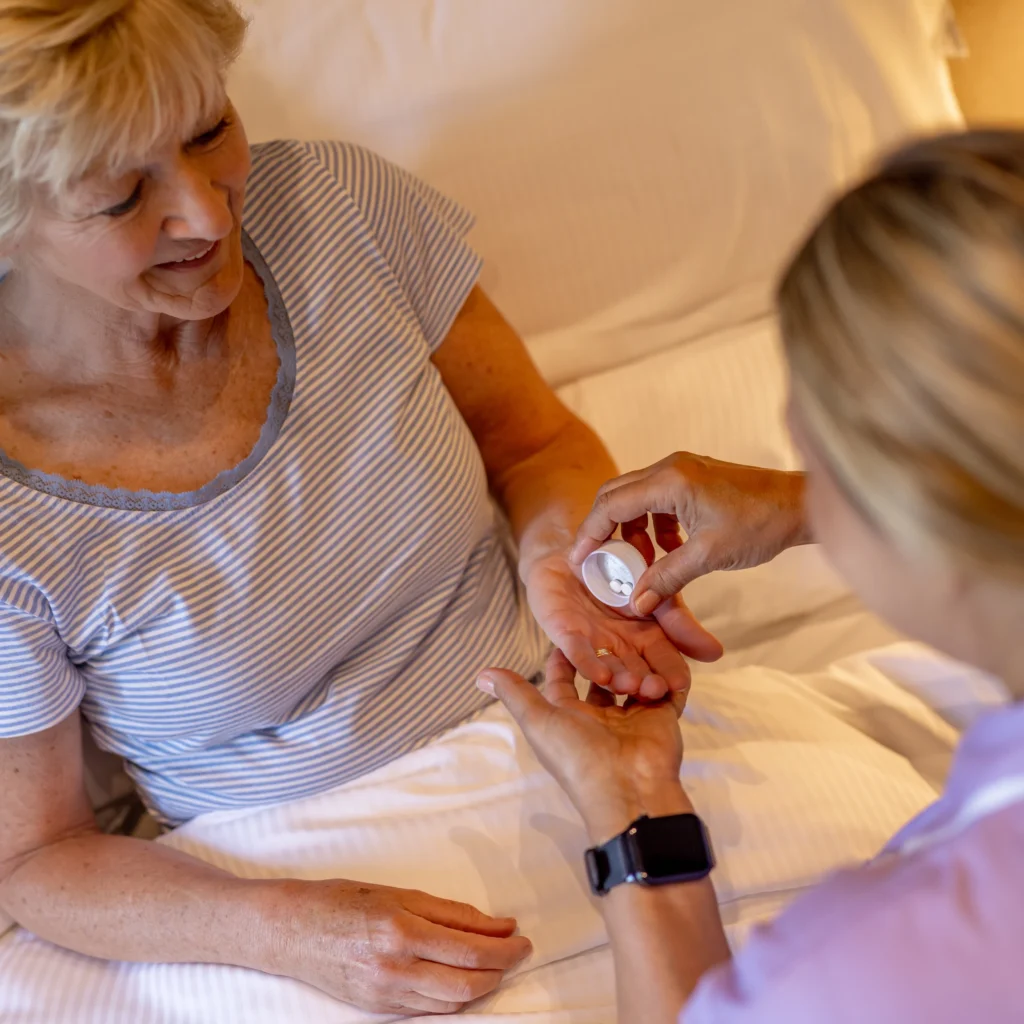
If medication keeps being missed because they cannot remember to take it, an automated reminder may be useful if they are comfortable with the technology. If not, an AI or virtual assistant device can be programmed to remind them, or family and carers can send reminders remotely.
Involving the person with dementia in the design process
Ultimately, the person living with dementia will benefit from remaining in their own home, within familiar and comfortable surroundings. However, if family members and healthcare professionals change things without their knowledge or input, it can be counterproductive. Making changes to someone’s home environment may make absolute sense to loved ones and carers, however, to the person themselves, it may be unbearably disruptive. Therefore, it’s important to respect their preferences and the familiarity they enjoy in their home. Changes should be made gradually so that it’s not too much of a shock to the person and doesn’t cause them to question whether they’re in the wrong place.
Expert dementia care with Helping Hands
Helping Hands have been supporting people living with dementia to be independent at home since 1989. For decades, we’ve been helping people to remain living exactly where they want to, surrounded by precious people, pets and memories. Our carers are selected for their compassion and kindness, and we equip them with all the knowledge and skills they need to deliver exceptional dementia care.
Whether you would appreciate occasional support to give your family carers a break, or around-the-clock live-in care that means you’re never home alone, we can help. Our fully regulated services mean that we’re the UK’s most trusted home care provider, with 155 branches across England and Wales, all fully owned and operated by us.