The positive impact of a good routine during home care for mental health
The growing importance of routine as we age
As we grow older, routine becomes more than just a daily schedule, but a source of comfort and stability.
Familiar daily patterns or activies can help mental health by reducing stress and anxiety because older adults know what to expect and when, making the day feel more manageable and even comforting. A regular routine in a person’s life can also play a key role in supporting cognitive function and memory by continuing familiar routines and reducing any confusion that can come with unpredictability.

Predictable habits can even help regulate our internal body clocks, contributing to better sleep quality, which is crucial for general well-being. Structured routines can encourage healthy habits such as consistent meal times, medication management, gentle physical activity, and social engagement, which will overall help to prevent isolation and depression.
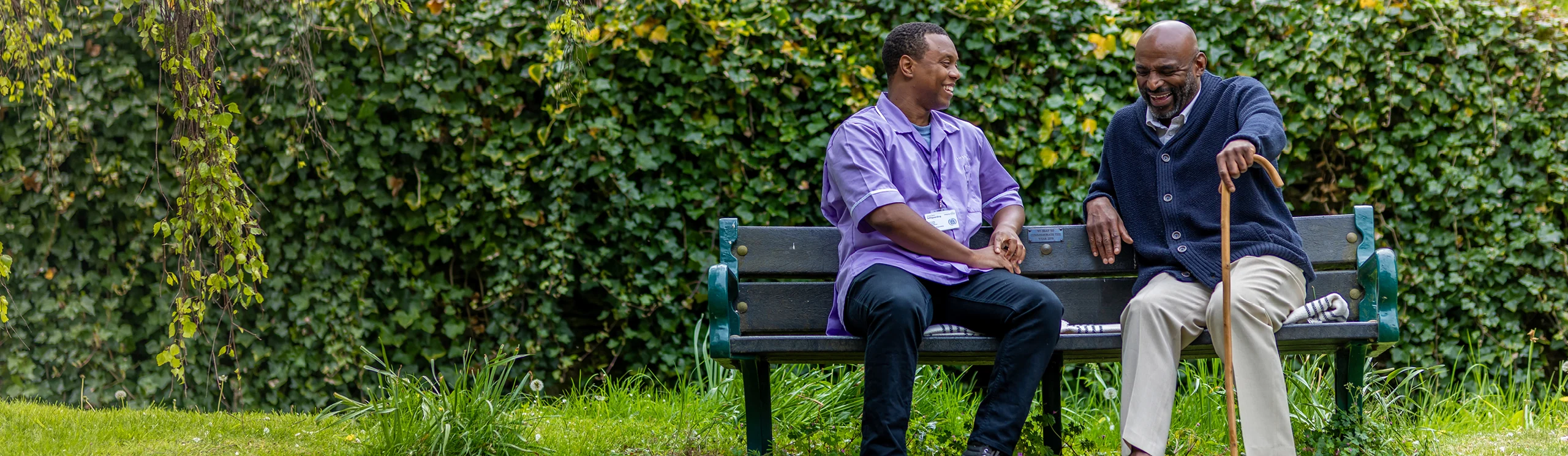
At Helping Hands, we understand how routines can support your well-being and independence, which is why we work with each customer to build a structured yet flexible daily care plan, that includes your existing routines such as your daily walk outside or visits with those close to you.
The connection between routine and mental health
There is a strong connection between routine and mental health, especially as we age.
A consistent daily schedule with familiar activities provides structure and predictability in life that reduces feelings of anxiety, stress, and uncertainty by giving days a reassuring rhythm and purpose. Knowing what to expect each day helps create a sense of control and stability in anybody’s life, but especially as we age, having a healthy routine can encourage healthy habits. Healthy habits can be anything from a consistent sleep schedule, regular balanced meals, daily physical activity, and making sure to visit your friends and family often.
At Helping Hands, we care about our elderly care and the daily routines we can help with, such as accompanying our customers on their annual holiday, visiting a place of worship, or even just walking a beloved dog round the street.

Key elements of an effective routine in home care
Consistent sleep
A regular sleep schedule is essential for good wellbeing. Going to bed and waking up at the same time each day helps regulate the body’s internal clock, improving mood, memory, and overall health. A good night sleep can be a useful reset for the day and allow some much-needed time off.
Time for socialising
Regular interaction with family, friends or your carer companion, can help reduce feelings of loneliness and isolation while supporting emotional well-being. Meaningful conversations and shared activities can boost mood and create a sense of belonging and community.
Structured meal times
Eating at consistent times each day supports proper digestion, stabilises blood sugar levels, and helps maintain energy. Regular meals also ensure elderly people receive balanced nutrition, which is essential for strength, cognitive function, and overall well-being.
Relaxation time
Setting aside quiet moments each day for activities such as reading, listening to music, or gentle breathing exercises helps reduce stress and promote a happier life. Including intentional self-care throughout the day encourages a calm, comfortable, and positive life at home.
Scheduled physical activities
Setting aside regular times for gentle exercise, such as walking, stretching, or light movement, can support heart health, mobility, and overall energy levels. Consistent activity can be a valuable part of a well-rounded daily routine.
The benefits of maintaining a consitent routine during home care
Here are just some of the benefits that a regular routine can make to your life:

Tips for starting a sustainable home care routine
Set small goals
Starting a home care routine works best when you break it into small, manageable goals. Focusing on one or two simple tasks at a time, like drinking enough water, taking a short walk, or having meals at regular times, makes the routine easier to maintain.
Use planners
Planners, calendars, or checklists can help organise daily activities and make routines more predictable. Writing down appointments, exercise sessions, and meal times provides visual reminders and reduces stress about forgetting important tasks.
Celebrate achievements
Recognising and celebrating small successes helps maintain motivation and a positive mindset. Whether it’s sticking to a new walking schedule for a week or consistently taking medications on time, celebrating achievements reinforces good habits.
Trusted home care with Helping Hands
At Helping Hands, we pride ourselves on our ability to be adaptable to your needs. We can offer expert home care on a live-in, visiting or respite basis.

Visiting care

Live-in care
A fully regulated home care provider
Here at Helping Hands, our service is regulated by the Care Quality Commission (CQC) and the Care Inspectorate Wales (CIW)
This means we need to consistently meet high standards and are monitored by our regulators.