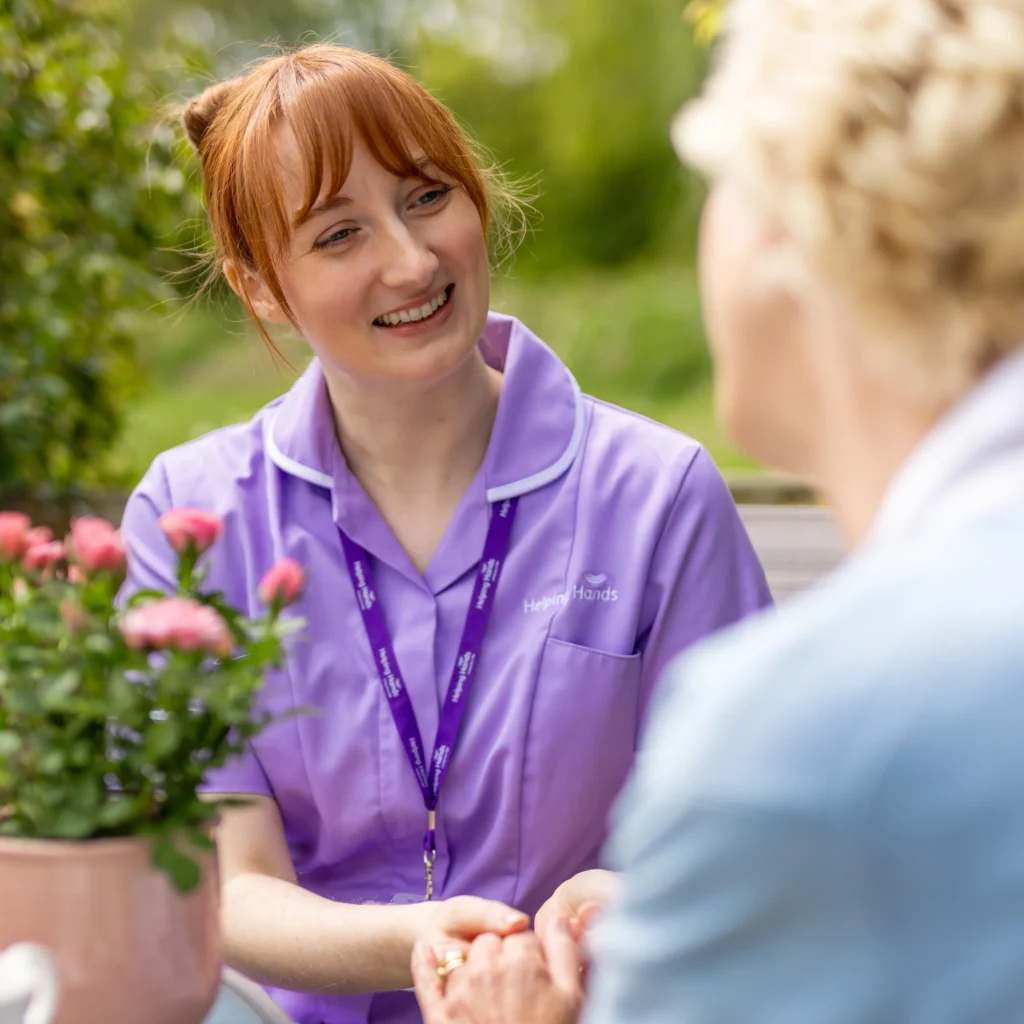
Why do elderly people get cold?
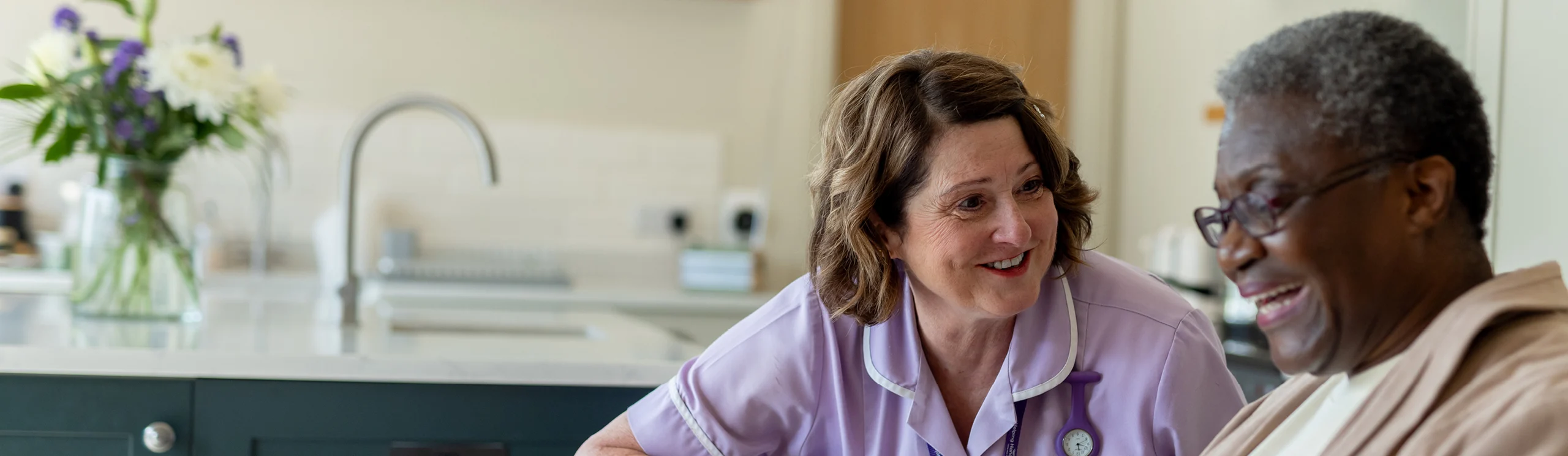
Why do the elderly feel cold?
There are various reasons why we feel the cold more as we age, some of these are health-related while others are economic. It is crucial to tackle feeling cold as we age though, as the statistics on the risks of not doing so make stark reading. According to the British Journal of Community Nursing, “When the weather is cold, one older person dies every 7 minutes, and an average drop of 1 degree Celsius over the winter period will result in 5000 more deaths.” So, whether we’re feeling cold due to a health condition or we’re not switching on the heating due to concerns about the spiralling costs, we cannot ignore the issue.
If you think Helping Hands can help you at home to remain as active as possible, prepare nutritious and cost-effective meals, or generally help you to beat the cold, chat to our local care teams around the UK to see how we’re making a big difference in our customers’ everyday lives. Unlike many care companies, all of our services are fully regulated by the Care Quality Commission and Care Inspectorate Wales.
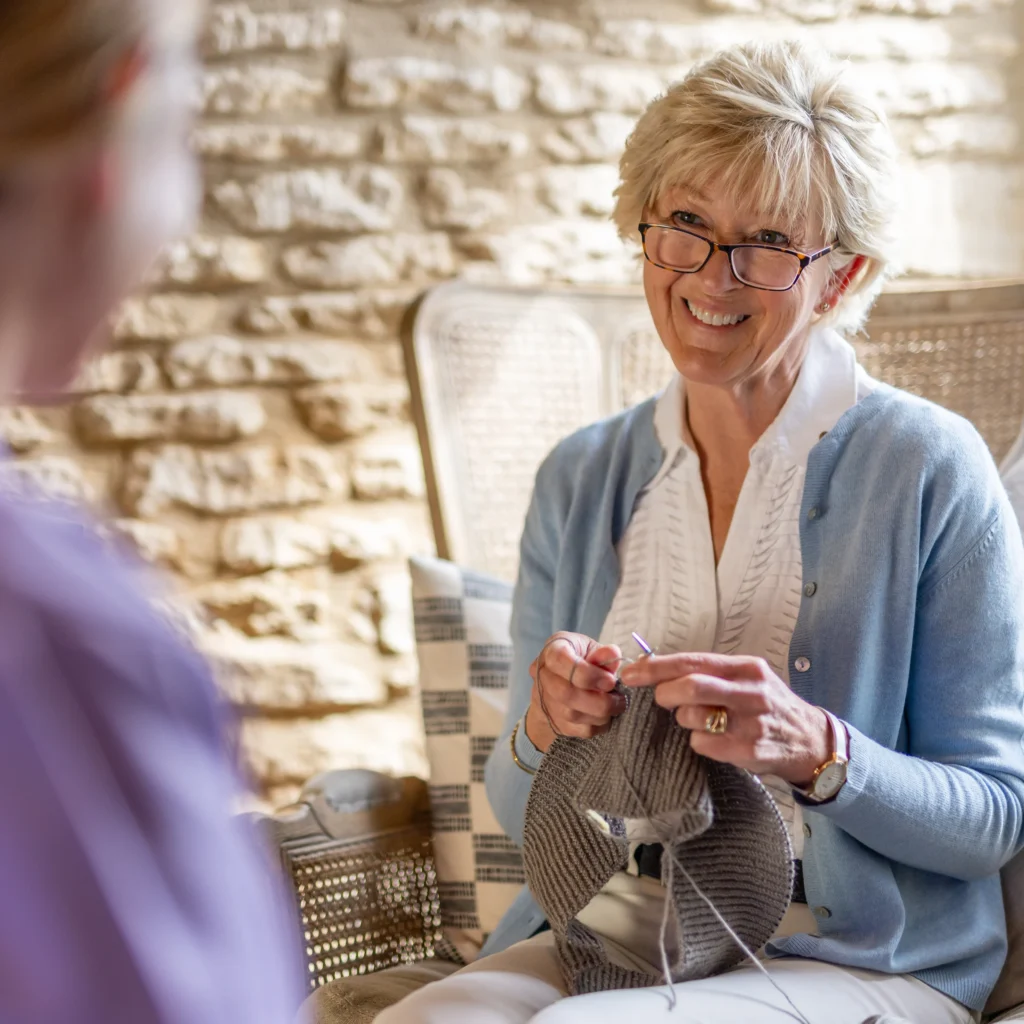
Ageing
As we age, our metabolism naturally slows, which lowers the core body temperature and can make you feel the cold more intensely. It’s also the case that once we pass 50, on average we lose around 10% of our muscle mass every ten years. This is crucial as our muscles produce around a quarter of our resting body heat.
Our circulation can suffer as we age too. With the body producing fewer blood vessels, the delivery of blood – and consequently heat – to the skin’s surface is affected.
Thinning skin is also a consequence of ageing, which means the insulating layer of fat beneath the surface also decreases. This means the body cannot conserve heat so well and warmth is lost more quickly.
Underlying Medical Conditions
Underlying medical conditions can make us feel colder in ourselves, as well as leaving us more susceptible to the effects of colder weather. Conditions such as hypothyroidism, anaemia, diabetes, and cardiovascular disease can affect the body’s ability to regulate temperature, as well as reducing blood flow and therefore heat to the extremities.
Certain medications more commonly prescribed to the over-50s can also lower body temperature and make us more susceptible to the cold. Indeed, Saga tells us that “beta-blockers and blood thinners such as Warfarin” can increase our sensitivity to colder temperatures.
Costs related to staying warm
With the increasing cost of living, many older people are not switching on the heating due to concerns about paying the bills or are cutting back on food due to rising prices. This can have an immediate effect on wellbeing and leave older people extremely vulnerable.
It’s therefore crucial to do everything possible to make our money go further, whether that’s taking advantage of cheaper energy tariffs such as Economy 7 overnight or using personal appliances to keep warm rather than the heating. Money Saving Expert advises us on how to “Heat the human not the home”, focusing on ways of heating ourselves up rather than relying on heating rooms, and there are other things we can do, such as draught-proofing and putting up thicker curtains, that may help to retain heat indoors and lower energy costs.
There is also help available to older people such as the Winter Fuel Payment, so checking eligibility for support is essential.
Dementia and keeping warm
With the risk of developing dementia increasing as we age, and around three-quarters of those diagnosed being aged over 65, we need to ensure that the people around us living with dementia are supported to keep warm. The Alzheimer’s Society reminds us that “people with dementia won’t always remember to dress appropriately for colder weather” so may be even more vulnerable to the risks of the cold.
Promoting independence and choice is still vital when people are receiving dementia care, so we should always calmly explain why wearing something warmer or putting on layers of clothes is important. Dementia affects the brain’s ability to process messages from the nerve cells so if someone objects to wearing a certain item it may be because it feels strange against their skin. Sourcing more natural fibres or building up thinner layers may help them to feel more comfortable.
How to keep elderly people warm?
Supporting older people to feel warm can include everything from dressing appropriately for the weather, eating nutritious meals, having hot drinks, and ensuring the home is as insulated as possible to cut heating bills. If someone is worried about the cost of food for instance, cheaper seasonal ingredients can be used to make a nutritious soup or stew, and producing meals in bulk and then freezing may be another cost-effective option. Heated blankets can often be quite economical to run, although should be tested regularly and checked for safety concerns, while other devices such as dehumidifiers may help to reduce cold air moisture and make a home feel cosier without costing as much to run as the central heating.
Encouraging someone to be as active as possible is also vital, as moving about will help the blood to flow around the body and ensure heat reaches each part. Even if mobility is restricted, there are exercises that can be done sitting down, and encouraging someone to get out of their chair and even just walk around the room will be beneficial. There are exercises that utilise a person’s own body weight too which may be suitable and will encourage the preservation of muscle mass.
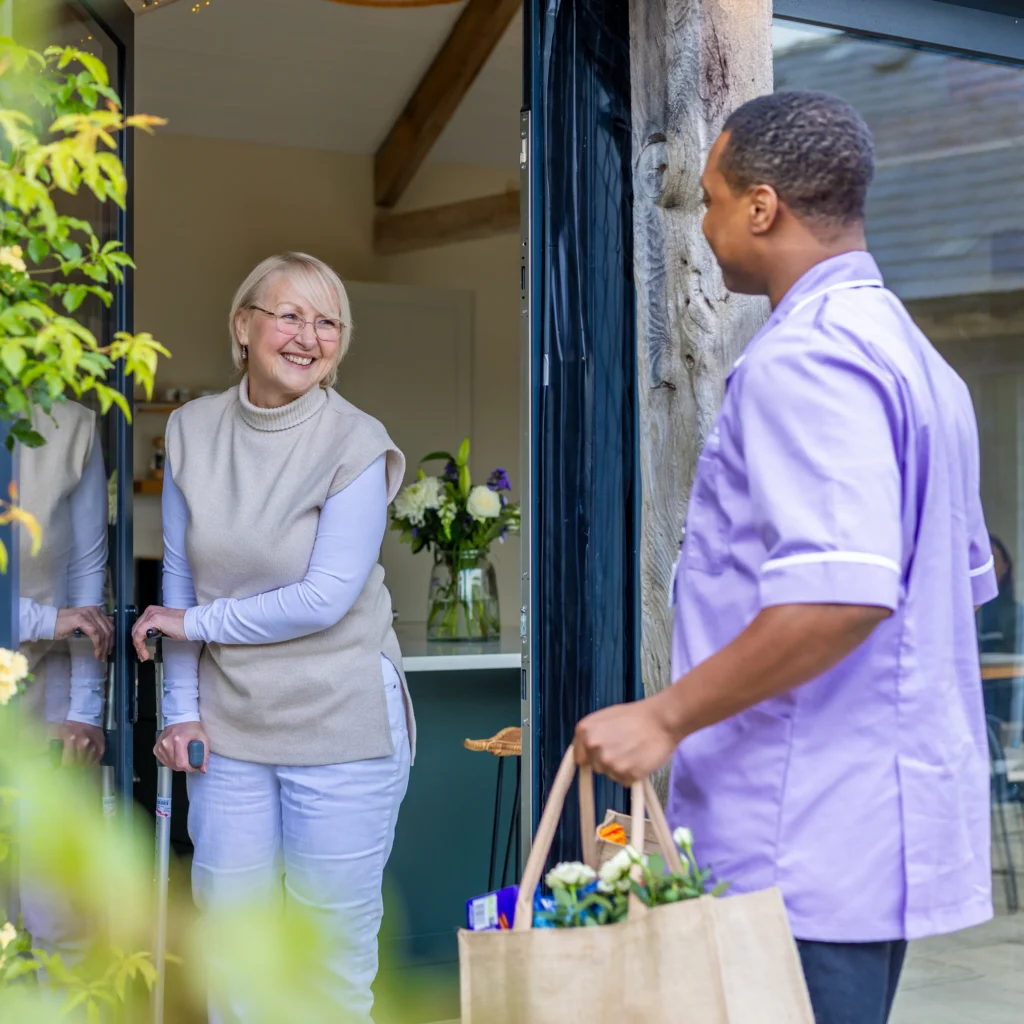
How Helping Hands can help with elderly care
Helping Hands have been supporting people to remain as independent as possible in their own homes since we were established in 1989, and we have always considered people’s wellbeing our highest priority. We offer outstanding visiting care and live-in care across England and Wales and can make a real difference in every aspect of our customers’ lives.
We’re not just there for the practical jobs such as housekeeping and laundry though. We are a lifeline to many of our customers who would otherwise be at risk of social isolation and loneliness by offering companionship and a welcome visitor to break-up the day.
We’re also a welcome reassurance to family members who may live some distance from vulnerable loved ones. For instance, if the person began exhibiting symptoms of hypothermia our carers would act quickly to ensure they received immediate medical intervention.