Winter warmth to support you from Helping Hands

Signs your loved one needs extra support this winter
During winter, it’s important to watch for signs that your loved one might need extra support.
Keep an eye out for changes in their physical health, such as struggling to stay warm, frequent colds, or difficulty getting around safely in icy conditions. Emotional signs like increased loneliness, sadness, or withdrawal from activities they usually enjoy can also indicate they need help. You can check for signs around the home such as unopened mail, an empty fridge, or an unkempt living space, which may suggest they’re finding it harder to manage daily tasks. Noticing these signs early can ensure they get experienced live-in care or visiting care from a Helping Hands carer who can help form a healthy daily routine during winter.
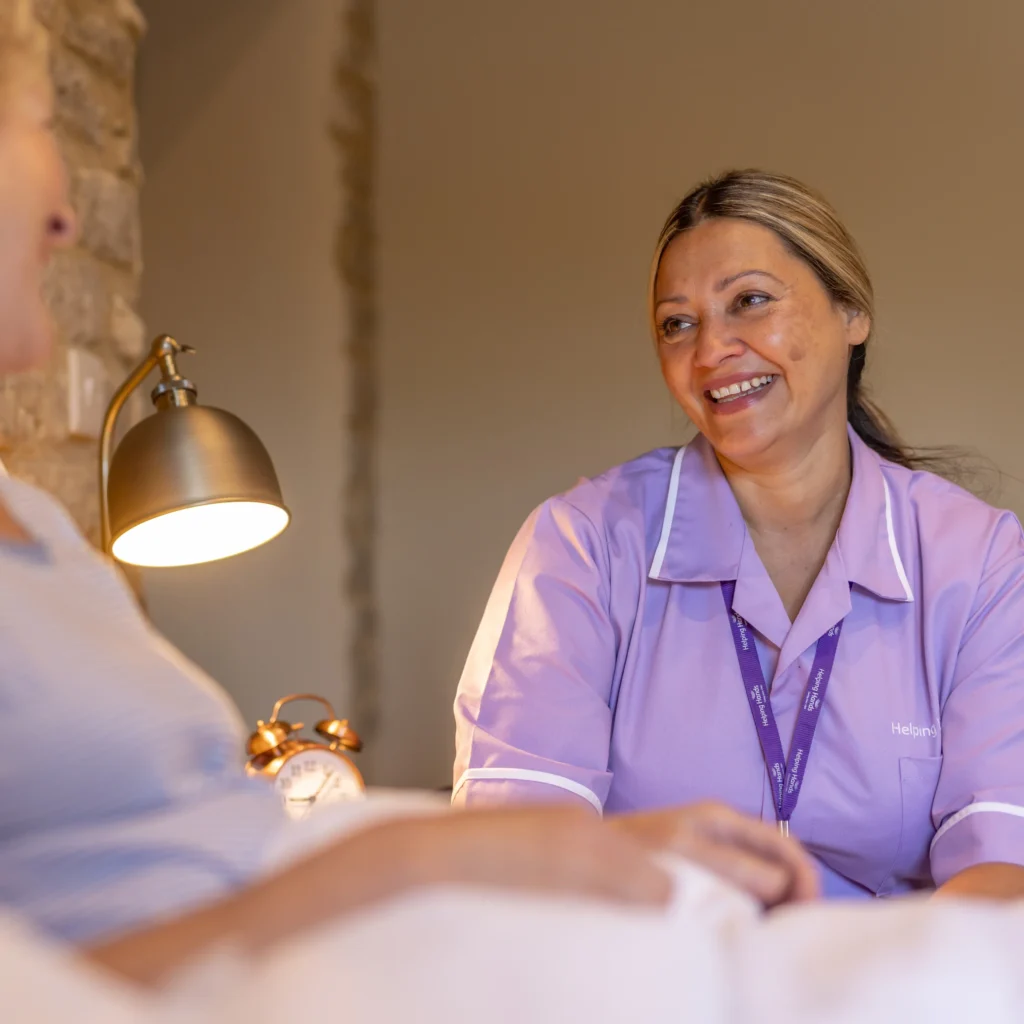
Winter can increase health risks and mobility challenges for elderly people.
Signs to look out for include fatigue or frequent resting, difficulty with simple tasks like preparing food or tidying the home, and showing signs of decreased strength or coordination. Be ready to lend a hand during the winter months or arrange attentive mobility care with help from Helping Hands. We can help form a daily routine that can include physio and light exercise to get on top of any mobility challenges. We’re also experts at providing general housekeeping and preparing healthy and delicious meals.

How Helping Hands can help
Dedicated home care from Helping Hands can support your daily life in the home you love.
This winter, we can offer skilled live-in care for around-the-clock, full-time support, visiting care for scheduled visits and respite care for temporary, short-term help. Whatever your needs, we offer exceptional condition-led care and disability care, so we get to know you and what bespoke care could mean for you. Our carers are fully qualified to provide focused nursing care that can help with medication administration, keeping up to date with GP appointments and helping with more complex needs. On top of this, our carers are compassionate, friendly people who truly make a difference in our customers’ lives.
How does winter affect the body?
Winter can have an impact on all of our bodies, and can be especially challenging for elderly people
Risk of hypothermia
The elderly are more vulnerable to hypothermia due to a slower metabolism and reduced ability to retain body heat, even from mild exposure to cold temperatures.
Weakened immune system
The immune system becomes less effective with age, making older adults more susceptible during winter to seasonal illnesses like colds, flu, and respiratory infections.
Joint and muscle pain
Cold weather can exacerbate conditions like arthritis, causing stiffness and increased joint or muscle pain due to reduced circulation and lower temperatures.
Increased risk of fall
Icy and slippery surfaces during winter increase the likelihood of falls, which can lead to fractures or other serious injuries in older adults with decreased mobility or weaker bones.
Heart conditions
Cold weather forces the heart to work harder to maintain body temperature, increasing the risk of heart attacks and other cardiovascular problems in elderly people with pre-existing heart conditions.
Seasonal Affective Disorder (SAD)
The reduced daylight hours in winter can lead to feelings of depression or loneliness in elderly individuals, especially those who are already prone to mood disorders.
Respiratory problems
The cold air during the colder months can irritate airways, worsening conditions like asthma, COPD, or bronchitis. Indoor heating can also dry out the air, exacerbating breathing difficulties.
Dehydration and skin issues
Elderly individuals may not feel as thirsty during colder months, leading to dehydration. Additionally, the cold, dry air can cause skin to become dry, itchy, and cracked, increasing the risk of infections.
Home care for customers with Helping Hands
At Helping Hands, we can offer superb homecare, so you can continue the winter the right way with compassionate and experienced carers.

Visiting care

Live-in care
A fully regulated home care provider
Here at Helping Hands, our service is regulated by the Care Quality Commission (CQC) and the Care Inspectorate Wales (CIW)
This means we need to consistently meet high standards and are monitored by our regulators.