


What is end-of-life care?

What is end-of-life care?
End-of-life care is support for those in the last days, week or months of their life. Not only does end-of-life care enable you to be as comfortable as possible in your final days, but it allows you to pass away with dignity.
Many people choose to spend their last moments in hospital or at a hospice. But with home care from Helping Hands, you can pass away in the place where you know and feel most content – your home.
Your carers will be there for you whenever you need them, providing assistance to both you and your family before, during and after you’ve passed away, so that you can rest assured that everything is taken care of
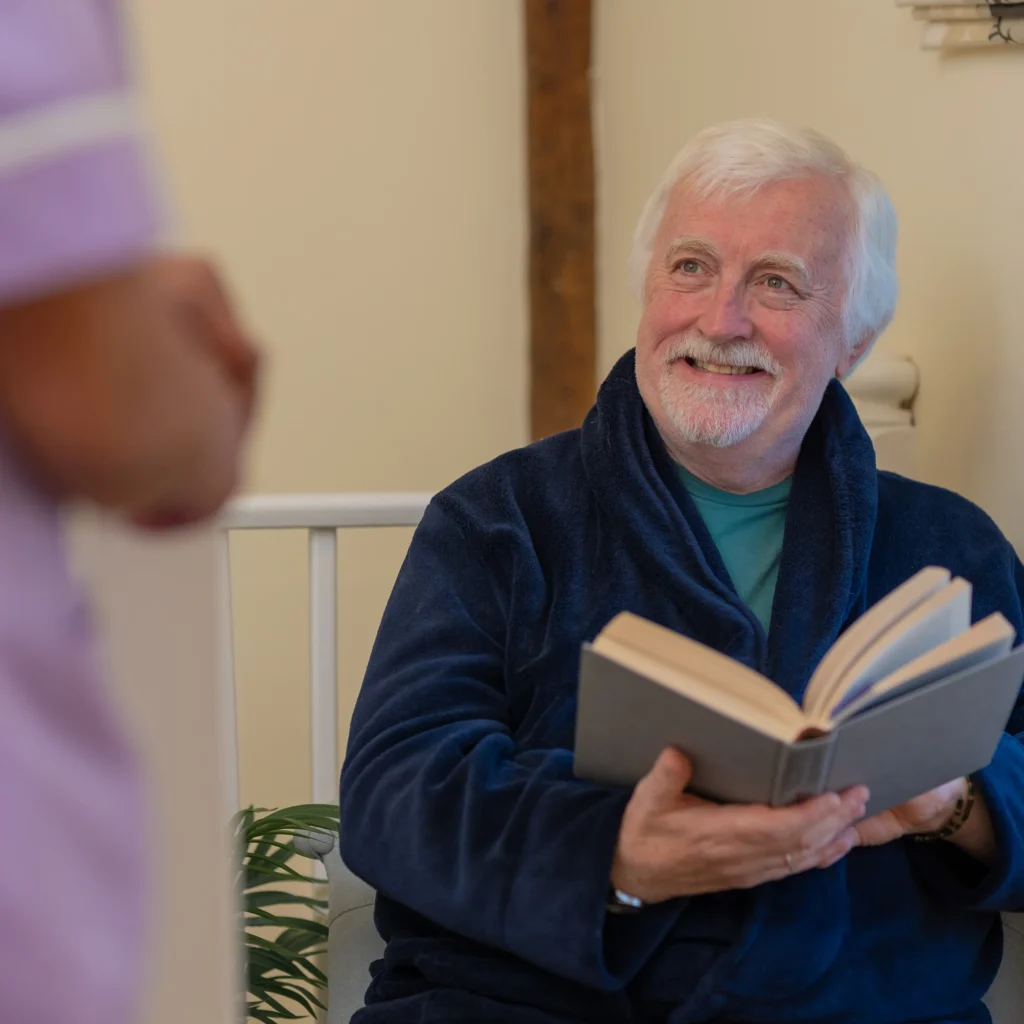
End-of-life care explained
Covering different conditions and health needs, end-of-life care provides support to you and your family that is tailored entirely around you.
Even if you are currently in hospital, your local Helping Hands care manager can arrange for the right level of support to be put in place for a smooth return home, allowing those final days to be spent in the familiar environment of your home comforts and surrounded by loved ones.
In many cases, dedicated end-of-life care can be arranged to start within 24 hours of when you first contact us. Whether you need round-the-clock assistance or overnight support whilst your family take a break, we will create a person-centred support plan that caters to all of your requirements.
Carers can assist you with both the physical and emotional aspects of end-of-life care, helping you throughout the day and night with practical tasks but also supporting you with your mental health and wellbeing. Alongside supporting other customers at the end of their lives, many of our carers have also has the personal experience of caring for their own family member. They offer a valuable source of support and understanding during what can be quite a distressing time
Who is end-of-life care for?

End-of-life care is for anyone who has a life-limiting condition and requires additional support to remain comfortable in the days and weeks leading up to the end of their life. Helping Hands provide end-of-life support for a number of different conditions and health needs, including:
Care may be in the form of live-in care, where a carer lives with them in their home and are on hand to provide 24-hour support with medication, nutrition and hydration, support with hoisting or changing position in bed and companionship. Alternatively, they may have a carer that visits them throughout the day to deliver regular support with personal care, mobility, preparing food, household tasks and emotional support.
For more complex healthcare needs, such as PEG feeding, or stoma, our clinical nurse team will oversee your support plan and ensure the team involved in your care is fully aware of every aspect of your care routines. That way, you can remain at home where you feel safe and comfortable with the correct support for your level of need.
Other people are interested in…

End-of-life support plans
End-of-life support plans

Talking about end of life options with loved ones

Coping financially at the end of life
How to cope financially at the end of life