


Personal care
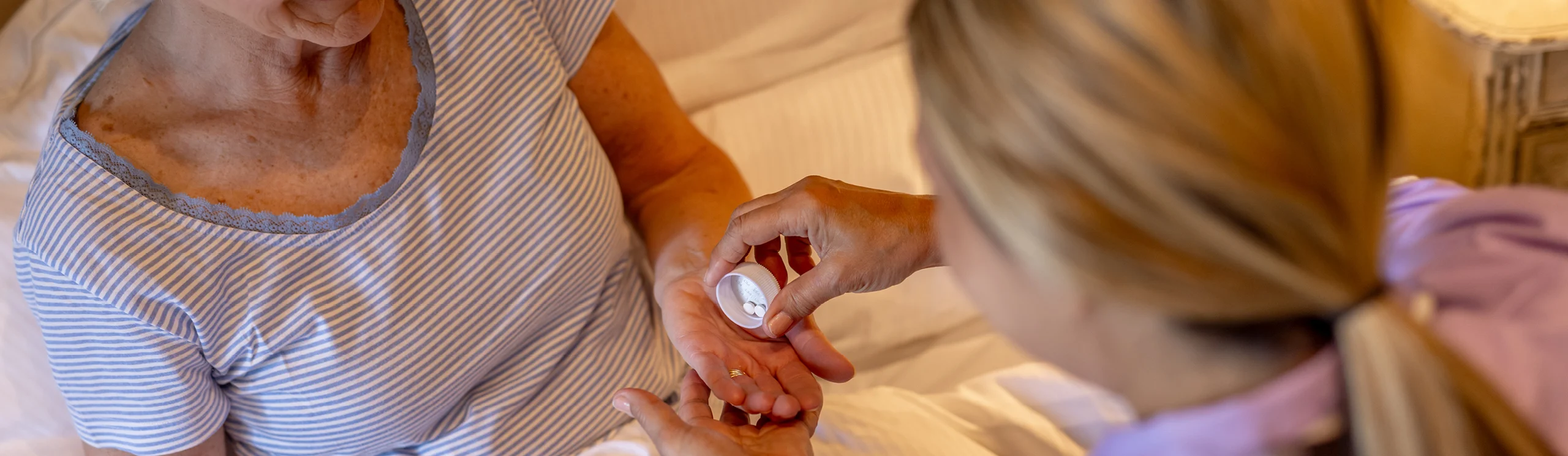
What is personal care?
Personal care is the support and supervision of personal living tasks and private hygiene.
Personal care for elders is the support and supervision of daily living tasks and hygiene that may be considered personal and intimate, along with dressing and maintaining your personal appearance.
It may involve assisting with hygiene, dressing, mobilising, eating and drinking and skin care, and provides you or your loved one with the opportunity to receive discreet and sensitive one-to-one support from a fully-trained private carer, with a focus on dignity and independence.
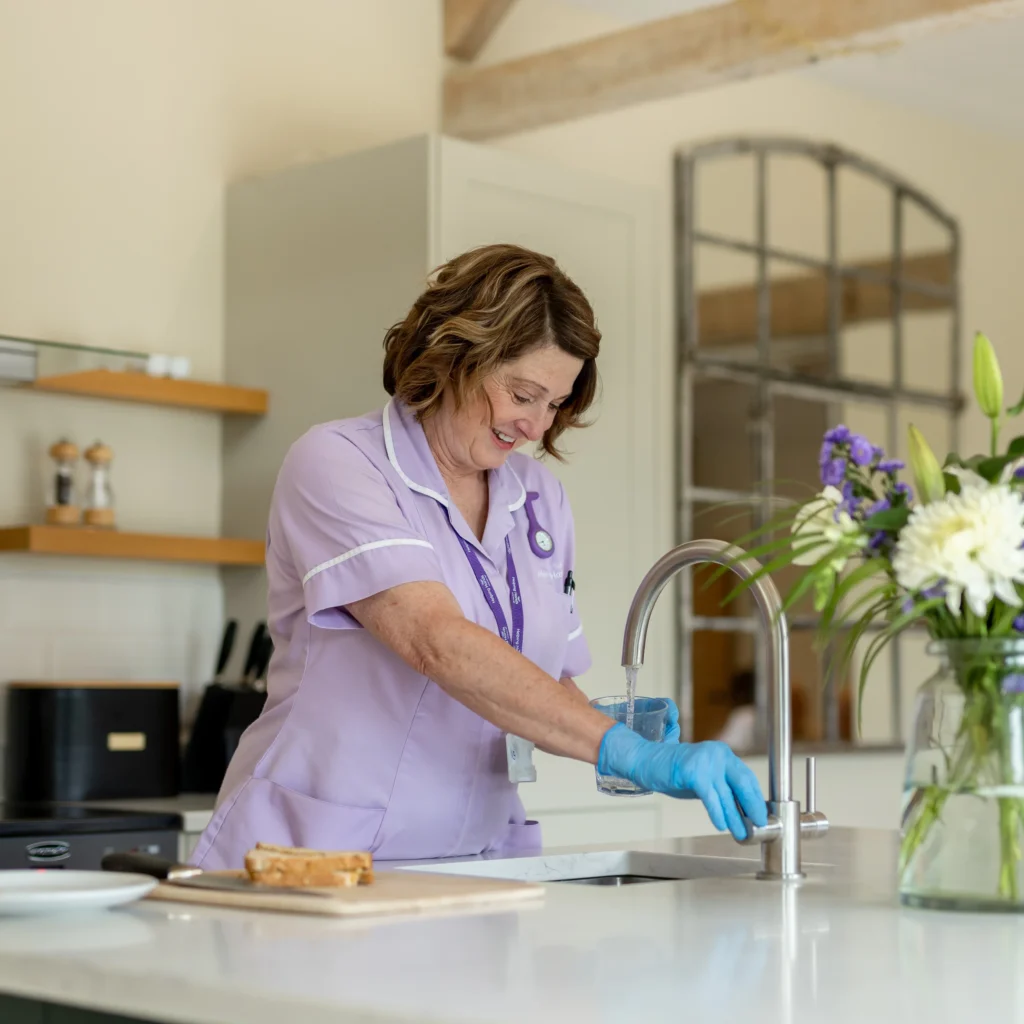
A carer can assist with:
Bathing and showering
Our carers can sensitively assist with personal hygiene to help you feel confident every day
Getting dressed
With a carer, getting dressed and undressed can become
much quicker and simpler
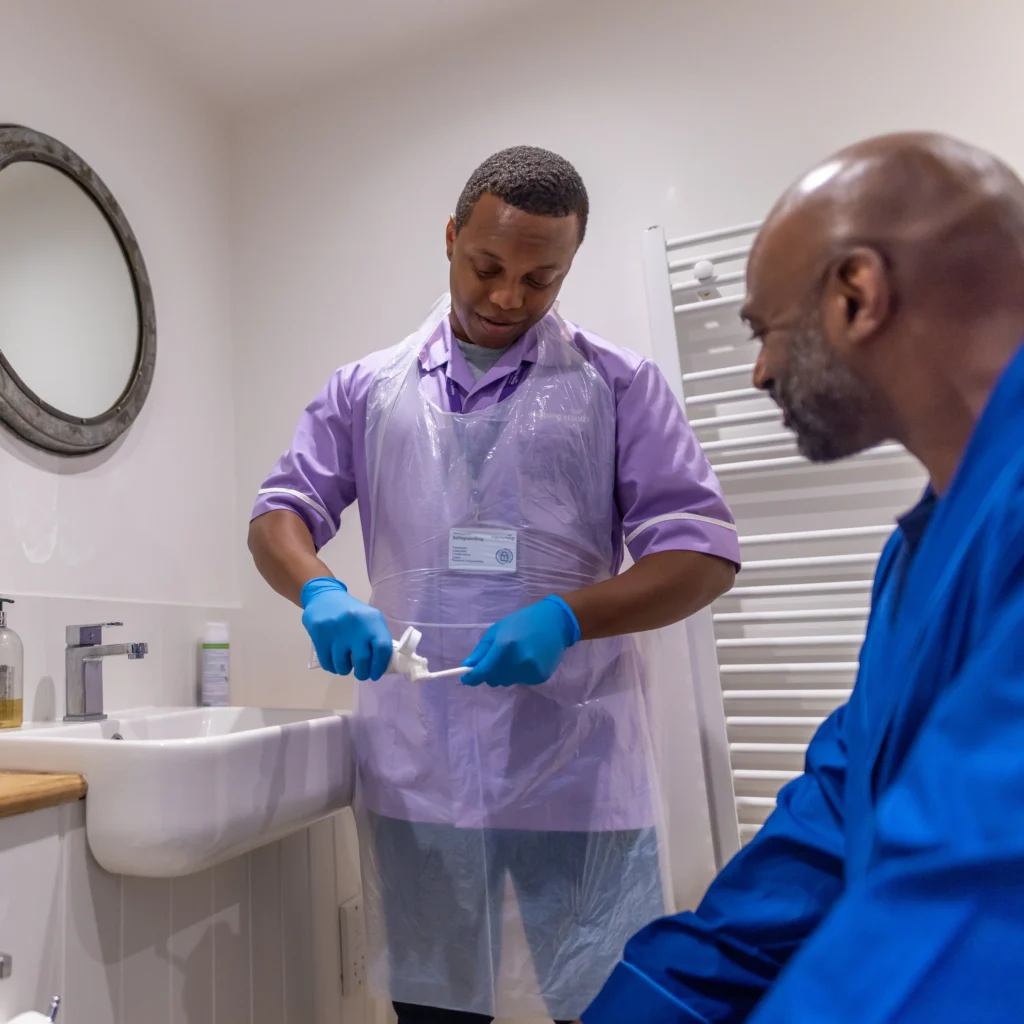
Oral hygiene
Your carer can help you with brushing your teeth and other areas of oral hygiene
Applying make-up
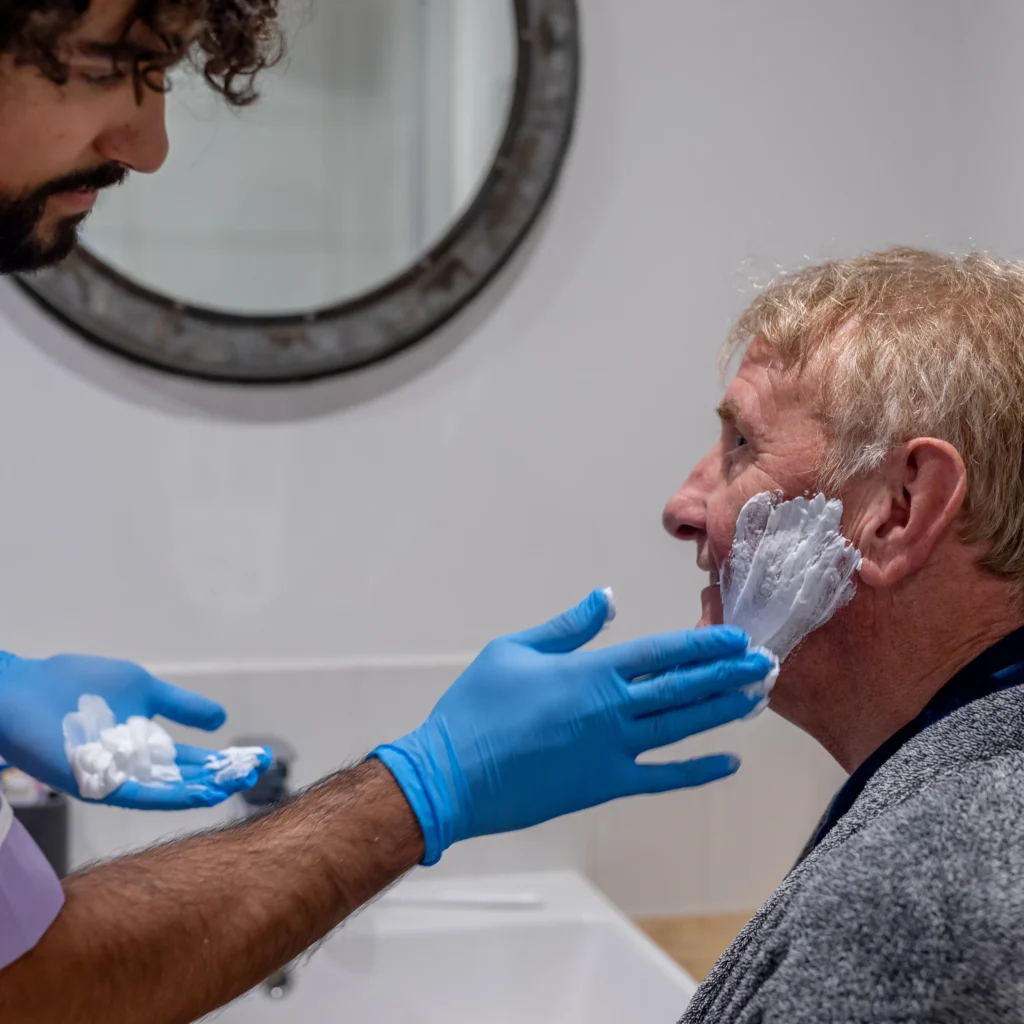
A carer can help you apply make-up, as well as helping with shaving and hair care
Foot care
Good foot care is especially key if you are diabetic and need to be vigilant with your feet
Toileting and continence
A carer can help with toileting, changing continence pads, and cleaning intimate areas
Moving position in bed
Our carers can help you to move position in bed to stretch and help avoid pressure injuries
Managing a stoma
Your personal carer can help change or maintain a stoma or catheter bag
Supporting your independence with a personal carer
A fully trained private carer offers discreet personal care to support your independence.
At Helping Hands, our carers are all fully trained to provide dedicated, person-centred home care that promotes your independence and lets you continue to live life on your own terms. Working to your regular routines and ensuring that support is tailored to your specific requirements, you’ll always receive personal care in the way that’s most comfortable and convenient for you.
We believe in the importance of a continuous service and the same familiar faces, especially when it comes to personal care.

The options for personal care
With personal care from Helping Hands, you have the choice of having either visiting care or live-in care, depending on the level of support you require.
Visiting care

Live-in care
Personal care, tailored to your needs
Our personal care plans are built entirely around your specific needs and routines.
Like all forms of care, support with personal care is built completely around your individual needs and personal routines. If you like to wash before breakfast or have a bath before going to bed, a carer will happily follow your schedule, letting you live the way you want.
With home care, you have the choice of having a visiting carer – someone who visits at set times of the day or even overnight – to provide the support you need. If you require ongoing support, it may be best to have a live-in carer, living at home with you to provide 24 hour care.
Additional pages we think you’ll find useful:
Live-in care
With live-in care, you’ll have the opportunity to have one our brilliant carers live in your home and offer 24/7 support
Visiting care
Our visiting care service gives you flexible, personalised support in your home at the times that you need it most
Elderly care
Our elderly care focuses on supporting the specific problems faced by elderly people, such as mobility, memory loss and more
Support for younger people
We provide support to people of all ages and with all manner of needs, including younger people over the age of 18
Fully regulated Visiting and Live-in Care
Visiting and Live in Care
We are a fully regulated home care provider, closely monitored by the Care Quality Commission

Independent inspections
Regular inspections, including unannounced visits, give you peace of mind that we are committed to doing what we say we will do.
Fully vetted carers
We have a robust recruitment processes in place and ensure all necessary checks are carried out before we employ someone to work at Helping Hands. We take the time to make sure we only employ the right people.
Consistently meet high standards of care
We must consistently show that we meet the highest standards of care and provide safe, effective, caring, responsive and well-led services.
Guaranteed training and development
All our employers are trained to nationally-recognised standards before they work unsupervised with our customers. We provide ongoing professional development and support so our carers remain competent and safe to carry out their role.
Carers who go above and beyond
Helping Hands carers truly go above and beyond for every customer, whatever your needs.
We’re extremely particular about who we recruit to our care teams, only hiring the most compassionate, dedicated candidates. Every carer is expertly trained to provide personal care in a way that is discreet and respectful of your personal boundaries at all times.
As well as providing personal care, our carers can also assist you around your home in a number of other ways, such as:
Help with the housework
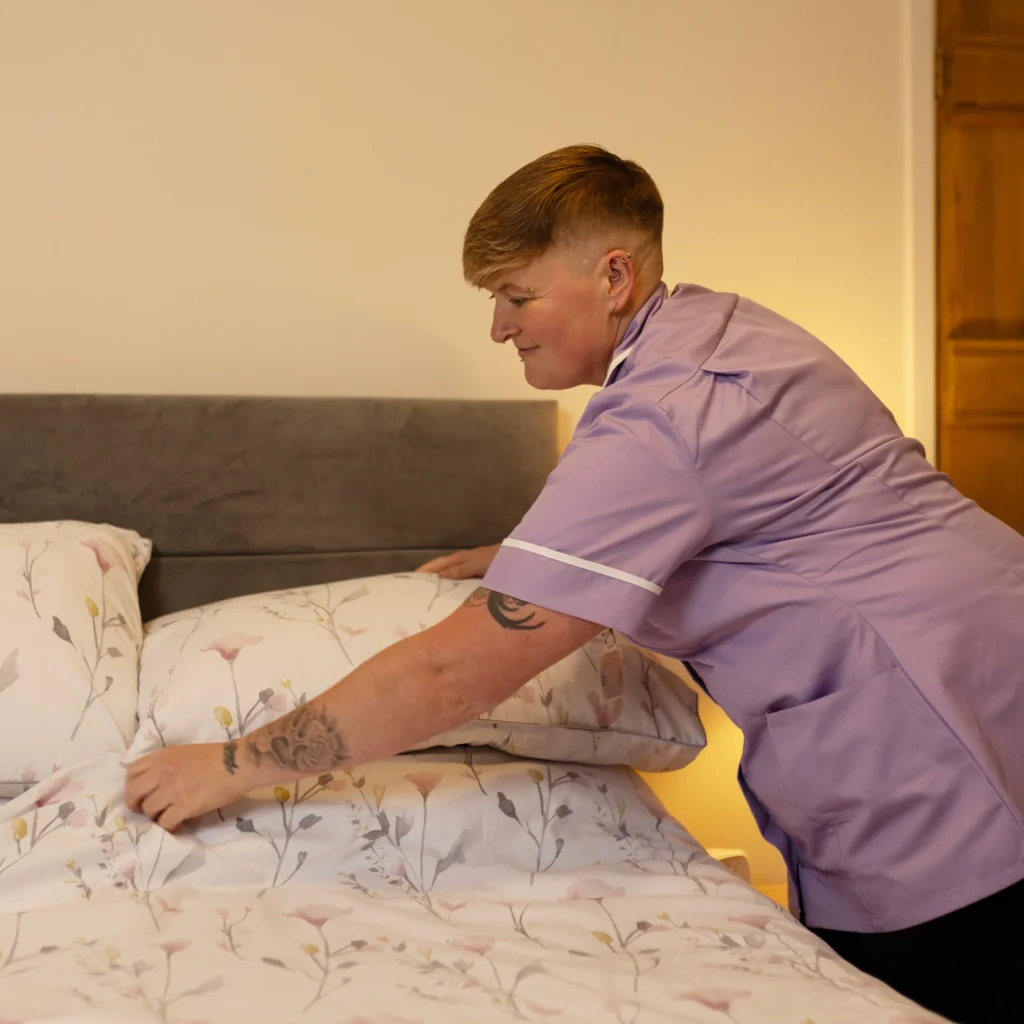
Our carers can assist with tasks and chores around the house, such as cleaning, vacuuming, changing sheets and doing the laundry
Provide mobility assistance
All Helping Hands carers receive mobility support training, so they can help you get in and out of bed and access your whole home
Prepare meals and drinks
From popping the kettle on to preparing your favourite dinners, your carer can assist with all your culinary needs
Assist with medication
Our carers are fully trained to help collect, organise and administer your medication, ensuring you stick to your plan
Friendly companionship
As well as practical and physical support, our friendly carers also provide great company if you’re feeling lonely throughout the week
Helping you get out and about
Whether on public transport or in their car, a carer can help you get to the shops, see family, or even go away for the weekend
Let the numbers do the talking!
Rated as the best home care provider* in the UK with over 4000 official Trustpilot reviews.
Our average Trustpilot review score is an industry-leading 4.7, so find out why our customers are rating us as the UK’s leading home care provider.
Personal care for someone living with dementia
We’ve got experts and specialists on hand to provide your loved one with gentle support.
Our carers are fully trained to offer dementia care, including Alzheimer’s care. It is common for someone who is living with dementia to need support with personal care matters. However, this can be hard if that person is experiencing anxiety and confusion over who people are and shame and embarrassment over more intimate activities such as bathing and dressing.
We train our elderly carers to try and understand any sources of anxiety or resulting aggression from someone who is living with a type of dementia. They offer gentle encouragement and support to help your loved one feel at ease. Sometimes it’s as simple as offering extra space, or even demonstrating the task for them.
Additional pages we think you’ll find useful:
Who is personal care for?
Read more about the symptoms and conditions we can support, and whether personal care might be right for you
The cost of personal care
Discover the associated costs and how much you should expect to pay for personal care services.
Gastrostomy care
Discover how our carers can sensitively and discreetly assist with managing and cleaning a PEG tube
Better than residential care
When you’re looking for support, it’s important to find a care plan that works for you. Unlike residential care,
care at home from Helping Hands is fully tailored to your personal needs and preferences.
You can remain in the comfort of your own home
You have full control over your meal times and preferences
One-to-one, 24-hour care from your own dedicated carer
You can continue with your preferred lifestyle and routines
Your friends and family can visit as much as they like
When should personal care be considered?
Sometimes personal care matters can be difficult for a close family member or friend to carry out, with some feeling awkward about a change in relationship or uncomfortable about completing the more intimate tasks.
In instances like these, it can be much easier for a trained carer who is accustomed to supporting with personal care to step in and help.
You may wish to consider personal care if you are:
Recovering from surgery
If you’ve been discharged from hospital, you may require personal care until you’re back on your feet
Living alone
Living alone can make personal care routines more difficult, and increases the risk of injuring yourself
Prone to memory loss
Those in the later stages of dementia may forget that they need to wash, or how to go to the toilet
Struggling with hygiene
Bad hygiene can affect your confidence and independence, but it’s nothing a helping hand can’t fix
How to arrange personal care
Speak to our team
Our friendly, knowledgeable team can answer your questions and talk you through your options. We are available 7 days a week.
Book a free care assessment
Your local Helping Hands care manager will visit you to understand your needs and preferences and discuss how we can help. We can visit you at home, in hospital or even a care home to carry out the care assessment.
Confirm your care package
We create a tailored care plan for you to review. Once you’ve agreed the plan, we can organise care in as little as 24 hours.
A fully regulated home care provider
Here at Helping Hands, our service is regulated by the Care Quality Commission (CQC) and the Care Inspectorate Wales (CIW)
This means we need to consistently meet high standards and are monitored by our regulators.


Why is being a regulated care provider important?
Independent inspections of our service, giving you peace of mind
Fully vetted, high-quality carers
Guaranteed training and development for our staff
Personal care FAQs
Personal care is an umbrella term commonly used to define the range of services put in place to support an individual with personal hygiene and toileting, along with dressing and maintaining your personal appearance.
Personal care can include but is not limited to; bathing and showering, including bed-baths, applying lotions and creams as required, dressing and getting ready for bed, oral hygiene, continence care and much more.
Washing your hands is one of, if not the most important personal hygiene practice. While there are many other important aspects of personal hygiene, by far the most important step you can take to prevent the spreading of germs is washing your hands.
Page reviewed by Carole Kerton-Church, Regional Clinical Lead, on July 25, 2024.
How we wrote this page
This page has been produced referencing key insights and data from external experts, trusted medical sources and our team of in-house specialists. We have worked hard to ensure that all information is as accurate as possible and reflects current consensus at the time of writing and reviewing.