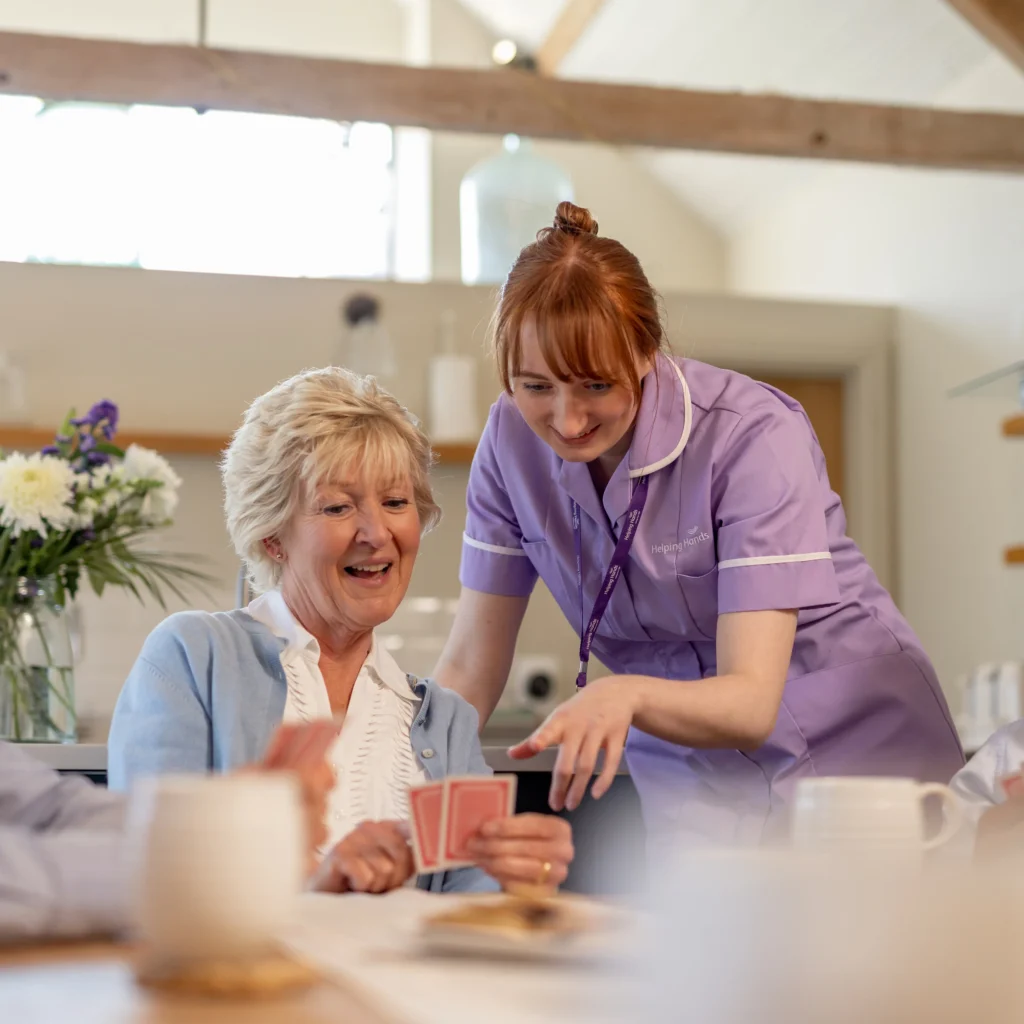
A Guide to Cancer Care at Home
What Is Cancer Care at Home?
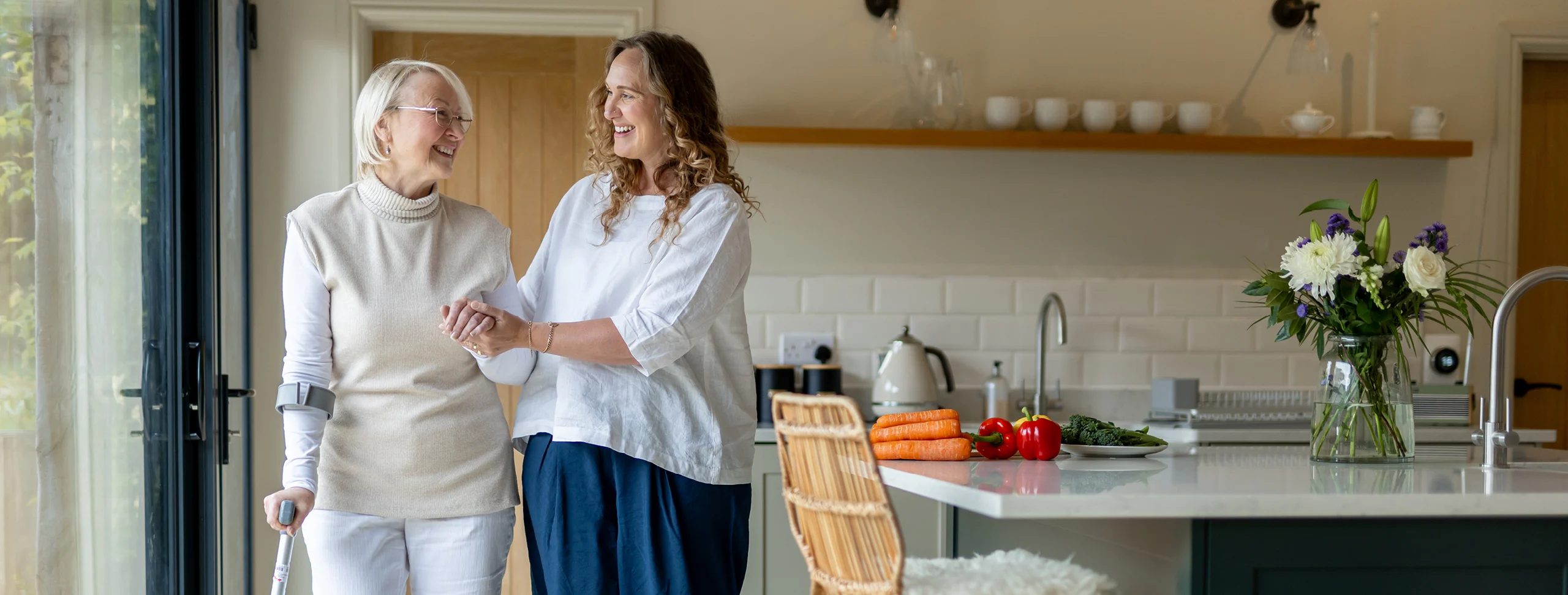
Cancer care at home means that you can remain living in the home you love whilst receiving person-centred care that just couldn’t be matched in a care home. You will still receive essential treatment on an outpatient basis in hospital or from the community nursing team in your area.
Remaining at home means that you can stay in the place you love, surrounded by people and pets that mean the world to you. Why should you be separated from your family at a time when you need them more than ever?

Who Can Benefit From Home Cancer Care?
Every person who is living with cancer can benefit from cancer care at home. Our compassionate carers will make sure you have every comfort you need while you are moving along your treatment journey. We can provide care in your home on both a visiting care and live-in care basis, meaning we can tailor your care to your exact requirements.
Managing Cancer Treatment Side Effects at Home
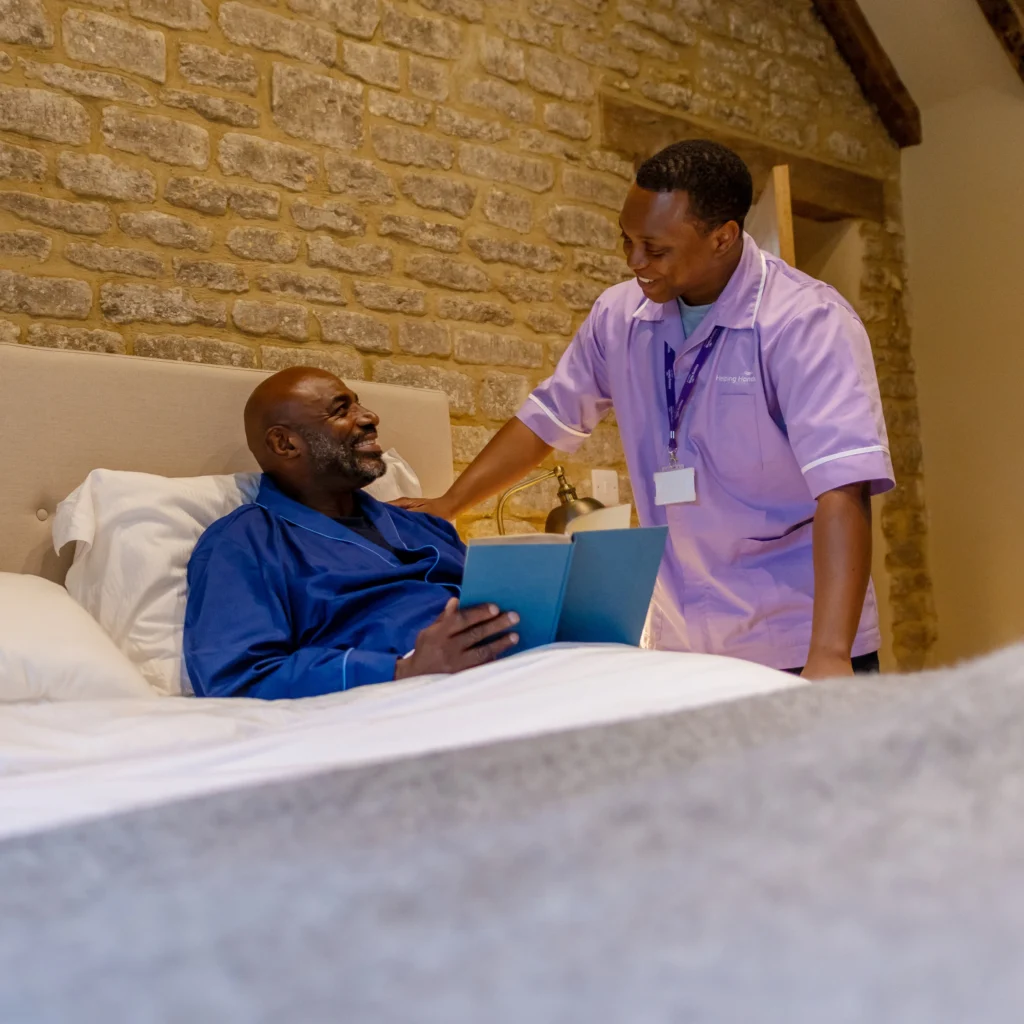
Managing cancer treatment side effects can be difficult for the person or their family members, but having a professional carer on-hand means that there’s always someone you can ask if something is concerning you.
Pain Management and Symptom Control
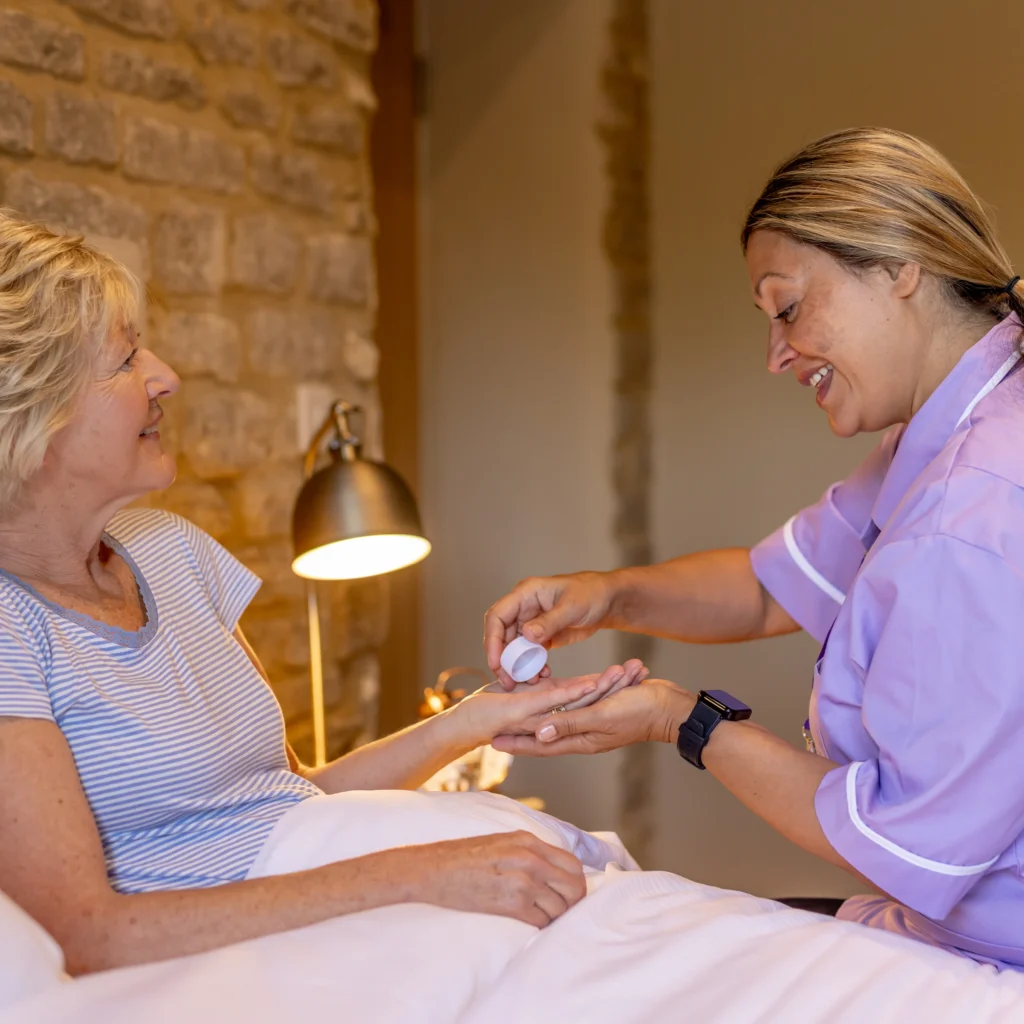
Your carer will be on hand to help you with pain management and symptom control. They’ll follow the instructions of your community nursing team and work seamlessly as part of the wider healthcare team that are taking care of you.
Nutritional Support for People With Cancer
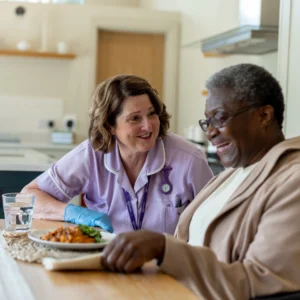
Providing nutritional support is one of the key tasks of a home carer. If the person they’re caring for isn’t eating well, then their physical and emotional wellbeing can be compromised. Hydration is just as important too.
Emotional Support for Both Patients and Families
Having a carer in your home, especially a live-in carer around the clock, there’ll be someone close by who can help you throughout the day and night, whether you need something to eat or your symptoms change.
Palliative Care vs Hospice Care at Home: What’s the Difference?
Palliative care
Hospice care at home
Supporting a Loved One Through Chemotherapy or Radiotherapy
Cancer doesn’t just affect the person being treated. Their family members will also go through a difficult journey, whether their loved one makes a full recovery or not. Chemotherapy and radiotherapy can take its toll on the person and can leave loved ones feeling helpless.
Radiotherapy UK say that “just being with your loved one can be a big help.” It’s also a good idea to see how much they would like to talk about their treatment and if they would like support to ask questions of their treatment team. It’s also important for loved ones to take care of themselves, as if not, it’s difficult to be strong for someone else.
Fully regulated Visiting and Live-in Care
Visiting and Live in Care
We are a fully regulated home care provider, closely monitored by the Care Quality Commission

Independent inspections
Regular inspections, including unannounced visits, give you peace of mind that we are committed to doing what we say we will do.
Fully vetted carers
We have a robust recruitment processes in place and ensure all necessary checks are carried out before we employ someone to work at Helping Hands. We take the time to make sure we only employ the right people.
Consistently meet high standards of care
We must consistently show that we meet the highest standards of care and provide safe, effective, caring, responsive and well-led services.
Guaranteed training and development
All our employers are trained to nationally-recognised standards before they work unsupervised with our customers. We provide ongoing professional development and support so our carers remain competent and safe to carry out their role.
Safety Considerations When Providing Care at Home
When delivering care at home you need to know that your care team are experienced professionals. Supporting people living with cancer isn’t always easy, but at Helping Hands, our carers are compassionate and dedicated to making a difference.
It’s really important that our carers and customers are always safe in the home care environment, which is why we carry out detailed assessments to make sure the customer’s home is suitable for care. This includes making sure that the carer can deliver their role safely, without risk of trip hazards, etc.
The Role of Professional Home Care Providers
Professional home care providers deliver care in their customers’ homes, because the person being looked after doesn’t want to leave it and move into a care home or hospice. They can undertake a variety of tasks to support their wellbeing.
Retained independence
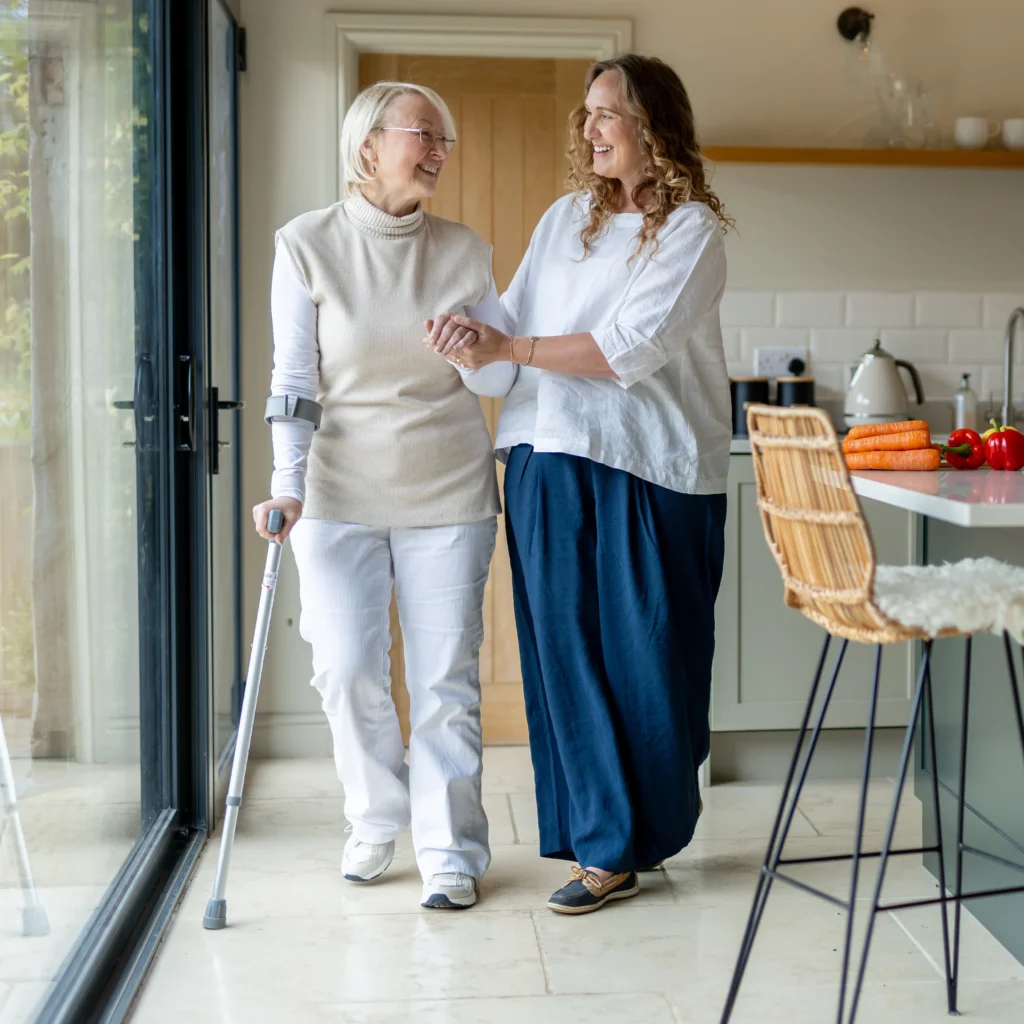
Our primary motivation is to enable our customers to be as independent as possible in the homes they love. Our carers provide support with every aspect of their customer’s daily lives, including housework, personal care, meal preparation, and so much more.
Tailored care
Our home care is designed to fit around individual lifestyles while being delivered on a one-to-one basis. This kind of bespoke care cannot be delivered in a care home environment because staff ratios and the number of residents prevent it.
Comforting surroundings
Familiar surroundings mean we’ll recognise where we are and what we have around us. This will boost emotional wellbeing as anxiety will be reduced, which can also have a positive effect on physical wellbeing. We’ll always work tirelessly to keep you comfortable at home.
Cost efficiency
Care costs can vary widely and often have to be measured on the things you can’t put a price on, such as sleeping in your own bed and having loved ones and pets close by. Care at home can often cost proportionally less, especially for a couple.
Types of Cancer Care Services Available at Home
As well as visiting and live-in care, we can also offer respite care designed around your needs. Contact us to find out more and recieve a personalised quote.
Visiting care
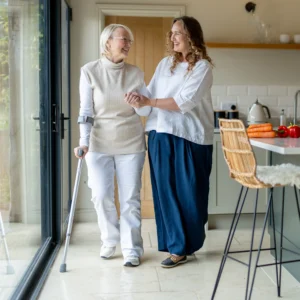
Live-in care
Costs and Funding Options for Cancer Care at Home
Our care prices will vary depending on your personal needs and location, but we’ll always make sure your costs are fully transparent and easy to understand.

Visiting care pricing

Live-in care pricing
Home care designed around you
Whether you choose palliative care or hospice care at home, our carers will fit seamlessly into your wider healthcare team. Our customers opt for care at home over residential care for many reasons, including:
You can remain in the comfort of your own home
You have full control over your meal times and preferences
One-to-one, 24-hour care from your own dedicated carer
You can continue with your preferred lifestyle and routines
Your friends and family can visit as much as they like
Creating a Comfortable and Supportive Home Environment
Our local care teams across England and Wales will listen to how you want your care at home to proceed, and we’ll build your package of care around your requirements. You’ll remain in familiar surroundings and we’ll work tirelessly to make you as comfortable as possible as your treatment progresses.
We can help you to get to essential medical appointments and treatment days, as well as helping you at home, so having professional care from Helping Hands really is the best option for comforting and professional support in the home you love.
Decades of Home Care Experience with Helping Hands
We have 36 years of home care experience at Helping Hands, so why not join thousands of other satisfied customers and contact us today.
We’re the UK’s most trusted home care provider for many reasons, one of which is that, unlike care agencies who’ll charge you a fee just to keep you on their books, we have no hidden costs to surprise you.
We don’t sell franchises either at Helping Hands, meaning we can maintain consistent high standards across our entire network, and all of our branches are owned and managed by us.