How often should the elderly bathe/shower?

Frequency of bathing for elderly
As we get older, even simple daily routines like bathing can start to feel more challenging.
When it comes to personal care, we all naturally want to maintain our hygiene. Many people tend to have a bath or shower at the start of the day or just before settling down to sleep. However, with age, it can become a struggle to bathe or shower daily. This may be due to mobility or simply not having enough energy. But for the elderly, having a shower once or twice a week is sufficient to keep skin conditions and infections at bay.
At Helping Hands, we have been providing elderly care for more than 35 years, so our customers can live independently and comfortably in their own homes. Our private carers provide help so our customers can continue to live the way they wish. They assist with household chores, cooking and even personal care. This means they can support with bathing and personal hygiene, without having to compromise your independence and dignity.
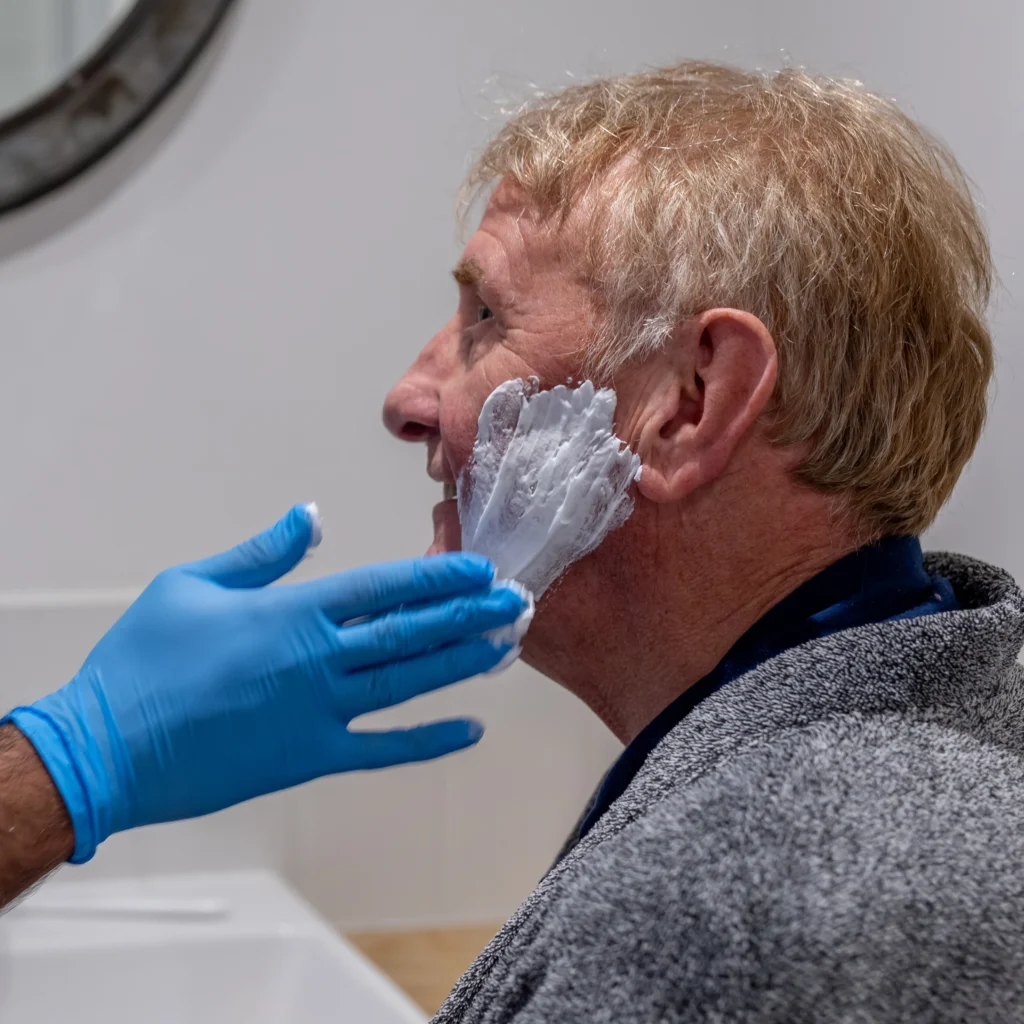
Why is bathing so important for the elderly?
Bathing is not only a health necessity but also a meaningful way to uphold dignity, safety, and overall quality of life.
Bathing is a vital part of elderly care, particularly for our customers who are supported by Helping Hands, as it plays a key role in maintaining both physical health and emotional well-being. As people age, their skin becomes thinner and more vulnerable, making regular bathing essential to prevent infections, reduce bacteria build-up, and protect overall skin health. It also helps improve circulation and can ease discomfort caused by stiffness or limited mobility. Beyond physical benefits, bathing supports dignity, confidence, and a sense of routine, all of which are crucial for maintaining independence in later life. According to elderly hygiene guidance, consistent personal care helps older adults preserve their quality of life while encouraging independence and comfort, and reduces the risk of infections, promoting both physical and emotional well-being.
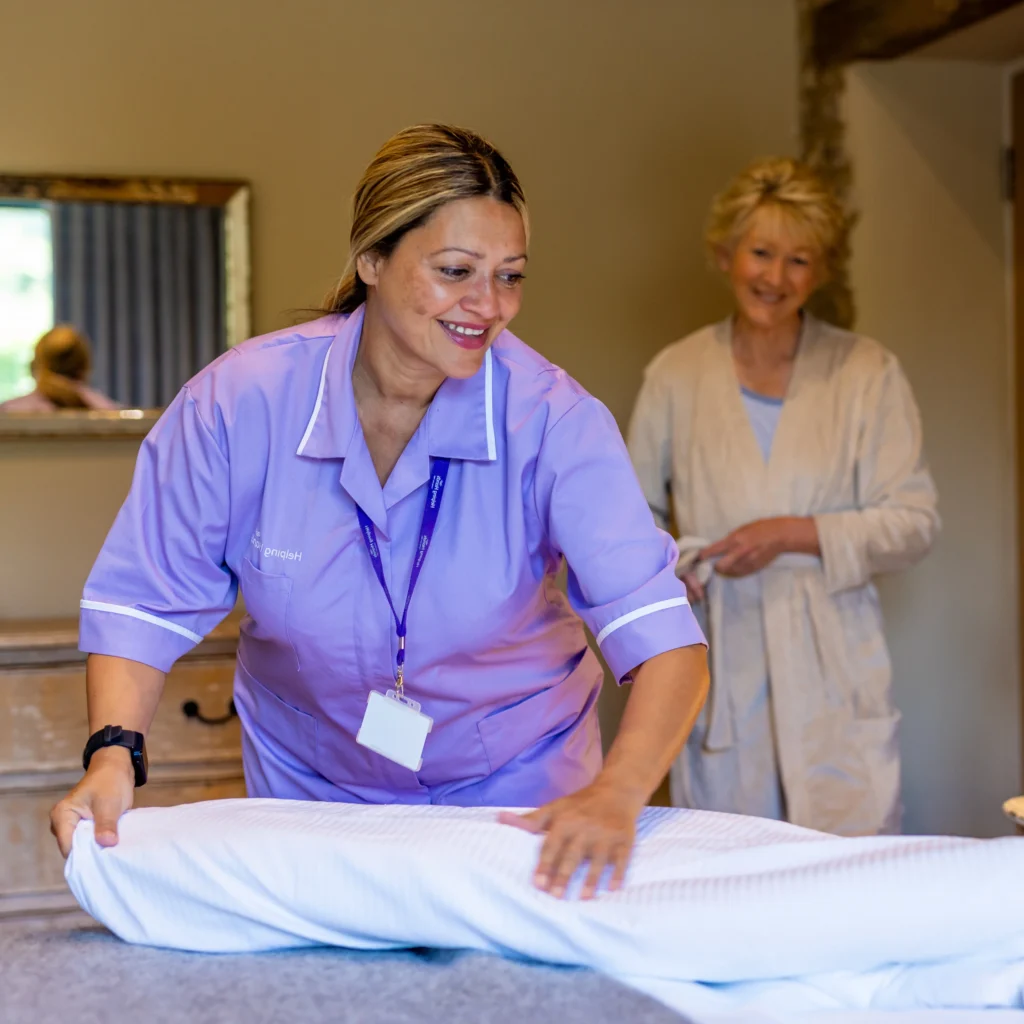
Tips for making bathing safe and comfortable
Here are a few tips you can use for safe bathing:
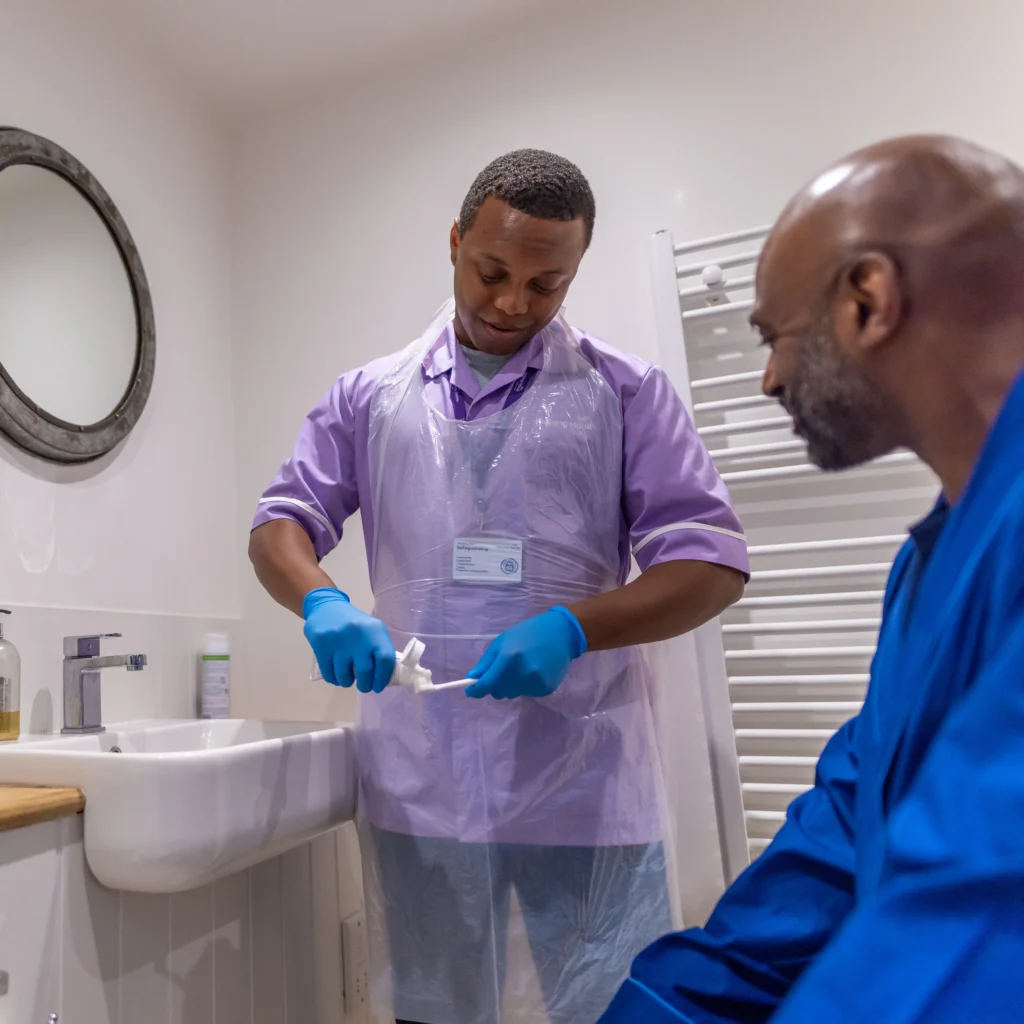
Arrange bathing support with Helping Hands
At Helping Hands, we pride ourselves on our ability to be adaptable to your needs. We can offer expert home care on a live-in, visiting or respite basis.

Visiting care
Live-in care
A fully regulated home care provider
Here at Helping Hands, our service is regulated by the Care Quality Commission (CQC) and the Care Inspectorate Wales (CIW).
This means we need to consistently meet high standards and are monitored by our regulators.