Life after a stroke: a practical guide to recovery at home
What recovery after a stroke really looks like
Recovery after a stroke is often gradual and can vary depending on the type and severity of the stroke.
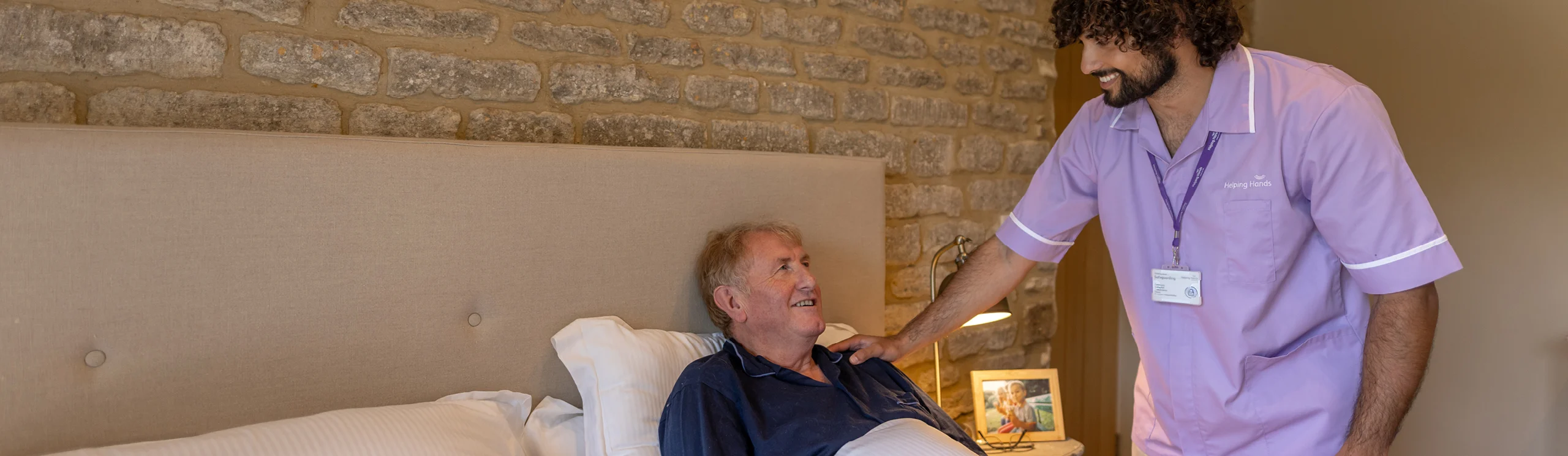
The Stroke Assosiciation states that a stroke can cause problems with pysical activities like walking and using your hands and arms due to effects like muscle weakness, stiffness, and changes in sensation, and it’s important to remember that every stroke can affect people differently. Many people need rehabilitation such as physiotherapy, occupational therapy and speech therapy to help rebuild strength, coordination and communication skills. Progress can be slow, and improvements may continue for months or even years with the right ongoing support. Emotional and cognitive changes are also common, including fatigue, memory problems, low mood or frustration, which can be just as challenging as physical symptoms. These may require structured routines, reassurance and support from both your Helping Hands carer and family members.
When to consider professional care at home
Physical recovery, mobility and rehabilitation
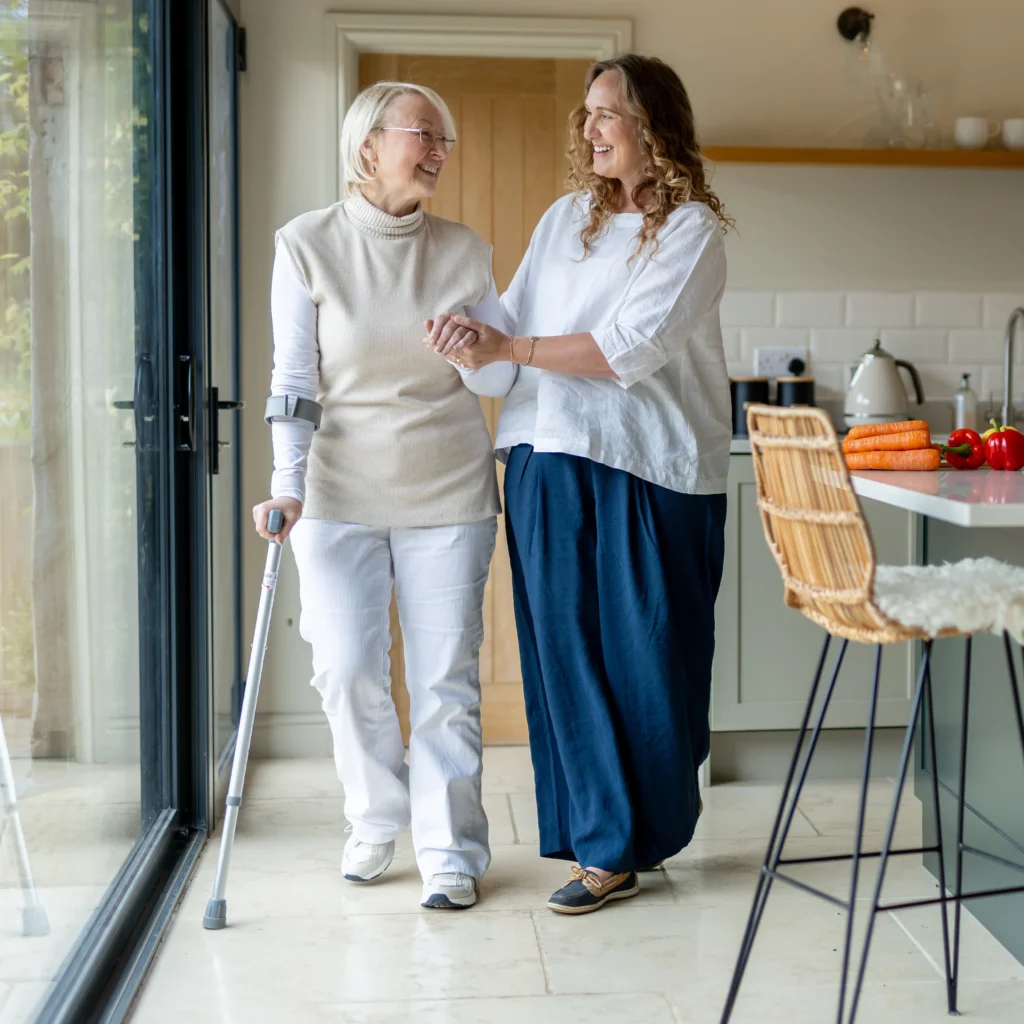
After a stroke, many people need support with walking, balance, strength and everyday movement. Professional home care can help with safe mobility, personal care and rehabilitation exercises while reducing the risk of falls. Carers can also work alongside physiotherapists and occupational therapists to support recovery goals at home.
Speech, language and communication changes
A stroke can affect speech, understanding, reading and writing, making communication frustrating and isolating. Home care can help families adapt conversations and daily routines to reduce stress and encourage confidence. The NHS highlights the importance of speech and language support during recovery.
Cognitive and emotional changes after a stroke
Stroke recovery is not only physical, as many people experience memory problems, confusion, anxiety, depression or emotional changes. Carers can be a grea addition to your family and provide companionship, whilst also monitoring for signs that additional emotional or physcological support may be needed.
Eating, nutrition and reducing stroke risk
Some people may experience difficulty swallowing, preparing meals or maintaining a healthy diet. Our carers can help with meal preparation, hydration and following dietary advice to support recovery and reduce the risk of further strokes. Speech and language therapists may also recommend safer ways to eat and drink for those with swallowing difficulties.
The first weeks home from the hospital
The first few weeks at home after a stroke can feel challenging as people adjust to new physical, emotional and practical changes following discharge from hospital.
We know that going into the hospital for a stroke can be a shock to the system, and you may be wondering how you can reasjust to your every day life after. For instance, everyday tasks such as moving around the home, washing, dressing and preparing meals may take more time and support, and fatigue can be very common during the early stages of recovery. This is the right time to rely on help, either from your family members or from a carer, as structured routines and consisten care can make all the difference and reduce the risks of any setbacks or readmission to the hospital. Helping Hands post-hospital care can provide personalised support during this period, offering assistance with getting you back on your feet, adjusting to any long-term changes in your health due to the stroke, and ensuring a smooth transition from hospital to the home you love. Our disability care can adapt to and fully understand how a stroke has affected you, so we can create a care plan that fully supports you.
Adapting the home for stroke recovery
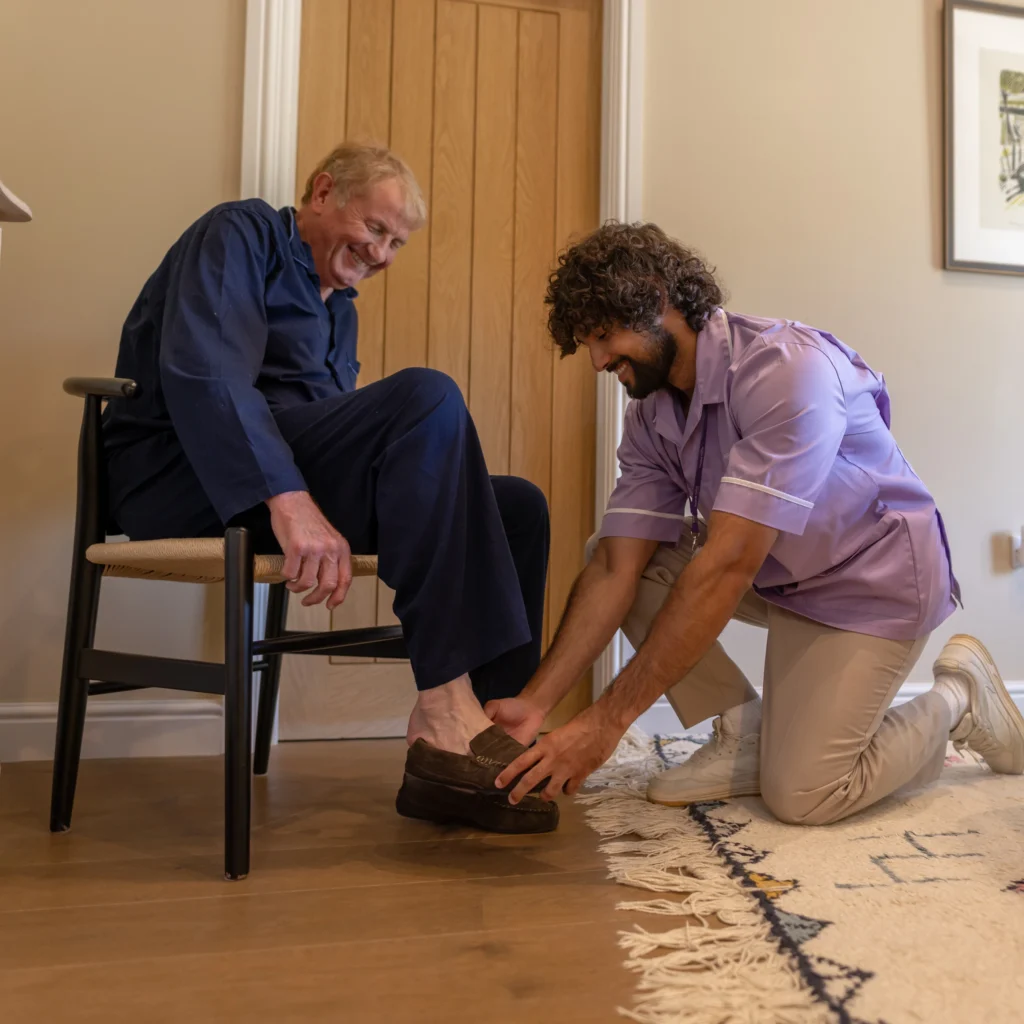
Here are some helpful ways you can adapt your home to life with Parkinson's:
Returning to activities, work and driving
Activities
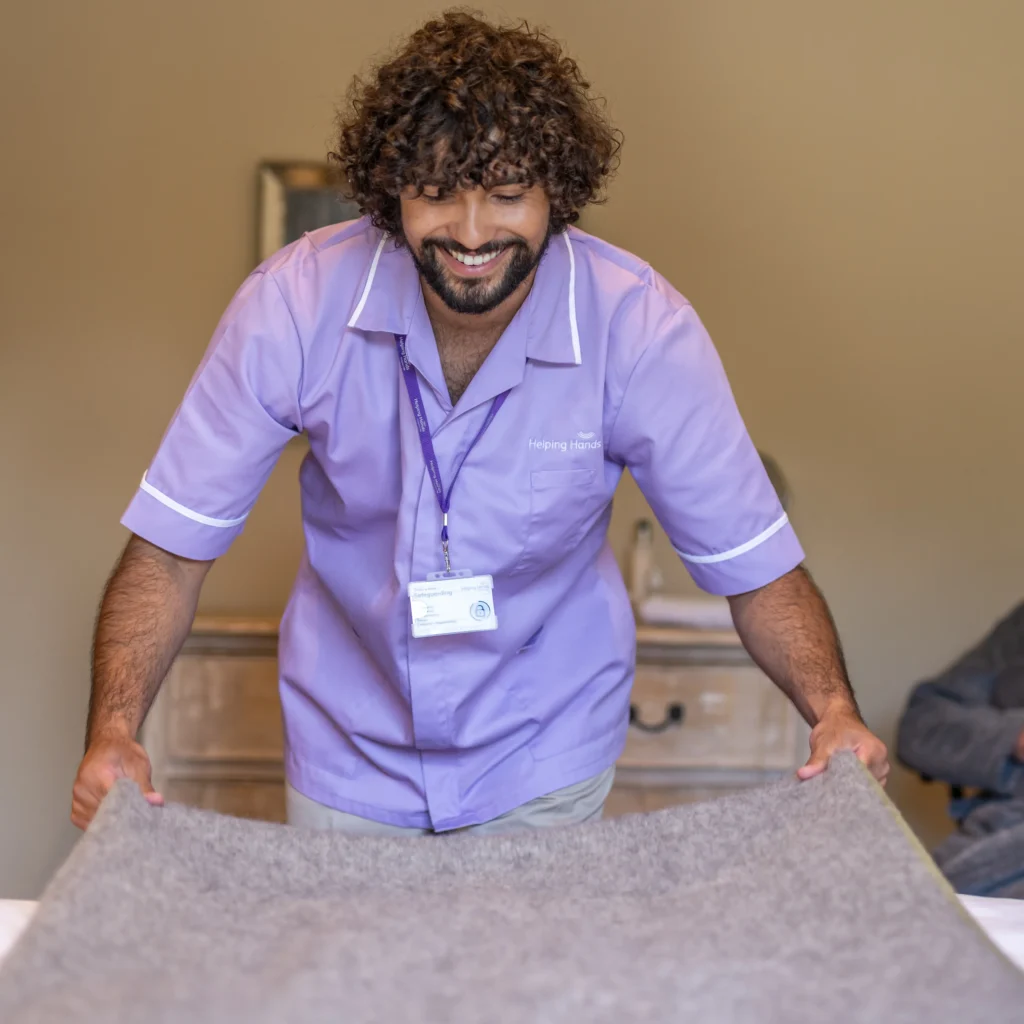
Returning to hobbies, social activities and everyday routines after a stroke can take time. Many people experience changes in energy levels, mobility or confidence, so it is important to rebuild activities gradually and safely. Professional home care can provide support with getting out and about, attending appointments or regaining confidence in daily routines, helping people stay active and connected during recovery.
Work
Some stroke survivors return to work within weeks or months, while others may need longer-term adjustments or support. Fatigue, concentration difficulties and physical limitations can all affect a person’s ability to work safely and comfortably. Home care and rehabilitation support can help individuals build stamina, manage routines and regain independence as they prepare for returning to employment.
Driving
Driving after a stroke may not be possible straight away, and people are legally required to tell the DVLA if their stroke affects their ability to drive safely. In many cases, driving must stop for at least one month, depending on medical advice and recovery progress. Professional carers can support customers with transport to appointments, shopping and social activities while they regain confidence and independence.
Managing fatigue and energy levels

Looking after yourself as a family carer
Helping Hands are here for you if caring for a family member after a stroke is beginning to feel overwhelming.
We understand how important it is to help a family member or partner recover after a stroke and maintain as much independence as possible. Recovery can bring new physical, emotional and communication challenges, and providing ongoing support can sometimes feel exhausting. It’s crucial that you look after yourself just as much, whether that’s taking the time to rest, recover from illness yourself, take a short break or simply recharge. Our respite care services can step in and provide flexible short-term support at home whenever you need it. Our compassionate and experienced carers can help with personal care, mobility support, meal preparation, medication reminders and day-to-day routines, while adapting care to your family member’s unique recovery needs and personality. Taking time for yourself is an important part of being able to continue supporting someone after a stroke, and Helping Hands have got your back the entire way.

Further support and resources
At Helping Hands, we take pride in our ability to adapt to your needs. We can offer expert home care on a live-in, visiting or respite basis.
Visiting care
Live-in care
A fully regulated home care provider
Here at Helping Hands, our service is regulated by the Care Quality Commission (CQC) and the Care Inspectorate Wales (CIW).
This means we need to consistently meet high standards and are monitored by our regulators.