Living with Parkinson’s: a practical guide for families and loved ones

What life with Parkinson's really looks like
Living with Parkinson’s can be a daily balancing act.
Simple tasks like getting dressed, making a cup of tea, writing a shopping list or walking to the local shop can suddenly take much more time and energy if you’re living with Parkinson’s. Many people experience tremors, stiffness, pain, fatigue, anxiety and changes in speech or movement, but no two journeys are exactly the same. Some days may feel manageable, while others can feel overwhelming and isolating. Beyond the physical symptoms, Parkinson’s can affect confidence, relationships, work and mental wellbeing, leaving people struggling with the feeling of the loss of independence. Yet we’ve seen at Helping Hands that many people also show remarkable resilience, adapting routines, finding support networks and learning new ways to stay connected to the life they love. Compassion, patience and understanding from family, friends and the wider community can make an enormous difference. Here are some useful resources for you, such as Parkinson’s UK, the NHS Parkinson’s symptoms guide, and the Brain & Spine Foundation.
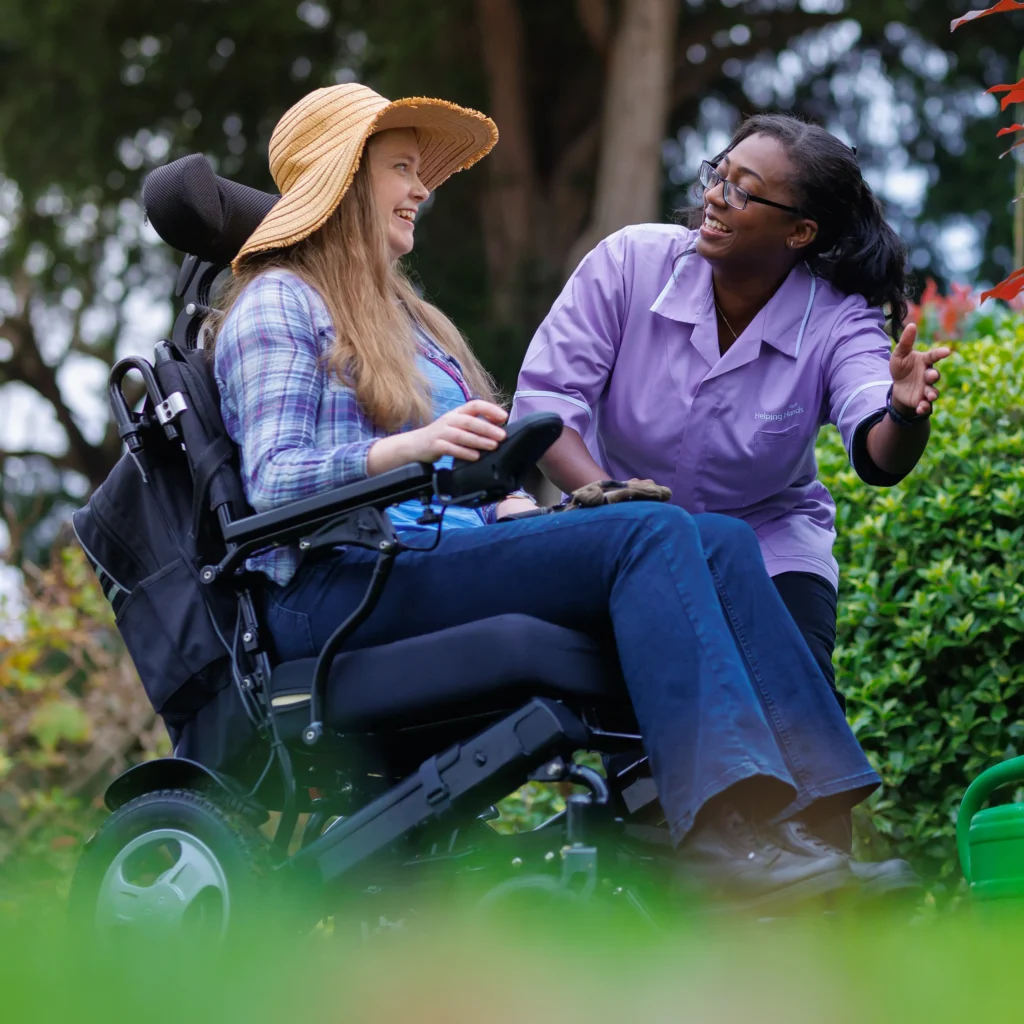
The early days after a Parkinson's diagnosis
Alongside the physical symptoms often comes many emotions, including anxiety about the future.
Parkinson’s UK describes getting a diagnosis of Parkinson’s can affect everyone differently. Some people feel shocked or confused. Others feel angry or anxious. Some people feel relieved to have an explanation for their symptoms. Many people begin noticing changes in their body long before they fully understand what is happening, such as a tremor in the hand, stiffness in the muscles, slower movement, poor sleep, exhaustion or difficulty with balance and coordination. Everyday routines may suddenly feel unfamiliar, and even small tasks can become tiring or stressful. During this time, having compassionate support around you can make a huge difference. Whether it is practical help at home, emotional reassurance or simply someone who understands the challenges ahead, organisations like Helping Hands can provide trusted carers who offer comfort and support with our disability care that helps our customers to maintain independence in the home they love.

Staying active and engaged
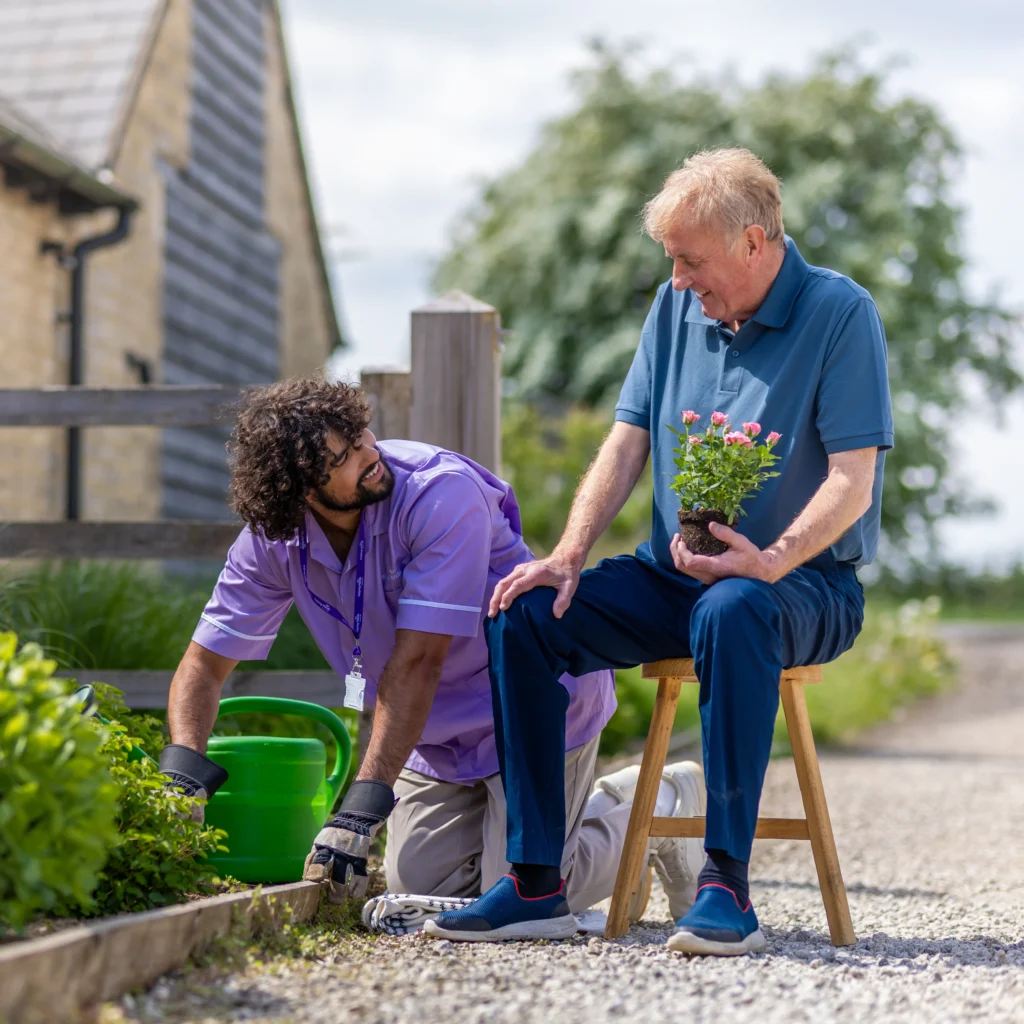
Try these fun ideas for ways to stay engaged in day-to-day life:
Looking after your own wellbeing
Movement, mobility and freezing episodes
Parkinson’s can affect balance, coordination, and movement, making everyday tasks more challenging. Some people may also experience “freezing,” where they suddenly feel unable to move, particularly when walking through doorways or changing direction. Gentle exercise, physiotherapy, and keeping walkways clear can help improve this. Taking movements slowly and using visual or verbal cues may also reduce freezing episodes.
Eating, sleep and managing fatigue
Fatigue and sleep disturbances are common in people living with Parkinson’s and can affect energy levels throughout the day. Eating a balanced diet, staying hydrated, and planning regular rest periods can help manage tiredness. Some people may also experience swallowing difficulties or changes in appetite, so smaller meals and support from healthcare professionals can be beneficial. Establishing a calm bedtime routine may help improve sleep quality.
Mental health, mood and cognitive changes
Living with Parkinson’s can have an emotional impact on both the individual and their family members. Anxiety, depression, apathy, or changes in memory and concentration can sometimes develop alongside physical symptoms. Open communication, social connection, and meaningful daily activities can support emotional wellbeing. Families should also seek professional support if mood or cognitive changes begin affecting daily life or relationships.
Medication and why timing matters
Medication plays a key role in managing Parkinson’s symptoms, and timing is often extremely important. Taking medication at the correct times helps maintain movement, reduce stiffness, and improve overall quality of life. Missing doses or taking them late can sometimes lead to worsening symptoms or increased discomfort. Using alarms, pill organisers, or written schedules can help families and carers stay on track with medication routines.
Looking after yourself as a family carer
Helping Hands are here for you if you beginning to feel overwhelmed with your caregiving responsibilites and need someone to step in and take the reins for a while.
We know you care deeply about your family member or partner with Parkinson’s, and you do all you can to help and provide care so they can continue living as indepedently as possible. It’s just as important to look after yourself, too, so we understand if you have the urge to go on holiday to get off your feet, or maybe you have become unwell and need a few weeks to recuperate. Whatever the reason, our respite care can step in and provide short-term support for whenever you need it, right at your doorstep. Our friendly and skilled carers will take over from you and seamlessly provide support that adapts to their unqiue needs and personality. Make sure that when you are providing care, you always take care of your own needs first and get further support should you need it, such as any financial support the government can offer.

How Parkinson’s progresses
Early Stage Parkinson’s
Parkinson’s often begins with mild symptoms that may come and go, such as slight tremors, stiffness, fatigue or changes in movement and sleep. During these early stages, many people can still live independently, although everyday tasks may start to take more effort and concentration.
Mid Stage Parkinson’s
As the condition progresses, symptoms can become more noticeable and begin affecting daily routines, mobility and communication. People may experience slower movement, balance problems, muscle pain or emotional changes such as anxiety and low mood.
Later Stage Parkinson’s
In the later stages, Parkinson’s can have a greater impact on independence, with walking, eating, personal care and memory becoming more challenging. Compassionate care like Helping Hands, patience and emotional support become especially important.
Making the home Parkinson's-friendly
Make sure you implement the below when living with Parkinson's:
When to consider professional care at home
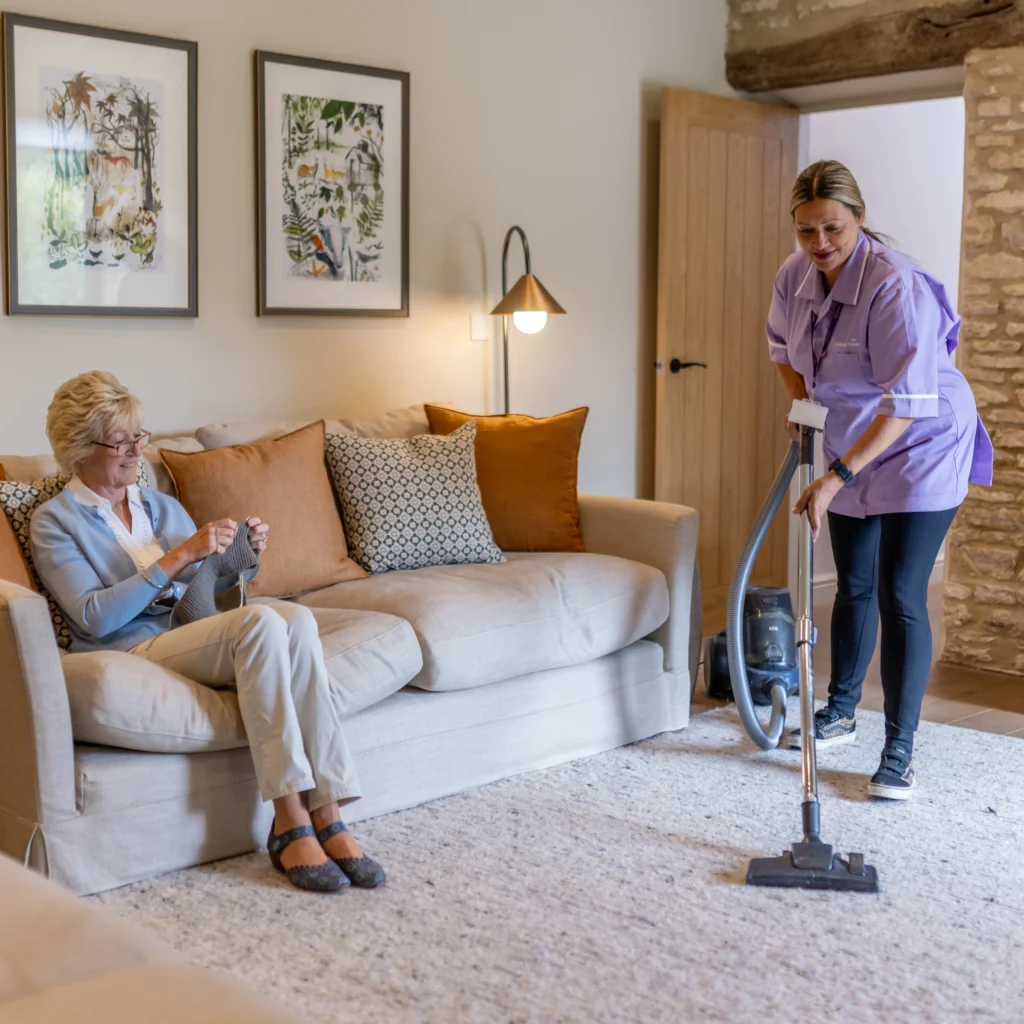
At Helping Hands, we take pride in our ability to adapt to your needs. We can offer expert home care on a live-in, visiting or respite basis.

Visiting care
Live-in care
A fully regulated home care provider
Here at Helping Hands, our service is regulated by the Care Quality Commission (CQC) and the Care Inspectorate Wales (CIW).
This means we need to consistently meet high standards and are monitored by our regulators.