Activities for elderly people in the spring

Tips for staying safe and comfortable in spring
A few things you can do to remain safe while enjoying spring include:
Why spring is a great time for older adults to stay active
The benefits of fresh air and sunshine
Spending time outdoors in spring offers older adults a simple but powerful boost to physical health. Exposure to sunlight helps the body produce vitamin D, which is essential for maintaining strong bones, muscle function and a healthy immune system. Vitamin D is particularly important for older people, who are more at risk of deficiency. Fresh air also improves oxygen flow around the body, supporting lung function and heart health while helping to lower blood pressure and stress levels.
Improving mood and wellbeing after winter
After the darker, colder months, spring brings longer days and more natural light, which can have a noticeable impact on mood and mental wellbeing. Sunlight encourages the production of serotonin, which is a hormone linked to happiness, while also helping to regulate sleep patterns. Spending time outside has been shown to reduce stress, anxiety and feelings of isolation, and even gentle activities like sitting in a garden can lift mood and support overall mental health.
Gentle ways to stay physically active
Spring is an ideal time for older adults to reintroduce movement through low-impact activities that support strength, balance and mobility. Simple options such as walking, gardening, or joining a local walking group can help maintain independence and reduce the risk of falls. Regular, moderate activity is recommended in UK guidance on healthy ageing, as it contributes to both physical and mental wellbeing. Being active outside also makes exercise feel more enjoyable and sustainable.
Outdoor spring activities for elderly people
Gardening and planting flowers
Gardening is a rewarding and accessible way for older adults to stay active while enjoying the outdoors. Light tasks such as planting flowers, watering plants or tending to pots help improve flexibility, strength and coordination without putting too much strain on the body. It also provides a sense of purpose and achievement, which can positively support mental wellbeing. According to the Royal Horticultural Society, gardening can boost mood, reduce stress and encourage gentle physical activity, making it an ideal springtime habit for older adults.
Gentle walks in parks or nature
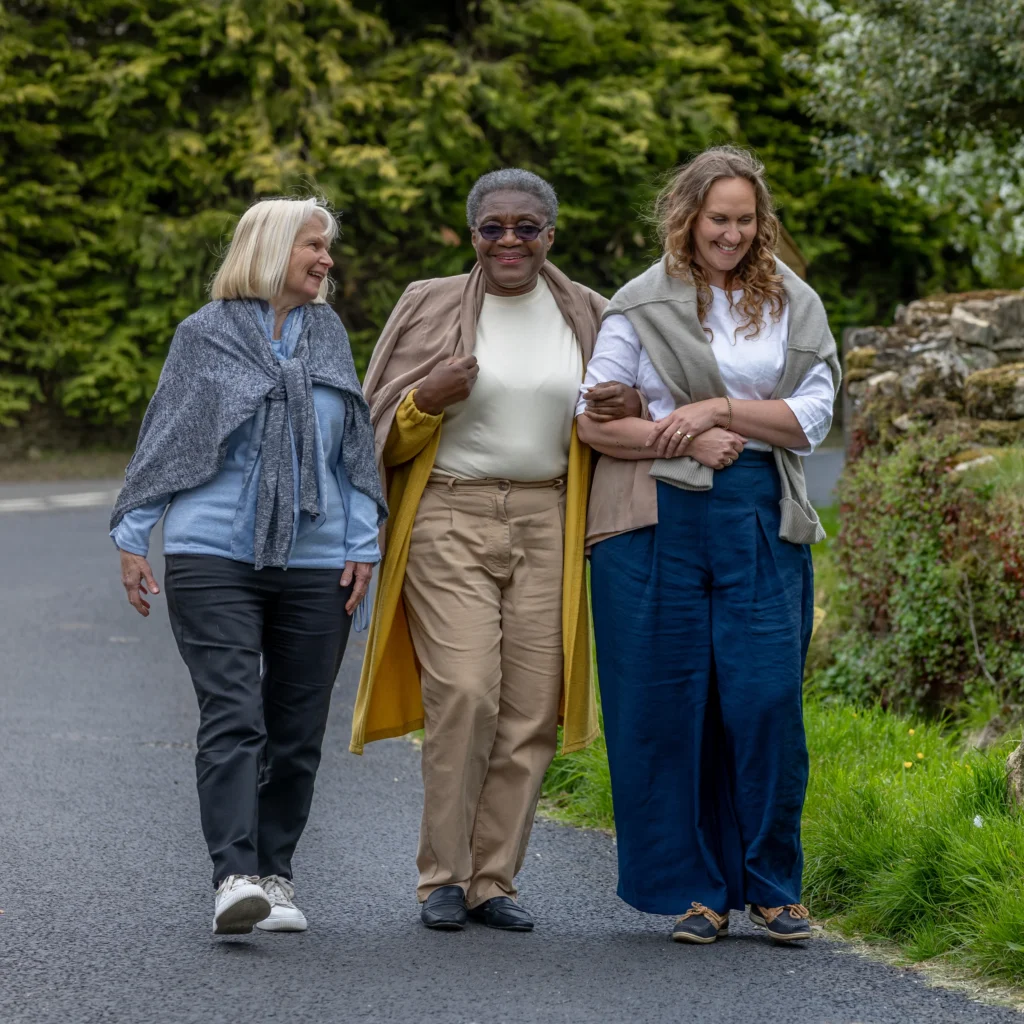
Taking gentle walks in green spaces is one of the simplest ways to stay active during spring. Walking helps maintain cardiovascular health, improve balance and keep joints mobile, while the natural surroundings can have a calming effect on the mind. Many UK organisations highlight the benefits of regular walking for both physical and mental wellbeing. Choosing flat, accessible paths and walking at a comfortable pace ensures the activity remains safe and enjoyable.
Birdwatching and enjoying wildlife
Birdwatching is a relaxing outdoor activity that encourages mindfulness and connection with nature. It requires minimal physical effort but still provides the benefits of fresh air and gentle movement, especially when combined with short walks. Observing wildlife can improve concentration and reduce stress, helping older adults feel more present and engaged. Resources from the RSPB offer guidance on getting started, making it easy for beginners to take part and enjoy the variety of birds that become more active in spring.
Picnics or outdoor social gatherings
Spring is a great opportunity for older adults to reconnect with friends and family through picnics or small outdoor gatherings. Social interaction plays an important role in maintaining emotional wellbeing and reducing feelings of loneliness. Sharing meals outdoors combines fresh air, light activity and meaningful conversation, all of which contribute to a healthier lifestyle. Guidance from the NHS highlights the importance of staying socially connected, particularly in later life, and outdoor settings can make these interactions feel more relaxed and enjoyable.
Indoor spring activities to enjoy at home
Spring-themed arts and crafts
Spring is the perfect time to get creative indoors by bringing the colours and energy of the season into your home. Activities such as painting flowers, creating paper butterflies, designing greeting cards, or decorating plant pots can help brighten your space and lift your mood. These crafts can be easily adapted to suit different abilities, making them accessible and enjoyable for everyone. Taking part in arts and crafts also provides a calming, mindful activity that encourages self-expression while celebrating the themes of growth, renewal, and new beginnings that spring represents.
Baking seasonal recipes
Baking seasonal recipes is a comforting and enjoyable way to embrace the flavours of spring without leaving the house. Using fresh, seasonal ingredients like berries, lemons or rhubarb can make baking feel more connected to the time of year, while also encouraging creativity in the kitchen. Simple recipes such as cakes, tarts or muffins can be both relaxing and rewarding, especially when shared with loved ones. Resources like the BBC Good Food offer a variety of inspiration for spring baking recipes, helping you discover new favourites while enjoying a calm and satisfying indoor activity.
Listening to music or reminiscing about spring traditions
Spending time listening to uplifting music or reflecting on favourite spring traditions can be both relaxing and meaningful. Songs that remind you of sunnier days, seasonal celebrations, or special moments with loved ones can instantly boost your mood and create a sense of comfort. Reminiscing about past springtime experiences, such as holidays, family gatherings, or community events, can spark joyful memories and encourage conversation. This simple activity is a lovely way to connect with others, share stories, and enjoy the positive emotions that often come with the arrival of spring.
Social activities to enjoy during spring
Community events and local activities
Spring is a great time to reconnect with your local community by taking part in events, fairs, or volunteer opportunities. Many organisations across the UK offer inclusive activities such as lunch clubs, community cafés, and seasonal events that encourage social interaction and wellbeing. Platforms like the Royal Voluntary Service social activities provide a wide range of community-based activities.
Spending time with friends and family
Spring offers the perfect opportunity to strengthen relationships by spending quality time with friends and family. Whether it’s sharing a meal, enjoying a walk, or simply catching up over a cup of tea, these moments can boost mood and create a sense of belonging. Community-based social spaces and organised activities can also support this, offering welcoming environments where people can connect, relax, and enjoy each other’s company.
Joining hobby or activity groups
Joining a hobby or activity group is a wonderful way to stay active, learn new skills, and meet like-minded people. From arts and crafts to fitness, gardening, or volunteering, there are countless groups across the UK that cater to different interests and abilities. Websites like Volunteer opportunities with MS Society or UK volunteering groups can help you find opportunities to get involved, while local directories and community platforms make it easier to explore what’s happening in your area.
Enjoying spring activities at home with support from Helping Hands
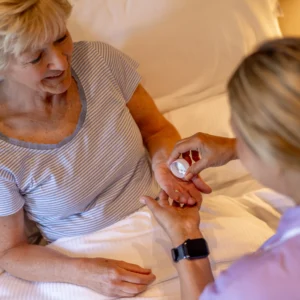
At Helping Hands, we take pride in our ability to adapt to your needs. We can offer expert home care on a live-in, visiting or respite basis.

Visiting care
Live-in care
A fully regulated home care provider
Here at Helping Hands, our service is regulated by the Care Quality Commission (CQC) and the Care Inspectorate Wales (CIW)
This means we need to consistently meet high standards and are monitored by our regulators.