Avoiding seasonal risks in the elderly

Understanding why winter increases risks for older adults
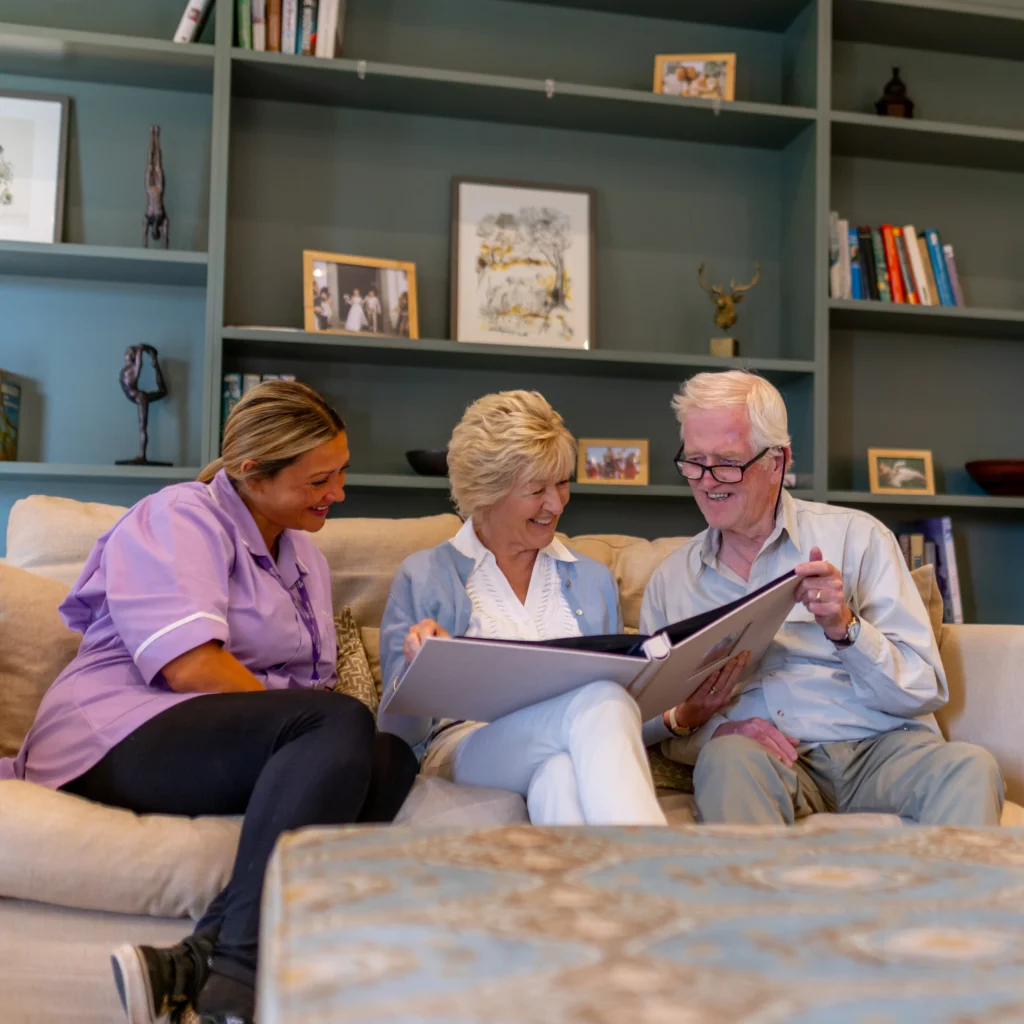
Winter can be a lovely season to spend in the home you love, with festive celebrations and snowy landscapes. However, winter can also be a challenging time for some, especially elderly people. The season brings increased risks for older adults because cold weather and seasonal health challenges can worsen existing conditions and make people more vulnerable to illness and injury. According to the NHS, people aged 65 and over are among those most at risk from the effects of winter weather, including complications from flu and chest infections. Flu vaccinations and COVID‑19 vaccinations are effective at reducing the chance of serious illness and limiting the spread of the virus, so reach out to your local GP for more advice if you feel this could be beneficial to you. Colder temperatures can also worsen cardiovascular and respiratory conditions, reduce mobility, and increase the likelihood of slips and falls on icy surfaces, which is why staying warm and well supported matters so much. While it can be a time with more health risks, understanding these risks can help families and carers take proactive steps to protect the health and wellbeing of elderly family members throughout the colder months. Our carers can support you through winter with our expert live-in care, visiting care and respite care that’s right at your doorstep.
Common seasonal hazards affecting senior safety
Slips, trips and falls on ice and snow
Winter weather can make both outdoor and indoor environments more hazardous for older adults. Icy pavements, snow-covered paths, and wet floors brought in from outside increase the risk of slips and falls. Reduced daylight can also make it harder to spot hazards. Taking extra care when moving around, wearing suitable footwear, and ensuring walkways are well lit and clear can help improve safety during the winter months.
Cold weather risks and winter health concerns
Colder weather can have a serious impact on elderly health, particularly for those with long-term conditions. Low temperatures can increase the risk of hypothermia, worsen joint pain, and contribute to respiratory illnesses such as colds and flu. Keeping the home warm, dressing in layers, and maintaining a regular routine of meals and movement can help protect health and comfort throughout winter.
Reduced mobility and increased isolation
Winter conditions can make it more difficult for older adults to get out and about, leading to reduced activity and social isolation. Shorter days, poor weather, and concerns about falling can limit confidence and independence. Regular contact, gentle activity at home, and emotional support can play an important role in maintaining wellbeing and mental health during the winter season.
Ensuring warmth and proper heating throughout the season
Here are a few ways in which you can keep your home toasty and comfortable this winter:
Protecting seniors from winter illnesses and infection
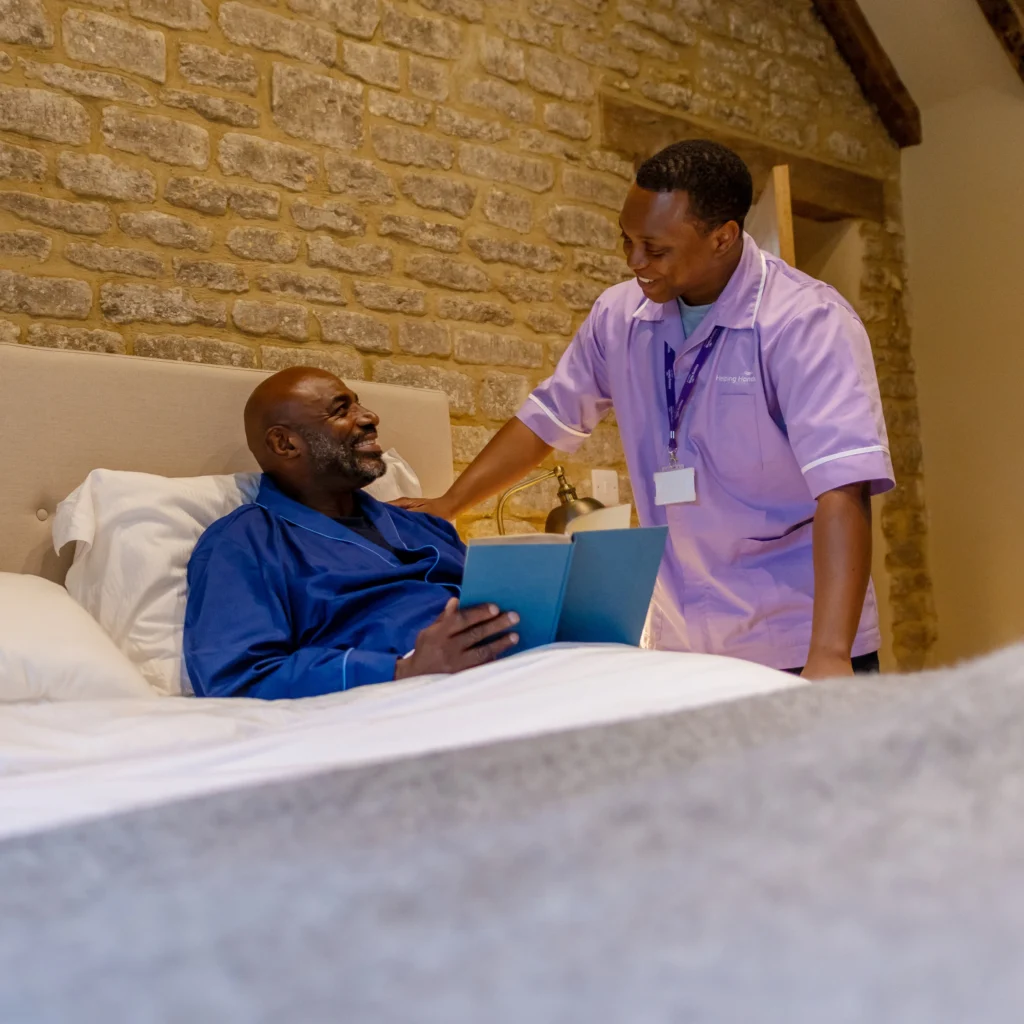
During the winter months, older people are more at risk of illness and infection, as cold weather can weaken the body’s natural defences and increase the spread of seasonal bugs. Keeping the home warm and well-ventilated is important, as is regular handwashing and good personal hygiene. Eating balanced, nourishing meals and drinking enough fluids helps support the immune system, while plenty of rest allows the body time to recover and stay resilient. Simple daily habits, such as wearing appropriate clothing, keeping active indoors, and spotting early signs of illness, can make a real difference. At Helping Hands, carers provide attentive, preventative support, from maintaining clean, comfortable living spaces to monitoring health and encouraging healthy routines. We help our customers to stay protected and well throughout the winter. Find out more about staying healthy in winter.

Preventing falls and injuries in cold weather
Walk safely outdoors
Icy pavements, wet leaves, and slippery surfaces increase the risk of falls in winter. Wear shoes with good grip, take slow steps, and use handrails or a walking aid when needed.
Keep your home clear
Indoor slips are common too. Remove loose rugs, keep floors dry, and make sure hallways and entrances are well-lit to reduce hazards.
Prepare and adapt
Clear snow and ice from steps, use salt or sand for traction, and check that handrails are secure. Carers can help make indoor and outdoor spaces safer for daily movement.
Supporting mental health during the darker months
The darker, colder months can affect mood and energy for many people, especially older adults, because reduced daylight can disrupt mood and motivation. Simple steps such as getting outside for natural light when possible, staying socially connected, keeping active and maintaining daily routines can all help support wellbeing through winter. If feelings of low mood persist, it may be useful to learn more about seasonal affective disorder (SAD) and ways to cope, such as light exposure and gentle activity. At Helping Hands, carers can offer companionship, encourage gentle activity, help maintain routines and check in regularly, which will give you reassurance, conversation and practical support through the darker months.
Practical tips for families and caregivers to minimalise winter risks
How you can reduce winter risks:
Home care support for safer winter living
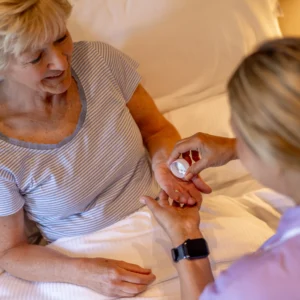
At Helping Hands, we pride ourselves on our ability to be adaptable to your needs. We can offer expert homecare on a live-in, visiting or respite basis.
Visiting care
Live-in care
A fully regulated home care provider
Here at Helping Hands, our service is regulated by the Care Quality Commission (CQC) and the Care Inspectorate Wales (CIW)
This means we need to consistently meet high standards and are monitored by our regulators.