How to furnish your home for home care
Why preparing your home matters
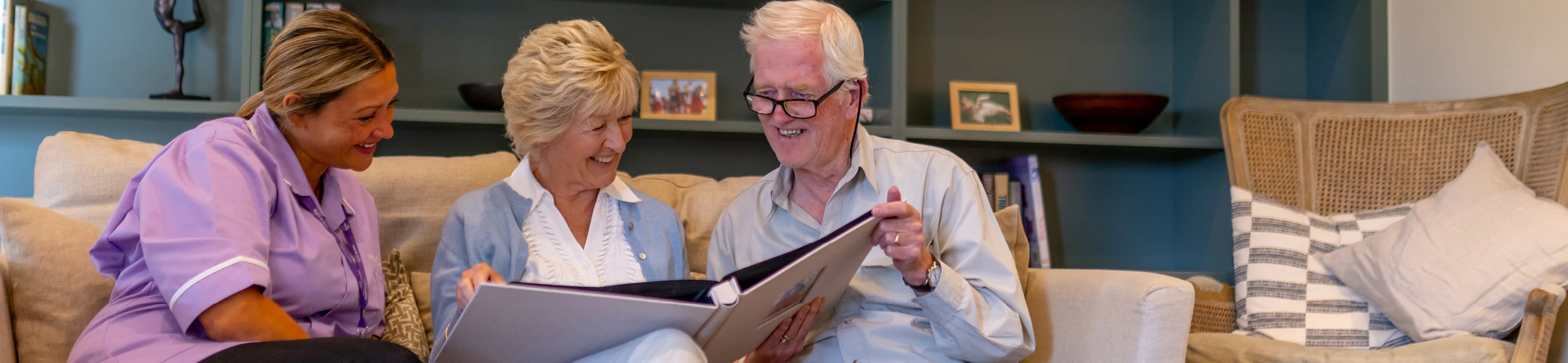
Preparing your home for care is an important step in ensuring both safety and independence as your needs change.
A well-prepared environment can make everyday tasks easier, reduce the risk of accidents such as trips or falls, and allow care to be delivered more effectively. Simple adjustments, like improving lighting, rearranging furniture, or introducing supportive equipment, can qll go a long way to make the house you love safe for you. In the UK, organisations such as the NHS highlight that home adaptations are great for safety and enabling you to contine your daily life with ease, all leading to greater independence. We know you want to remain in your home for as long as possible, so taking the time to prepare your home not only benefits you, but also helps carers provide the right level of support to help you.
Choosing the right furniture
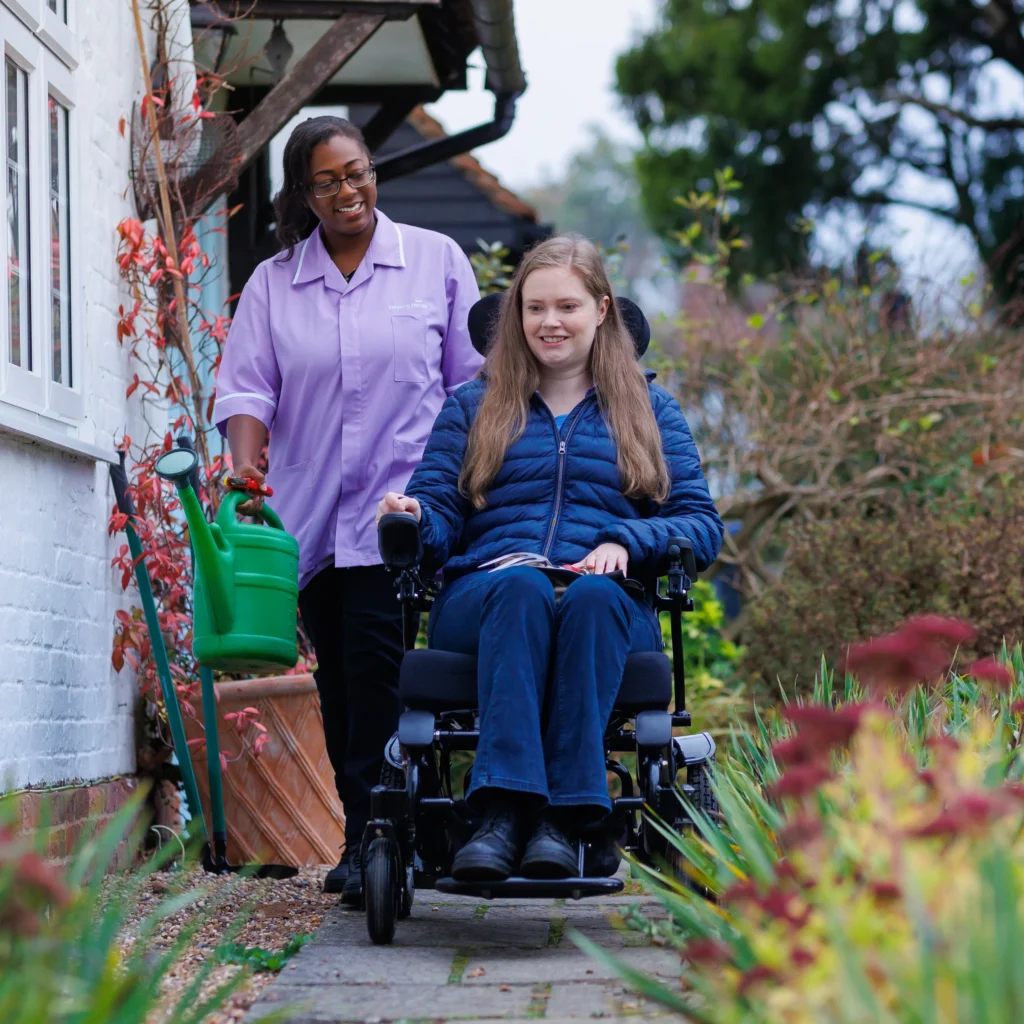
Choosing the right furniture for a home care environment is essential to promote comfort, safety, and independence.
Prioritising ergonomic design, such as adjustable chairs and supportive seating, can help reduce strain, improve posture, and make daily activities easier for both carers and you! There are a few resources available for these types of furniture, such as specialist seating from UK providers like UK Healthcare Chairs or bespoke solutions from Care Home Furniture Direct. When choosing the right furniture for your beloved home, you should consider practical factors such as correct height, stability, and rounded edges to reduce the risk of falls or injury, and making sure you believe the furniture is comfortable or a beautiful addition to the space. By selecting furniture that balances functionality with comfort, you can be sure that your needs will be easily met, but that you can sit back and relax in your new favourite armchair!

Keeping the home safe and comfortable
Here are a few ways in which we can help make your home safe:
Key areas to adapt
Living spaces
Removing clutter and ensuring clear walkways helps reduce the risk of trips and falls, particularly for those using walking aids or wheelchairs. Furniture should be positioned to allow easy movement around the room, with supportive seating that is firm, stable, and easy to get in and out of. Good lighting is also essential, especially in corners and near doorways, and soft furnishings can still be used to maintain a homely feel but should not obstruct access or movement.
Bedroom
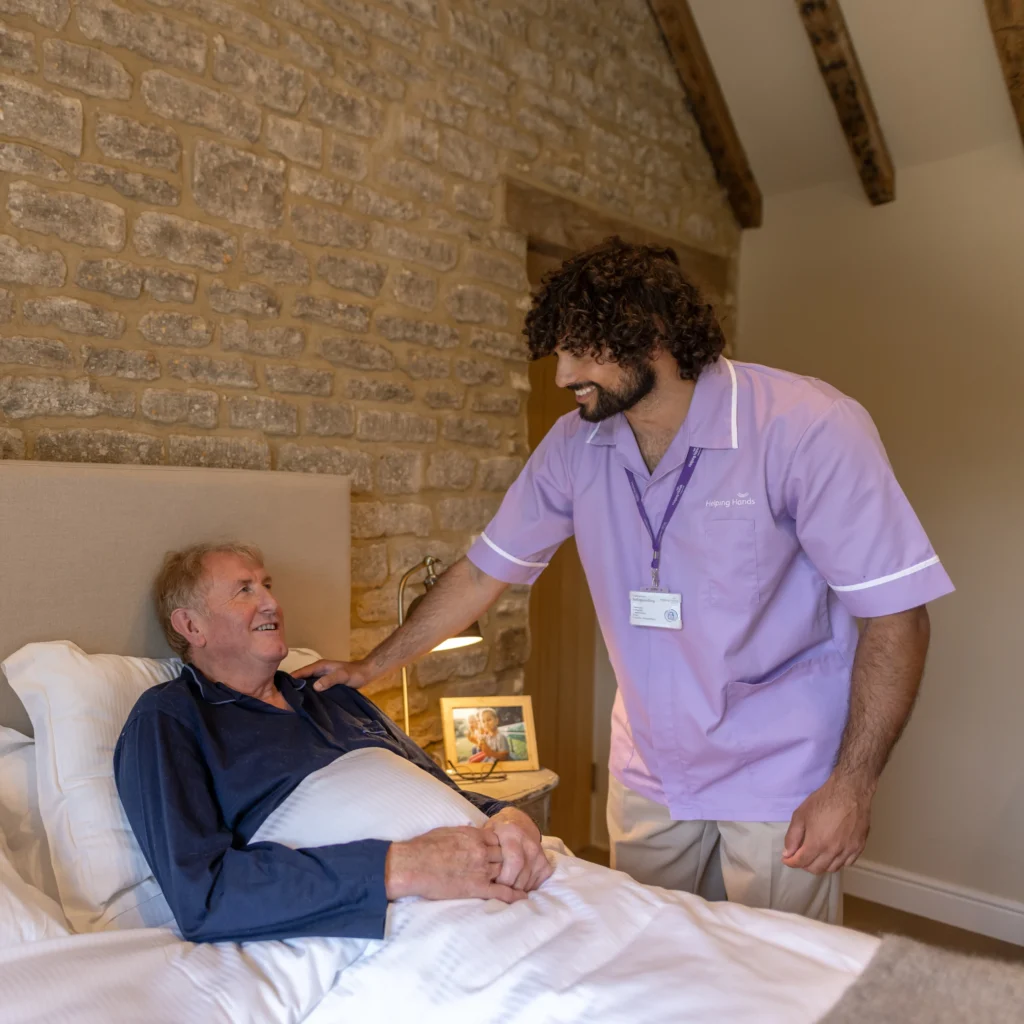
The bedroom should be designed as a calm and restful space. Adjustable beds can make a significant difference by allowing users to find comfortable positions for sleeping, resting, or getting in and out of bed more easily. Bedside tables should be kept within close reach and used to store essential items such as water or medication. Adequate space around the bed is important for your carer or mobility equipment, while night lighting, such as motion-sensor lamps, can help prevent accidents during the night.
Bathroom
Bathrooms often require the most careful adaptations. Installing grab rails near the toilet, bath, and shower can provide vital support when moving around. Non-slip flooring or mats are essential to reduce the risk of slipping on wet surfaces. Walk-in showers or baths with low access points can make bathing safer and more manageable, while shower chairs or raised toilet seats can also help. Keep toiletries within easy reach and maintain a warm, well-lit environment for your comfort.
Kitchen
A home care-friendly kitchen should be organised to make daily tasks more manageable. Frequently used items should be stored at waist height to minimise bending or reaching, while heavy items should be avoided. Work surfaces should be kept clear to provide space for food preparation, and seating nearby can offer rest during longer tasks. Easy-grip utensils and lightweight cookware can help reduce strain on the hands and joints, and you can have safety features such as automatic shut-off kettles.
Adapting as needs change
As needs evolve over time, it’s important to regularly review and adjust the living environment to maintain safety, comfort, and independence. Small, proactive changes can prevent accidents and make daily activities easier, especially when mobility or health conditions shift.

How Helping Hands can support you in the home
At Helping Hands, we pride ourselves on our ability to be adaptable to your needs. We can offer expert home care on a live-in, visiting or respite basis.

Visiting care

Live-in care
A fully regulated home care provider
Here at Helping Hands, our service is regulated by the Care Quality Commission (CQC) and the Care Inspectorate Wales (CIW).
This means we need to consistently meet high standards and are monitored by our regulators.