Recovering from surgery in older adults: a practical guide

What to expect after surgery
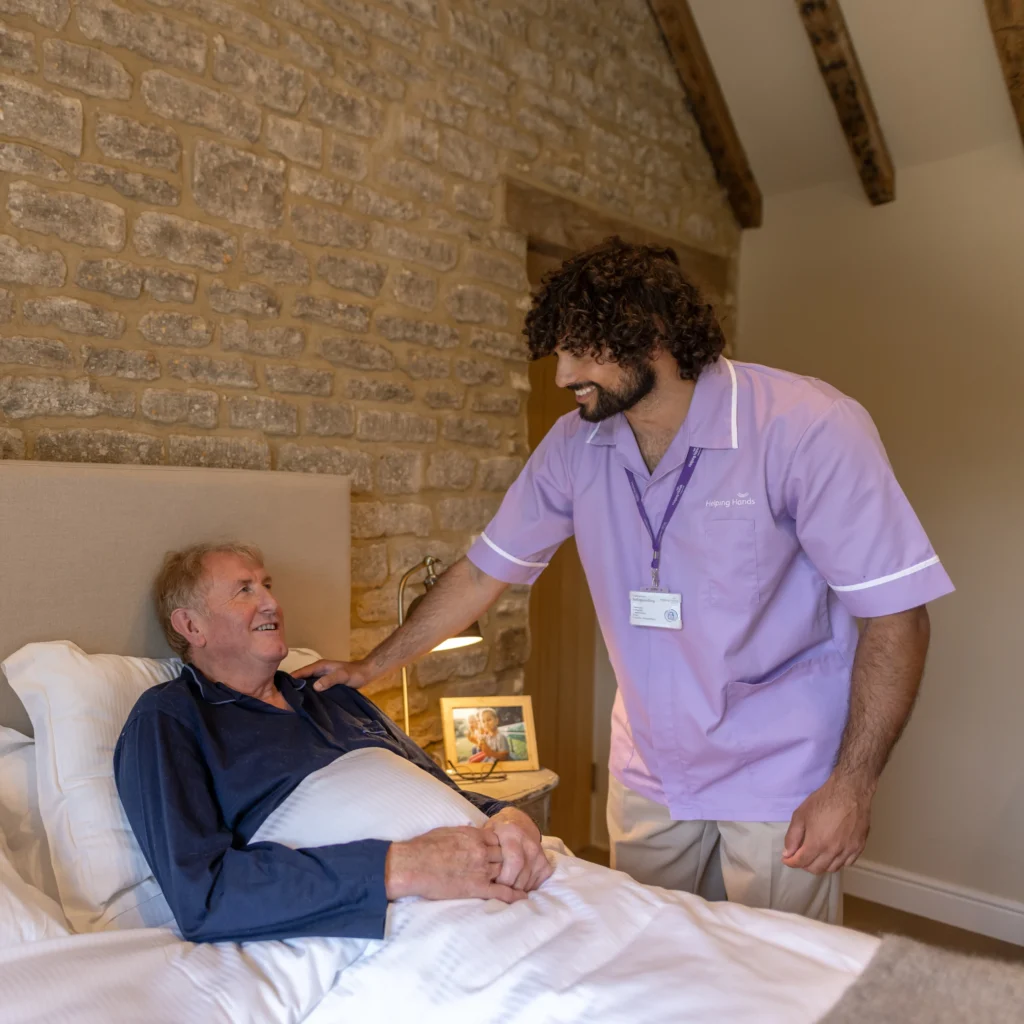
A Helping Hands carer can help you to recover after surgery by manaing the day-to-day tasks of the home, including supporting your needs.
After surgery, it’s normal to experience a range of physical and emotional effects, and recovery can vary depending on the person and the type of procedure. Many people feel tired, sore, or slightly unsteady in the first few days, particularly after a general anaesthetic, and it’s common to experience some pain, nausea, or discomfort as the body begins to heal. As you return home, you’ll be encouraged to rest while gradually increasing movement, as gentle activity can help improve circulation, support healing, and reduce the risk of complications such as blood clots. You may also need support with daily tasks such as general housekeeping or nutrition support from your Helping Hands carer, and it’s important to follow medical advice around wound care, medication, and activity levels to ensure a safe and steady recovery.
Preparing the home for recovery
Preparing your home before returning from hospital can make a significant difference to a safe and comfortable recovery.
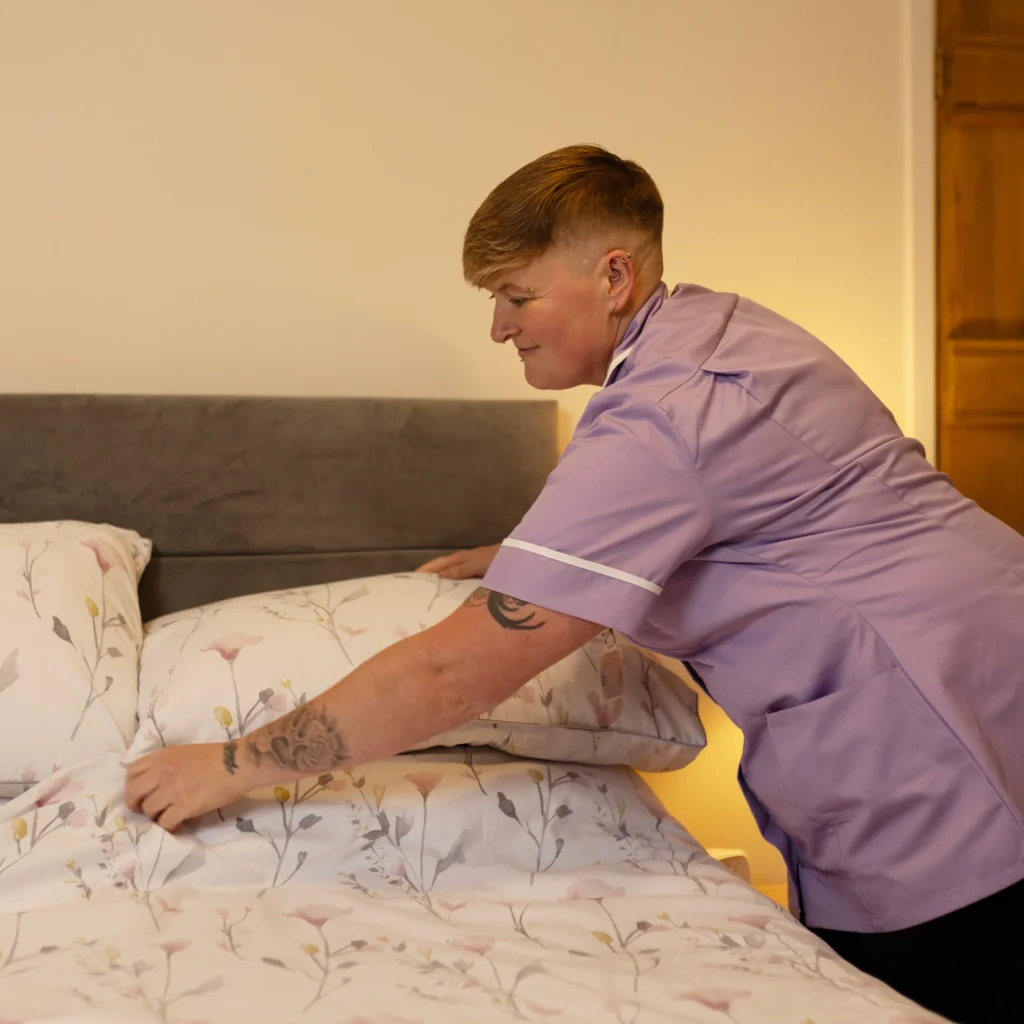
Staying in the home you love after a hospital appointment or surgery to recover is doable with extra support, so you can focus on getting back on your feet. Simple adjustments, such as creating a clear, clutter-free space, keeping essentials within easy reach, and arranging a comfortable area to rest, can help reduce the risk of falls and make day-to-day living easier. It’s also helpful to plan for practical support, including meals and nutrition support, medication routines, and mobility aids if needed. A Helping Hands carer can provide valuable after-hospital care, offering assistance with personal care, household tasks, and companionship while you regain your strength, ensuring you feel supported, safe, and confident as you recover at home.
When extra support may be needed
Some signs can point to a family member maybe needing extra support:
Supporting daily activities
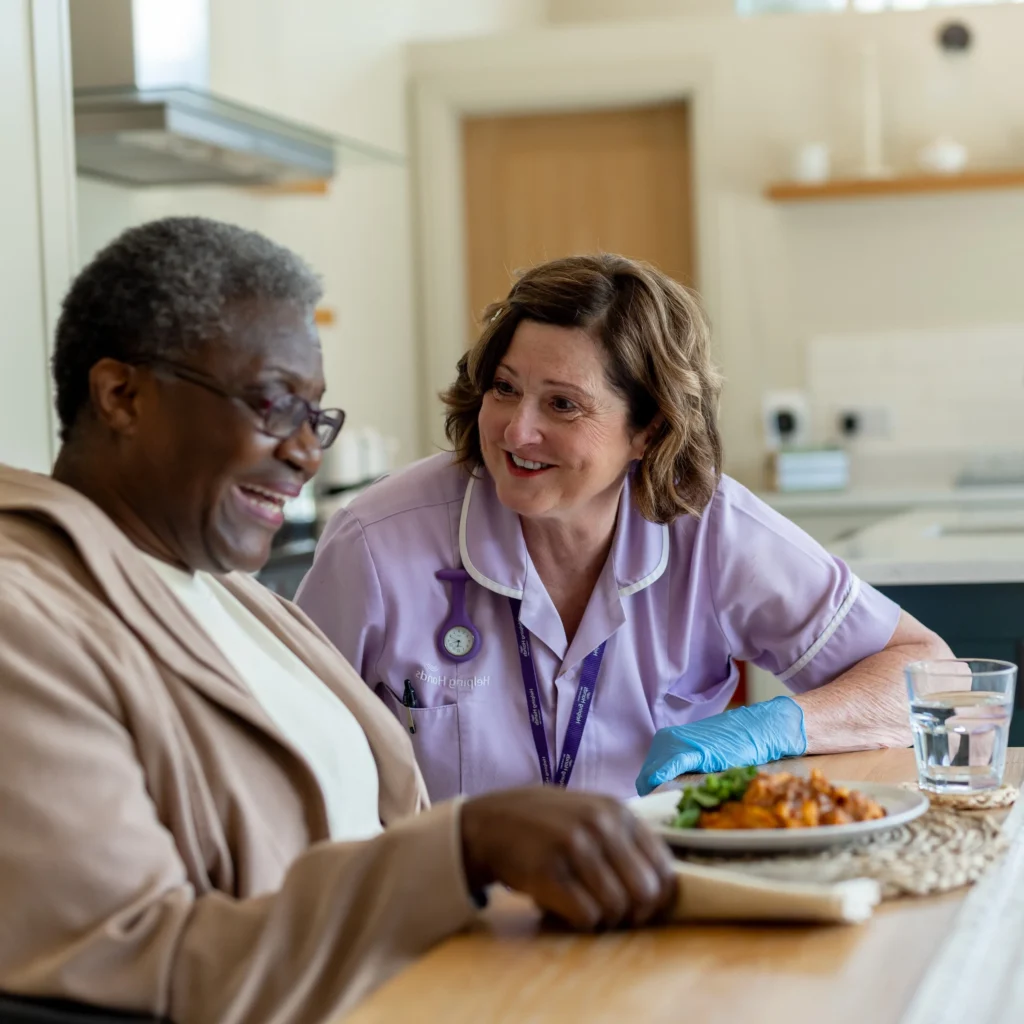
After surgery, many older adults need extra help with everyday tasks while they regain strength. Simple activities like washing, dressing, and preparing meals can feel more demanding, especially alongside fatigue. According to the NHS recovery guidance, it’s important to gradually return to normal routines and stay gently active to support healing. Short-term support, such as intermediate care services, can also help elderly people to rebuild confidence and independence with daily living tasks.
Emotional wellbeing after surgery
Recovery isn’t just physical—many people experience low mood, anxiety, or frustration after an operation. Feeling tired, uncomfortable, or less independent can take an emotional toll, particularly in older adults. Surgery can be both physically and emotionally stressful, and having reassurance, routine, and social support can make a meaningful difference during recovery.
Nutrition and hydration for recovery
Eating well and staying hydrated are essential for healing and preventing complications. A balanced diet helps repair tissues, while fluids support circulation and energy levels. It’s important to maintain good hydration and gradually return to regular eating habits, even if appetite is low at first. Drinking enough fluids and eating small, nutritious meals can significantly improve recovery.
Managing medication and follow-up care
Taking medication correctly and attending follow-up appointments are key parts of a safe recovery. Patients are usually given clear instructions on pain relief, wound care, and ongoing treatment, and it’s important these are followed closely. Make sure to ask questions before discharge and understand who to contact with concerns, as well as keeping up with scheduled reviews to monitor progress and prevent complications.
How Helping Hands can support post-surgery recovery
At Helping Hands, we pride ourselves on our ability to be adaptable to your needs. We can offer expert home care on a live-in, visiting or respite basis.

Visiting care
Live-in care
A fully regulated home care provider
Here at Helping Hands, our service is regulated by the Care Quality Commission (CQC) and the Care Inspectorate Wales (CIW).
This means we need to consistently meet high standards and are monitored by our regulators.