How vision changes with age and what seniors can do about it
Why vision health is essential for senior safety and independence
Vision health plays a vital role in keeping seniors safe, confident, and independent in the home they love, which is something Helping Hands deeply believes in. Clear eyesight helps older adults navigate their homes, avoid falls, manage medications correctly, and stay engaged in the activities they love. Even small vision changes can increase the risk of accidents or lead to isolation and loss of independence if left unaddressed, potentially leading to loneliness in elderly people. By prioritising regular eye exams, proper lighting, and supportive daily care, seniors can maintain their quality of life and continue making their own choices with confidence. At Helping Hands, we understand that protecting vision isn’t just about eyesight, it’s about preserving your dignity, safety, and the freedom to live well every day. We’re here to support your vision journey with around-the-clock live-in care, visiting care for scheduled visits, or temporary respite care.
What seniors can do to protect and maintain eye health
Regular eye examinations
Routine eye tests are essential for detecting vision changes early and managing any eye conditions. Seniors should attend regular check-ups, even if they feel their vision hasn’t changed, as many conditions develop gradually and benefit from early treatment.
Healthy lifestyle choices
Maintaining a balanced diet rich in leafy greens, fish, and vitamins supports overall eye health. Staying active, managing long-term conditions such as diabetes or high blood pressure, and avoiding smoking can all help protect vision as we age.
Daily eye care and safety
Protecting the eyes from strain and injury is important at any age. Wearing sunglasses in bright light, using adequate lighting for reading and tasks, and taking breaks from screens can reduce eye fatigue and help maintain comfort and visual clarity.
Warning signs a senior’s vision may be declining
Look out for the following signs that could indicate a decline in vision:
Simple home modifications that support ageing vision
Improved lighting and contrast
Good lighting is essential for ageing eyes. Increasing brightness in busy areas such as hallways, kitchens, and bathrooms can reduce shadows and make everyday tasks easier. Using contrasting colours on steps, door frames, and switches helps improve visibility and reduces the risk of trips and falls.
Decluttered and organised living spaces
Keeping floors and surfaces clear makes navigation safer for those with reduced vision. Consistent furniture placement and tidy walkways help prevent accidents and make it easier to move confidently around the home. Simple organisation can help support both safety and independence, especially if mobility challenges are present.
Accessible labels and safety features
Large-print labels, high-contrast markings, and clear indicators on appliances can make daily activities more manageable. Installing grab rails, non-slip mats, and clearly marked edges on stairs or countertops adds an extra layer of safety and reassurance for seniors living with vision changes
When vision changes require additional support
When changes in vision begin to affect daily life, whether it’s difficulty reading, navigating spaces, or noticing new visual symptoms, it’s important to seek both practical and emotional support to maintain your independence and wellbeing. It’s a good idea to organise a prompt check-up with a GP or optician to rule out urgent causes, and explore treatment options too. The NHS is a helpful resource to go to that offers guidance on vision loss, and national organisations such as the Royal National Institute of Blind People (RNIB) can support ongoing vision changes or a new diagnosis of sight loss. On top of this, local and specialist charities like OpenSight also offer low vision assessmentsand even assistive technology training, amongst much more. Your Helping Hands carer can help every step of the way to explore these resources and can accompany you through your vision loss journey, and provide expert nursing care to help with your more complex care needs.
How vision loss impacts daily activities and safety
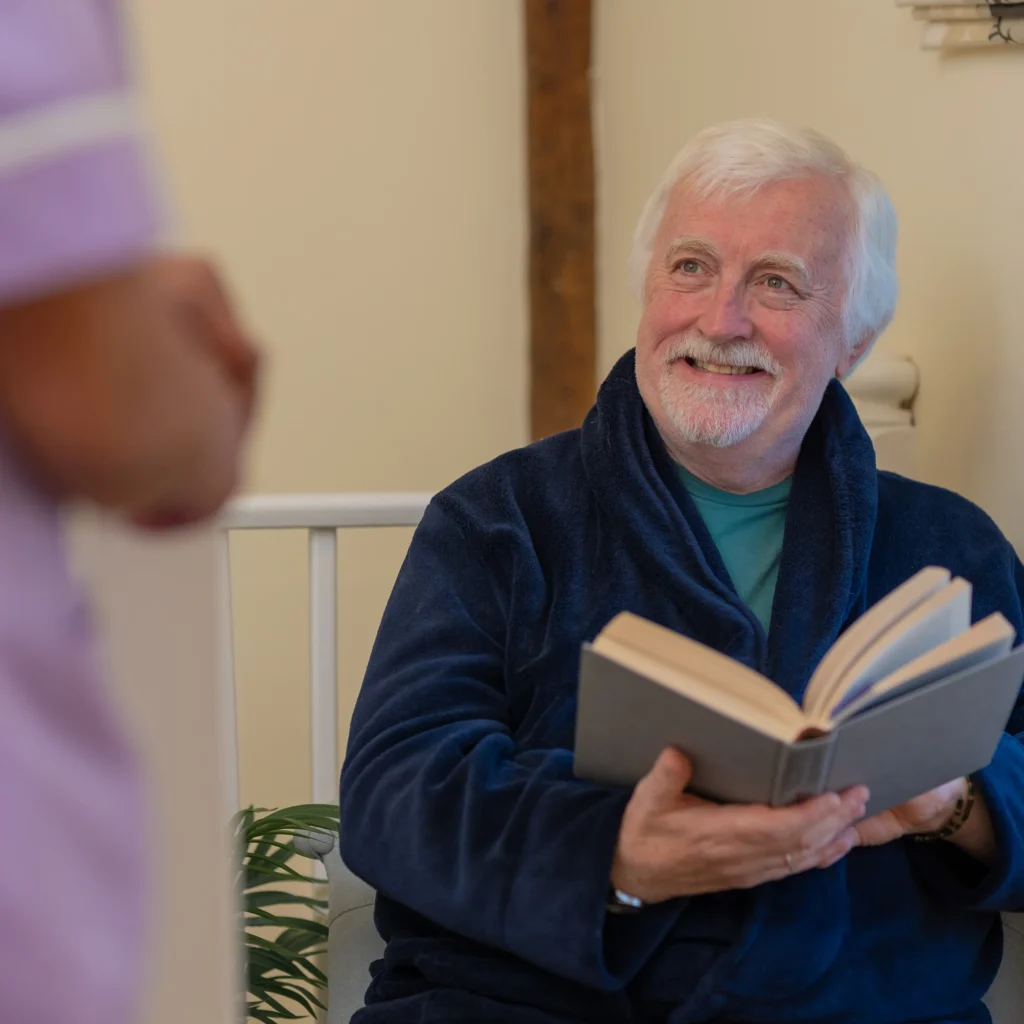
Vision loss can significantly impact an older person’s ability to carry out everyday activities safely and independently. Tasks such as reading medication labels, preparing meals, managing finances, and general housekeeping can become more challenging, increasing the risk of errors, trips, and falls. Reduced vision may also affect balance, depth perception, and confidence, leading some people to limit social activities or avoid leaving the house altogether. Over time, these challenges can impact emotional wellbeing as well as physical safety, making timely support and practical adjustments essential for maintaining quality of life. Also, vision has been linked to the risk of developing dementia, with the Alzhiemer’s Society stating that those with vision loss are 50% more likely to develop dementia if not manged correctly. At Helping Hands, we care deeply about supporting you to live well in the home and community you love, despite any vision challenges and the possibility of dementia. We can devise a care plan that gets to know you and your condition, so we can adapt around your vision needs and help you to overcome any challenges that may arise with it.
Common vision changes that occur with ageing
Reduced near vision (presbyopia)
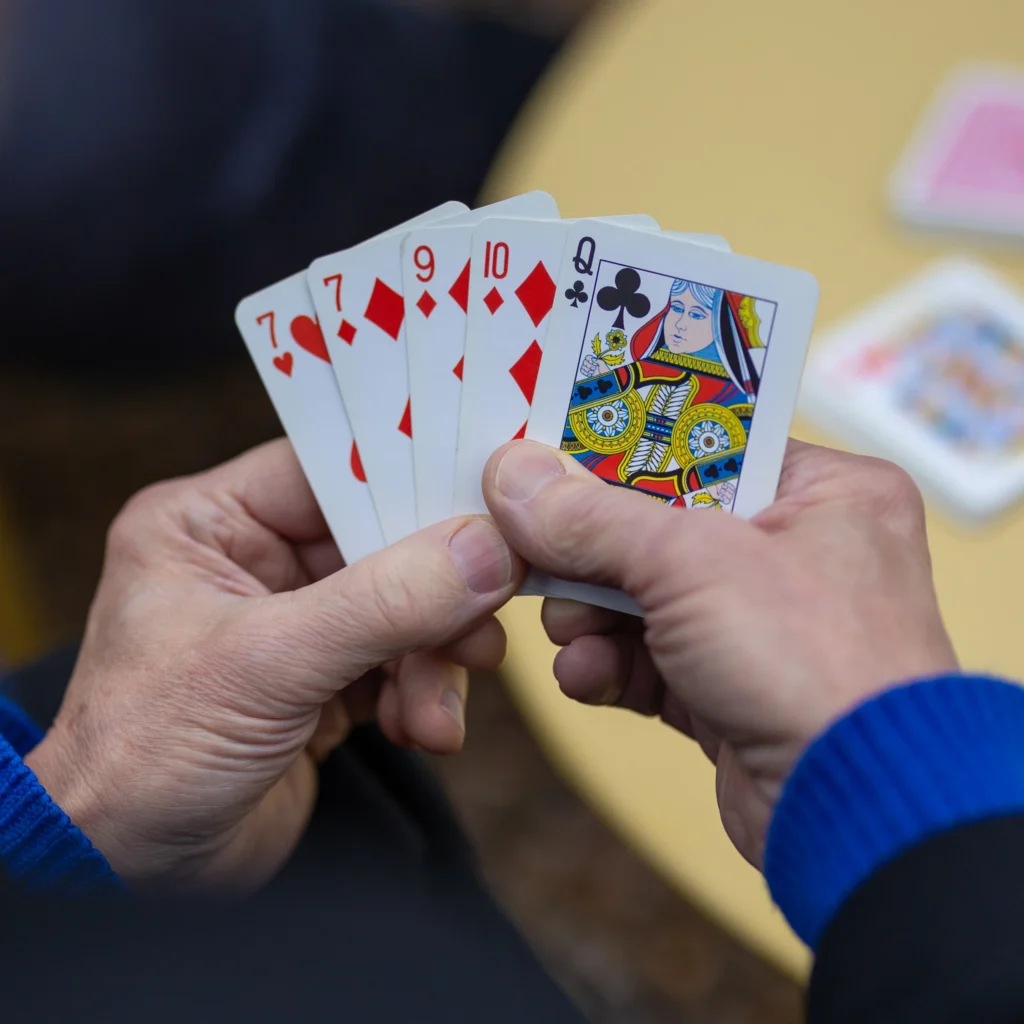
As we age, it’s common to find reading small print more difficult, especially in low light. This happens because the eye’s lens becomes less flexible over time, making it harder to focus on close objects. Many people notice they need to hold books or phones further away or rely more on reading glasses.
Increased sensitivity to light and glare
Ageing eyes often become more sensitive to bright lights, glare, or sudden changes in lighting. Headlights at night, sunlight, or reflective surfaces can feel more uncomfortable and may temporarily reduce clarity of vision. This can make activities like night driving or walking outdoors on sunny days more challenging.
Slower adjustment between light and dark
Due to ageing, the eyes can take longer to adjust when moving between bright and dim environments. For example, entering a dark room from outside may cause brief disorientation. This slower adjustment can increase the risk of trips or falls, particularly in unfamiliar spaces.
Eye conditions that frequently affect older adults
Some of the most common eye conditions that can affect elderly people include:
How in-home care helps seniors manage vision changes
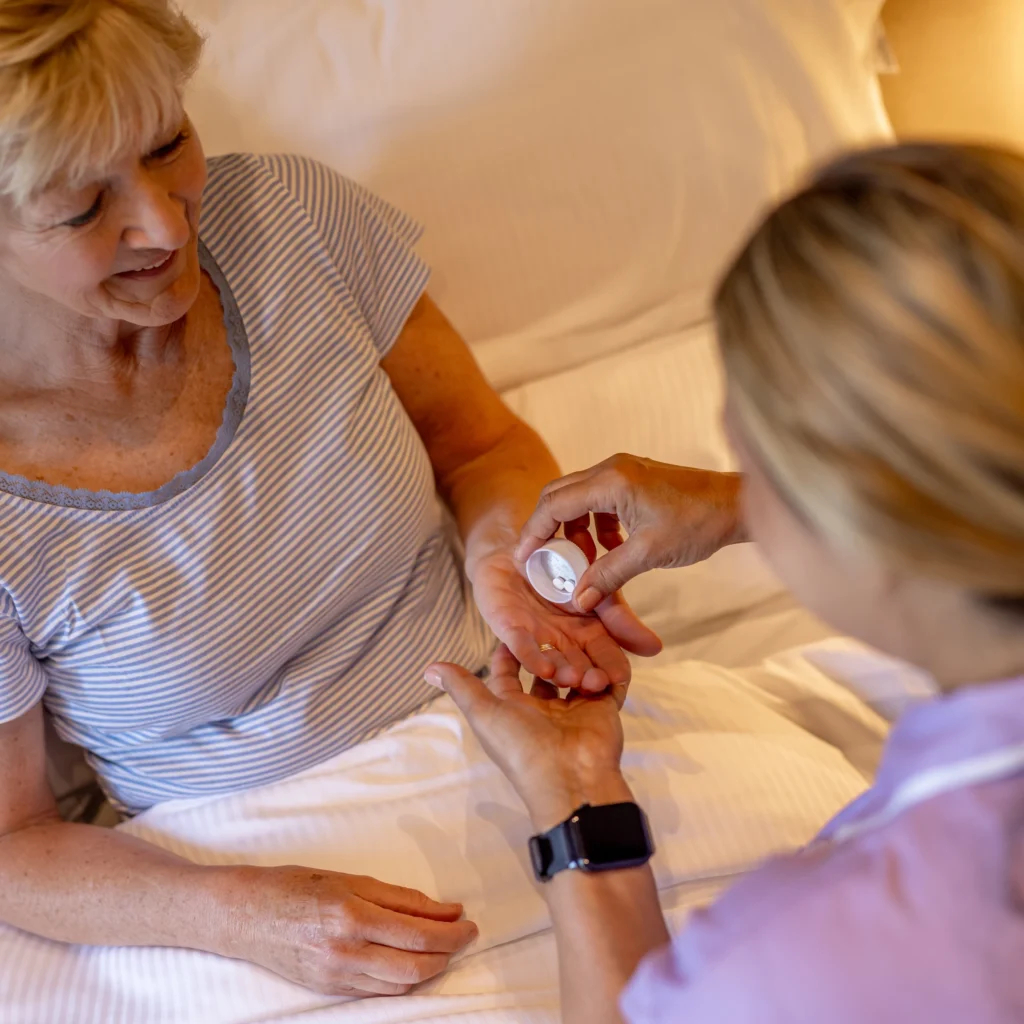
In-home care plays a vital role in helping older people manage vision changes safely and confidently, especially when conditions such as cataracts, glaucoma, macular degeneration, or reduced night vision begin to affect daily life. At Helping Hands, we provide personalised support that adapts to each customer’s unique needs, from assistance with daily tasks like meal preparation, medication reminders, and reading labels, and helping to prevent trips and falls through safe home navigation and good lighting practices. Our carers also offer companionship and reassurance, support attendance at eye appointments, and assist with using visual aids or adaptive equipment. By promoting independence while offering our personalised and compassionate support, our expert care enables older adults to continue living comfortably at home despite changes in their vision.
Expert elderly care with Helping Hands
At Helping Hands, we pride ourselves on our ability to be adaptable to your needs. We can offer expert home care on a live-in, visiting or respite basis.
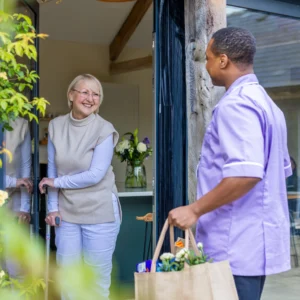
Visiting care
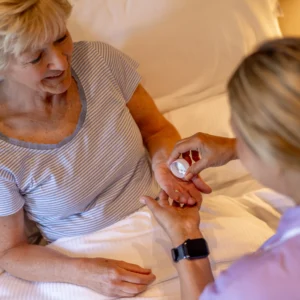
Live-in care
A fully regulated home care provider
Here at Helping Hands, our service is regulated by the Care Quality Commission (CQC) and the Care Inspectorate Wales (CIW)
This means we need to consistently meet high standards and are monitored by our regulators.