The importance of social connections for seniors in 2025
Why are social connections important for seniors
Social connections in seniors enhance emotional well-being and reduce loneliness.
AgeUK states that evidence shows that positive relationships and shared activities contribute to our well-being, decrease loneliness and social isolation, and decrease health risks for older people. The NHS also says that loneliness can lead to depression and a serious decline in physical health. So, elderly people need to build positive connections with other people to avoid isolation. There are many ways to improve your social life in the community you love, and being in the later stages of life is no exception.
How can you help seniors build social connections
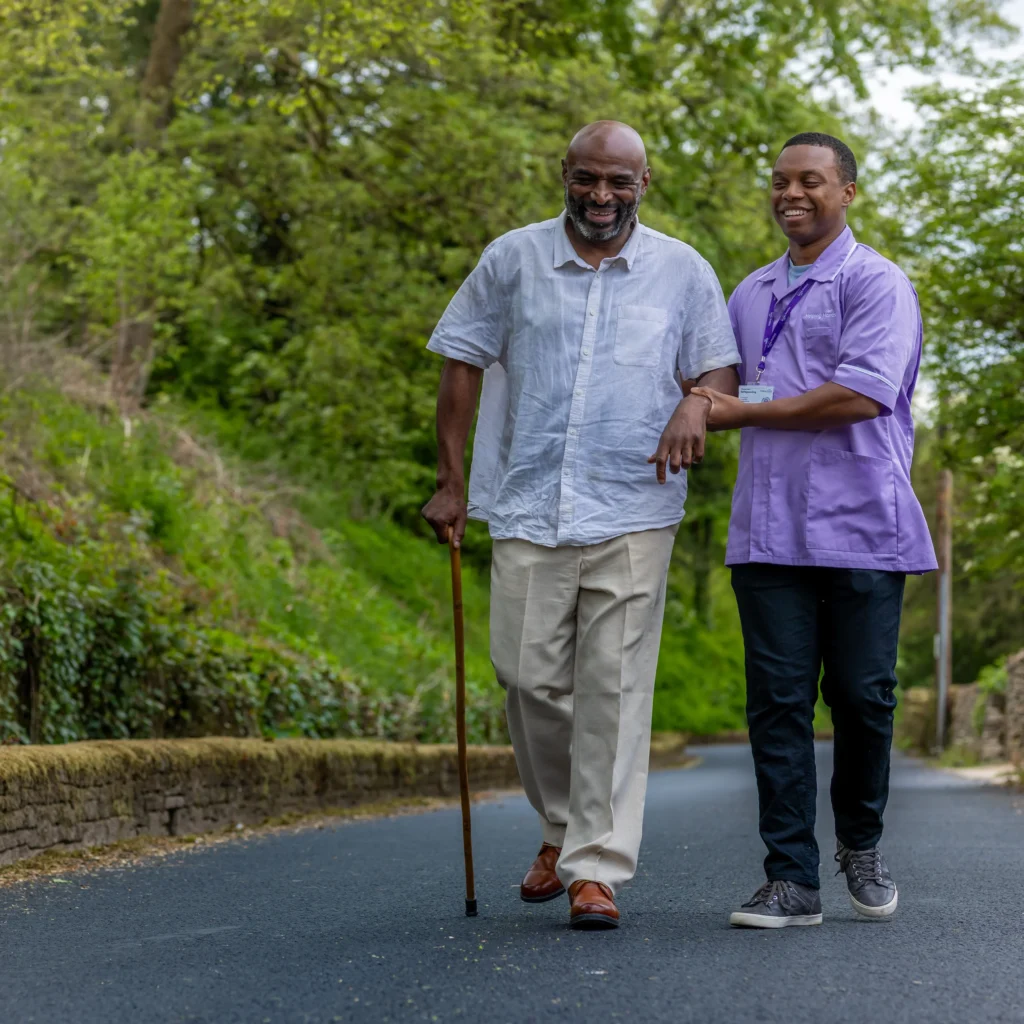
Some ways to help your elderly relative to make social connections include:
Ways to make social connections
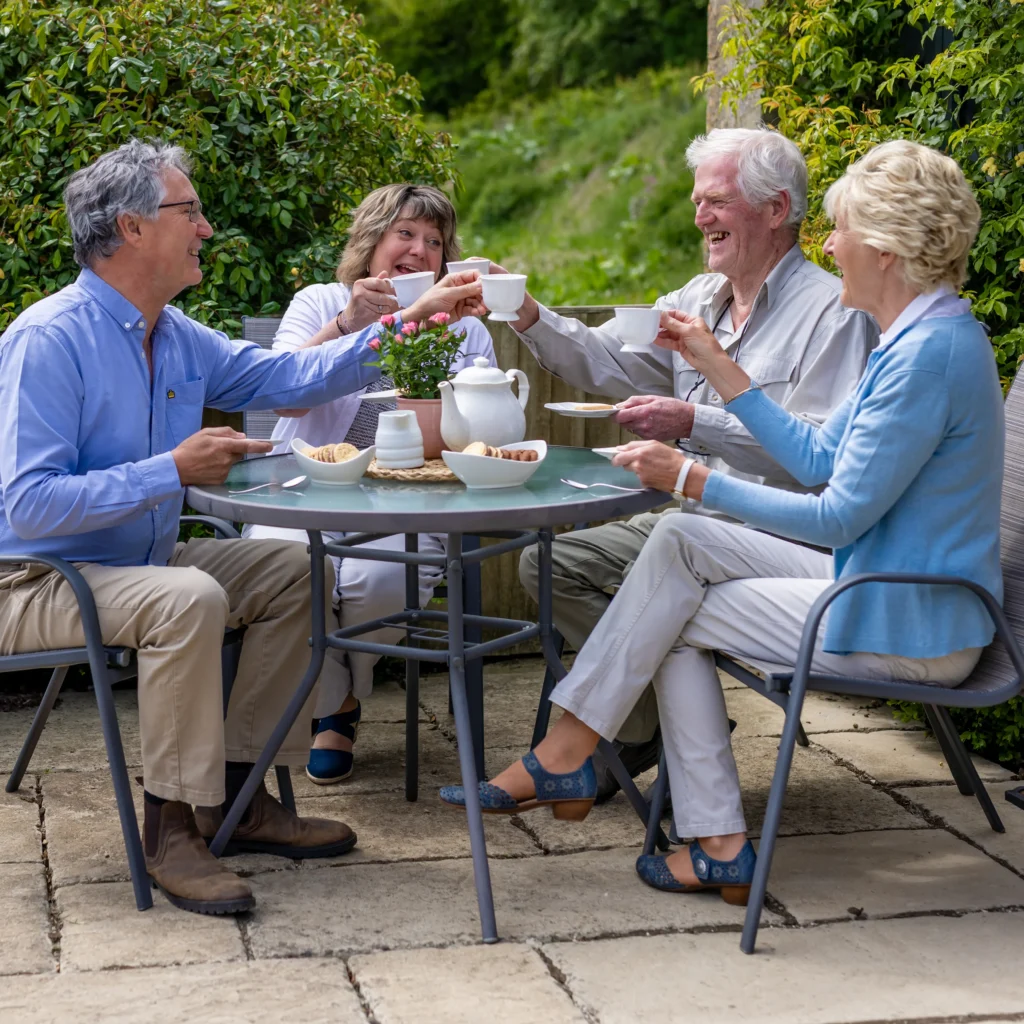
2025 could be the year you step out of your comfort zone and make meaningful connections with others.
Exercise groups
Exercise groups help elderly people to stay active, build strength, and improve balance, reducing the risk of falls. They also offer a fun way to socialise, combat loneliness and stay motivated. Exercising with peers creates a sense of community, making staying healthy enjoyable and rewarding, whilst also building important social connections. Find an exercise class near you here.
Games and crafts groups
Games and crafts groups provide elderly people with a fun way to stay mentally sharp and socially connected. Activities like puzzles, board games, knitting, or painting stimulate the brain, boost creativity, and improve fine motor skills. These group settings also foster a sense of community by sharing laughs and accomplishments with others, making these sessions enjoyable and fulfilling.
Join a community class
Community classes can help older people to stay mentally and physically active while learning new skills or hobbies. Whether it’s yoga, cooking or gardening, these classes keep the mind sharp and the body engaged. They are also a great opportunity to socialise and share interests with others, creating meaningful connections. Find a class perfect for you here.
Find a volunteering position
Volunteering offers elderly people a rewarding way to stay active and engaged. Whether it’s mentoring, helping at a local charity, or assisting in community events, volunteering allows seniors to share their skills and experiences while forming meaningful relationships. It adds structure to their day, keeps them socially connected, and promotes a positive outlook on life.
Companionship care
Helping Hands can offer you excellent, person-centered care that focuses on companionship.
We’re proud of how we match our carers to your personality, interests and lifestyle so you can be looked after by someone you can form strong bonds with. Our carers go to incredible lengths to help and support our customers, and we’re always hearing stories about the differences they make in the lives of those they look after. A carer can be with you while you spend time with family and friends, help you to participate in your hobbies or simply come along with you to your favourite pub. Whatever a carer means to you, we’ve got it covered with our companionship care.
How Helping Hands can support you in finding social connections
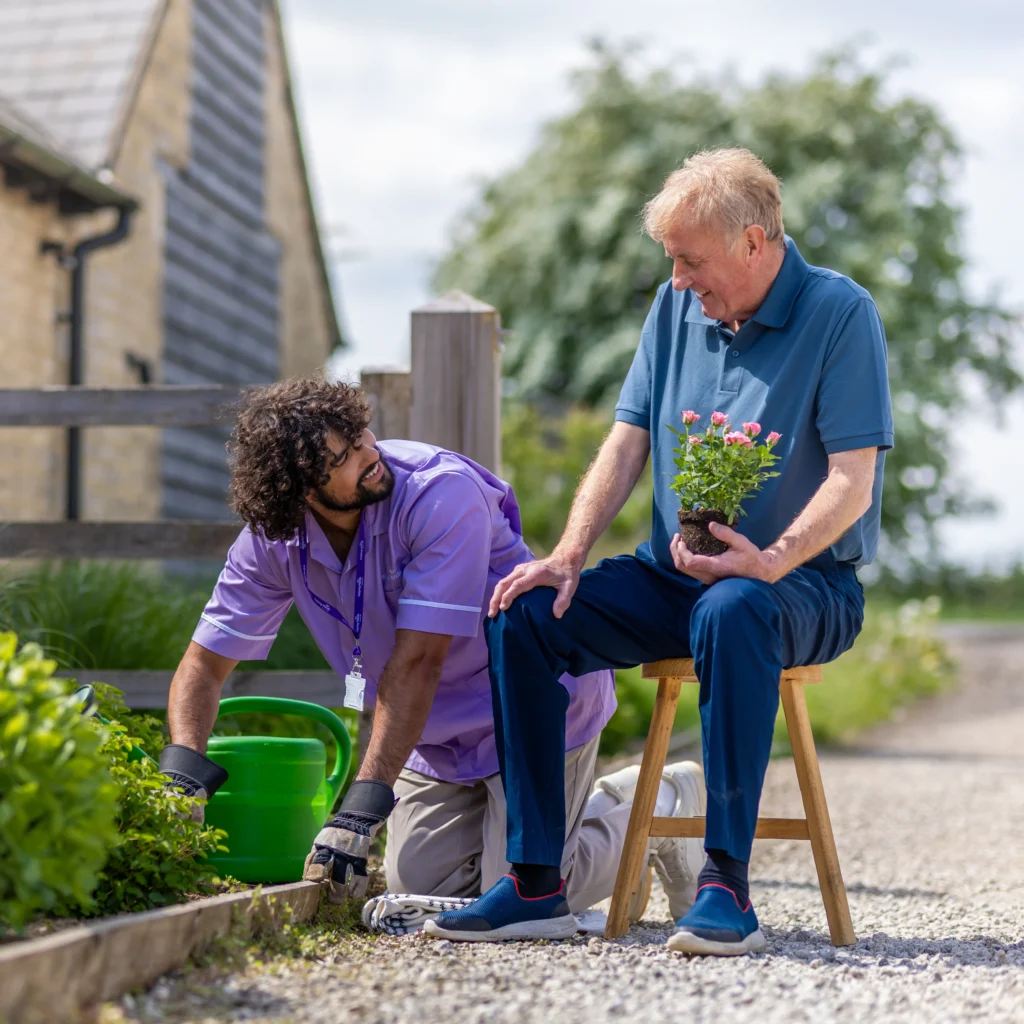
We offer live-in, visiting and respite care to help with building new social connections.
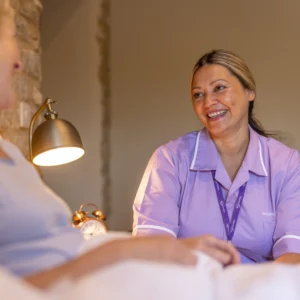
Visiting care
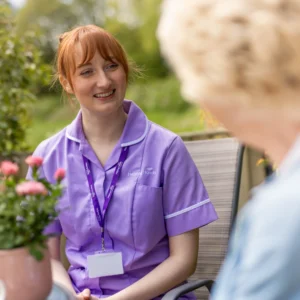
Live-in care
A fully regulated home care provider
Here at Helping Hands, our service is regulated by the Care Quality Commission (CQC) and the Care Inspectorate Wales (CIW)
This means we need to consistently meet high standards and are monitored by our regulators.