The Importance of Supporting Elderly Relatives Post-Christmas

Why the Post-Christmas Period Can Be Difficult for Older Adults
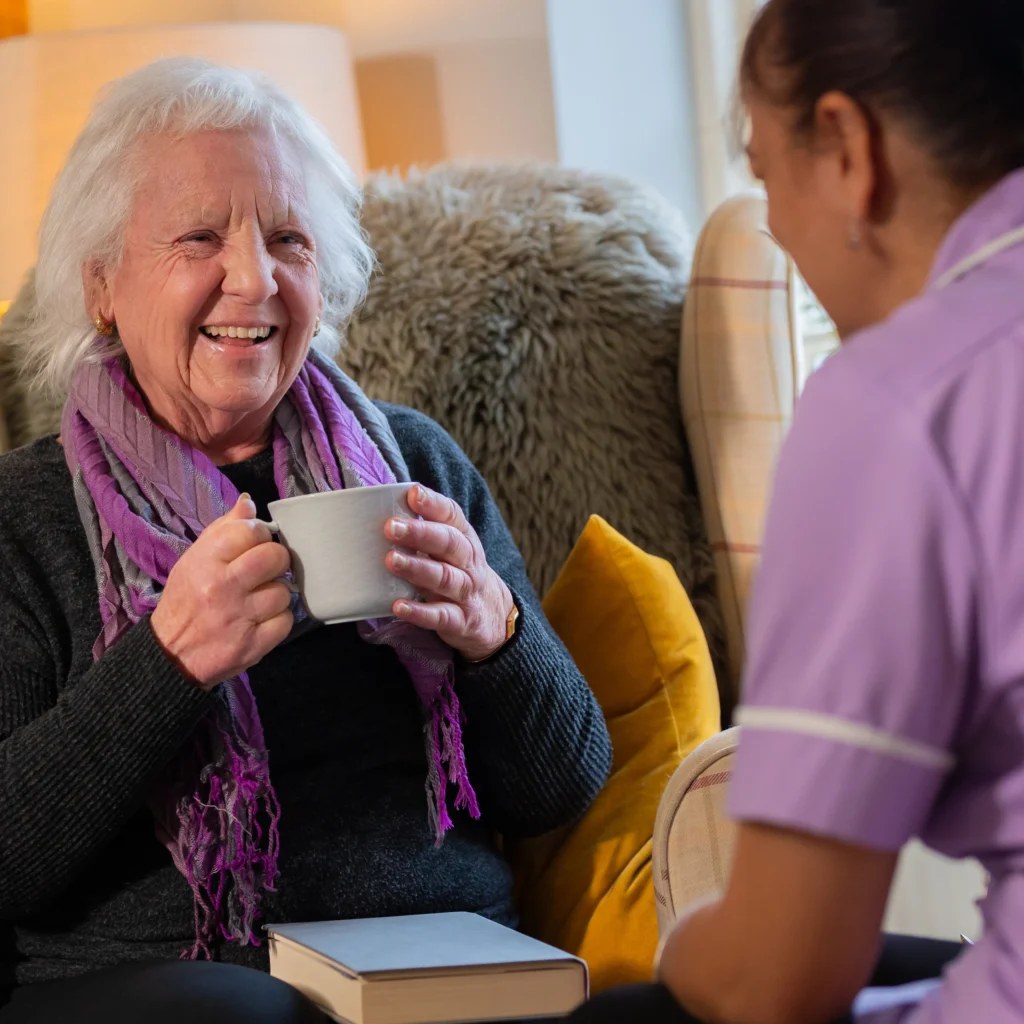
January is considered a difficult month for many people, with ‘Blue Monday’ and the ‘January Blues’ recognised as very real phenomena. Blue Monday is identified as the day that people find most depressing, falling on the third Monday of the month, when cold weather, debt, broken resolutions, and post-Christmas blues affect people most heavily.
We’ve been supporting people with their companionship and care needs since we were established in 1989. All of our visiting and live-in care is fully regulated by the Care Quality Commission and the Care Inspectorate Wales, which demonstrates our commitment to the highest standards of care at all times. It’s no surprise that we’re the UK’s most trusted home care provider.

Our carers can help you with:
The Emotional Impact of the Holiday Comedown
The lead up to the holiday season is so intense that once it’s all over the silence can be overwhelming, which can affect emotional wellbeing.
Increased Feelings of Loneliness After Family Visits End
After the hustle and bustle, daily life can often make the Christmas and new year period a welcome break from a more isolated daily routine.
Seasonal Affective Disorder and Winter Challenges
Many people are affected by the cold, dark, and barren days of winter, which can also negatively affect emotional and physical wellbeing.
Common Challenges Elderly Relatives Face After Christmas
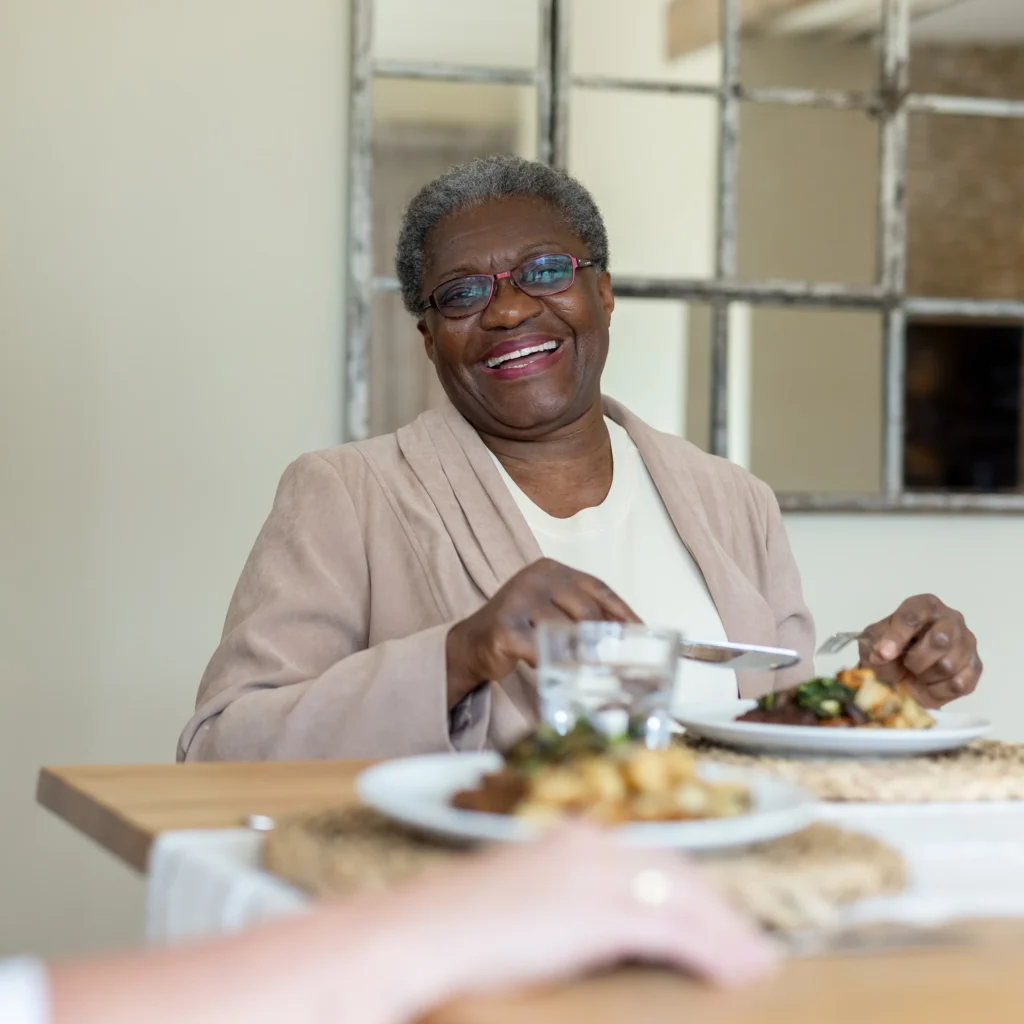
As Age UK says, “Every winter is challenging for older people.” However recent years of high energy and food prices have added additional stresses for people who already struggle with loneliness in winter. The depressing effects of dark days and unpleasant weather which often make older people reluctant to leave the house are polarised once the festivities end.
Challenges include:
Reduced Social Interaction and Routine Changes
The weather makes many older people not want to leave the house. In addition, some activities take a hiatus in January.
Financial Strain Following the Holiday Season
It is always tempting to spend excessively for the festive season, especially if loved ones are coming. This can strain finances in the new year.
Memory-Related Difficulties or Dementia
The frantic pace, noisy surroundings and change of routine can increase confusion and anxiety for people with memory problems.
Physical Health Concerns During Winter Months
Cold weather can bring risks to vulnerable people, such as respiratory problems. It can also increase the risk of slips and falls.
The Importance of Ongoing Emotional Support
Ongoing emotional support is important so that older people can feel less anxious after the festive season. When family and friends descend all at once it can be overwhelming, but after they leave the silence can be even more deafening.
Recognising Signs of Depression
Depression can manifest when someone’s routine changes drastically. It’s important that loved ones check in regularly to ensure this doesn’t happen as the chaos of the festive season disappears overnight.
How Regular Communication Makes a Difference
Even if family don’t live close by, they can still phone and message the person regularly. If they’re internet savvy they can also video chat to reduce feelings of isolation that may manifest after the new year.
The Role of Family in Emotional Wellbeing
Family is crucial to the emotional wellbeing of elderly people. The person will most likely spend a lot of time thinking of their children and grandchildren, so it’s important the feelings are reciprocated.

Practical Ways to Support Elderly Relatives After Christmas
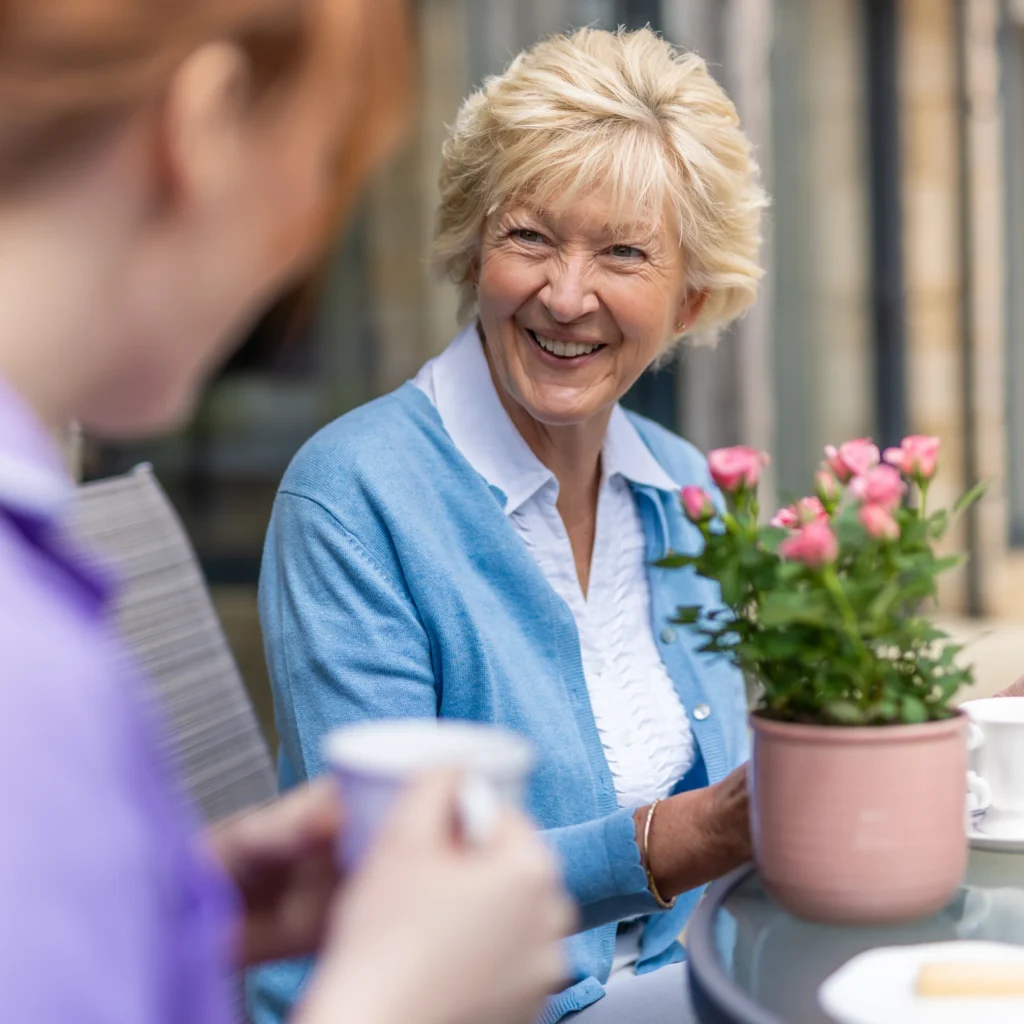
It can be difficult for busy families as work and school commitments resume after Christmas, however spending time with older relatives is still important after the new year. Regular get-togethers after the noise of the festivities have passed will no doubt be much appreciated.
Ways to support:
Scheduling Regular Visits and Check-Ins
Seeing family can mean that they’re even more missed once the new year begins. Regular visits and conversations will help to minimise feelings of longing and loneliness.
Helping Maintain Healthy Routines
Loved ones can encourage healthier choices after the excesses of the festive season. Reducing alcohol, sugar, and fat consumption will help maintain physical health.
Supporting Independence
Loved ones will be anxious about their offers of help being rejected. However, by working with their loved one and communicating about what they need this can be avoided.
Encouraging Social Activities
Encouraging older people to engage in social activities is a great way to ensure their loneliness is minimised. Sharing an activity will make the experience even more special.
Supporting Physical Health and Wellbeing
Christmas is often a period when loved ones become more aware that an elderly relative needs additional support.
Ensuring Access to Healthcare and Medications
It’s important to ensure that older people who need support receive it. Getting in touch with the local authority for a care assessment is the first step. A friend or carer can request one for you if necessary, with your permission, unless you lack mental capacity.
Encouraging Gentle Exercise
Encouraging gentle exercise is important for people who aren’t getting out of the house. There are many online videos if they have access to the internet, or suitable DVDs can often be found in charity shops. Doing them together is a great way to spend quality time.
Nutrition, Hydration, and Winter Wellness
Encouraging older people to eat can be difficult, especially if they are worried about the risk of choking or incontinence. Loved ones can help older people to eat and drink sufficiently and seek medical assistance if the person doesn’t appear well.
When Professional Support May Be Needed
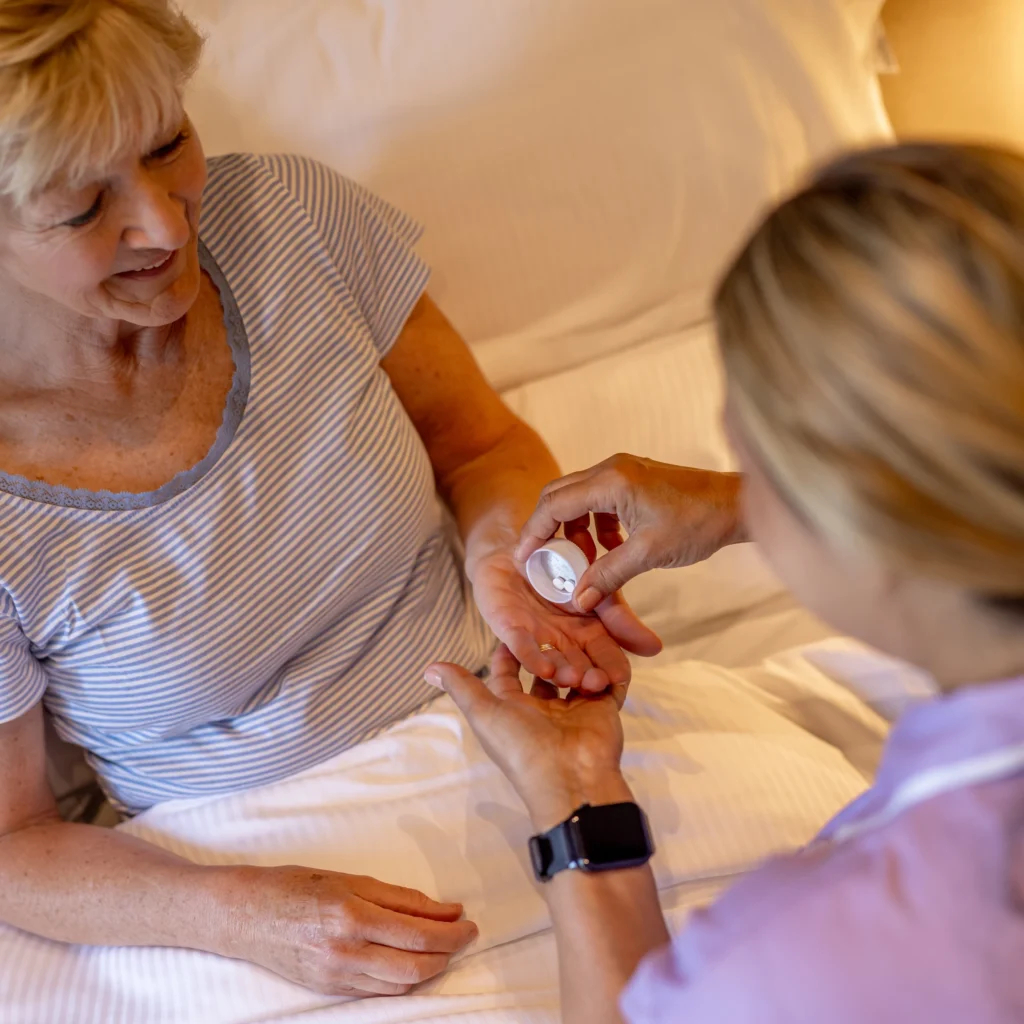
When someone is struggling with their daily routine or are at serious risk of isolation, having professional support coming regularly can make all the difference. Knowing they will see a friendly face that day means the person will avoid long periods of being alone and their physical and emotional wellbeing will benefit.
Understanding Home Care and Support Services
Home care from Helping Hands can be delivered on both a visiting and live-in care basis. This means that whatever the person’s needs, we can support them, with a personalised care plan and package of care designed to promote independence.
How External Support Can Benefit the Whole Family
Having care at home can reassure loved ones as well as the person being supported. This also means that family members can concentrate on spending quality time with each other, rather than having to undertake practical tasks when together.

How Small Gestures Can Have a Big Impact
Small gestures can be really appreciated by elderly loved ones because they will demonstrate just how much they’re in their family’s thoughts. This can include phone calls, a greetings card, or sending flowers. When you consider that, according to Age UK, “225,000 older people often go for a week without speaking to anyone”, and “over 6 million older people say just a few minutes of conversation makes a difference to their week”, it’s understandable how small gestures can have a big impact. This is just one way that a Helping Hands carer can make such a difference to an older person’s day.
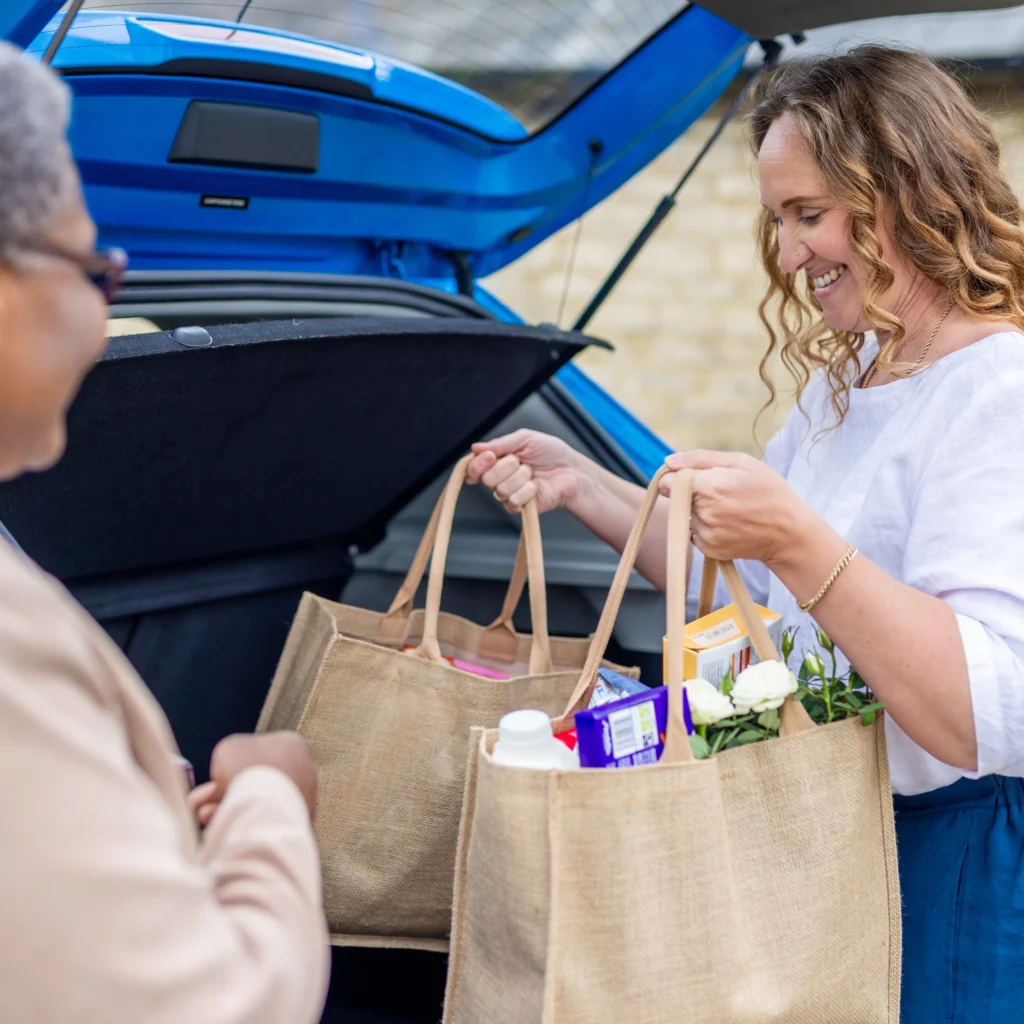
Companionship Support with Helping Hands
Loneliness is becoming an epidemic, especially amongst the elderly. According to the NHS, “older people are especially vulnerable to loneliness and social isolation and it can have a serious effect on health.”
Having companionship care from Helping Hands means that you or your loved one will always be supported, with practical tasks and emotional wellbeing. This is because your carer will come to you regularly, or live in your home with you, ensuring that when you need support you will be greeted with a smiling face and a helping hand. Talk to us today about how we could be supporting you at home.